
Embarking on a journey from Seattle to Alaska is a common itinerary for many travelers seeking to explore the Last Frontier. The flight duration, however, isn’t a single, fixed answer, as Alaska is an immense state with numerous entry points, each offering a distinct travel time. Understanding the variables involved, from your specific destination within Alaska to the type of flight you choose, is crucial for planning an efficient and enjoyable trip. This guide will delve into the specifics, helping you anticipate the journey time from the bustling Pacific Northwest hub to the rugged wilderness and vibrant cities of Alaska.
Understanding the “Alaska” Variable: Your Specific Destination Matters
When asking “How long is the flight to Alaska?” it’s akin to asking how long it takes to drive across the Continental United States without specifying a start and end point. Alaska spans a vast geographical area, and flight times vary significantly depending on whether you’re heading to the state’s largest city, its capital, or a remote bush community. Seattle serves as a primary gateway for flights heading north, with direct connections to several key Alaskan cities.
Anchorage – The Most Common Gateway
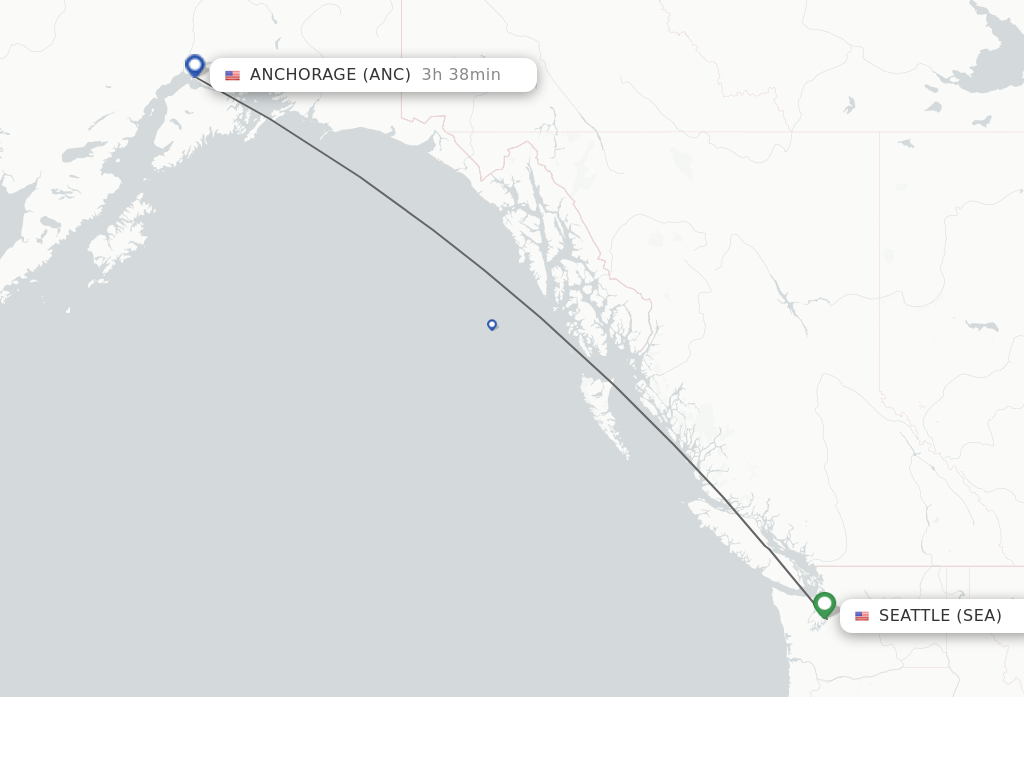
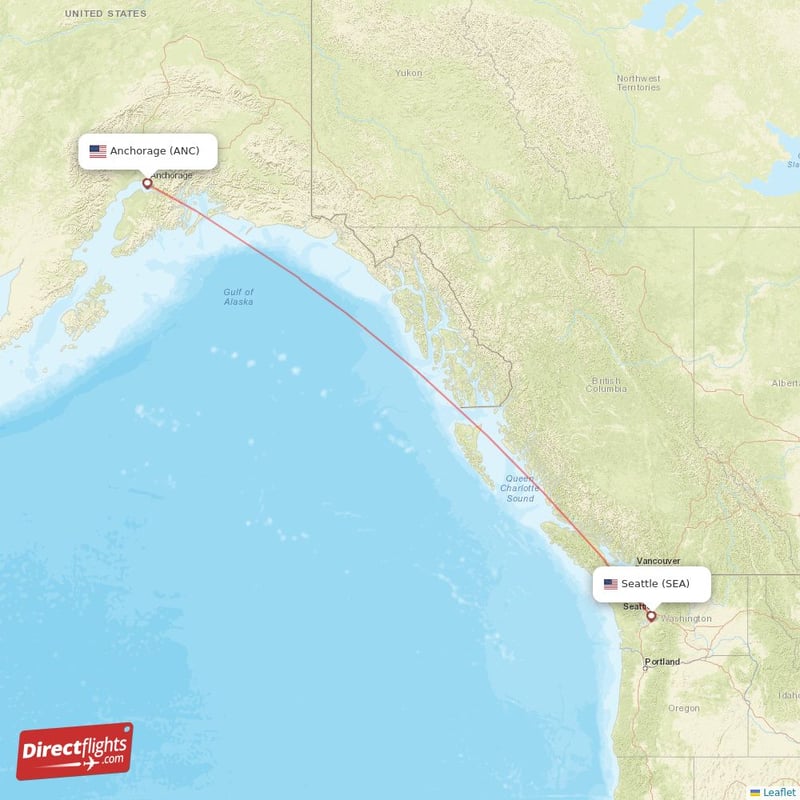
For most travelers, Anchorage is the primary destination in Alaska. It’s the state’s largest city and home to Ted Stevens Anchorage International Airport (ANC), which handles the majority of commercial air traffic. A direct flight from Seattle-Tacoma International Airport (SEA) to Anchorage typically takes approximately 3 hours and 30 minutes to 3 hours and 45 minutes. This relatively short duration makes Anchorage an accessible starting point for exploring the south-central region, including access to Denali National Park and Preserve and the Kenai Peninsula. Many Alaska cruises also begin or end near Anchorage, making it a popular choice for fly-cruise passengers.
Fairbanks – Further North
Located further inland and north, Fairbanks is another significant Alaskan city, often considered the gateway to the Arctic Circle and an excellent spot for aurora viewing. Direct flights from Seattle to Fairbanks International Airport (FAI) are less frequent than those to Anchorage but are readily available. The flight time to Fairbanks is generally longer, averaging 4 hours to 4 hours and 15 minutes for a direct service. This slightly extended duration is due to the increased distance north.
Juneau – The Capital and Southeastern Alaska
Juneau, Alaska’s capital, is unique because it’s not accessible by road, making air travel or sea travel the only ways to reach it. Situated in the panhandle of Southeastern Alaska, its location often means a slightly different flight path. Direct flights from Seattle to Juneau International Airport (JNU) typically take around 2 hours and 15 minutes to 2 hours and 30 minutes. This shorter flight time reflects Juneau’s closer proximity to Seattle compared to Anchorage or Fairbanks, albeit with a flight path that traverses more coastline and islands.
Other Key Destinations
Beyond the major cities, Alaska has numerous smaller airports. Destinations like Ketchikan, Sitka, or Cordova in Southeast Alaska might have direct flights from Seattle in peak season, or require a connection, often through Anchorage or Juneau.
- Flights to Ketchikan can be as short as 1 hour 45 minutes to 2 hours direct.
- Flights to Sitka might be around 2 hours to 2 hours 15 minutes direct.
For truly remote locations such as Nome or Utqiagvik (formerly Barrow), expect multiple connections and significantly longer overall travel times, often involving regional carriers. The initial leg from Seattle will likely be to Anchorage or Fairbanks, adding several hours to the journey with layovers.
Factors Influencing Flight Duration
While the direct distance to your chosen Alaskan city is the primary determinant, several other factors can subtly or significantly influence the total flight time from Seattle. Understanding these can help set realistic expectations and potentially optimize your travel plans.
Direct vs. Connecting Flights
This is perhaps the most significant factor after the destination itself. A direct flight, as the name suggests, travels directly from Seattle to your Alaskan destination without any stops. These flights offer the fastest travel times. Connecting flights, however, involve one or more layovers, usually at a major hub. While the actual “flying time” between airports might be similar, the layover adds considerable time to your total journey. A one-stop flight could easily add 2-4 hours or more to your travel time, depending on the length of the layover and the efficiency of the connection. For destinations beyond Anchorage, Fairbanks, and Juneau, connecting flights are often unavoidable.
Aircraft Type and Speed
The type of aircraft used for your flight can also play a minor role in overall duration. Larger commercial jets, such as the Boeing 737s commonly used by Alaska Airlines for these routes, typically cruise at higher speeds than smaller regional jets. While the difference might only be 10-20 minutes over a multi-hour flight, it’s a contributing factor. The efficiency of boarding, deplaning, and taxiing at both Seattle-Tacoma International Airport and the Alaskan airports also slightly impacts the gate-to-gate time.
Headwinds and Tailwinds
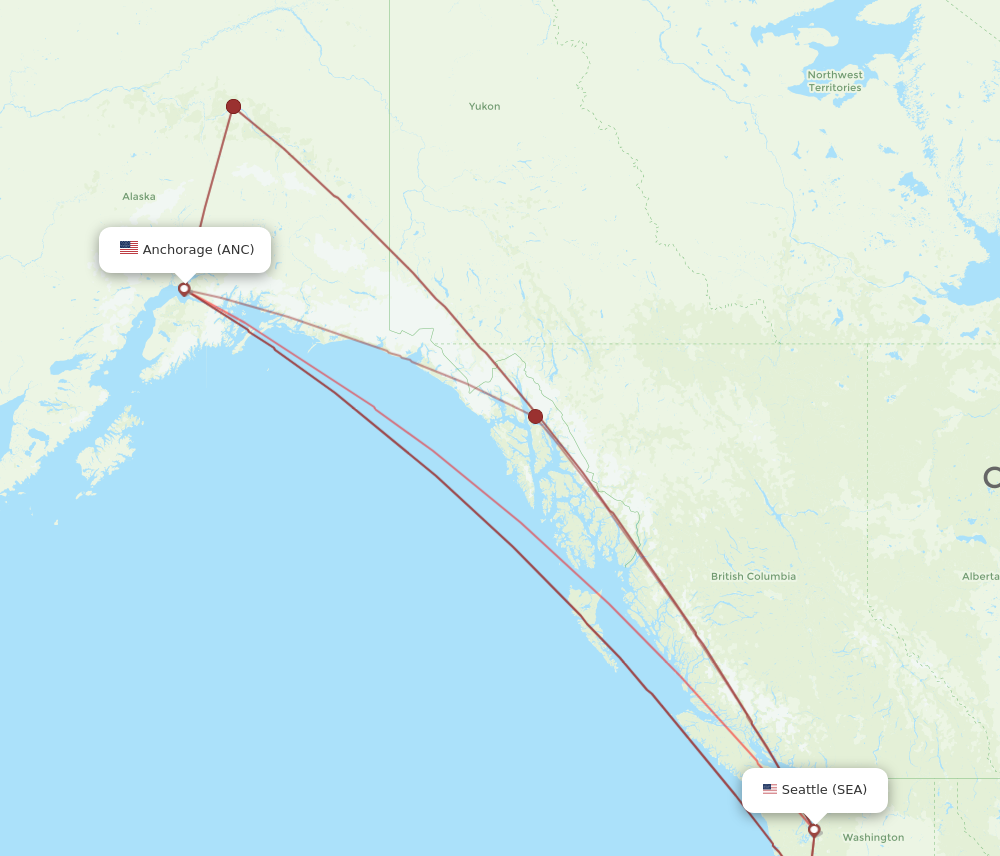
Weather conditions, particularly wind patterns, can noticeably affect flight times. When flying north from Seattle towards Alaska, encountering strong headwinds (winds blowing against the direction of travel) can slow the aircraft down, adding 15-30 minutes to the flight. Conversely, strong tailwinds (winds blowing in the direction of travel) can significantly reduce flight time. Pilots often take advantage of prevailing winds, especially those of the jet stream, to optimize fuel consumption and flight duration, though the main jet stream typically flows west-to-east. For north-south flights, localized wind patterns, especially over the Pacific Ocean and the Gulf of Alaska, are more relevant.
Air Traffic Control and Route Optimization
Air traffic control (ATC) plays a critical role in managing the flow of aircraft. During peak travel seasons or unexpected weather events, ATC might issue temporary flight restrictions or re-route planes, potentially adding time to the journey. Airlines also meticulously plan their routes to be as efficient as possible, considering factors like direct distance, airspace restrictions, and even expected turbulence zones. While the general corridor from Seattle to Alaska is well-established, minor adjustments can occur daily, affecting flight paths and, consequently, flight times.
Airlines and Typical Routes
Several major airlines operate flights between Seattle and various destinations in Alaska. These carriers offer a range of services and frequencies, catering to both leisure and business travelers. Understanding which airlines serve these routes can help you in your booking process.
Major Carriers
Alaska Airlines is, by far, the dominant carrier for flights from Seattle to Alaska. Based in Seattle, it offers the most frequent and direct services to Anchorage, Fairbanks, Juneau, and many smaller Alaskan communities. Their extensive network makes them the go-to choice for seamless travel to the state.
Other major U.S. carriers also offer flights, though often with fewer direct options or different seasonal schedules:
- Delta Air Lines provides direct flights from Seattle to Anchorage and seasonally to Fairbanks.
- United Airlines also operates direct routes from Seattle to Anchorage, particularly during the busier summer months.
- American Airlines occasionally offers seasonal direct flights or connecting flights through other hubs.
These airlines typically utilize Boeing 737 aircraft for their main routes, which are well-suited for the medium-haul journey over diverse terrain, from the dense forests of Canada to the vastness of Alaska.
Common Departure Points from Seattle
All commercial flights from Seattle to Alaska depart from Seattle-Tacoma International Airport (SEA), commonly known as Sea-Tac. This airport is a major hub for the Pacific Northwest and offers extensive facilities for travelers. When planning your journey, ensure you allocate sufficient time for check-in, security, and potential transit within the airport, especially if you are connecting from another flight. The airport offers numerous dining and retail options, as well as lounges for a comfortable pre-flight experience.
Planning Your Alaskan Journey from Seattle
Preparing for your flight to Alaska involves more than just knowing the flight duration. A well-thought-out plan can enhance your comfort and minimize potential travel hiccups.
Best Time to Fly for Efficiency
While flight times themselves don’t vary drastically by season (outside of wind effects), flight frequency and availability certainly do. The peak travel season for Alaska is generally from May to September, when direct flights are most numerous and often more expensive. During these months, you’ll find the widest selection of direct flights and departure times from Seattle. In the shoulder seasons (spring and fall) and winter, direct options might be reduced, potentially leading to more connecting flights and longer total travel times. For the most efficient direct routes, aim for travel during the summer.
What to Expect During the Flight
The flight from Seattle to Alaska offers some spectacular aerial views. Shortly after departure from Seattle, you might catch glimpses of Mount Rainier and the Cascade Mountains. As the plane heads north, you’ll typically fly over the rugged landscapes of British Columbia, Canada, and then over the Gulf of Alaska. Depending on your destination and the flight path, you may see glaciers, vast forests, and even the outline of Denali on a clear day as you approach Anchorage or Fairbanks. Given the duration, most airlines provide in-flight entertainment, and many offer Wi-Fi, though it’s often a paid service. It’s always a good idea to bring a book, download movies, or prepare other forms of personal entertainment.
Layover Considerations
If your itinerary involves a connecting flight, especially for destinations beyond the main hubs, factor in ample layover time. While a 1-hour layover might seem efficient, potential delays with the first flight, gate changes, or needing to re-clear security (though less common on domestic connections) can quickly turn it into a stressful dash. A 2-3 hour layover is generally more comfortable, allowing time for unforeseen circumstances, a meal, or a quick stretch. Remember that baggage claim and re-checking luggage might be necessary if you’re switching between airlines not partnered with each other.
Preparing for Arrival in Alaska
Upon arrival in Alaska, be prepared for potential time zone changes and varying weather conditions. Alaska operates on Alaska Standard Time (AKST), which is one hour behind Pacific Standard Time (PST) and four hours behind Eastern Standard Time (EST). This means if it’s 3:00 PM in Seattle, it will be 2:00 PM in Anchorage. The temperature and daylight hours can also differ significantly from Seattle, particularly if you’re visiting in winter or during the summer solstice when continuous daylight is common in parts of Alaska. Pack layers and be ready for the unique climate of the Far North.
LifeOutOfTheBox is a participant in the Amazon Services LLC Associates Program, an affiliate advertising program designed to provide a means for sites to earn advertising fees by advertising and linking to Amazon.com. Amazon, the Amazon logo, AmazonSupply, and the AmazonSupply logo are trademarks of Amazon.com, Inc. or its affiliates. As an Amazon Associate we earn affiliate commissions from qualifying purchases.