
The question of ownership for a prominent establishment like Turf Valley Resort often sparks curiosity, particularly for those who frequent its grounds, consider it a local fixture, or are involved in the hospitality industry. Understanding the lineage of ownership provides insight into its operational philosophy, potential development trajectories, and its enduring presence within the community. Turf Valley Resort, nestled in the scenic landscape of Ellicott City, Maryland, has a history intertwined with its evolving management and investment.
A Glimpse into the Past: The Genesis of Turf Valley
To comprehend the current ownership, it’s essential to trace the resort’s origins. Turf Valley Resort was established with a vision to be a comprehensive leisure destination. Its early years were marked by significant investment and a dedication to creating a space that offered a variety of amenities, from golf to lodging and event spaces. The initial developers and their subsequent ownership groups laid the foundational groundwork for what Turf Valley Resort is today. The resort’s initial development was driven by a desire to capitalize on the growing demand for recreational facilities and a place for social gatherings and celebrations. This foresight allowed the resort to become a well-recognized entity in the region, attracting both local patrons and visitors from further afield.

Early Development and Vision
The conception of Turf Valley Resort was not merely about constructing buildings; it was about crafting an experience. The founders envisioned a place where families could spend their weekends, where business professionals could host their events, and where golfers could hone their skills on meticulously maintained courses. This holistic approach to leisure and hospitality was a hallmark of its early planning and execution. The land itself, chosen for its natural beauty and accessibility, played a crucial role in this vision. The developers aimed to integrate the resort seamlessly into its environment, creating a tranquil escape that was nonetheless convenient to major thoroughfares.
Evolution of Management and Ownership
Over the decades, like many established businesses, Turf Valley Resort has experienced shifts in its ownership structure. These changes are often a natural part of a business’s lifecycle, influenced by market conditions, economic factors, and strategic decisions by stakeholders. Each transition can bring new management styles, capital investments, and strategic reorientations, aiming to enhance the resort’s offerings and maintain its competitive edge in the dynamic hospitality sector. These transitions are not always publicly detailed, but they represent critical junctures in the resort’s ongoing narrative.
Identifying the Current Ownership Landscape
Pinpointing the exact current owner of a privately held resort can sometimes be a complex endeavor, as ownership structures can involve various entities, partnerships, or holding companies. However, public records and industry analyses often provide a clear picture of who holds the primary stake or operational control. For Turf Valley Resort, the landscape has seen particular clarity in recent times, shedding light on its present stewards.
The Role of Chatham Capital Group
In recent years, Turf Valley Resort has been under the ownership of Chatham Capital Group. This investment group, known for its strategic acquisitions and management of hospitality assets, has taken the reins with a focus on revitalizing and enhancing the resort’s appeal. Their involvement signals a commitment to investing in the property, improving its infrastructure, and potentially expanding its services to meet the evolving expectations of modern travelers and local clientele.
Strategic Investments and Renovations
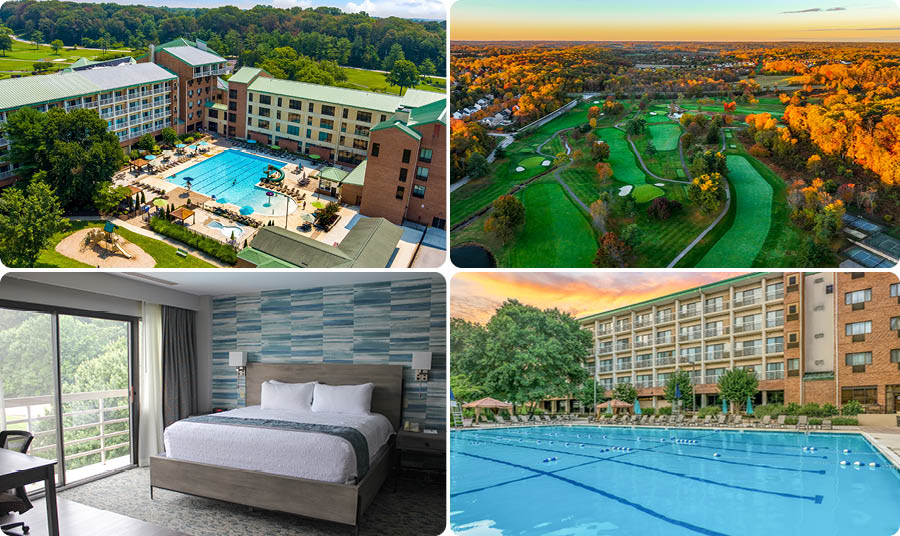
Under the stewardship of Chatham Capital Group, Turf Valley Resort has undergone significant investment aimed at modernizing its facilities and elevating the guest experience. This often includes renovations to guest rooms, upgrades to dining venues, improvements to golf course maintenance, and enhancements to event spaces. Such capital injections are crucial for a resort of this stature to remain competitive and attractive. The strategic objective is typically to preserve the resort’s historical charm while incorporating contemporary amenities and efficiencies that resonate with today’s discerning guests.
Impact on Operations and Guest Experience
The change in ownership can have a tangible impact on the day-to-day operations and the overall guest experience at Turf Valley Resort. New ownership groups often bring fresh perspectives on service delivery, marketing strategies, and operational efficiencies. Guests might notice updated décor, refined service standards, new dining options, or enhanced recreational programs. The goal is invariably to foster a positive and memorable experience, encouraging repeat visits and word-of-mouth recommendations, which are vital for any hospitality business.
The Strategic Vision of Chatham Capital Group
Chatham Capital Group’s acquisition of Turf Valley Resort is indicative of their broader investment strategy within the hospitality sector. Their approach typically involves identifying properties with strong potential and implementing plans to unlock that value through targeted improvements and astute management. For Turf Valley Resort, this means a renewed focus on its core strengths while exploring opportunities for growth and diversification.
Enhancing Core Offerings
The cornerstone of Turf Valley Resort has always been its diverse range of amenities, particularly its golf courses and event facilities. Chatham Capital Group has likely prioritized investments that enhance these core offerings. This could involve state-of-the-art course maintenance, upgrades to locker rooms and clubhouses, and modernizing ballrooms and conference spaces to accommodate a wider array of events, from weddings to corporate retreats. Ensuring these facilities are top-tier is paramount to maintaining the resort’s reputation.

Golf as a Primary Attraction
The resort’s golf courses have historically been a significant draw. Under new ownership, there is often a renewed emphasis on ensuring the playing conditions, course design, and overall golfing experience are exceptional. This can involve investing in turf management technology, employing experienced course superintendents, and potentially undertaking redesigns or renovations to adapt to modern golfing trends. The aim is to appeal to both seasoned golfers and newcomers, solidifying the resort’s position as a premier golf destination.
Event and Conference Facilities
Turf Valley Resort has long been a popular venue for various events. Chatham Capital Group likely recognizes the significant revenue potential in this sector. Investments in upgrading banquet halls, meeting rooms, and audiovisual equipment would be logical steps to attract a broader range of corporate clients, wedding parties, and other event organizers. Enhancing the catering services and event planning support also plays a crucial role in securing bookings and ensuring client satisfaction.
Future Development and Expansion
Beyond immediate enhancements, ownership groups like Chatham Capital Group often look towards the future with plans for development and expansion. This could involve exploring opportunities to add new amenities, such as spa services, expanded dining options, or improved recreational activities. It might also entail a strategic review of the resort’s land assets for potential residential or commercial development that complements the existing hospitality operations, thereby creating a more integrated and diversified resort experience.
Diversifying Revenue Streams
A key strategic objective for any hospitality owner is to diversify revenue streams to ensure long-term stability and profitability. For Turf Valley Resort, this could mean developing new hospitality offerings beyond traditional lodging and golf. This might include creating packages that combine accommodation with local attractions in Howard County, developing unique culinary experiences, or even exploring fractional ownership or condominium components for the resort property.
Community Integration and Partnerships
Successful resorts often become integral parts of their local communities. Chatham Capital Group may look to strengthen Turf Valley Resort’s ties with Ellicott City and the wider Howard County region. This could involve forming partnerships with local businesses, supporting community events, and creating employment opportunities, thereby fostering goodwill and establishing the resort as a valued local asset. Such integration can also enhance the resort’s appeal to tourists seeking authentic local experiences.
Implications for Stakeholders
The ownership of Turf Valley Resort by Chatham Capital Group has implications for various stakeholders, including employees, guests, local businesses, and the wider community of Ellicott City, Maryland. Understanding these implications can provide a more comprehensive view of the resort’s current standing and future prospects.
For Employees
New ownership can often lead to changes in management structure, operational procedures, and investment in employee training and development. While some changes might be disruptive, the infusion of capital and strategic planning often aims to create a more robust and sustainable business, which can translate into greater job security and enhanced career opportunities for the resort’s staff. A focus on improving facilities and services can also lead to a more positive working environment.
For Guests and Members
For guests and members of Turf Valley Resort, the ownership changes are primarily felt through the quality of the amenities, the level of service, and the overall guest experience. The investments made by Chatham Capital Group are intended to enhance these aspects, offering updated accommodations, improved dining, and better maintained recreational facilities. This aims to provide greater value and satisfaction for those who choose to stay, dine, or play at the resort.
For the Local Economy
The economic impact of a significant resort like Turf Valley Resort on its local area is substantial. New ownership that invests in property upgrades, expansion, and marketing can lead to increased tourism, job creation, and greater demand for local goods and services. The resort’s success is often intertwined with the prosperity of the surrounding community, and a revitalized Turf Valley Resort can be a significant boon for Howard County.
Conclusion: A Future Under New Stewardship
The ownership of Turf Valley Resort by Chatham Capital Group marks a new chapter for this established Maryland institution. With a strategic focus on enhancing its core offerings and exploring avenues for future growth, the resort is poised for a period of revitalization and development. The commitment of capital and expertise by its current owners signals an intention to not only preserve the resort’s legacy but also to adapt and evolve, ensuring its continued relevance and success in the competitive hospitality landscape for years to come. The question of “Who Owns Turf Valley Resort?” is answered by understanding the strategic vision and investment power of Chatham Capital Group, which is actively shaping its future.
LifeOutOfTheBox is a participant in the Amazon Services LLC Associates Program, an affiliate advertising program designed to provide a means for sites to earn advertising fees by advertising and linking to Amazon.com. Amazon, the Amazon logo, AmazonSupply, and the AmazonSupply logo are trademarks of Amazon.com, Inc. or its affiliates. As an Amazon Associate we earn affiliate commissions from qualifying purchases.