
The journey to Hawaii, a paradise of volcanic landscapes, pristine beaches, and vibrant culture, often begins with a flight from the continental United States. For many West Coast travelers, San Francisco serves as a primary gateway. Understanding the flight duration from San Francisco to the various Hawaiian islands is a crucial first step in planning your idyllic escape. This comprehensive guide will break down typical flight times, explore factors influencing your journey, and provide essential tips for a smooth and enjoyable Pacific crossing.
The Direct Answer: Flight Duration Explained
When considering a flight from San Francisco to Hawaii, the immediate question is always, “How long will it take?” The good news is that the journey is manageable, typically ranging from five to six hours for direct flights. This duration places the Hawaiian islands within a comfortable travel window, allowing travelers to depart in the morning and arrive in time to enjoy their first Hawaiian sunset. However, the exact timing can vary slightly depending on your specific destination island, the type of aircraft, and prevailing weather conditions.
Typical Flight Times to Major Hawaiian Islands
Hawaii is an archipelago composed of several distinct islands, each offering its own unique charm and attractions. Direct flights from San Francisco International Airport (SFO) service the main tourist hubs, and while the differences in flight time between them are not vast, they are worth noting for precise planning.
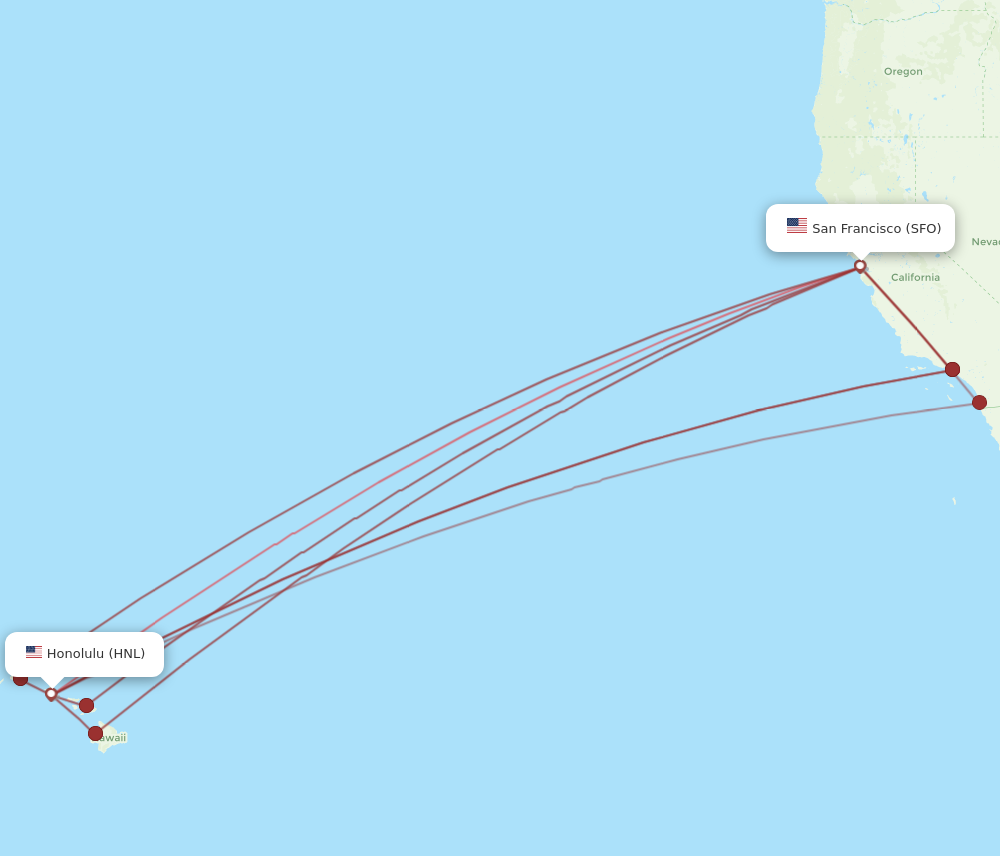
- To O‘ahu (Daniel K. Inouye International Airport, HNL in Honolulu): As the most popular and populous island, O‘ahu sees the most frequent direct flights. A typical flight from SFO to HNL usually takes approximately 5 hours and 20 minutes to 5 hours and 45 minutes. This makes Honolulu a prime entry point for many visitors.
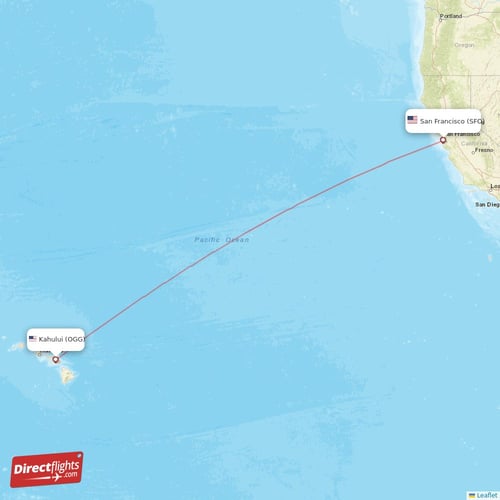
- To Maui (Kahului Airport, OGG): Known for its stunning beaches and the scenic Road to Hana, Maui is another major draw. Flights from SFO to OGG tend to be slightly longer than to O‘ahu, averaging around 5 hours and 30 minutes to 6 hours.
- To Kauaʻi (Līhuʻe Airport, LIH): The “Garden Isle” of Kauaʻi offers dramatic cliffs and lush rainforests. Direct flights from SFO to LIH are comparable to Maui, typically falling within the 5 hours and 30 minutes to 6 hours range.
- To Hawaiʻi Island / Big Island (Ellison Onizuka Kona International Airport at Keāhole, KOA in Kona, or Hilo International Airport, ITO in Hilo): The Big Island, with its active volcanoes and diverse landscapes, also has direct service. Flights to KOA or ITO from SFO are generally the longest of the primary routes, usually between 5 hours and 45 minutes to 6 hours and 15 minutes.
These times are for direct flights. Any flight involving a layover, particularly in Honolulu before continuing to another island, will naturally extend your total travel time significantly.
Factors Influencing Flight Duration
While the averages provide a solid baseline, several factors can subtly alter the actual time you spend in the air:
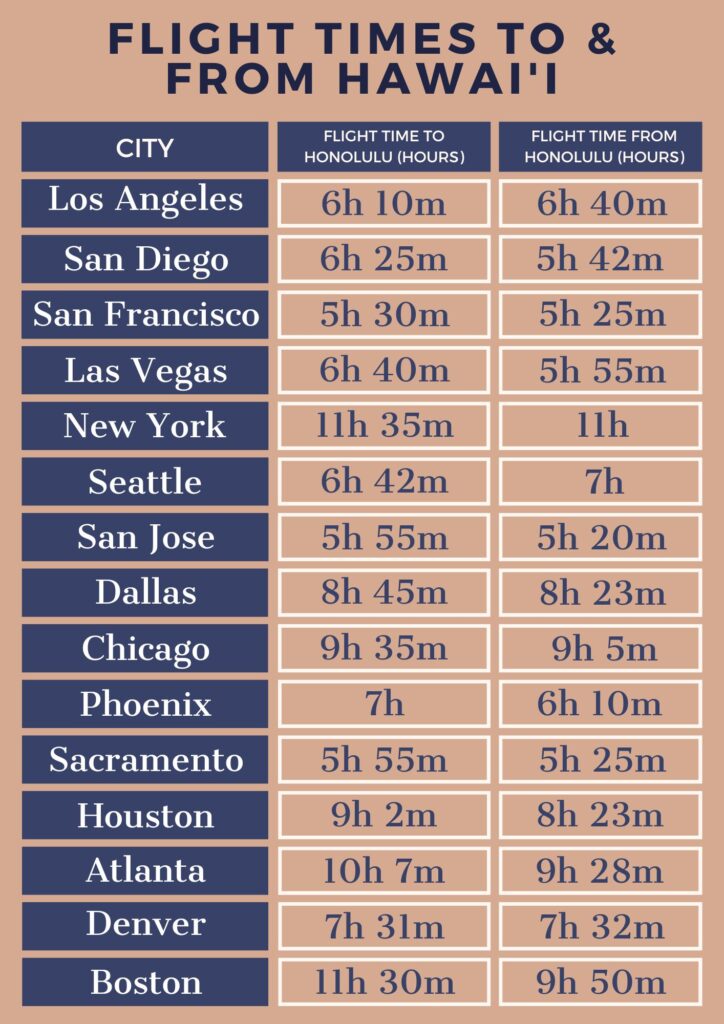
- Tailwinds and Headwinds: Aircraft traveling across the Pacific are significantly impacted by prevailing winds. Flying westbound to Hawaii often means flying against the prevailing westerly winds, which can slightly increase flight time (headwinds). Conversely, flying eastbound from Hawaii back to San Francisco typically benefits from tailwinds, making the return journey slightly shorter, sometimes by as much as 30-45 minutes.
- Aircraft Type: Different aircraft models have varying cruising speeds and operational efficiencies. Larger, more modern jets like the Boeing 777 or Airbus A330 are often used for longer routes, while single-aisle jets like the Boeing 737 or Airbus A321neo are also common. While airlines optimize routes for efficiency, slight speed differences can impact arrival times.
- Air Traffic Control and Route Optimization: The actual flight path can be adjusted by air traffic control for various reasons, including avoiding turbulent weather, optimizing fuel consumption, or managing airspace congestion. While minor, these adjustments can add or subtract a few minutes from the total flight duration.
- Gate Delays and Taxi Time: The published flight duration generally refers to “block time” – from the moment the aircraft pushes back from the gate until it arrives at the destination gate. This includes taxiing, take-off, and landing. Unexpected delays on the ground at SFO or at your Hawaiian destination can add to your overall travel experience, though not directly to the in-air flight time.
Choosing Your Hawaiian Gateway: San Francisco International Airport (SFO) as a Hub
San Francisco International Airport (SFO) stands out as one of the busiest and most well-connected airports on the West Coast of the United States. Its strategic location makes it an ideal departure point for travelers heading to the islands of Hawaii, offering a robust selection of airlines and direct routes.
Airlines Offering Direct Flights to Hawaii
A number of reputable airlines provide direct service from SFO to various Hawaiian islands, giving travelers flexibility in terms of schedule, price, and loyalty programs. The main carriers include:
- Hawaiian Airlines: Hawaii’s flag carrier, known for its authentic island hospitality, offers extensive direct flights from SFO to Honolulu, Kahului (Maui), Kona (Big Island), and Līhuʻe (Kauaʻi).
- United Airlines: A major U.S. airline with a significant hub at SFO, United provides numerous daily direct flights to Honolulu, Maui, Kauaʻi, and the Big Island.
- Alaska Airlines: Popular on the West Coast, Alaska Airlines also operates direct routes from SFO to Honolulu, Maui, Kauaʻi, and Kona.
- Delta Air Lines: Another prominent U.S. carrier, Delta offers direct flights from SFO to Honolulu and Maui.
- Southwest Airlines: Known for its competitive pricing and two free checked bags policy, Southwest Airlines has expanded its service to Hawaii from SFO, serving Honolulu, Maui, Kona, and Līhuʻe.
When booking, it’s advisable to compare fares and schedules across these airlines to find the best option for your travel plans.
Why SFO is a Preferred Departure Point
Beyond the sheer number of flight options, San Francisco offers several advantages as a departure point for Hawaii:
- Extensive Connectivity: SFO is a major international airport, making it easily accessible for travelers coming from other parts of the United States or even internationally, who wish to connect to a Hawaiian flight.
- Modern Facilities: SFO boasts state-of-the-art terminals, a wide array of dining and shopping options, and convenient transportation links to the city of San Francisco and the wider Bay Area, enhancing the pre-flight experience.
- Favorable Flight Schedules: Given its strategic position and high demand, SFO often has flights departing at convenient times, allowing travelers to maximize their first day in paradise. Many flights depart in the morning, arriving in Hawaii in the early afternoon due to the time difference, giving you plenty of daylight to settle in.
Navigating the Pacific Skies: What to Expect Onboard
A flight to Hawaii is more than just transportation; it’s the beginning of your vacation. Knowing what to expect during the flight can help you prepare for a comfortable and enjoyable journey across the Pacific Ocean.
Aircraft Types and Passenger Experience
Airlines flying the SFO to Hawaii route utilize a variety of aircraft, primarily wide-body jets for some airlines and single-aisle aircraft for others.
- Wide-body Aircraft (Boeing 777, Airbus A330): Often used by carriers like United Airlines and Hawaiian Airlines for their greater capacity and comfort, these planes typically offer more spacious cabins, better in-flight entertainment systems, and potentially more diverse seating classes (Economy Plus, Premium Economy, Business/First Class with lie-flat seats).
- Single-aisle Aircraft (Boeing 737, Airbus A321neo): Modern variants of these popular jets are increasingly used on the Hawaii routes by airlines such as Alaska Airlines and Southwest Airlines. While they offer a slightly more compact cabin experience, newer models are equipped with amenities like seat-back screens or streaming entertainment, Wi-Fi, and comfortable seating.
Regardless of the aircraft, the approximately 5-6 hour flight is long enough to warrant a good book, a fully charged tablet with movies, or a comfortable neck pillow for napping.
In-Flight Services and Amenities
Most airlines operating the SFO-Hawaii route offer a range of services designed to enhance passenger comfort:
- Food and Beverages: Complimentary meal service can vary by airline and class. On longer flights, many full-service carriers provide a complimentary meal or snack, along with non-alcoholic beverages. Alcoholic beverages are typically available for purchase. Budget carriers may offer buy-on-board options. It’s always a good idea to check the airline’s policy beforehand or bring your own snacks.
- Entertainment: In-flight entertainment (IFE) systems are common, featuring movies, TV shows, music, and games. Many airlines also offer Wi-Fi connectivity (often for a fee) and power outlets at seats.
- Comfort Items: Blankets and pillows might be offered in premium cabins or for a fee in economy. Wearing comfortable clothing and bringing your own eye mask and earplugs can significantly improve your experience.
Time Zone Changes and Jet Lag Considerations
Hawaii observes Hawaii Standard Time (HST), which does not observe Daylight Saving Time. This means that for much of the year, Hawaii is two hours behind Pacific Daylight Time (PDT) and three hours behind Pacific Standard Time (PST).
- Eastbound (to Hawaii): When flying from San Francisco (PDT) to Hawaii (HST), you will “gain” two hours. For example, a 9:00 AM departure from SFO might land around 1:30 PM HST. This is generally favorable for avoiding severe jet lag, as it feels like an earlier arrival in your body’s internal clock.
- Westbound (from Hawaii): Flying back to San Francisco means “losing” those hours, which can make the return trip feel longer and potentially induce more jet lag.
To minimize jet lag, try to adjust your sleep schedule a few days before departure, stay hydrated during the flight, avoid excessive caffeine and alcohol, and expose yourself to natural light upon arrival to help reset your internal clock.
Beyond the Flight: Planning Your Hawaiian Adventure
While understanding the flight duration is key, a successful trip to Hawaii involves more than just the time in the air. Thoughtful planning for your entire journey will ensure a seamless and unforgettable experience.
Best Time to Fly to Hawaii
Hawaii enjoys pleasant weather year-round, but there are distinct seasons that influence crowds and pricing:
- Peak Season (Mid-December to Mid-April and June to August): These periods coincide with winter escapes and summer vacations. Expect higher airfares, more crowded flights, and increased demand for accommodations. Booking well in advance is essential during these times.
- Shoulder Seasons (April to May and September to Mid-December): These months often offer the best balance of good weather, fewer crowds, and more affordable prices. The weather is still excellent, and you’ll have more flexibility with bookings. Traveling during these times can significantly enhance your overall experience and value.
Regardless of the season, booking your flights at least 2-3 months in advance, especially from a popular hub like SFO, is always recommended for better rates.
Essential Pre-Flight Preparations
Before you even step foot on the plane, some preparations are crucial:
- Required Documents: Although Hawaii is a U.S. state, always carry a valid government-issued photo identification (e.g., driver’s license or passport) for airport security. If you are not a U.S. citizen, ensure your passport and any necessary visas are current.
- Packing Smart: Pack light, breathable clothing, swimwear, reef-safe sunscreen, insect repellent, and comfortable walking shoes. Consider a light jacket or sweater for cooler evenings or air-conditioned spaces. Don’t forget any medications, chargers, and adapters.
- Agriculture Restrictions: Hawaii has strict agricultural inspection laws to protect its unique ecosystem. Be mindful of what you pack, especially fresh fruits, vegetables, and plants, as many items are prohibited.
- Health and Safety: Check any current travel advisories or health guidelines, especially relating to local conditions or airline requirements.
Arrival and Inter-Island Travel Tips
Once your flight from San Francisco lands in Hawaii, your adventure truly begins.
- Airport Transfers: Arrange your airport transfer beforehand, whether it’s a rental car, shuttle service, or ride-sharing app. Demand can be high, especially during peak hours.
- Inter-Island Flights: If you plan to visit multiple islands, factor in additional short inter-island flights. These are typically 20-50 minutes long and operated by Hawaiian Airlines or Southwest Airlines. Remember to allow ample time between connecting flights to clear security again and navigate terminals.
- Embrace Aloha: The spirit of Aloha is central to Hawaiian culture. Be respectful of local customs, the environment, and fellow travelers. Learn a few basic Hawaiian phrases, and you’ll find your experience enriched.
In conclusion, the flight from San Francisco to Hawaii is a relatively short and straightforward journey, typically lasting between 5 to 6 hours. With numerous direct flight options from SFO and a little preparation, you’ll soon be exchanging the bustling city for the serene beauty of the Hawaiian islands, ready to immerse yourself in an unforgettable tropical paradise.
LifeOutOfTheBox is a participant in the Amazon Services LLC Associates Program, an affiliate advertising program designed to provide a means for sites to earn advertising fees by advertising and linking to Amazon.com. Amazon, the Amazon logo, AmazonSupply, and the AmazonSupply logo are trademarks of Amazon.com, Inc. or its affiliates. As an Amazon Associate we earn affiliate commissions from qualifying purchases.