
Embarking on a journey from the bustling metropolis of New York to the glittering entertainment capital of Las Vegas is a dream for many. Whether you’re drawn by the allure of world-class casinos, spectacular shows, or the vibrant nightlife, understanding the travel time is crucial for planning your adventure. The flight from New York to Las Vegas is a significant cross-country trip, bridging the Atlantic coast with the desert landscapes of the American West. This article delves into the intricacies of this flight, offering insights into flight durations, factors influencing travel time, and what to expect from your journey to “The Entertainment Capital of the World.”
Understanding Flight Durations: New York to Las Vegas
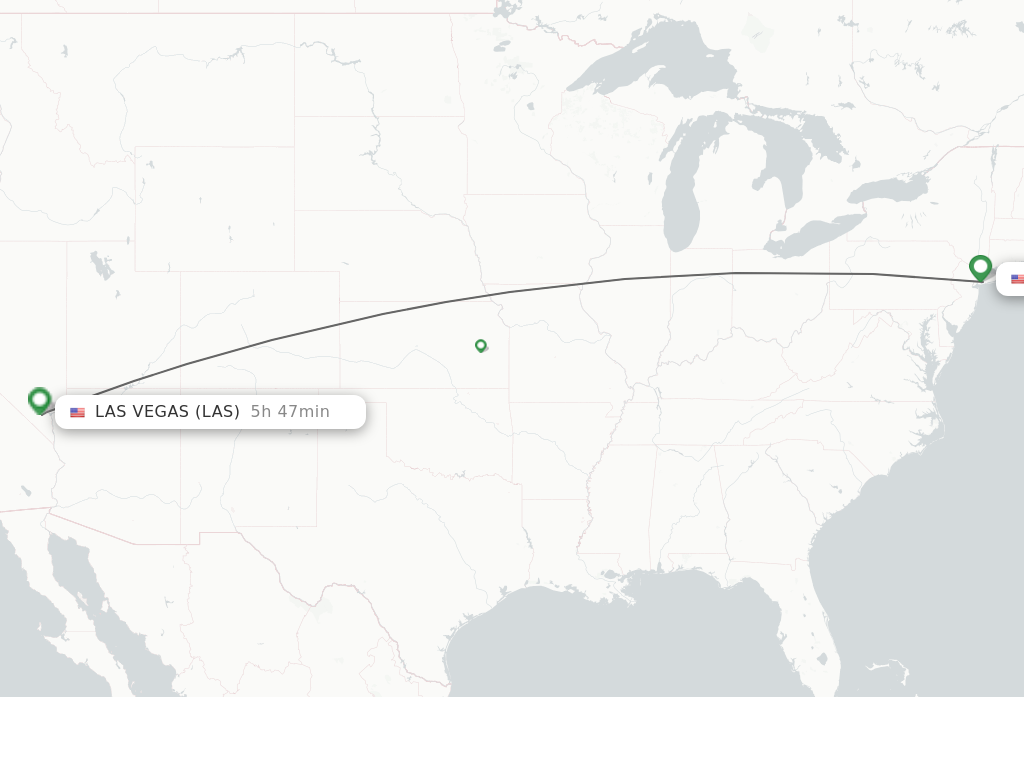
The direct flight time between New York and Las Vegas is generally consistent, though it can vary based on several factors. Most travelers will find themselves in the air for approximately 5 to 6 hours when flying non-stop. This duration positions it as a substantial domestic flight, requiring a good book, a comfortable travel pillow, and perhaps a few episodes of your favorite show to pass the time.
Non-Stop Flights: The Fastest Route
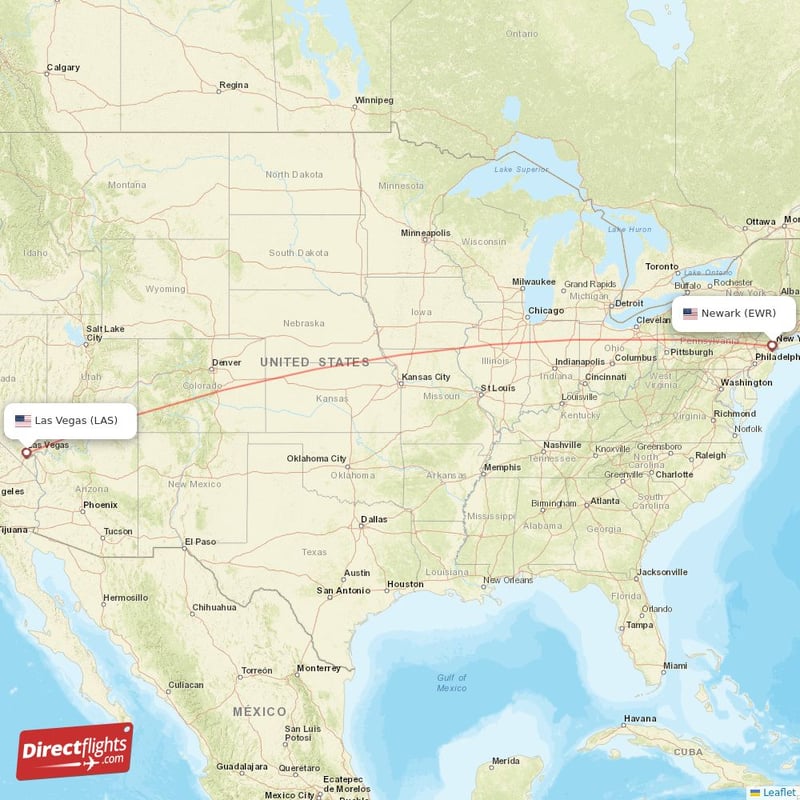
When time is of the essence, a non-stop flight is the ideal choice. Airlines operating this popular route, such as American Airlines, Delta Air Lines, and United Airlines, typically offer direct services from major New York airports like John F. Kennedy International Airport (JFK), LaGuardia Airport (LGA), and Newark Liberty International Airport (EWR) to Harry Reid International Airport (LAS) in Las Vegas. These flights are designed to be as efficient as possible, minimizing layovers and maximizing your time at your destination. The average non-stop flight typically clocks in at around 5 hours and 30 minutes. However, this is an average, and actual flight times can be a little shorter or longer.
Flights with Layovers: A Trade-Off for Potential Savings
For travelers prioritizing cost savings, flights with one or more layovers are often a more budget-friendly option. These itineraries, while increasing overall travel time, can sometimes offer significant discounts on airfare. The layover cities can vary widely, with common hubs including cities like Chicago, Dallas/Fort Worth, Denver, or Atlanta. The duration of a flight with a layover is highly variable. It can range from as little as 7-8 hours if the layover is brief and efficient, to upwards of 10-12 hours or even longer if the layover is substantial or if there are multiple stops. The decision between a non-stop and a connecting flight often comes down to a balance between time and budget. If you have ample time and are looking to stretch your travel dollars, a connecting flight can be a perfectly viable option. However, it’s essential to factor in the total travel time, including the layover, when making your decision, as what seems like a cheaper flight might end up costing you more in lost time and potential inconvenience.
Factors Influencing Flight Time
While the average flight time provides a baseline, several dynamic elements can influence how long your journey to Las Vegas from New York actually takes. Understanding these factors can help you manage your expectations and plan your trip more effectively.
Jet Streams and Wind Conditions
One of the most significant natural factors affecting flight duration is the presence and strength of jet streams. These fast-flowing, narrow air currents in the Earth’s atmosphere can either help or hinder aircraft. Flying eastward from Las Vegas to New York, aircraft often benefit from tailwinds provided by the jet stream, potentially shortening the flight. Conversely, flying westward from New York to Las Vegas, flights may encounter headwinds, which can extend the flight time. Air traffic control and pilots constantly monitor these conditions to optimize flight paths for efficiency, but headwinds can still add precious minutes, or even more, to the journey.
Airline and Aircraft Type
Different airlines may have slightly different flight schedules and preferred routes, which can contribute to minor variations in flight time. Furthermore, the type of aircraft used on the route can play a role. Larger, more modern aircraft are often designed for greater fuel efficiency and speed, potentially leading to marginally shorter flight durations. While the difference might not be drastic, it’s a contributing factor in the overall travel experience. When booking, you can often see the aircraft type listed, which can offer a glimpse into the plane’s capabilities.
Airport Congestion and Air Traffic Control
Both New York and Las Vegas are major travel hubs, meaning their airports can experience significant congestion. Delays can occur due to a multitude of reasons, including crowded runways, air traffic control restrictions, weather patterns affecting other flights in the system, or even issues with ground operations. While this primarily impacts departure and arrival times rather than the in-air flight duration itself, it contributes to the total time spent traveling from point A to point B. Being prepared for potential delays and having flexible plans can mitigate stress if such situations arise. The efficiency of air traffic control in managing the skies also plays a crucial role in ensuring smooth and timely travel.
Route Optimization
Airlines and pilots are constantly working to optimize flight routes. This involves selecting paths that are the most fuel-efficient and timely, taking into account wind patterns, weather, and air traffic. While the most direct route often seems like the shortest, sometimes a slightly longer, less direct path can be faster due to favorable wind conditions or avoidance of heavily trafficked airspace. These dynamic route adjustments are part of the complex science of air travel.
Preparing for Your Flight to the Desert Oasis
Once you have a good understanding of the flight duration, it’s time to prepare for your trip to Las Vegas. From choosing the right airport in New York to making the most of your flight, a little preparation goes a long way in ensuring a smooth and enjoyable experience.
Choosing Your Departure Airport in New York
New York is served by three major international airports: JFK, LGA, and EWR. Each has its pros and cons depending on your location within the New York metropolitan area and your preferred airline.
- John F. Kennedy International Airport (JFK): Located in Queens, JFK is a major international gateway and handles a vast number of flights. It’s well-connected by public transportation, including the AirTrain. If you’re flying with Delta, American Airlines, or JetBlue, JFK is often a primary hub.
- LaGuardia Airport (LGA): Also in Queens, LGA is primarily a domestic airport and is often convenient for travelers within the Northeast. It’s generally the closest to Manhattan.
- Newark Liberty International Airport (EWR): Situated in New Jersey, EWR serves as a hub for United Airlines and is a significant option for travelers in the western parts of New Jersey and New York. It also has good public transit links.
When booking your flight, consider the proximity of these airports to your starting point in New York and the ease of access for your return journey.
Making the Most of Your In-Flight Experience
A flight of 5-6 hours is long enough to require some planning for entertainment and comfort.
- Entertainment: Download movies, TV shows, podcasts, or audiobooks before you leave home. Many airlines offer in-flight entertainment systems, but bringing your own devices loaded with content ensures you have options.
- Comfort: Wear comfortable, layered clothing. The cabin temperature can fluctuate. Bring a neck pillow, eye mask, and earplugs if you plan to sleep. Staying hydrated is also important, so drink plenty of water.
- Connectivity: Wi-Fi is often available on flights for a fee, allowing you to stay connected or work during your journey. Check with your airline in advance about availability and cost.
- Snacks and Meals: While airlines typically provide meals on longer domestic flights, it’s always a good idea to pack a few non-perishable snacks for personal preference or in case you have specific dietary needs.
By considering these aspects, your flight from New York to Las Vegas will be a comfortable transition to the excitement that awaits you. Whether you’re headed to try your luck at the Bellagio or catch a show at Caesars Palace, knowing the flight time and being well-prepared will set the stage for a fantastic Las Vegas experience. Remember, the journey is part of the adventure, and a little planning ensures you arrive in Sin City refreshed and ready for whatever thrills it has in store. From the iconic skyline of New York to the dazzling lights of the Las Vegas Strip, your cross-country adventure is just a flight away.
LifeOutOfTheBox is a participant in the Amazon Services LLC Associates Program, an affiliate advertising program designed to provide a means for sites to earn advertising fees by advertising and linking to Amazon.com. Amazon, the Amazon logo, AmazonSupply, and the AmazonSupply logo are trademarks of Amazon.com, Inc. or its affiliates. As an Amazon Associate we earn affiliate commissions from qualifying purchases.