
Understanding the intricacies of the Electoral College is crucial for any engaged citizen, and the Nebraska system presents a unique and often discussed variation. Unlike most states that employ a winner-take-all approach, Nebraska allocates its electoral votes through a district-based method. This distinction has significant implications for presidential elections, shaping campaign strategies and influencing the overall outcome of national contests. This article delves into the mechanics of Nebraska‘s Electoral College system, offering an insightful look into how it functions and why it matters.
The Foundation: Understanding the Electoral College
The Electoral College is a body of electors established by the United States Constitution, constituted every four years for the sole purpose of electing the president and vice president. When citizens cast their ballots in a presidential election, they are technically voting for a slate of electors pledged to a particular candidate. These electors then formally cast their votes for president and vice president. The system was a compromise by the framers of the Constitution, seeking to balance the power of individual voters with the representation of states.

The Role of Electors
Each state is allocated a number of electors equal to the sum of its representation in Congress – that is, the number of its senators (always two) plus the number of its representatives in the House of Representatives, which is based on the state’s population. Nebraska, with its two senators and three representatives, therefore has five electoral votes. The electors themselves are typically chosen by the political parties in each state and are usually individuals with strong ties to the party or the candidate. Their role is to cast their vote for the candidate who won the popular vote in their respective state, though instances of “faithless electors” who vote against their state’s popular vote are exceedingly rare and have never changed the outcome of an election.
Why a District-Based System?
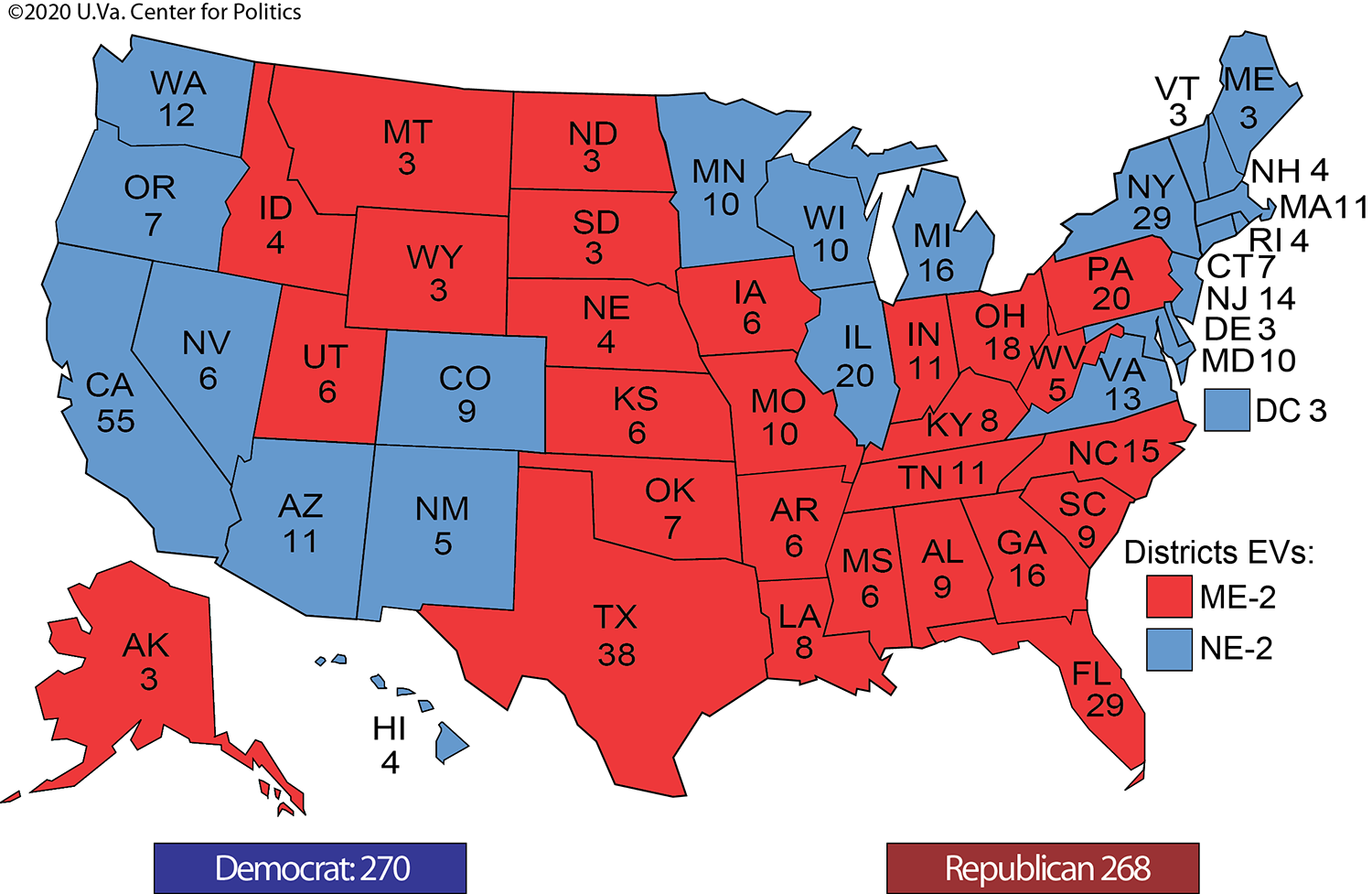
The most distinctive feature of Nebraska‘s Electoral College system is its departure from the winner-take-all model prevalent in 48 other states and Washington D.C.. This district-based allocation means that electoral votes are not automatically awarded to the candidate who wins the statewide popular vote. Instead, Nebraska divides its electoral votes based on the popular vote within each of its three congressional districts, plus two at-large electoral votes awarded to the statewide popular vote winner. This approach significantly alters the dynamics of presidential campaigns within the state.
Nebraska’s Unique Electoral Vote Allocation
Nebraska‘s approach to distributing its electoral votes is what sets it apart in the presidential election landscape. This method, established by state law, has been in place since 1991 and was inspired by Maine, which also uses a district-based allocation for its electoral votes. The rationale behind such a system is often to allow for a more granular representation of voter preferences within a state, potentially giving voice to voters in districts that might otherwise feel overlooked in a statewide winner-take-all contest.
District-Based Allocation in Practice
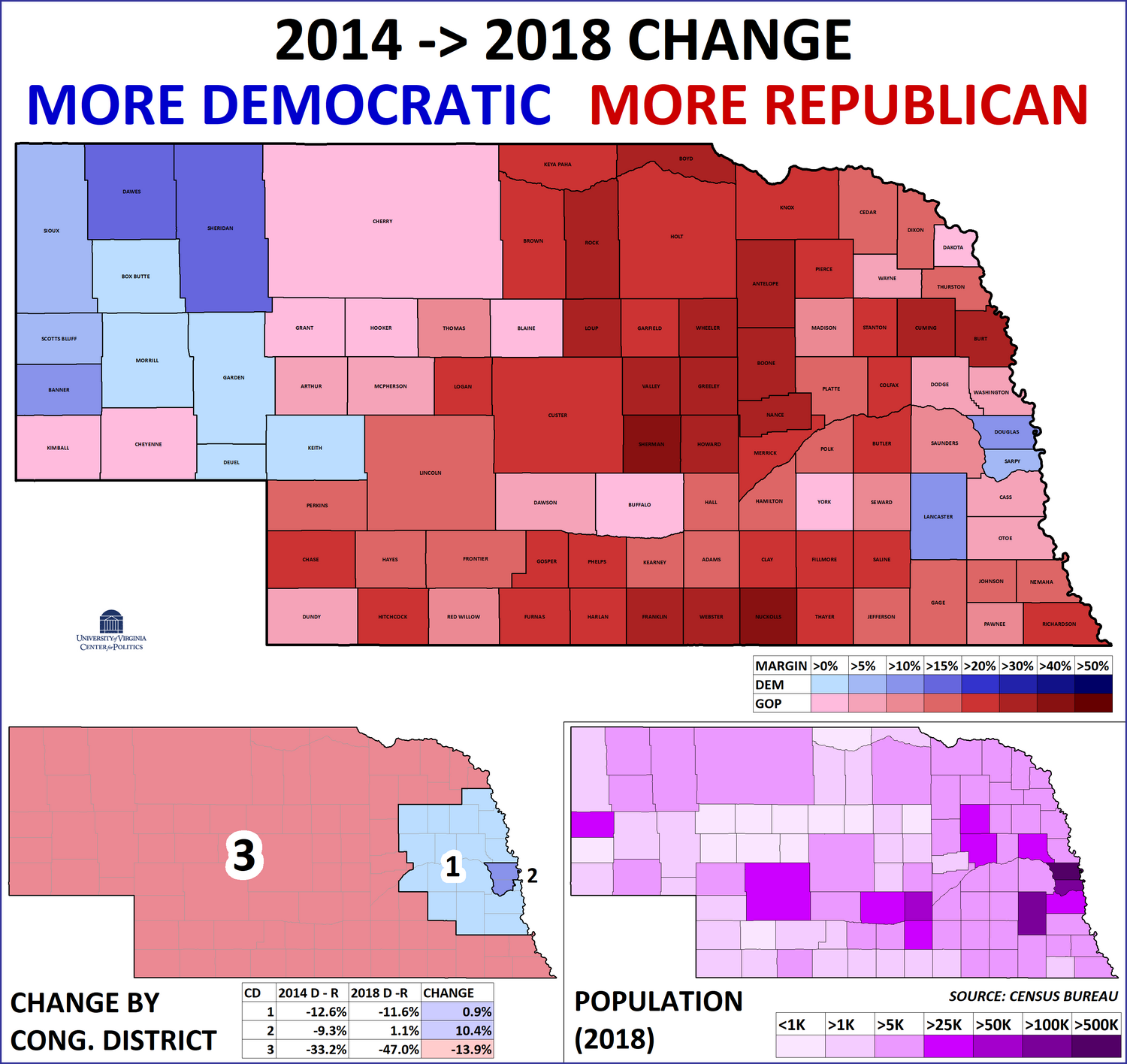
Under Nebraska‘s system, the candidate who wins the popular vote within each of the state’s three congressional districts receives one electoral vote for that district. For example, if a candidate wins the popular vote in Nebraska‘s 1st Congressional District, they secure one electoral vote. The same applies to the 2nd and 3rd Congressional Districts. This means that it is possible for a presidential candidate to win electoral votes from different districts within Nebraska, even if they do not win the overall statewide popular vote.
The At-Large Electoral Vote
In addition to the three electoral votes awarded by congressional district, Nebraska also awards two at-large electoral votes. These two votes are given to the candidate who wins the popular vote across the entire state of Nebraska. Therefore, a candidate must win both the statewide popular vote and at least two of the congressional districts to secure all five of Nebraska‘s electoral votes. This dual allocation system creates a complex strategic calculus for presidential campaigns targeting the state.
Historical Implications and Strategic Considerations
The district-based system in Nebraska has led to scenarios where electoral votes have been split. This has made Nebraska a potential target for campaigns, particularly in close national elections. Candidates may focus their resources on winning specific congressional districts, rather than solely on the statewide popular vote. This can lead to a more tailored campaign approach, with candidates addressing district-specific issues and engaging with voters in different parts of the state. For instance, a candidate might invest more heavily in campaigning in urban areas that tend to vote for one party, while also appealing to rural areas that lean towards the other, in an effort to capture individual district votes.
The Impact on Presidential Campaigns
The unique structure of Nebraska‘s Electoral College system has tangible effects on how presidential candidates campaign and allocate their resources. Instead of treating Nebraska as a monolithic bloc, campaigns must consider the distinct political landscapes of its congressional districts and the statewide sentiment. This can lead to a more nuanced and potentially more engaging electoral process for voters in the state.
Targeting Specific Districts
The prospect of winning individual congressional districts incentivizes campaigns to engage with voters on a more localized level. Candidates might visit specific towns or cities within a district to address particular concerns, hold rallies, or engage in town hall meetings. This micro-targeting can lead to a more focused and responsive campaign presence in areas that might otherwise be overlooked. For example, a candidate might visit Omaha to address urban issues while later campaigning in rural areas to discuss agricultural policies.
The Statewide Popular Vote Remains Crucial
While district-based victories are important, the two at-large electoral votes awarded to the statewide popular vote winner cannot be ignored. This means that while winning individual districts is a pathway to securing electoral votes, a candidate still needs to build broad support across the state to capture the remaining two votes. This dual objective creates a dynamic campaign environment where candidates must balance the pursuit of district-level victories with the broader goal of winning the overall state vote. The competition for these two at-large votes can often be fierce, especially if the statewide race is close.
Potential for Unexpected Outcomes
The district-based allocation opens up the possibility of a candidate winning Nebraska‘s electoral votes without winning the statewide popular vote. This has occurred in past elections and can lead to national discussions about the fairness and representativeness of the Electoral College system. While such outcomes are infrequent, they underscore the importance of understanding the specific rules that govern how electoral votes are cast in each state. This variability highlights the complex and often surprising nature of the American presidential election process.
Advantages and Criticisms of Nebraska’s System
Like any electoral system, Nebraska‘s method of allocating Electoral College votes has its proponents and detractors. Understanding these perspectives provides a more comprehensive view of its role in American democracy. The system’s design aims to foster broader engagement, but it also faces criticism for its potential to complicate national election outcomes.
Arguments for the District System
Supporters of Nebraska‘s district-based system often argue that it more accurately reflects the diverse political views within the state. By allowing for the allocation of votes based on individual congressional districts, it ensures that voters in districts that lean towards one party can still see their preferred candidate receive electoral representation, even if their party does not win the statewide vote. This can increase voter engagement and reduce the feeling of disenfranchisement in areas that might otherwise be considered safely in the minority statewide. It encourages campaigns to speak to a wider range of issues and constituencies.
Criticisms and Potential Downsides
Critics, however, point to the potential for a candidate to win Nebraska‘s electoral votes without winning the statewide popular vote. This can lead to situations where the national popular vote winner does not win the presidency, a scenario that many find undemocratic. Furthermore, the system can lead to increased campaigning by candidates in specific districts, potentially drawing attention away from other areas of the state or from broader national issues. Some also argue that it can lead to a fragmented campaign strategy, where national candidates focus on winning individual districts rather than on articulating a cohesive vision for the entire state.
The Broader Electoral College Debate
Nebraska‘s unique system often becomes a focal point in the larger national debate surrounding the Electoral College. Discussions about abolishing the Electoral College or reforming it frequently reference states like Nebraska and Maine as examples of alternative allocation methods. The ongoing conversation highlights the tension between the principle of direct popular democracy and the federalist structure of the United States, where states play a significant role in national governance. The future of the Electoral College, and thus systems like Nebraska‘s, remains a subject of ongoing political and academic discussion.
LifeOutOfTheBox is a participant in the Amazon Services LLC Associates Program, an affiliate advertising program designed to provide a means for sites to earn advertising fees by advertising and linking to Amazon.com. Amazon, the Amazon logo, AmazonSupply, and the AmazonSupply logo are trademarks of Amazon.com, Inc. or its affiliates. As an Amazon Associate we earn affiliate commissions from qualifying purchases.