
For any traveler considering a trip to the Sunshine State, understanding the duration and nuances of hurricane season in Florida is not just a detail—it’s a critical component of responsible and enjoyable travel planning. Florida, renowned for its pristine beaches, vibrant cities, and world-class attractions, experiences a distinct weather pattern each year that can significantly influence a vacation experience. The official hurricane season spans a significant portion of the year, bringing with it both potential challenges and unique opportunities for those who plan accordingly. This guide will delve into the specifics of Florida’s hurricane season, its impact on various aspects of travel, and practical advice to ensure your trip remains memorable for all the right reasons. Whether you’re dreaming of Disney magic in Orlando, the vibrant nightlife of Miami, or the tranquil shores of the Gulf Coast, being informed is your first step toward a seamless journey.
Understanding Florida’s Hurricane Season Calendar
The official designation of hurricane season in the Atlantic Ocean basin, which directly impacts Florida, is a calendar fixture that all prospective visitors should be aware of. This period is marked by an increased likelihood of tropical depressions, tropical storms, and hurricanes forming and potentially making landfall, bringing with them a range of weather conditions from heavy rains to strong winds.
The Official Dates: June 1st to November 30th
Every year, the hurricane season officially begins on June 1st and concludes on November 30th. This six-month window is a standardized period during which atmospheric and oceanic conditions are most conducive to the formation and intensification of tropical cyclones. These dates are established by meteorological organizations based on historical data and climate patterns, signaling the timeframe when Florida and other coastal regions in the Atlantic Ocean and Gulf of Mexico are most vulnerable. For travelers, these dates serve as a crucial benchmark, indicating that any plans falling within this period should include extra considerations for weather preparedness and flexibility. It doesn’t mean a hurricane will definitely strike, but rather that the potential exists, requiring a proactive approach to travel arrangements.
Peak Season: August, September, and October
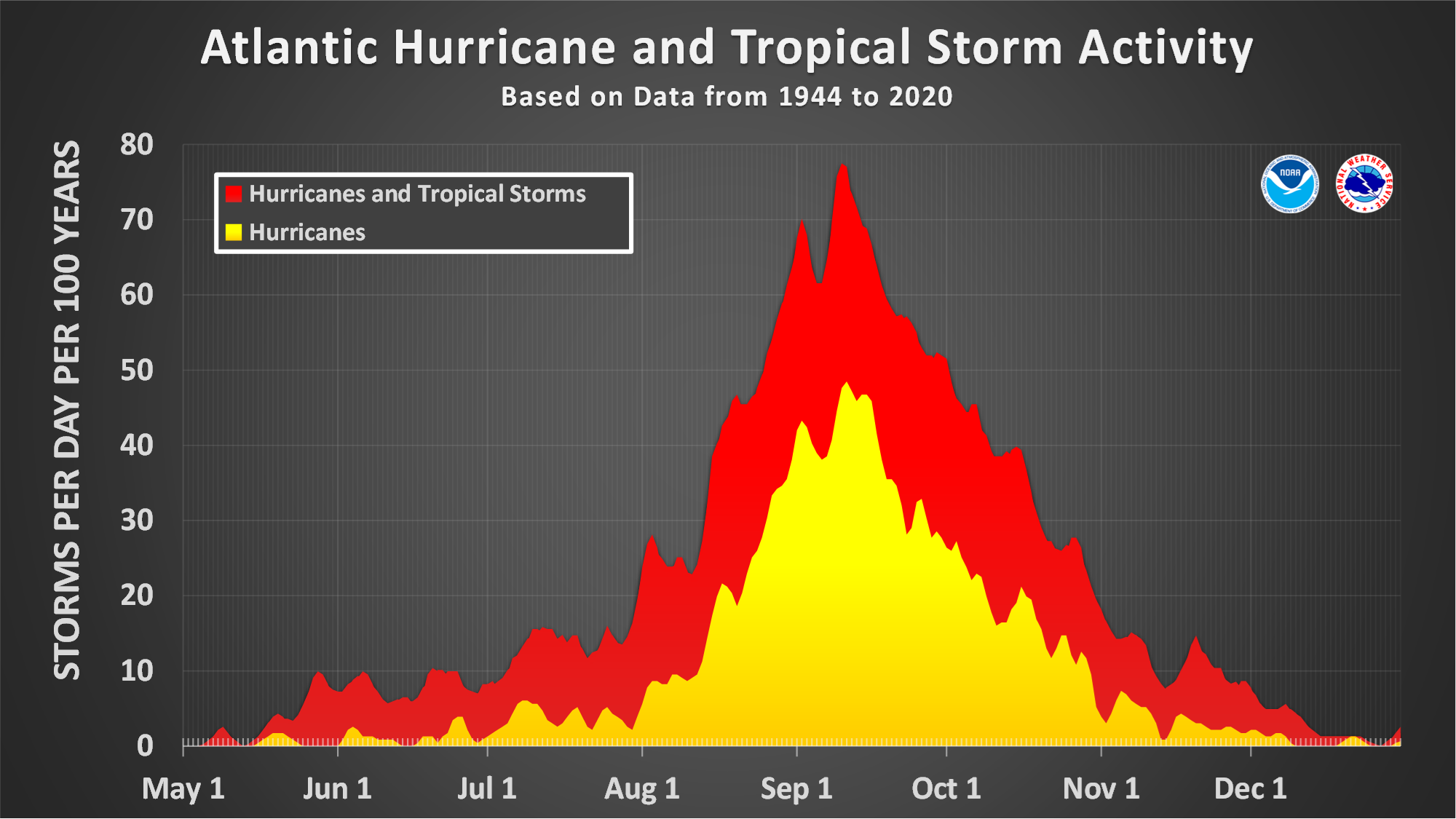
While the entire six-month period carries the potential for tropical activity, statistics show a pronounced peak in hurricane formation and intensity during the months of August, September, and October. Historically, these three months account for the vast majority of significant hurricane events. During this peak, the sea surface temperatures in the Atlantic Ocean, Gulf of Mexico, and Caribbean Sea are at their warmest, providing the necessary fuel for storm development. Additionally, atmospheric conditions, such as reduced wind shear, become more favorable. Travelers planning trips during these months should be particularly vigilant. While the chances of a direct hit are still relatively low for any specific location on any given day, the risk of encountering tropical weather, including heavy rain, strong winds, and rough seas, is significantly higher. This period also coincides with some popular travel times, making informed planning even more essential.
Early and Late Season Considerations
The bookends of hurricane season, June and July (early season) and November (late season), typically present a different risk profile compared to the peak months.
- June and July: The early part of the season can see tropical activity, but storms are often less intense and tend to form closer to the United States mainland or in the Gulf of Mexico. While tropical storms and hurricanes can and do occur, strong, long-track Atlantic Ocean hurricanes are less common in these months. The primary concern might be localized heavy rainfall and potential flooding rather than widespread devastation.
- November: As the season draws to a close, tropical activity generally wanes. Cooler water temperatures and changing atmospheric patterns make conditions less favorable for storm formation. However, late-season storms can still develop and pose a threat. These storms can sometimes be unpredictable, and while less frequent, they should not be entirely dismissed. Traveling in early June or late November often offers the benefit of fewer crowds and pleasant weather, but it still requires an awareness of the ongoing hurricane season.
Impact on Travel Planning and Experiences
Traveling to Florida during hurricane season presents a unique set of considerations that can significantly influence your trip. From potential cost savings to the necessity of a contingency plan, understanding these impacts is key to a stress-free vacation.
Pros and Cons of Traveling During Hurricane Season
Opting to visit Florida within the hurricane season window carries both advantages and disadvantages for the savvy traveler.
- Pros: One of the most significant benefits is the potential for lower travel costs. Airfare, hotel rates, and even attraction tickets can be considerably cheaper outside of the peak winter and spring break seasons. Resorts and popular destinations might offer attractive packages and discounts to entice visitors. Additionally, you’ll generally encounter fewer crowds at major attractions, theme parks, and beaches, leading to a more relaxed and enjoyable experience. The weather, outside of storm activity, can still be very pleasant with warm temperatures, and the state often appears lush and green after summer rains.
- Cons: The primary drawback is the risk of weather-related disruptions. This can range from daily afternoon thunderstorms that impact outdoor activities to more severe events like tropical storms or hurricanes that can cause flight cancellations, road closures, and even necessitate evacuations. Such events can lead to significant inconvenience, financial losses if not properly insured, and the possibility of your vacation being cut short or entirely ruined. The unpredictable nature of these weather systems means you must be prepared for potential changes to your itinerary.
Flexibility and Travel Insurance: Your Best Allies
For anyone traveling to Florida during hurricane season, flexibility and comprehensive travel insurance are not merely options but essential components of your travel toolkit.
- Flexibility: Opt for flexible booking options for flights and accommodations if available. Many airlines and hotels offer waivers or easy rebooking policies during hurricane threats, but these are often specific to declared emergencies. Having the option to change dates or destinations without penalty can be invaluable. Consider booking refundable hotels or choosing accommodations with clear cancellation policies.
- Travel Insurance: Investing in a robust travel insurance policy is paramount. Ensure your policy explicitly covers weather-related disruptions, trip cancellations due to hurricanes, and emergency medical expenses. Read the fine print carefully, paying attention to deadlines (e.g., some policies require purchase before a storm is named) and coverage limits. Standard travel insurance typically covers unforeseen events, but some specialized policies might offer “Cancel For Any Reason” (CFAR) coverage, providing the ultimate flexibility, albeit at a higher premium. This could be particularly useful if you decide to cancel your trip due to general hurricane season anxiety rather than an official storm warning.
Staying Informed While in Florida
Once you arrive in Florida during hurricane season, active vigilance is your best defense against unexpected weather events.
- Monitor Official Sources: Regularly check updates from reliable sources like the National Hurricane Center (NHC), the National Oceanic and Atmospheric Administration (NOAA), and local news channels. These organizations provide accurate, up-to-the-minute information on storm paths, intensity, and potential impacts.
- Sign Up for Alerts: Many Florida counties and emergency management agencies offer opt-in alert systems that send notifications directly to your phone. Check with your specific destination’s emergency services for subscription options.
- Communicate with Accommodation: Stay in regular contact with your hotel or resort. They will be your primary source of local information, emergency procedures, and potential evacuation instructions. They often have established protocols for guest safety during severe weather.
- Have a Communication Plan: Ensure your family or travel companions know how to reach each other in case of separation or communication outages. Have important phone numbers written down, not just stored on your phone.
Navigating Florida During Hurricane Season: Practical Tips
Even with the potential for adverse weather, a trip to Florida during hurricane season can be incredibly rewarding with the right preparation and mindset. These practical tips are designed to help you make the most of your visit while prioritizing safety.
Choosing Your Destination Wisely
While all of Florida is susceptible to hurricanes, some areas might offer slightly different risk profiles or types of experiences during storm season.
- Inland Destinations: Cities like Orlando, home to world-famous theme parks, tend to be less directly impacted by storm surges than coastal areas. While they can still experience heavy rains and strong winds, the immediate dangers of coastal flooding are reduced. Theme parks also have robust emergency procedures and often provide alternative indoor entertainment during inclement weather.
- Coastal Considerations: Popular coastal destinations such as Miami, Tampa, St. Petersburg, and Key West are more vulnerable to storm surge, high winds, and coastal erosion. If you plan to visit these areas, ensure your accommodation is built to modern hurricane standards and has a clear evacuation plan. Consider locations slightly further inland from the immediate coastline.
- Northern vs. Southern Florida: Generally, tropical systems tend to track more frequently towards South Florida and the Gulf of Mexico, but North Florida cities like Jacksonville are by no means immune. Understanding general storm trajectories can help, but localized conditions are always the most critical factor. The key is to remember that no part of Florida is entirely “safe” from a hurricane, but being inland can mitigate some risks.
Preparing for the Unexpected: Essential Traveler Checklist
Being prepared means having a few key items and plans ready, just in case.
- Emergency Kit Basics: Pack a small, easily accessible bag with essentials. This should include copies of important documents (ID, passport, insurance policies), prescription medications, a first-aid kit, a portable phone charger/power bank, a flashlight, and some non-perishable snacks and water.
- Rain Gear and Appropriate Clothing: Regardless of hurricane threats, summer in Florida means frequent, often heavy, afternoon thunderstorms. Pack a good quality rain jacket, waterproof shoes, and quick-drying clothes.
- Communication Plan: Discuss with your travel companions what you would do if cell service goes out or you get separated. Establish a meeting point and a way to communicate (e.g., checking in via social media if Wi-Fi is available).
- Cash: In the event of power outages, ATMs and credit card machines may not work. Have a supply of small bills for emergencies.
- Full Tank of Gas: If renting a car, keep the fuel tank topped up, especially if a storm is approaching, as gas stations can become crowded or run out of fuel during emergencies.
Enjoying Florida Safely: Alternative Activities
Should tropical weather disrupt your plans for beach days or outdoor adventures, Florida offers a wealth of indoor activities to keep your vacation vibrant.
- Museums and Cultural Attractions: Explore the fantastic museums in cities like Miami (e.g., Pérez Art Museum Miami), St. Petersburg (The Dalí Museum), Orlando (Orlando Science Center), or Jacksonville (Cummer Museum of Art & Gardens). Many offer engaging exhibits for all ages.
- Indoor Entertainment: Theme parks in Orlando have numerous indoor rides, shows, and dining experiences. Beyond theme parks, consider aquariums (e.g., Florida Aquarium in Tampa), indoor shopping malls, bowling alleys, or movie theaters.
- Culinary Experiences: Florida’s food scene is diverse and delicious. Use rainy days to explore local restaurants, try new cuisines, or even take a cooking class.
- Relaxation: Sometimes, a rainy day is an invitation to simply relax. Enjoy the amenities of your resort, read a book, or indulge in a spa treatment. A little downtime can be a welcome change of pace.
Post-Hurricane Season: What to Expect in December and Beyond
As November draws to a close, Florida transitions out of hurricane season and into what many consider the state’s most idyllic travel period. Understanding this shift can help travelers decide when best to plan their Florida getaway.
Transition to Peak Tourist Season
December marks the unofficial start of Florida’s incredibly popular peak tourist season, which extends through spring. With the official end of hurricane season on November 30th, the meteorological risks associated with tropical cyclones diminish significantly. The air begins to cool, humidity drops, and the daily afternoon thunderstorms of summer give way to drier, sunnier conditions. This creates a comfortable and predictable climate highly sought after by visitors escaping colder climates. The focus shifts from weather monitoring to enjoying outdoor activities without worry, making it an ideal time for beach vacations, theme park visits, and exploring Florida’s natural beauty.

Why Winter is Popular for Florida Travel
The period from December through April is exceptionally popular for Florida travel for several compelling reasons. The weather is arguably at its best:
- Mild Temperatures: Days are typically warm and pleasant, rarely excessively hot, and evenings are cool and comfortable, perfect for outdoor dining or strolls.
- Low Humidity: The oppressive humidity of summer largely dissipates, making activities much more enjoyable.
- Minimal Rain: While occasional fronts can bring rain, persistent daily downpours are rare.
- Festive Atmosphere: December brings holiday festivities, especially in places like Orlando and Miami, attracting families and couples. Later months offer spring break excitement and major events.
However, this popularity comes with a trade-off: higher prices for flights and accommodations, and significantly larger crowds at popular attractions. Despite the increased cost and bustle, many travelers prefer these months for the guarantee of more predictable and comfortable weather, free from the concerns of hurricane season.
In conclusion, Florida’s hurricane season officially runs from June 1st to November 30th, with peak activity in August, September, and October. While traveling during this period offers benefits like fewer crowds and potentially lower prices, it necessitates careful planning, robust travel insurance, and a commitment to staying informed. With the right preparation, a flexible attitude, and an awareness of available resources, a visit to Florida during hurricane season can still be a fantastic and rewarding travel experience. For those seeking guaranteed sunshine and minimal weather concerns, the period from December to May remains the most reliable choice, offering Florida at its most serene and inviting.
LifeOutOfTheBox is a participant in the Amazon Services LLC Associates Program, an affiliate advertising program designed to provide a means for sites to earn advertising fees by advertising and linking to Amazon.com. Amazon, the Amazon logo, AmazonSupply, and the AmazonSupply logo are trademarks of Amazon.com, Inc. or its affiliates. As an Amazon Associate we earn affiliate commissions from qualifying purchases.