
Understanding the current mortgage rate in California is a pivotal step for anyone considering purchasing a home or refinancing an existing mortgage in the Golden State. Mortgage rates are dynamic, influenced by a complex interplay of economic factors, Federal Reserve policy, and market conditions specific to the real estate sector. For prospective homeowners and investors, a slight fluctuation in interest rates can translate into significant differences in monthly payments and the overall cost of a loan over its lifetime. This guide delves into the current landscape of mortgage rates in California, exploring the factors that shape them and what they mean for your homeownership journey.

Factors Influencing California Mortgage Rates
The cost of borrowing money for a home purchase is not arbitrary; it’s a carefully calculated figure based on a variety of economic indicators and market forces. In California, these influences can be particularly pronounced due to the state’s unique economic profile and housing market dynamics.
The Federal Reserve and Monetary Policy
At the broadest level, the U.S. Federal Reserve plays a significant role in setting the general direction for interest rates. While the Fed doesn’t directly dictate mortgage rates, its actions, particularly its adjustments to the federal funds rate and its bond-buying programs (quantitative easing or tightening), have a ripple effect across the entire financial system. When the Fed raises its benchmark rates, it generally becomes more expensive for banks to borrow money, and this increased cost is often passed on to consumers in the form of higher mortgage rates. Conversely, when the Fed lowers rates or implements expansionary policies, mortgage rates tend to decrease, making homeownership more accessible. The Fed’s dual mandate of maximum employment and stable prices guides its decisions, which can lead to volatility in mortgage markets as economic data is released and interpreted.
Inflation and Economic Health
Inflation is a primary concern for lenders. When inflation rises, the purchasing power of money decreases. Lenders want to be compensated for this erosion of value. Consequently, higher inflation typically leads to higher mortgage rates as lenders seek to protect their returns. The overall health of the U.S. economy also plays a crucial role. A robust economy with strong job growth and consumer spending can lead to increased demand for housing, which can, in turn, push mortgage rates higher as lenders anticipate a strong market. Conversely, during economic downturns, rates may fall as lenders try to stimulate borrowing and economic activity.
The Bond Market
Mortgage rates are closely tied to the performance of the bond market, specifically the market for mortgage-backed securities (MBS). Investors who purchase MBS are essentially buying a stream of mortgage payments. The yield on these bonds influences the rates that lenders can offer to borrowers. When demand for MBS is high, yields tend to fall, and so do mortgage rates. Conversely, if investors become risk-averse and sell MBS, yields rise, pushing mortgage rates up. Major economic events, geopolitical shifts, and even statements from influential economic figures can cause significant movements in the bond market, directly impacting mortgage rates.
California-Specific Market Dynamics
Beyond national economic trends, California’s unique housing market exerts its own influence. The state is known for its high housing costs, robust economy in certain sectors (like technology in Silicon Valley and entertainment in Los Angeles), and significant population growth in desirable areas. High demand in sought-after California cities like San Francisco, San Diego, and Sacramento can create intense competition among buyers, potentially influencing lender pricing strategies. Furthermore, California has its own regulatory environment for real estate and lending, which can add another layer of complexity.
Lender Competition and Profit Margins
The competitive landscape among mortgage lenders also affects rates. In a highly competitive market, lenders may lower their profit margins to attract more business, resulting in lower rates for borrowers. Conversely, in less competitive markets, lenders may have more leverage to offer higher rates. The specific products offered by lenders, such as fixed-rate mortgages versus adjustable-rate mortgages (ARMs), also come with different risk profiles for lenders, which are reflected in their pricing.
Understanding Mortgage Rate Types and Their Impact
When discussing mortgage rates, it’s crucial to distinguish between different types of loans and how their rates behave. The most common distinction is between fixed-rate and adjustable-rate mortgages.
Fixed-Rate Mortgages
A fixed-rate mortgage offers a consistent interest rate for the entire duration of the loan, typically 15 or 30 years. This predictability is a major advantage, as your principal and interest payment remains the same each month, making budgeting much simpler. The rate you lock in at the beginning of the loan is the rate you’ll have for years to come, regardless of whether market rates rise or fall. For many homeowners in California, particularly those with stable incomes, the security of a fixed payment is highly desirable, especially in a state known for its often volatile cost of living. The rate offered on a fixed-rate mortgage is generally a reflection of longer-term economic outlooks and bond market expectations.
Adjustable-Rate Mortgages (ARMs)
Adjustable-rate mortgages, or ARMs, have interest rates that are fixed for an initial period (e.g., 5, 7, or 10 years) and then adjust periodically based on a specific market index, plus a margin. ARMs typically offer a lower initial interest rate than comparable fixed-rate mortgages, making them attractive to buyers who plan to sell their home before the initial fixed period ends, or who anticipate their income to increase significantly. However, ARMs carry the risk that rates could rise significantly after the fixed period, leading to higher monthly payments. When considering an ARM in California, it’s vital to understand the index used, the margin, and any rate caps that limit how much the rate can increase at each adjustment period and over the life of the loan.
Conforming vs. Non-Conforming (Jumbo) Loans
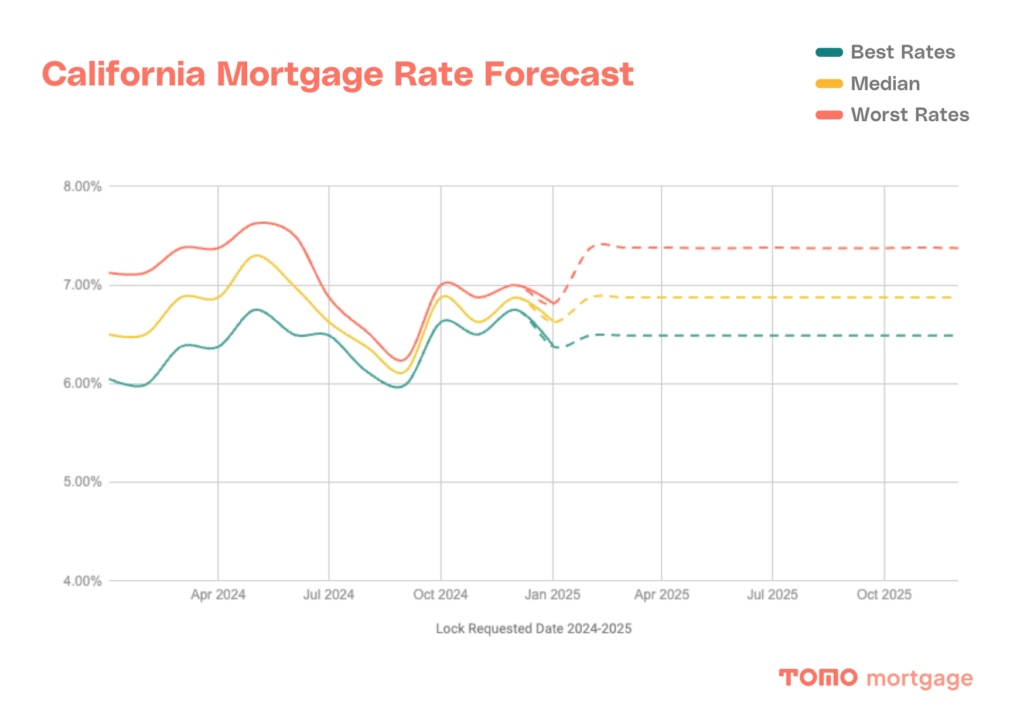
Mortgage loans in the United States are categorized based on loan limits set annually by the Federal Housing Finance Agency (FHFA). Conforming loans meet these limits and are eligible to be purchased by Fannie Mae and Freddie Mac, two government-sponsored enterprises. Non-conforming loans, often called jumbo loans, exceed these limits. Given the high property values in many parts of California, particularly in areas like Orange County or the San Francisco Bay Area, it’s common for borrowers to need jumbo loans. Jumbo loans often carry slightly different interest rates and underwriting requirements compared to conforming loans, as they are not backed by Fannie Mae or Freddie Mac and are held on the lender’s books or sold on the private secondary market.
Current Mortgage Rate Landscape in California
Pinpointing an exact “current mortgage rate” for California is challenging as rates fluctuate daily and vary based on individual borrower profiles and loan specifics. However, by observing national trends and considering California’s market context, one can develop an informed understanding.
National Trends and California’s Position
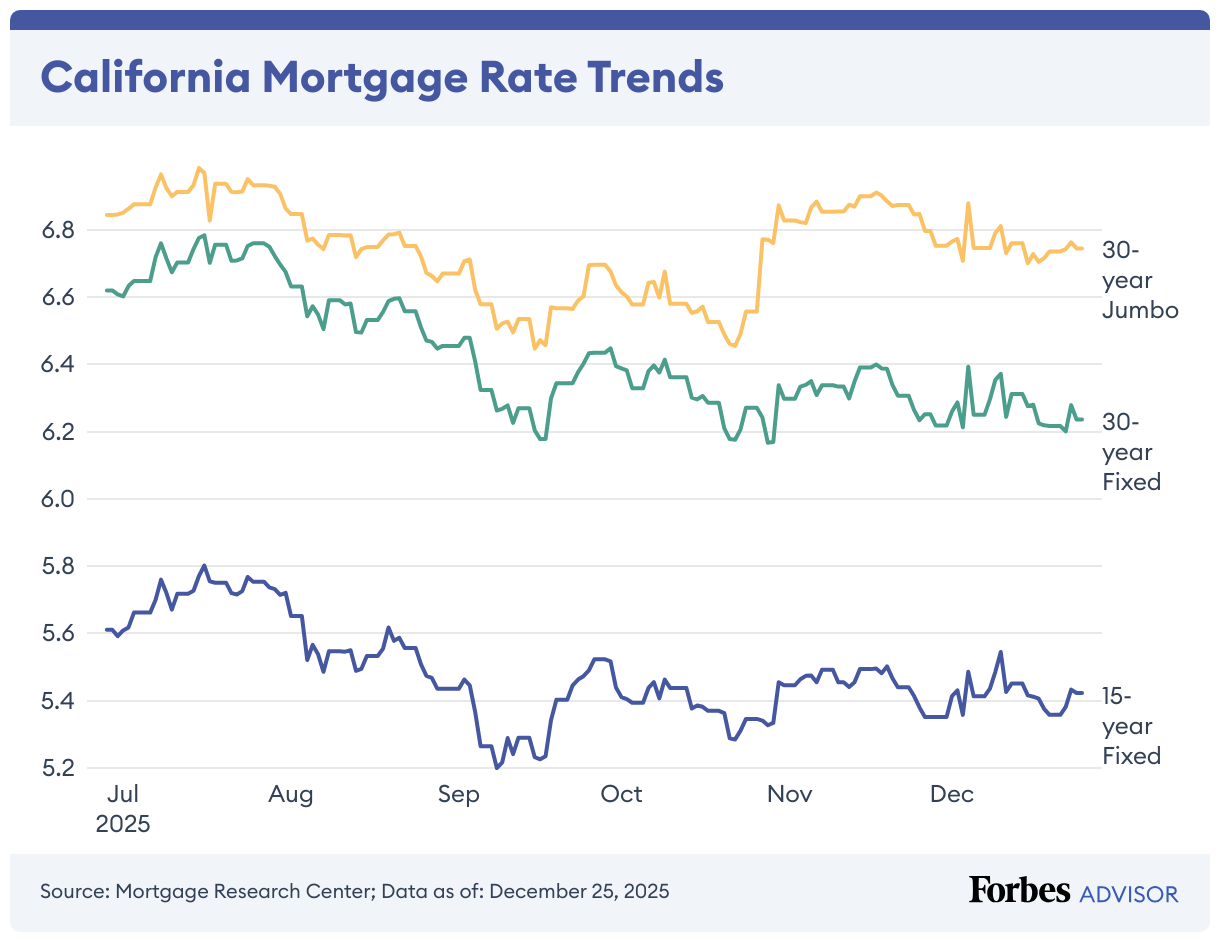
National mortgage rate averages, often reported by entities like Freddie Mac, provide a benchmark. These averages typically reflect rates for well-qualified borrowers with strong credit scores, a substantial down payment, and a clean financial history. California’s mortgage rates tend to track these national averages closely, but can sometimes be slightly higher or lower depending on supply and demand within the state’s real estate market. Factors like the availability of mortgage-backed securities originating from California and the state’s economic resilience can contribute to these nuances.
Impact of Credit Score and Down Payment
Your personal financial profile is a significant determinant of the specific rate you will be offered.
- Credit Score: Borrowers with higher credit scores (generally 740 and above) will qualify for the lowest advertised rates. A lower credit score can result in substantially higher interest rates, increasing your monthly payments and the total interest paid over the life of the loan. Lenders view a higher credit score as an indicator of lower risk.
- Down Payment: The size of your down payment also influences your rate. A larger down payment generally leads to a lower interest rate because it reduces the lender’s risk and the loan-to-value (LTV) ratio. A down payment of 20% or more often allows you to avoid private mortgage insurance (PMI), further reducing your housing costs.
Loan Term and Type
As discussed, the loan term (e.g., 30-year vs. 15-year fixed) and the loan type (fixed vs. ARM) will directly impact the quoted interest rate. Shorter loan terms and fixed-rate mortgages for the duration of the loan typically come with higher initial rates compared to ARMs, but offer more stability.
The Importance of Shopping Around
Given the multitude of factors influencing mortgage rates, it is imperative for borrowers in California to shop around and compare offers from multiple lenders. The difference in rates offered by even a quarter of a percentage point can amount to tens of thousands of dollars over the life of a 30-year mortgage. This includes exploring options from large national banks, regional banks, credit unions, and online lenders. Don’t hesitate to negotiate terms and ask lenders to match competitor offers.
Navigating the Current Market for Your California Home
Securing a mortgage in California requires a strategic approach, especially when navigating the complexities of current interest rates.
Pre-Approval: Your First Step
Before you start seriously house hunting, obtaining mortgage pre-approval is a critical step. This process involves a lender reviewing your financial information (income, assets, debts, credit history) to determine how much they are willing to lend you and at what approximate interest rate. Pre-approval not only gives you a clear budget but also makes your offer more attractive to sellers, as it demonstrates your seriousness and financial readiness. It’s advisable to get pre-approved with a few different lenders to compare initial rate quotes.
Lock In Your Rate Wisely
Once you have a loan estimate from a lender and are ready to proceed with a purchase or refinance, you’ll typically have the option to “lock in” your interest rate. This means the lender guarantees you a specific rate for a set period (usually 30 to 60 days) while your loan is being processed. The decision of when to lock can be challenging. If you believe rates will rise before your lock expires, locking in provides protection. If you anticipate rates might fall, you might choose to wait, but this carries the risk of rates increasing. Many lenders offer rate lock extensions for a fee, which can provide flexibility.
Refinancing Considerations
If you already own a home in California, current mortgage rates might present an opportunity to refinance your existing mortgage. Refinancing involves replacing your current loan with a new one, ideally with a lower interest rate or more favorable terms. This can lead to significant savings on your monthly payments and the total interest paid over time. To determine if refinancing is beneficial, you should calculate your break-even point – the time it will take for your monthly savings to recoup the closing costs associated with the refinance.
Conclusion
The current mortgage rate in California is a multifaceted figure influenced by a confluence of national economic forces, Federal Reserve policy, bond market activity, and the state’s own dynamic real estate market. For prospective homeowners and existing homeowners alike, staying informed about these factors and understanding how they impact individual loan offers is paramount. By diligently researching, comparing lenders, and understanding the nuances of different loan products, individuals can make informed decisions that align with their financial goals and help them achieve or maintain their dream of homeownership in the Golden State.
LifeOutOfTheBox is a participant in the Amazon Services LLC Associates Program, an affiliate advertising program designed to provide a means for sites to earn advertising fees by advertising and linking to Amazon.com. Amazon, the Amazon logo, AmazonSupply, and the AmazonSupply logo are trademarks of Amazon.com, Inc. or its affiliates. As an Amazon Associate we earn affiliate commissions from qualifying purchases.