
Understanding the duration of unemployment in Florida is a critical piece of information for a multitude of individuals, from those currently seeking employment to economists analyzing workforce trends, and even prospective residents considering a move to the Sunshine State. While the headline focuses on the length of unemployment spells, this data point is intrinsically linked to the broader economic health and opportunities available within Florida’s diverse landscape. For travelers, especially those considering extended stays or even relocation, understanding the job market and its stability can significantly influence their decision-making process.
Factors Influencing Unemployment Duration in Florida
The length of time an individual remains unemployed in Florida is not a static figure. It is influenced by a complex interplay of personal circumstances, industry-specific dynamics, and the overall economic climate of the state and the nation. Delving into these factors provides a more nuanced understanding beyond mere statistics.
Individual Circumstances and Skill Sets
At the most personal level, the duration of unemployment is heavily dependent on the individual’s qualifications, experience, and the specific skills they possess. In a robust economy like Florida’s, which boasts a diverse range of industries from tourism and hospitality to technology and healthcare, highly skilled professionals in in-demand fields often find re-employment more rapidly. Conversely, individuals with more specialized or outdated skill sets may face longer job searches. The willingness and ability to retrain or upskill can also play a significant role. For instance, a construction worker whose industry experiences a downturn might need to acquire new certifications or skills to transition into sectors like renewable energy or advanced manufacturing, which are also growing in Florida.
Industry and Sector Performance
The economic health of specific industries within Florida directly impacts the average length of unemployment. Sectors that are experiencing growth tend to absorb displaced workers more quickly. For example, the thriving tourism and hospitality industry, particularly in areas like Orlando and Miami, often provides numerous entry-level and skilled positions. However, these sectors can also be susceptible to seasonal fluctuations and economic downturns, potentially leading to periods of increased unemployment.
Conversely, emerging industries such as aerospace in Space Coast, cybersecurity in the Tampa Bay area, and biotechnology across the state, offer opportunities for skilled workers. Understanding which sectors are expanding and which are contracting is vital for job seekers. A robust job market with a high demand for labor generally correlates with shorter unemployment durations.
Economic Cycles and Recessions
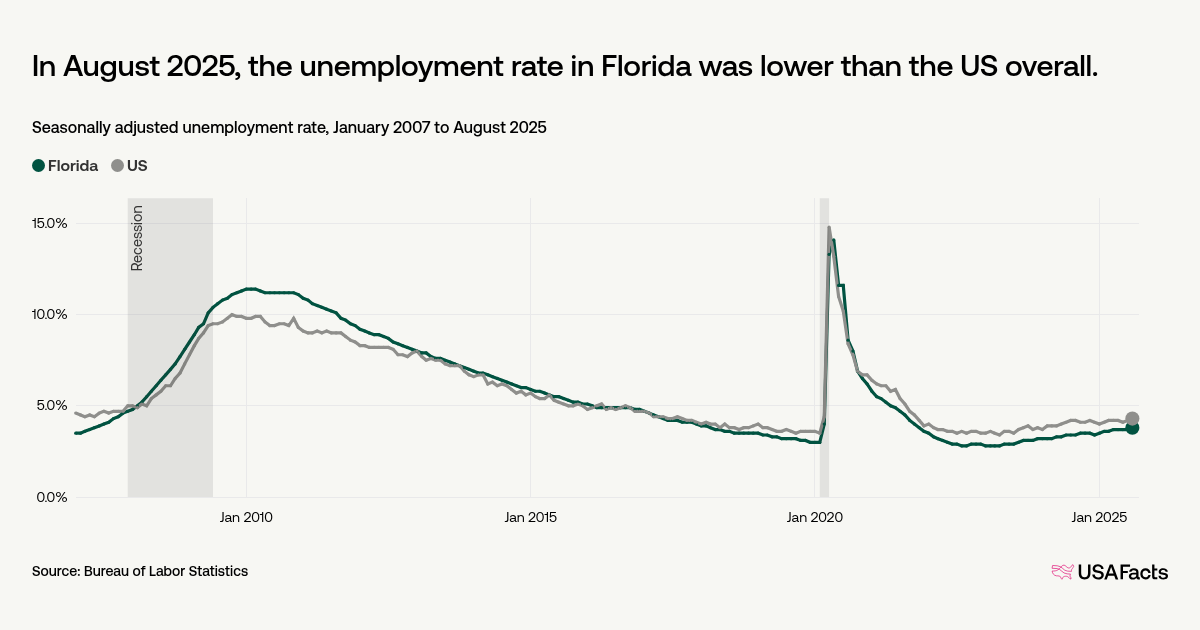
Like any economy, Florida is subject to broader economic cycles. During periods of economic expansion, job creation typically outpaces job losses, leading to lower unemployment rates and shorter durations of unemployment. Conversely, during economic downturns or recessions, businesses may implement hiring freezes, layoffs, or even closures, leading to increased unemployment and longer periods without work. The impact of national and global economic events can also be felt acutely in Florida’s export-oriented industries and its significant tourism sector.
Policy and Support Systems
Government policies and the availability of unemployment benefits and job training programs also influence the duration of unemployment. Effective unemployment insurance systems provide a financial safety net, allowing individuals to search for suitable employment without facing immediate financial hardship. Job placement services, career counseling, and publicly funded training initiatives can equip individuals with the necessary skills and connections to re-enter the workforce more efficiently. The effectiveness and accessibility of these resources can significantly shorten unemployment spells.
Average Unemployment Duration in Florida: Trends and Data
While pinpointing an exact, universal number for how long unemployment lasts in Florida is challenging due to the dynamic nature of the job market, we can examine available data and trends to gain an informed perspective. Official statistics from agencies like the Florida Department of Economic Opportunity (now FloridaCommerce) provide insights into average durations, though these figures can fluctuate based on the reporting period and prevailing economic conditions.
Current Unemployment Statistics
The most up-to-date figures on unemployment duration are typically released by state labor departments. These reports often differentiate between short-term unemployment (e.g., less than 5 weeks) and long-term unemployment (e.g., 15 weeks or more). Generally, a healthy economy sees a higher proportion of short-term unemployment, indicating that individuals are finding new roles relatively quickly. A rise in long-term unemployment can be a signal of underlying economic challenges or structural issues in the labor market.
For instance, during periods of economic growth, the average duration of unemployment might hover in the range of a few weeks to a couple of months. However, during economic contractions, this average can extend significantly. It’s important to consult the latest reports from FloridaCommerce for the most accurate and current average unemployment duration. These reports often break down data by age, gender, race, and industry, providing a granular view of the labor market.
Long-Term Unemployment in Florida
Long-term unemployment, typically defined as being jobless for 27 weeks or more, is a key indicator of labor market health. A persistent high rate of long-term unemployment can suggest that job seekers are facing significant barriers to re-employment, such as a mismatch between their skills and available jobs, prolonged industry downturns, or a general lack of sufficient job openings.
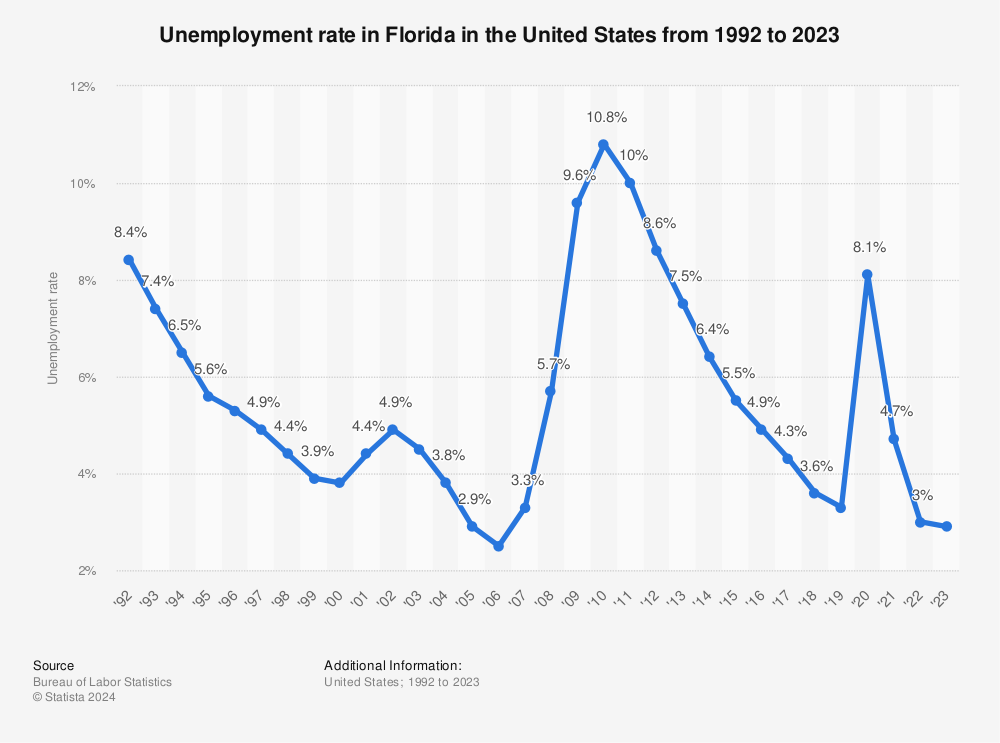
Florida has historically seen periods where long-term unemployment has been a concern, particularly in the wake of economic downturns like the Great Recession. Addressing long-term unemployment often requires targeted interventions, including extended retraining programs, enhanced career counseling, and initiatives to stimulate job creation in affected sectors. For individuals experiencing long-term unemployment, a proactive approach to skill development and networking is crucial.
Seasonal Variations
It’s also worth noting that Florida’s economy, especially its tourism and agriculture sectors, can experience seasonal variations. This can lead to temporary increases in unemployment during off-peak seasons, though these periods are often characterized by a return to employment when the season picks up. Understanding these cyclical patterns can provide context for short-term fluctuations in unemployment duration. For example, a seasonal worker in the hospitality industry in Key West might experience unemployment during the summer months but find re-employment as the tourist season resumes in the fall.
Navigating Unemployment in Florida: Tips for Job Seekers
For individuals navigating the unemployment landscape in Florida, understanding the duration of unemployment is one aspect; actively working to shorten that duration is another. A strategic and proactive approach can significantly improve the chances of finding suitable employment.
Leveraging State Resources
Florida offers a variety of resources designed to assist job seekers. The FloridaCommerce website is a central hub for employment services, including job listings, career counseling, and information on unemployment benefits. Utilizing these services can provide access to valuable tools and support.
Skill Development and Training
In a rapidly evolving job market, continuous learning is key. If your current skill set is not in high demand, consider pursuing training or certification in growing industries. Many community colleges and vocational schools across Florida, such as Valencia College or Miami Dade College, offer affordable programs designed to equip individuals with in-demand skills. Online learning platforms also provide flexible options for upskilling.
Networking and Job Search Strategies
Effective networking can open doors to opportunities that may not be advertised publicly. Attend industry events, connect with professionals on platforms like LinkedIn, and inform your personal network about your job search. Tailor your resume and cover letter to each specific job application, highlighting how your skills and experience align with the employer’s needs. Consider exploring diverse geographical areas within Florida that may have a higher concentration of job openings in your field, such as the burgeoning tech hubs in Tampa or the financial services sector in Jacksonville.
Understanding Your Rights and Benefits
Familiarize yourself with the requirements for receiving unemployment benefits in Florida, including eligibility criteria and reporting obligations. Ensuring you meet these requirements will provide a crucial financial buffer during your job search. Additionally, understanding your rights as a job applicant and employee is essential.
The Broader Economic Context for Travelers and New Residents
For those considering Florida as a travel destination or a place to relocate, understanding the state’s unemployment landscape provides a valuable lens through which to view its economic vitality. A lower average unemployment duration generally signifies a strong and dynamic economy, characterized by ample job opportunities and a healthy business environment. This can translate into a more robust tourism sector, with more disposable income among residents, leading to greater spending at attractions, restaurants, and hotels.
Economic Indicators and Lifestyle Choices
When planning a trip to Florida, particularly for extended stays, or when considering a move, understanding the local job market can offer clues about the cost of living, potential for career growth, and overall economic stability. Areas with strong job markets often experience more vibrant local economies, supporting a wider array of cultural activities, dining experiences, and entertainment options.
For instance, a job seeker considering a move to Florida might research the unemployment duration in different metropolitan areas like Fort Lauderdale or Tallahassee to gauge the ease with which they might find employment in their chosen field. This research, combined with an understanding of the cost of living and quality of life, forms a comprehensive picture for informed decision-making.
Impact on Tourism and Hospitality
The duration of unemployment has a direct correlation with the health of the tourism and hospitality sectors, which are cornerstones of the Florida economy. When unemployment is low and durations are short, it suggests a strong demand for labor, which often translates to a robust tourism industry. This means more open businesses, better service levels, and potentially more disposable income for locals to patronize tourist attractions and amenities. Conversely, prolonged high unemployment can signal economic weakness that might impact visitor experiences and local business vitality.

Conclusion
The question of “How Long Is Unemployment In Florida?” is multifaceted, touching upon individual circumstances, industry dynamics, economic cycles, and policy influences. While specific figures fluctuate, understanding the underlying factors provides a comprehensive view of the state’s labor market. For job seekers, knowledge of these dynamics, coupled with proactive utilization of available resources and a commitment to skill development, can significantly shorten unemployment spells. For travelers and potential residents, this understanding offers valuable insight into the economic vitality and lifestyle opportunities Florida has to offer. A dynamic job market, reflected in shorter average unemployment durations, generally correlates with a thriving economy that benefits everyone, from local businesses to visitors exploring the sunshine state.
LifeOutOfTheBox is a participant in the Amazon Services LLC Associates Program, an affiliate advertising program designed to provide a means for sites to earn advertising fees by advertising and linking to Amazon.com. Amazon, the Amazon logo, AmazonSupply, and the AmazonSupply logo are trademarks of Amazon.com, Inc. or its affiliates. As an Amazon Associate we earn affiliate commissions from qualifying purchases.