
Understanding Oregon’s Time Zones: A Traveler’s Essential
Navigating the temporal landscape of any destination is a fundamental aspect of planning a successful trip. For travelers heading to the Beaver State, understanding “What time is Oregon now?” is more than just a fleeting question; it’s a crucial piece of information that impacts everything from flight arrivals and tour bookings to dinner reservations and simply experiencing the local rhythm of life. Oregon, like much of the contiguous United States, observes standard time zones, but its specific application, especially concerning daylight saving, can be a point of minor confusion for those unfamiliar with its nuances. This guide aims to demystify Oregon’s time zones, providing clarity for every visitor.

The Pacific Time Zone: Oregon’s Temporal Anchor
The vast majority of the state of Oregon falls under the Pacific Time Zone (PT). This time zone is characterized by its geographical location on the western edge of North America. For much of the year, Oregon observes Pacific Standard Time (PST), which is UTC-8. This means it is three hours behind Coordinated Universal Time (UTC).
However, the crucial element that influences the “now” in Oregon’s time is the observance of Daylight Saving Time (DST). Like most of the United States, Oregon switches to Pacific Daylight Time (PDT) during the warmer months. This shift typically occurs on the second Sunday in March, when clocks are moved forward by one hour, making PDT UTC-7. The switch back to PST usually happens on the first Sunday in November.
Why Time Zones Matter for Your Oregon Adventure
The distinction between PST and PDT might seem trivial, but its impact on travel plans can be significant.
- Flight and Transportation Schedules: Airlines and other transportation providers operate strictly on published times. Knowing whether you are in PST or PDT ensures you arrive at airports or train stations on time and don’t miss your connections. A simple one-hour difference can mean the difference between catching your flight or being left behind.
- Tour and Activity Bookings: Many of Oregon’s incredible tours, whether it’s exploring the rugged Oregon Coast, venturing into the Columbia River Gorge, or visiting Crater Lake National Park, operate on specific schedules. Confirming the local time before your activity will prevent any misunderstandings and ensure you’re ready for your adventure.
- Business and Communication: If your visit involves any business dealings or communication with individuals or companies in other time zones, understanding Oregon’s current time is paramount. Coordinating meetings, conference calls, or even casual check-ins requires temporal precision.
- Sunrise and Sunset: The shift to daylight saving time directly impacts the hours of daylight you experience. During PDT, evenings are lighter, which is fantastic for enjoying outdoor activities like hiking in the Willamette Valley or exploring the vibrant city of Portland after dinner. Conversely, during PST, mornings are lighter, which might be preferable for early morning excursions to witness wildlife or catch the sunrise over the Cascade Mountains.
- Jet Lag and Acclimatization: When traveling across significant time differences, understanding the local time is the first step in adjusting to a new rhythm. For those arriving from the East Coast of the United States, the three-hour difference can be noticeable. Being aware of the local time from the moment you land helps your body begin its adjustment process more effectively.
Navigating Oregon’s Specific Geographic Nuances
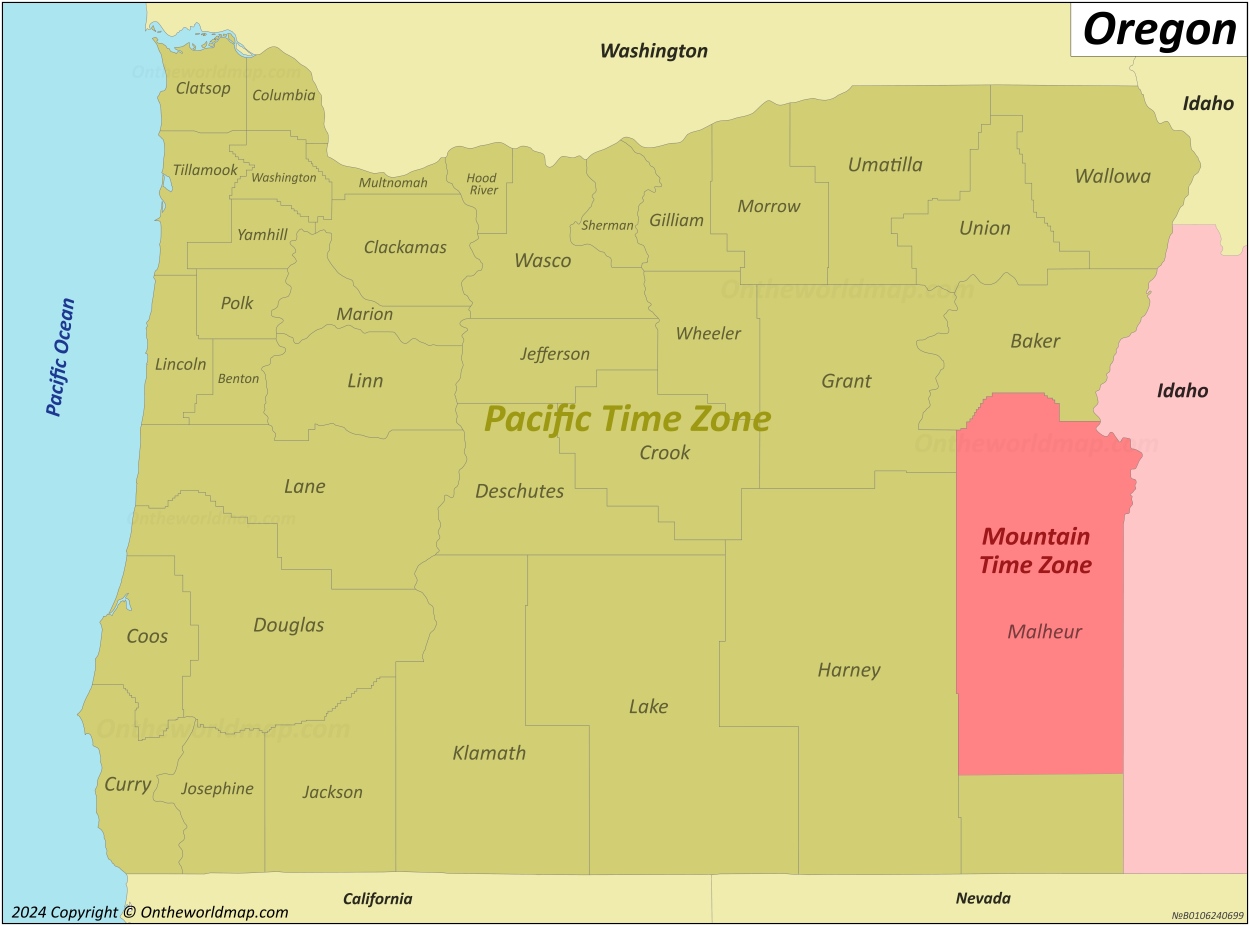
While the overwhelming majority of Oregon adheres to the Pacific Time Zone, it’s worth noting that a very small portion of the state, specifically a few counties in the eastern part, technically fall into the Mountain Time Zone. However, for practical travel purposes and due to historical and economic ties, these areas generally align their clocks with Pacific Time for daily life and business. Therefore, for any traveler interacting with the general public, businesses, or official services in Oregon, assuming Pacific Time is the standard and correct approach.
Historical Context of Time Zones in Oregon
The establishment and evolution of time zones in the United States, including Oregon, are rooted in the development of the railroad system. Before standardized time, each town and city often operated on its own local solar time, leading to considerable chaos for scheduling long-distance travel. The Standard Time Act of 1918, and subsequent legislation, officially divided the country into time zones, aiming to bring order and efficiency to transportation and communication.
Oregon’s adoption of these zones was a significant step in integrating the state into the national network. The debates around adopting daylight saving time, however, have seen varying opinions and legislative actions over the years, reflecting a national discourse on its benefits and drawbacks. While the federal government mandates DST, individual states have had some latitude, though Oregon has consistently followed the federal standard for DST.
Planning Your Oregon Itinerary with Time in Mind
When you’re dreaming of visiting the lush forests, dramatic coastline, or burgeoning culinary scene of Oregon, always anchor your planning to the local time.
- Booking Accommodation: Whether you’re looking at charming bed and breakfasts in Bend or luxury resorts along the coast, confirming check-in and check-out times is essential. Remembering that Oregon is on Pacific Time will prevent any last-minute rushes or awkward early arrivals.
- Exploring National and State Parks: Parks like Mount Hood National Forest or Silver Falls State Park have specific operating hours for visitor centers and sometimes even access roads. Being aware of the current time in Oregon ensures you can maximize your daylight hours for exploration.
- Experiencing Local Culture: From the farmers’ markets in Portland to the wineries of the Willamette Valley, understanding local operating hours is key. Many smaller establishments might open later or close earlier than you expect, especially if you’re coming from a time zone with longer business hours.
- Day Trips and Excursions: Planning a day trip from Portland to the coast, or from Eugene to the mountains, requires careful consideration of travel time and local operating hours at your destination. Always factor in the time zone.

Practical Tips for Travelers
To ensure your travel experience in Oregon is as smooth as possible, here are a few practical tips regarding time:
- Set Your Devices: Ensure your mobile phone, smartwatch, and any other electronic devices are set to automatically update time based on network location. Most modern devices will do this when you connect to a local network upon arrival.
- Double-Check Local Times: Before confirming any bookings or setting off for an activity, always do a quick search for “current time in Oregon” or your specific destination city. Websites like TimeandDate.com are excellent resources.
- Communicate Clearly: When speaking with Oregon businesses or contacts, explicitly state “Pacific Time” or “PT” when discussing meeting times to avoid any ambiguity.
- Be Mindful of DST Shifts: Pay close attention to the dates when daylight saving time begins and ends. A quick search for “Daylight Saving Time Oregon” will provide the exact dates for the current year. This is especially important if your trip spans these transition periods.
- Enjoy the Light: Whether it’s the long, light evenings of PDT for exploring the vibrant nightlife of Portland or the crisp, early mornings of PST for a scenic drive along the Oregon Coast, embrace the unique daylight patterns that come with each season.
Understanding “What time is Oregon now?” is a fundamental step in unlocking the full potential of your visit. By staying aware of the Pacific Time Zone and the effects of daylight saving, you can plan with confidence, avoid logistical headaches, and fully immerse yourself in the captivating experiences that Oregon has to offer, from the urban sophistication of Portland to the wild beauty of its natural landscapes.
LifeOutOfTheBox is a participant in the Amazon Services LLC Associates Program, an affiliate advertising program designed to provide a means for sites to earn advertising fees by advertising and linking to Amazon.com. Amazon, the Amazon logo, AmazonSupply, and the AmazonSupply logo are trademarks of Amazon.com, Inc. or its affiliates. As an Amazon Associate we earn affiliate commissions from qualifying purchases.