
When it comes to beloved comfort foods, few can rival the simple yet satisfying allure of Texas toast. Its thick, buttery, garlicky goodness makes it a perfect accompaniment to hearty meals or a delightful snack on its own. However, achieving that ideal balance of crispy exterior and tender interior hinges on one crucial factor: proper baking time. While it might seem straightforward, understanding the nuances of baking Texas toast can elevate it from merely good to absolutely phenomenal, a true testament to the simple pleasures of Texas cuisine.
This guide delves into the intricacies of baking Texas toast to perfection, considering various methods and common pitfalls. Whether you’re preparing it for a casual family dinner or a more elaborate gathering, mastering the baking process ensures a consistently delicious outcome. We’ll explore the factors influencing baking duration, from oven temperature and slice thickness to the desired level of crispiness.
The Fundamentals of Baking Texas Toast
At its core, Texas toast is essentially thick-cut bread, often white bread, generously coated with butter, garlic, and sometimes herbs, then baked until golden and toasted. The “Texas” in its name refers to the style of slicing and preparation, emphasizing a substantial cut that holds up well to its rich toppings. Unlike thinner garlic bread, Texas toast offers a more robust experience, a satisfying chew alongside the crispy edges.
The ideal baking time is not a fixed number but rather a range influenced by several variables. Understanding these variables is the first step towards achieving culinary excellence.
Oven Temperature: The Cornerstone of Crispness
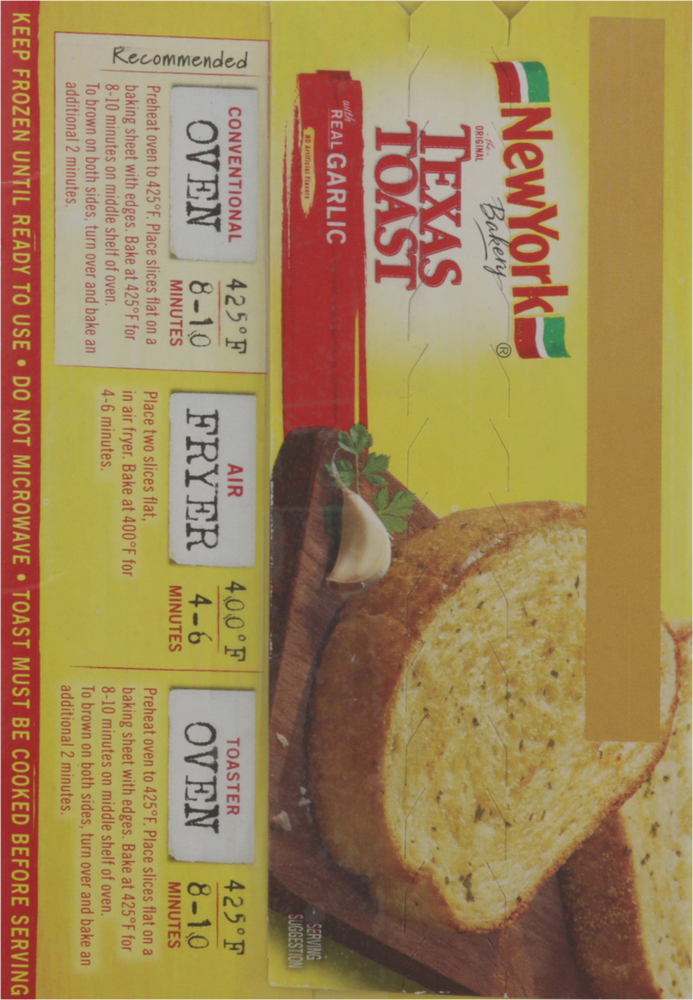
The temperature at which you bake your Texas toast plays a pivotal role in how quickly it cooks and how evenly it browns. Most recipes recommend a moderate to high oven temperature, typically between 375°F (190°C) and 425°F (220°C).
- Lower Temperatures (375°F/190°C): Baking at a slightly lower temperature will require a longer baking time, but it can result in a more even toasting throughout the entire slice. This is particularly useful if you’re concerned about the edges burning before the center is adequately warmed and toasted. It allows the butter to melt and soak in more thoroughly.
- Higher Temperatures (400°F-425°F/205°C-220°C): A hotter oven will expedite the toasting process. This is ideal if you’re short on time or prefer a crisper exterior with a softer interior. However, it demands closer monitoring to prevent over-browning or burning. The edges can become delightfully crispy, while the center remains slightly chewy.
It’s crucial to preheat your oven thoroughly. An oven that hasn’t reached the target temperature won’t cook the toast evenly, leading to a less desirable texture. Many home ovens also have hot spots, so rotating the baking sheet halfway through the cooking process is often beneficial.
Slice Thickness: A Key Determinant of Time
The defining characteristic of Texas toast is its thickness. Standard commercial Texas toast slices are usually around 1 inch thick. However, if you’re slicing your own bread, this dimension can vary.
- Standard 1-Inch Slices: For typical 1-inch thick slices, you can anticipate a baking time of approximately 8 to 12 minutes. This timeframe allows the butter to melt, the garlic flavor to infuse, and the bread to achieve a golden-brown hue and pleasant crispness.
- Thicker Slices: If your slices are closer to 1.5 inches or more, they will naturally require a longer baking period. The heat needs more time to penetrate the denser bread. You might be looking at 12 to 15 minutes, or even slightly longer. It’s essential to check for doneness rather than relying solely on a strict time.
- Thinner Slices: While not traditionally considered “Texas toast,” if you opt for thinner cuts (less than 0.75 inches), the baking time will be significantly reduced, likely around 5 to 7 minutes. These will crisp up much faster.
When slicing your own bread, a serrated knife works best for clean cuts without compressing the loaf. Using a high-quality, dense bread like a brioche or challah can also enhance the flavor and texture of your Texas toast.
Achieving the Perfect Texture: Crispness vs. Tenderness
The beauty of Texas toast lies in its textural contrast. A perfectly baked slice should have a satisfying crunch on the outside, giving way to a warm, slightly chewy, and buttery interior. Achieving this balance is where the art of baking comes into play.
Monitoring for Doneness: The Visual and Tactile Cues
The most reliable way to determine if your Texas toast is ready is through careful observation and touch, rather than strictly adhering to a timer.
- Visual Inspection: Look for a beautiful golden-brown color across the surface of the toast. The edges should appear well-toasted, and the butter should be visibly melted and slightly bubbling. Avoid pale or uneven browning, which indicates it needs more time. Conversely, watch out for excessively dark or burnt spots, which signal it’s overdone.
- Tactile Check: Gently press the center of a slice with a spatula or your finger (carefully, as it will be hot!). It should yield slightly but still feel firm. A very soft center might mean it needs a few more minutes. If it feels hard and brittle, it has likely been overbaked.
- The “Lift” Test: Carefully lift a slice with a spatula. The underside should also be golden brown, and the bread should feel firm enough to hold its shape.
Factors Affecting Baking Time Beyond Temperature and Thickness
Several other elements can subtly influence how long it takes to bake your Texas toast:
- Type of Bread: As mentioned, denser breads will take longer to bake than lighter, airier ones. Sourdough, for instance, might bake differently than a soft white bread.
- Moisture Content: If your bread is very fresh and moist, it might take slightly longer to toast. Stale or day-old bread often toasts more quickly.
- Butter Application: The amount of butter applied can affect browning. A very thick layer of butter might slow down the toasting slightly as it needs to melt and absorb. Ensure an even coating for consistent results.
- Oven Calibration: Ovens can vary significantly in their accuracy. If you suspect your oven runs hotter or cooler than indicated, consider using an oven thermometer to ensure you’re baking at the correct temperature.
Common Baking Scenarios and Timelines

Let’s break down some common scenarios to provide more concrete guidance, keeping in mind these are approximations.
Scenario 1: Classic Texas Toast with Garlic Butter (Broiler Method – Quickest)
For those seeking rapid gratification, the broiler can be an effective tool, though it requires constant vigilance.
- Preparation: Spread generously with garlic butter. Place on a baking sheet.
- Oven Setting: Broiler on high.
- Placement: Position the baking sheet about 6-8 inches below the broiler element.
- Baking Time: Watch very closely. This method typically takes 1 to 3 minutes per side. Flip the toast when the first side is golden brown. Rotate the pan if necessary for even browning.
- Ideal For: When you need Texas toast in a flash to accompany a meal.
- Caution: High risk of burning if not supervised.
Scenario 2: Perfectly Toasted Texas Toast in a Standard Oven
This is the most common and reliable method, offering a good balance of speed and control.
- Preparation: Spread generously with garlic butter. Place on a baking sheet.
- Oven Setting: Preheated to 400°F (205°C).
- Baking Time: Approximately 8 to 12 minutes.
- Process: Place the baking sheet in the preheated oven. After about 5-6 minutes, carefully flip the toast to toast the other side. Continue baking until both sides are golden brown and the center is heated through.
- Ideal For: Most everyday occasions, ensuring a consistent and delicious result.
Scenario 3: Crispy Exterior, Chewy Interior (Slightly Lower Temp)
If you prefer a more pronounced crispiness on the edges while maintaining a softer, more bread-like center, a slightly lower temperature for a bit longer can be effective.
- Preparation: Spread generously with garlic butter. Place on a baking sheet.
- Oven Setting: Preheated to 375°F (190°C).
- Baking Time: Approximately 10 to 15 minutes.
- Process: Bake for about 6-7 minutes, then flip. Continue baking until the desired crispness is achieved. This method allows more time for the butter to penetrate and the bread to toast thoroughly without becoming too hard.
- Ideal For: Those who enjoy a contrasting texture and want to ensure the bread is heated through without drying out.
Maximizing Flavor and Texture: Tips for Success
Beyond the fundamental baking times, a few extra steps can ensure your Texas toast is truly exceptional.
The Importance of Quality Ingredients
- Bread Choice: As discussed, a good quality, sturdy bread is essential. A dense white loaf, challah, or even a rustic Italian bread can be excellent choices. Avoid very light, airy breads that might become too soggy.
- Butter: Use real butter for the best flavor. Salted or unsalted is a matter of preference, but adjust seasoning accordingly.
- Garlic: Freshly minced garlic provides the most potent flavor. Garlic powder can be used in a pinch but offers a less complex taste.
Preparing Your Garlic Butter
A classic garlic butter spread is simple:
- 1/2 cup (1 stick) unsalted butter, softened
- 2-3 cloves garlic, minced
- 1 tablespoon chopped fresh parsley (optional)
- Pinch of salt and black pepper
Combine all ingredients and spread evenly over the top of each slice of Texas toast. Ensure the butter reaches the edges for consistent toasting and flavor distribution.
Baking Sheet Preparation
While not strictly necessary for Texas toast due to the butter, lining your baking sheet with parchment paper can make cleanup easier, especially if any butter melts and drips. A standard baking sheet is sufficient.
Serving Your Texas Toast
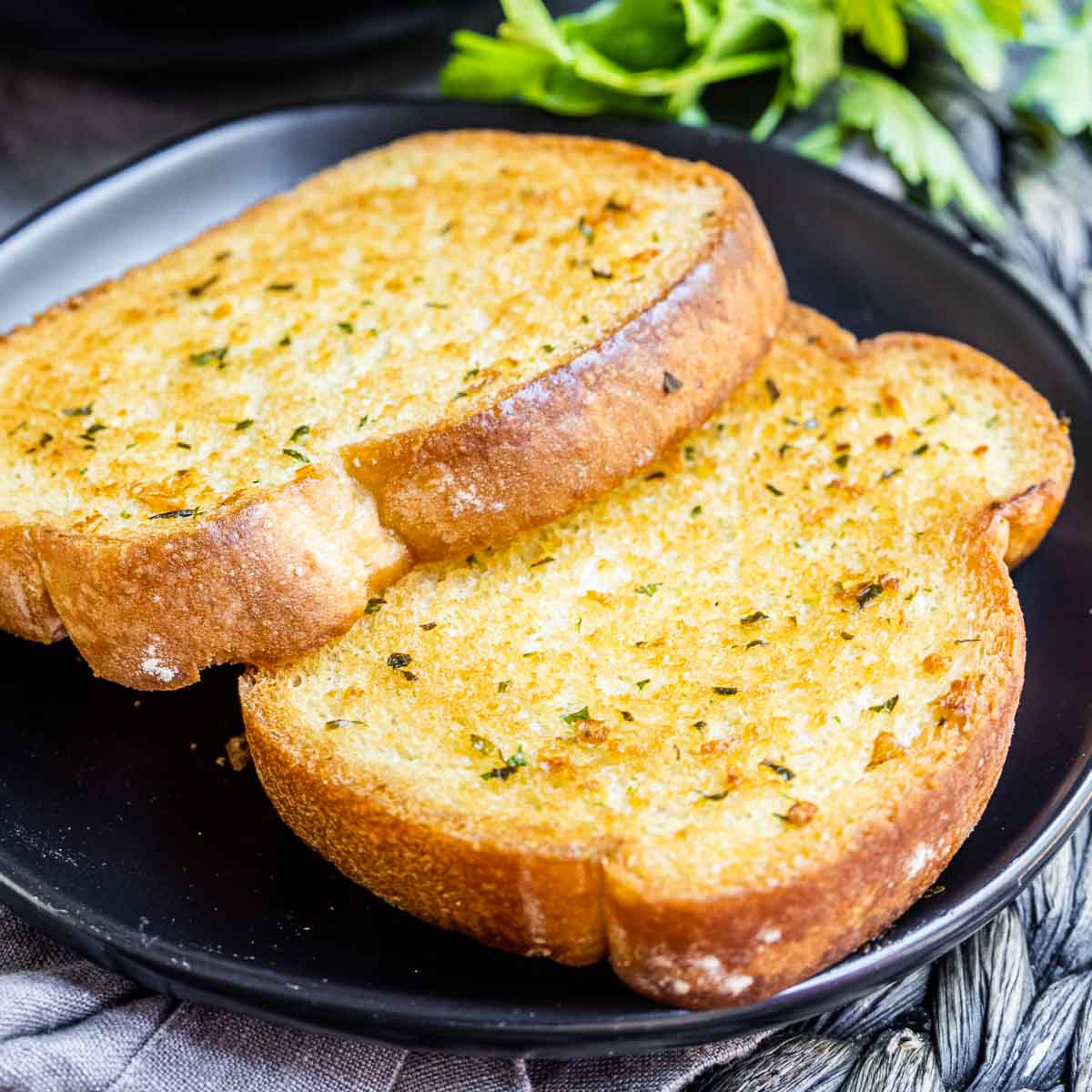
Texas toast is best served immediately after baking, while it’s still warm and crispy. It’s the perfect companion to a variety of dishes:
- Pasta Dishes: A classic pairing. Think spaghetti and meatballs or lasagna.
- Soups: Dip it into a hearty tomato soup or French onion soup.
- Steaks and Chops: The perfect absorbent for delicious pan sauces.
- Chili: A comforting side for a spicy bowl of chili.
Ultimately, the “how long” for baking Texas toast is a guideline, not a rigid rule. By understanding the variables of oven temperature, bread thickness, and desired outcome, and by employing your senses to monitor for doneness, you can consistently achieve perfectly baked Texas toast that is a delicious highlight of any meal. Enjoy the process, and savor the delicious results!
LifeOutOfTheBox is a participant in the Amazon Services LLC Associates Program, an affiliate advertising program designed to provide a means for sites to earn advertising fees by advertising and linking to Amazon.com. Amazon, the Amazon logo, AmazonSupply, and the AmazonSupply logo are trademarks of Amazon.com, Inc. or its affiliates. As an Amazon Associate we earn affiliate commissions from qualifying purchases.