
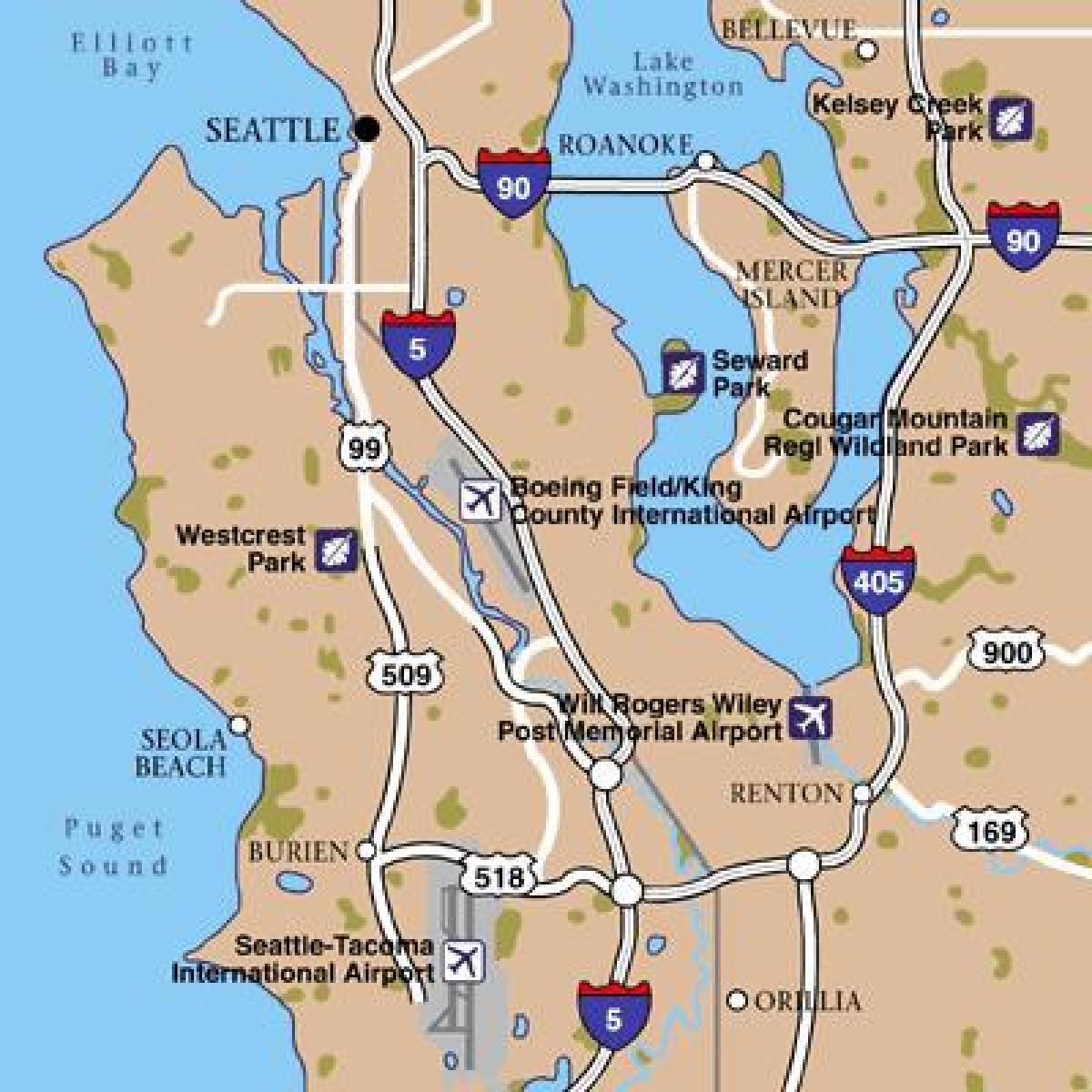
Seattle-Tacoma International Airport (SEA), often referred to as Sea-Tac Airport, is the primary international airport serving the Seattle metropolitan area and the broader Puget Sound region of Washington State. Located about 14 miles south of downtown Seattle, its strategic positioning makes it a vital gateway for both domestic and international travelers exploring the Pacific Northwest. Understanding its location is the first step to navigating your journey to and from this bustling hub.
Navigating the Geography: SEA’s Strategic Location
SEA’s location is a key factor in its operational efficiency and accessibility. Situated within the city limits of SeaTac, a municipality that owes its existence and name directly to the airport, the airport is nestled between the cities of Seattle and Tacoma. This central placement within the King County and Pierce County border area allows it to effectively serve a wide geographical expanse, catering to residents and visitors alike who may be heading to various points of interest throughout the region.
Proximity to Major Urban Centers
The airport’s proximity to major urban centers is a significant advantage for travelers. Downtown Seattle is a mere 14-mile drive north, a journey typically taking around 25-40 minutes, depending on traffic conditions. This relatively short distance allows for easy access to the city’s renowned attractions, such as the Space Needle, Pike Place Market, and the vibrant Pioneer Square historic district.
Similarly, the city of Tacoma, located about 15 miles to the south, is also readily accessible. This proximity offers travelers convenient entry to Tacoma’s own cultural attractions, including the Museum of Glass and the Washington State History Museum. For those planning to explore beyond these two primary cities, SEA’s location provides a convenient starting point for venturing into the stunning natural landscapes of the Olympic Peninsula, the Cascade Mountains, or the picturesque islands of the Puget Sound.
Regional Connectivity
Beyond its immediate urban neighbors, SEA serves as a critical hub for the entire Pacific Northwest region. Its extensive network of flights connects travelers to cities like Portland, Vancouver, Boise, and Spokane, making it a crucial transit point for those traveling within this vast and diverse geographical area. This regional connectivity is further enhanced by the airport’s status as a major hub for Alaska Airlines, which operates a significant number of flights connecting passengers to destinations across North America and beyond.
Accessing the Airport: Transportation Options
Once you know where Seattle Airport is, the next crucial aspect is understanding how to get there. Fortunately, SEA is well-served by a variety of transportation modes, catering to different needs and budgets.
Public Transportation: The Link Light Rail Advantage
Perhaps the most efficient and cost-effective way to reach SEA from downtown Seattle and surrounding neighborhoods is via the Link Light Rail. The Airport Station is conveniently located on the lower level of the terminal, directly beneath the Central Terminal between parking garages B and C. This direct connection provides a seamless journey, bypassing road traffic entirely.
The Link Light Rail operates frequently, with trains running every 6 to 15 minutes depending on the time of day. The journey from Westlake Station in downtown Seattle to the airport typically takes about 37 minutes. This service is a lifesaver for avoiding the often unpredictable traffic congestion on State Route 99 (SR 99) and Interstate 5 (I-5), the primary freeways connecting the city to the airport. For travelers arriving at the airport, the light rail offers an easy and economical route into the heart of the city or to other connected neighborhoods.
Ride-Sharing Services and Taxis
For those who prefer door-to-door service or are traveling with significant luggage, ride-sharing services like Uber and Lyft, as well as traditional taxis, are readily available. Designated pick-up and drop-off zones are clearly marked on the departures level of the terminal. While convenient, it’s important to factor in potential surge pricing during peak travel times and the impact of traffic on travel duration. Taxis can be hailed or found at designated taxi stands outside the arrivals area.
Rental Cars
SEA hosts a consolidated Rental Car Facility that houses all major car rental companies. This facility is accessible via a free shuttle bus that runs every few minutes from the Central Terminal on the arrival level. The shuttle stops at designated points outside the Baggage Claim areas. Renting a car provides flexibility for travelers planning to explore various destinations throughout Washington and beyond, allowing for independent travel to national parks, smaller towns, and scenic routes.
Airport Shuttles and Private Transportation
Several private shuttle companies and charter services operate to and from SEA, offering shared or private transportation to various destinations, including hotels, cruise terminals, and specific neighborhoods. These services can be pre-booked and often provide a more personalized or group-friendly transportation solution. For business travelers or those seeking a higher level of service, private car services are also available for booking.
Understanding the Terminal Layout
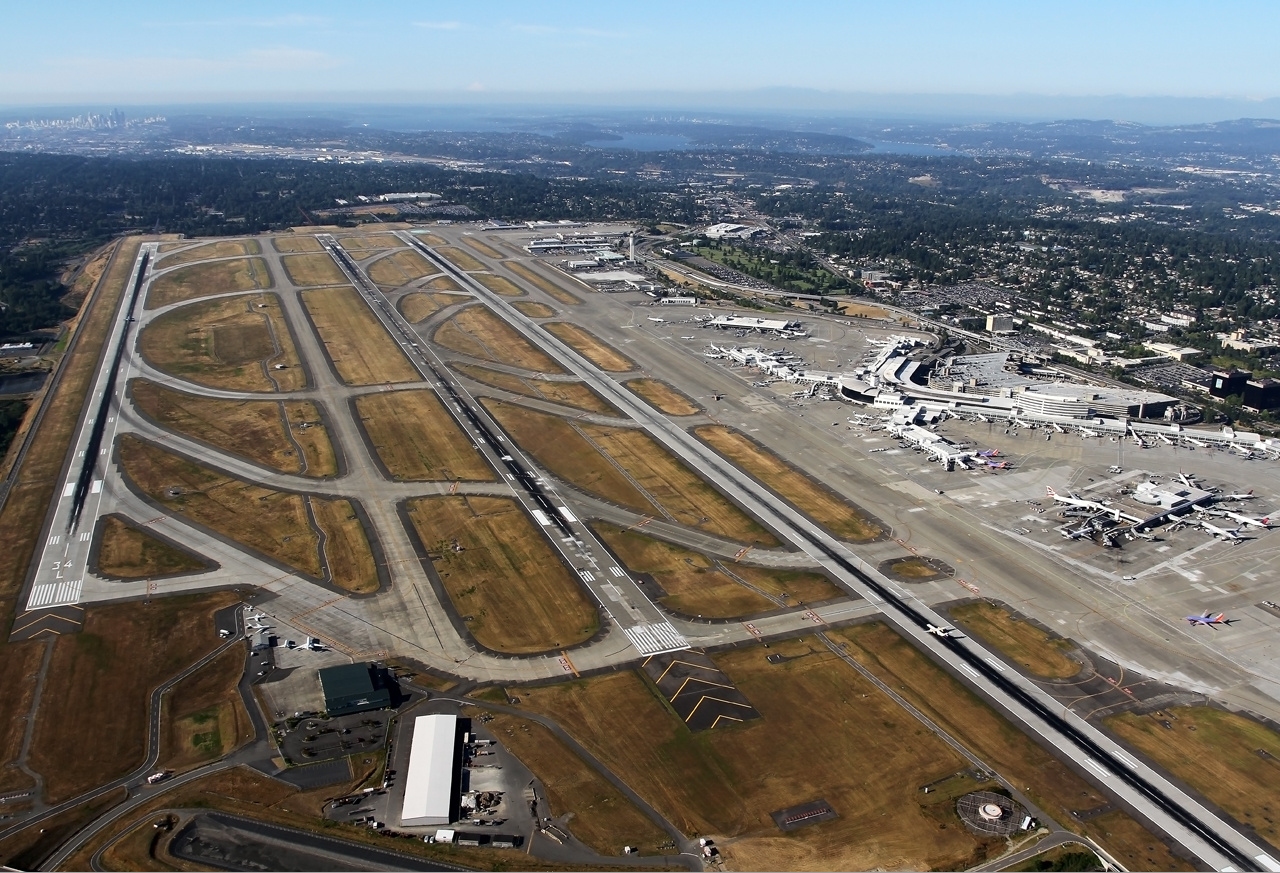
Knowing the location of Seattle Airport also involves understanding its physical layout. SEA is a single, large terminal complex that has been expanded and modernized over the years. It is divided into several concourses, labeled A through D, and an international concourse, S.
Central Terminal
The Central Terminal serves as the main hub and is where passengers typically arrive for check-in and security screening. It houses ticketing counters for most airlines, a variety of retail shops, restaurants, and services. The Link Light Rail station and the Ground Transportation Center, where you’ll find rental cars, taxis, and shuttles, are also accessed from the Central Terminal.
Concourses A, B, C, and D
These domestic concourses extend from the Central Terminal and are home to a vast array of airlines. Each concourse has its own set of gates, restrooms, concessions, and seating areas. Navigating between these concourses is generally straightforward, with moving walkways and ample signage to guide passengers. For travelers connecting between flights, understanding which concourse their next flight departs from is essential.
Concourse S (International)
Concourse S is dedicated primarily to international flights and is equipped with U.S. Customs and Border Protection facilities. Passengers arriving on international flights will disembark here and proceed through immigration and customs. For departing international passengers, this concourse offers a dedicated space for check-in and security screening for international carriers.
Navigation Tips
Inside the terminal, clear signage is provided in multiple languages to assist travelers. Digital flight information displays are strategically placed throughout the airport to provide real-time updates on gate assignments, flight status, and boarding times. Familiarizing yourself with the airport map, often available online or through the airport’s mobile app, can be beneficial before your arrival.
Beyond the Airport: Exploring the Region
Once you’ve landed at Seattle Airport and made your way to your accommodation or chosen destination, the vibrant Puget Sound region awaits. SEA’s strategic location makes it an ideal launchpad for exploring a wealth of attractions.
Downtown Seattle’s Iconic Landmarks
From SEA, a short ride on the Link Light Rail or a drive will bring you to the heart of Seattle. Here, the iconic Space Needle offers panoramic views of the city, the Olympic Mountains, and Mount Rainier. The bustling Pike Place Market is a sensory delight, with its fresh produce, local crafts, and the famous flying fish. Explore the historic Pioneer Square district with its Victorian architecture and underground tours, or visit the Chihuly Garden and Glass museum for stunning glass art.
Natural Wonders and Outdoor Adventures
The Pacific Northwest is renowned for its breathtaking natural beauty, and SEA provides excellent access to these wonders. A drive west will take you to the lush rainforests and rugged coastline of the Olympic Peninsula and Olympic National Park. To the east, the majestic Cascade Mountains beckon with opportunities for hiking, skiing, and exploring areas like Mount Rainier National Park. The ferry system, easily accessible from downtown Seattle, offers scenic excursions to islands like Bainbridge Island and Vashon Island, providing a tranquil escape and stunning waterfront views.

Cultural Enclaves and Culinary Delights
The Seattle metropolitan area boasts a diverse cultural landscape and a thriving culinary scene. Explore neighborhoods like Fremont, known for its eclectic arts scene and the Fremont Troll, or Ballard, with its Scandinavian heritage and vibrant brewery district. The food scene ranges from fresh seafood at waterfront restaurants to innovative farm-to-table establishments and world-class coffee shops. Experiencing the local culture and cuisine is an integral part of any visit to the Puget Sound region.
In conclusion, Seattle-Tacoma International Airport (SEA) is a critical transportation node strategically positioned to serve the dynamic Pacific Northwest. Its accessibility from Seattle and Tacoma, coupled with a comprehensive range of transportation options and a well-organized terminal layout, ensures a smooth travel experience. Whether you are arriving for business or leisure, understanding where Seattle Airport is located is the gateway to unlocking the countless experiences this beautiful region has to offer.
LifeOutOfTheBox is a participant in the Amazon Services LLC Associates Program, an affiliate advertising program designed to provide a means for sites to earn advertising fees by advertising and linking to Amazon.com. Amazon, the Amazon logo, AmazonSupply, and the AmazonSupply logo are trademarks of Amazon.com, Inc. or its affiliates. As an Amazon Associate we earn affiliate commissions from qualifying purchases.