
The tantalizing aroma of a perfectly seared steak is a universal language, spoken in bustling kitchens from New York City to Tokyo, and cherished by travelers exploring the world’s finest culinary destinations. For many, the New York Strip steak, with its robust flavor, satisfying chew, and ideal marbling, represents the pinnacle of home-cooked luxury, a dish that transforms an ordinary evening into a special occasion. Whether you’re a seasoned globetrotter reminiscing about a memorable meal at Peter Luger Steak House in Brooklyn or a culinary enthusiast keen to replicate the perfection of a Michelin-starred restaurant in your own kitchen or a luxury Airbnb rental, mastering the art of cooking this iconic cut is a deeply rewarding experience.
This guide isn’t just about cooking; it’s about celebrating the journey of taste, connecting your travels to your table, and understanding how a seemingly simple dish can evoke memories of vibrant cities, charming accommodations, and unforgettable lifestyle experiences. We’ll delve into the precise timing, essential techniques, and thoughtful considerations that elevate a good steak to a great one, ensuring that every bite transports you to a world of culinary excellence.
The Iconic New York Strip: A Culinary Journey
Before we even think about cooking times, it’s crucial to understand what makes the New York Strip such a beloved cut, especially in the context of global gastronomy and upscale dining. Known by various names – Kansas City Strip, Ambassador Steak, or simply Strip Loin Steak – its most famous moniker, the New York Strip, pays homage to the vibrant culinary scene of the city that never sleeps. This particular cut comes from the short loin of the cow, an area that doesn’t do much work, resulting in a wonderfully tender steak. It boasts a good balance of tenderness and flavor, thanks to its fine marbling (streaks of fat within the lean meat) which melts during cooking, basting the meat from within and imparting incredible juiciness and richness.
The New York Strip is a staple on menus from the grand steakhouses of Manhattan to the intimate bistros of Paris. Its distinctive fat cap, often left on one side, renders down beautifully, adding another layer of flavor and a crispy texture if seared correctly. Choosing a quality piece is the first step towards culinary success. Look for a steak that is bright red, well-marbled, and cut to a consistent thickness, ideally between 1 to 1.5 inches. This thickness is critical because it allows for an even cook and a perfect sear without overcooking the interior.
From Butcher to Table: Preparing Your Strip for Perfection
The journey to a perfect New York Strip begins long before it hits the pan or grill. Proper preparation is paramount, setting the stage for a steak that’s tender, juicy, and bursting with flavor. Think of it as preparing for a seamless journey: every detail matters.
1. Bring to Room Temperature: Just as you wouldn’t embark on a long journey without proper planning, don’t cook a cold steak. Remove your New York Strip from the refrigerator at least 30-60 minutes before cooking. A cold steak hitting a hot pan will cook unevenly, resulting in an overcooked exterior and a cold, undercooked interior. Bringing it to room temperature allows for a more consistent and even cook throughout the meat. This step is often overlooked but is fundamental to achieving restaurant-quality results.
2. Pat Dry: Moisture is the enemy of a good sear. Excess moisture on the surface of the steak will steam rather than sear, preventing the coveted crust from forming. Use paper towels to thoroughly pat both sides of the steak dry. This ensures that when the steak hits the hot cooking surface, it immediately begins to caramelize, creating that beautiful, flavorful crust known as the Maillard reaction.
3. Season Generously: A quality New York Strip needs little more than salt and pepper to shine, but it needs plenty of it. Coarse sea salt (like Kosher salt) and freshly ground black pepper are your best friends here. Don’t be shy; season both sides liberally. The salt helps draw out moisture initially, then forms a flavorful crust as it cooks, while the pepper adds a delightful aromatic kick. For an extra layer of flavor, some chefs like to add garlic powder or a touch of onion powder, but classic salt and pepper are truly all you need to let the steak’s natural flavor take center stage. This simple elegance is a hallmark of fine dining, whether you’re at a Four Seasons Resort in Maui or a charming villa in Tuscany.
The Heart of the Matter: Mastering Cooking Times
Now, to the question that brings us all here: how long to cook a New York Steak? The answer isn’t a single number but a range, dependent on several factors: the thickness of your steak, your desired level of doneness, and the cooking method you choose. The most reliable tool in your arsenal for achieving perfection is a good quality instant-read meat thermometer. Visual cues are helpful, but internal temperature is king for consistent results.
Essential Cooking Methods and Timings
We’ll focus on the two most popular and effective methods for cooking a New York Strip: pan-searing (often followed by oven finishing) and grilling.
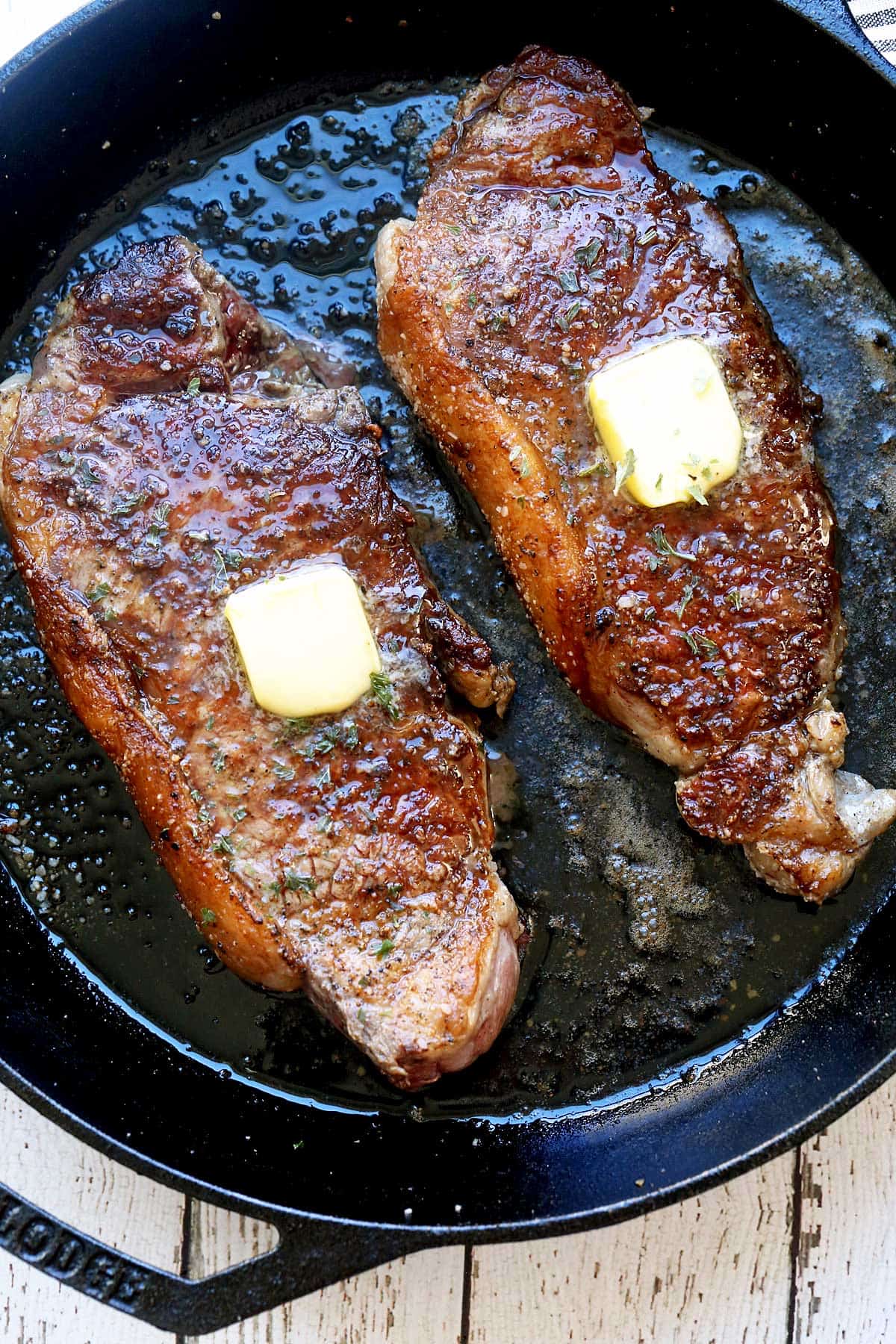
1. Pan-Searing (Cast Iron Skillet Method)
This method is fantastic for achieving a deep, flavorful crust, especially for steaks 1 to 1.5 inches thick. A cast iron skillet is ideal because it retains heat exceptionally well and distributes it evenly.
- Preheat: Heat your cast iron skillet over medium-high heat until it’s smoking hot. Add a high-smoke-point oil (like grapeseed, canola, or avocado oil) just to coat the bottom, or use clarified butter.
- Sear: Place the seasoned steak in the hot skillet. Do not overcrowd the pan if cooking multiple steaks.
- For a 1-inch thick steak:
- Rare (125-130°F / 52-54°C): Sear for 2-3 minutes per side.
- Medium-Rare (130-135°F / 54-57°C): Sear for 3-4 minutes per side.
- Medium (135-140°F / 57-60°C): Sear for 4-5 minutes per side.
- For a 1.5-inch thick steak: Add 1-2 minutes per side to the times above.
- For a 1-inch thick steak:
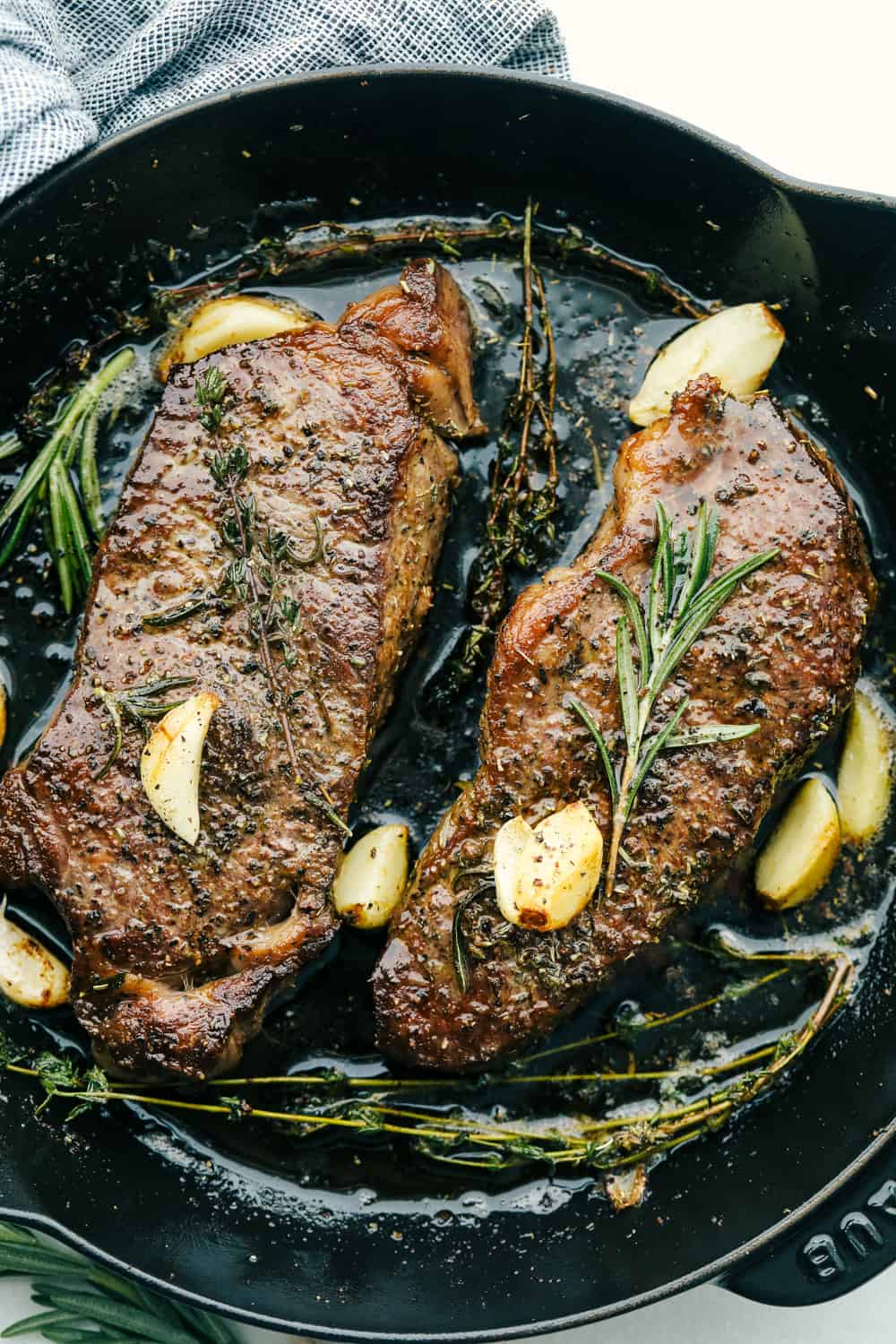
- Butter Baste (Optional but Recommended): After flipping the steak once and achieving a good sear on both sides, reduce heat to medium-low. Add a knob of butter, a sprig of fresh rosemary or thyme, and a smashed clove of garlic to the pan. Tilt the pan and spoon the melted butter mixture over the steak continuously for the last 1-2 minutes of cooking. This infuses incredible flavor and helps create an even crust.
- Oven Finish (for thicker steaks, 1.5 inches or more): For thicker steaks, after searing each side for 2-3 minutes, transfer the skillet to a preheated oven at 375-400°F (190-200°C) to finish cooking to your desired internal temperature.
- Rare: 3-5 minutes
- Medium-Rare: 5-7 minutes
- Medium: 7-9 minutes
- Check Temperature: Always use an instant-read thermometer, inserting it into the thickest part of the steak, avoiding any bone or large fat pockets. Remember that the steak’s internal temperature will rise by 5-10°F (3-5°C) after it’s removed from the heat (carryover cooking). So, pull it off the heat slightly before it reaches your target temperature.
2. Grilling Method
Grilling imparts a smoky flavor and beautiful char marks, perfect for enjoying a warm evening, perhaps at a resort in the Caribbean or a vacation rental with outdoor cooking facilities.

- Preheat: Preheat your grill to high heat (450-500°F / 230-260°C) for at least 10-15 minutes. Clean the grates thoroughly to prevent sticking.
- Sear: Place the seasoned steak directly over the hottest part of the grill.
- For a 1-inch thick steak:
- Rare: 3-4 minutes per side.
- Medium-Rare: 4-5 minutes per side.
- Medium: 5-6 minutes per side.
- For a 1.5-inch thick steak:
- Rare: 5-6 minutes per side.
- Medium-Rare: 6-7 minutes per side.
- Medium: 7-8 minutes per side.
- For a 1-inch thick steak:
- Cross-Hatch Marks (Optional): For impressive cross-hatch grill marks, rotate the steak 45 degrees halfway through cooking on each side.
- Check Temperature: Again, rely on your instant-read thermometer. Remove the steak 5-10°F (3-5°C) below your target doneness to account for carryover cooking.
The Critical Resting Period
This step is non-negotiable and as important as the cooking itself. Once your steak reaches your desired doneness, remove it from the heat and transfer it to a cutting board. Tent it loosely with aluminum foil and let it rest for 5-10 minutes.
Why rest? During cooking, the muscle fibers contract, pushing the juices to the center of the steak. If you cut into it immediately, all those precious juices will flood out onto your board, leaving you with a drier, less flavorful steak. Resting allows the muscle fibers to relax and reabsorb those juices, distributing them evenly throughout the meat, resulting in a significantly more tender and juicy bite. This pause is similar to waiting for your luggage at Heathrow Airport after a long flight; patience is rewarded.
Slicing for Maximum Tenderness
Once rested, slice your New York Strip against the grain. The grain refers to the direction of the muscle fibers. Slicing against them shortens these fibers, making each bite more tender and easier to chew. This attention to detail is what separates a good meal from an extraordinary one, much like the impeccable service one might find at a Ritz-Carlton Hotel during a luxury travel experience.
Elevating Your Steak Experience: Beyond the Plate
Cooking a perfect New York Strip is an achievement in itself, but a true lifestyle experience involves more than just the main course. It’s about the ambiance, the pairings, and the connection to broader culinary traditions.
The Perfect Pairing: Wine and Sides
A well-cooked steak begs for a complementary beverage. A bold red wine is a classic choice. A Cabernet Sauvignon from Napa Valley or a rich Bordeaux blend from France will beautifully cut through the richness of the steak. For those exploring other regions, an Argentine Malbec offers a fruit-forward contrast, echoing the robust steak culture of Argentina.
Side dishes can transform your meal. Classic options include creamy mashed potatoes, crisp asparagus, or a vibrant garden salad. For a gourmet touch, consider truffle fries, roasted Brussels sprouts with bacon, or a rich mushroom sauté. These additions not only enhance the meal but can also evoke memories of dining in chic restaurants during your travels.
Steak Around the World: A Culinary Passport
The allure of steak is truly global, offering a fascinating glimpse into diverse food cultures. In Buenos Aires, the capital of Argentina, you’ll find “parrillas” (steakhouses) where various cuts, including ojo de bife (ribeye) and bife de chorizo (sirloin/New York Strip), are grilled over open flames, often served with chimichurri sauce. This culinary tradition is deeply embedded in the nation’s identity, reflecting a rich history of ranching in the vast Pampas and Patagonia regions.
Journeying further east to Japan, the focus shifts to exquisite marbling and unparalleled tenderness with Wagyu beef, particularly the famed Kobe beef. While often enjoyed in smaller, more delicate portions, the pursuit of perfection in its preparation, whether seared quickly or enjoyed as part of a sukiyaki, mirrors the same dedication to quality found in the best New York Strip. Experiencing these variations abroad, perhaps in a quaint restaurant in Kyoto, enriches your understanding and appreciation for this magnificent cut.
Even within the United States, culinary landmarks like Keens Steakhouse in New York City or Gallagher’s Steakhouse offer unique takes on the steakhouse experience, solidifying the New York Strip’s place as a celebrated dish. These establishments are not just restaurants; they are destinations in themselves, offering a taste of history and luxury travel.
Cooking in Unique Locations: Your Travel Kitchen
Imagine recreating this culinary masterpiece not just at home, but during your travels. Many luxury accommodations, from boutique hotels with kitchenettes to expansive villas in the Maldives or ski chalets in the Swiss Alps, offer fully equipped kitchens. This presents a unique opportunity to immerse yourself in local culture by sourcing fresh, regional ingredients and applying your newfound steak-cooking prowess. Picture yourself in a quaint Italian farmhouse, preparing a New York Strip with local herbs and olive oil, after a day of exploring ancient Roman landmarks. Or perhaps in a cozy cabin overlooking the Rocky Mountains, grilling your steak under a canopy of stars. These experiences intertwine the joy of cooking with the adventure of travel, creating memories that last a lifetime.
Conclusion: Your Culinary Adventure Awaits
Mastering how long to cook a New York Steak is a journey of precision, patience, and passion. From selecting the finest cut and preparing it with care to searing it to perfection and allowing it to rest, each step contributes to an unforgettable dining experience. Whether you’re a connoisseur of luxury travel, a culinary explorer, or simply seeking to elevate your everyday meals, the New York Strip stands as a testament to the power of quality ingredients and thoughtful preparation.
As you embark on your next culinary adventure, remember that cooking is an art form, a reflection of culture, and a pathway to creating cherished memories. So, fire up your skillet or grill, uncork a fine bottle of wine, and savor the rich, juicy perfection of a perfectly cooked New York Strip. It’s more than just a meal; it’s an experience, a connection to the world of exquisite taste and unforgettable journeys.
LifeOutOfTheBox is a participant in the Amazon Services LLC Associates Program, an affiliate advertising program designed to provide a means for sites to earn advertising fees by advertising and linking to Amazon.com. Amazon, the Amazon logo, AmazonSupply, and the AmazonSupply logo are trademarks of Amazon.com, Inc. or its affiliates. As an Amazon Associate we earn affiliate commissions from qualifying purchases.