
Embarking on a journey to the diverse landscapes of Oregon, from its rugged coastline and majestic mountains to its vibrant cities and serene high deserts, is an exciting prospect for any traveler. However, a crucial detail that often gets overlooked in the initial planning stages, but can significantly impact your experience, is understanding the local time zone. For those planning a trip, booking accommodations, or coordinating business activities, knowing the time in Oregon is as vital as knowing which attractions to visit. This comprehensive guide will demystify Oregon’s time zones, offer practical advice for navigating them, and ensure your adventure unfolds seamlessly, whether you’re chasing waterfalls in the Columbia River Gorge or exploring the culinary scene in Portland.

Understanding Pacific Standard Time (PST) and Pacific Daylight Time (PDT)
The vast majority of Oregon operates under a single, consistent time zone for most of the year, making it relatively straightforward for travelers. However, the annual shift for Daylight Saving Time introduces a change that warrants attention.
Oregon’s Primary Time Zone: Pacific Standard Time (PST)
For approximately five months out of the year, from early November to mid-March, most of Oregon observes Pacific Standard Time (PST). This time zone is eight hours behind Coordinated Universal Time (UTC-8). This means that when it’s noon UTC, it’s 4:00 AM in Oregon during PST.
PST is shared by other western states in the United States, including California, Washington, and most of Nevada, as well as parts of Canada and Mexico. This alignment simplifies planning for those traveling from neighboring regions. When planning your travel to destinations like Portland, Bend, Eugene, or the Willamette Valley, you can expect to be on PST during the winter months. This is especially important for booking flights, confirming hotel check-in times, or arranging for local tours or experiences, as all schedules will adhere to this standard. Understanding PST is your first step to a smooth arrival and enjoying all that Oregon has to offer.
The Shift to Pacific Daylight Time (PDT)
As spring arrives, specifically on the second Sunday in March, Oregon transitions from Pacific Standard Time to Pacific Daylight Time (PDT). This change involves “springing forward” one hour, meaning clocks are advanced from UTC-8 to UTC-7. This adjustment provides an extra hour of daylight in the evenings, which is a significant boon for tourism and outdoor activities throughout the warmer months.
PDT remains in effect until the first Sunday in November, when clocks “fall back” one hour, returning to PST. For travelers, this shift is particularly crucial to note. If your trip spans these transition dates, be sure to adjust your devices and verify any scheduled appointments or bookings. The longer daylight hours during PDT are perfect for exploring Oregon’s natural landmarks like Crater Lake National Park, hiking trails in the Mount Hood region, or enjoying sunset views from Cannon Beach. It impacts everything from restaurant closing times to the last ferry departures. Always confirm local times, especially if your itinerary involves precise timing or connections.
The Unique Case of Eastern Malheur County
While the vast majority of Oregon proudly aligns with the Pacific Time Zone, there is a notable exception that travelers, especially those venturing into the state’s southeastern corner, must be aware of: Eastern Malheur County. This specific region, which borders Idaho, observes the Mountain Time Zone (MT).
This geographical quirk means that cities like Ontario and Vale in Malheur County are consistently one hour ahead of Portland or Bend. During Standard Time, they are on Mountain Standard Time (MST, UTC-7), and during Daylight Saving Time, they switch to Mountain Daylight Time (MDT, UTC-6). The reasoning behind this exception is primarily practical and economic; these communities have closer ties to Boise, Idaho, and its surrounding areas, which are on Mountain Time.
For travelers, this distinction is crucial when planning trips that involve crossing into or out of Eastern Malheur County. A journey from Bend to Ontario, for example, will involve gaining an hour. This can affect everything from flight connection times if flying into a regional airport in Malheur County to making dinner reservations or attending scheduled local events. Always double-check the time when communicating with businesses or individuals in this specific region to avoid confusion and ensure a smooth experience in this unique part of Oregon. For accommodation bookings, especially in remote areas near the Idaho border, confirming the local time is paramount to avoid missed check-ins or early check-outs.
Navigating Oregon’s Time Zone as a Traveler
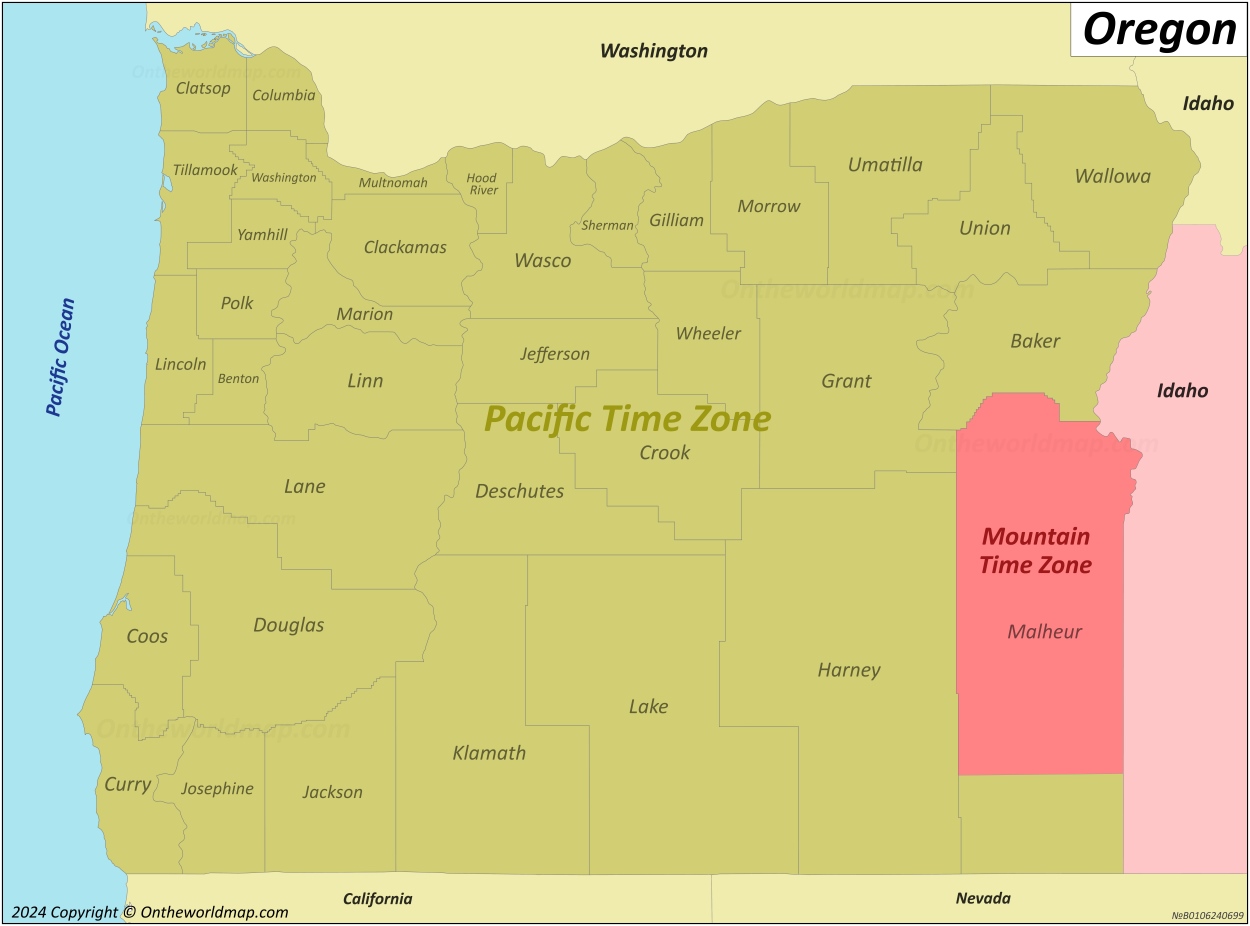
Understanding Oregon’s time zones is more than just knowing what time it is; it’s about strategically planning your entire travel experience. From the moment you begin planning to your daily adventures, time zones play a significant role in ensuring a seamless and enjoyable trip.
Planning Your Travel Itinerary and Bookings
Effective planning starts with acknowledging time differences. When booking flights to Portland International Airport or any other regional airport in Oregon, always confirm the arrival and departure times in local time. This is especially vital for international travelers or those coming from the East Coast, where jet lag can be a factor. A late-night arrival on paper might feel like a much earlier bedtime to your body clock.
Similarly, when making hotel reservations – whether it’s a boutique hotel in Ashland, a cozy cabin near Mount Bachelor, or a luxury resort on the coast – pay close attention to check-in and check-out times. Most properties, including popular chains like the Hilton Portland Downtown or independent boutique hotels like The Nines in Portland, will specify times in PST or PDT. Missing a check-in window because of a time zone miscalculation can lead to unnecessary stress or even a forfeited night. If your trip involves connecting flights or bus transfers within Oregon, particularly if crossing into or out of Malheur County, build in extra buffer time. Even an hour’s difference can cause you to miss a connection or arrive late for a pre-booked tour, impacting your overall travel experience. Always confirm all booking details in the local time of the destination to prevent any mishaps.
Managing Jet Lag and Optimizing Your Stay
Jet lag can significantly dampen the excitement of a trip. For those arriving from eastern time zones, you’ll be “gaining” hours, meaning your body might feel like it’s much later than the local time. To combat this, try to adjust your sleep schedule gradually before your trip. Once in Oregon, expose yourself to natural light during the day, even if you feel tired, and try to stick to local meal times. Many Oregon hotels, from suites to apartments, offer amenities like blackout curtains and comfortable bedding that can aid in restful sleep as you adjust.
Optimizing your stay around the time zone means making the most of the daylight hours. During PDT, long summer evenings offer ample opportunity for late hikes, beach strolls, or outdoor dining. Consider early morning activities like sunrise photography at Crater Lake, a peaceful walk on Cannon Beach before the crowds arrive, or an invigorating run along the Deschutes River Trail in Bend. For those on a family trip, adjusting kids to the new time can be challenging, so factor in naps or early bedtimes initially. Business travelers should schedule important meetings in the late morning or early afternoon local time, allowing for adjustment and avoiding early morning grogginess. Prioritizing rest and strategically planning your day around the natural light cycle will enhance your enjoyment of Oregon’s diverse offerings.
Daily Activities and Local Experiences
The time zone directly influences the rhythm of daily life and the availability of local experiences. For example, popular tourist attractions like the Oregon Coast Aquarium in Newport or the Oregon Zoo in Portland operate on specific hours, which are always local time. Missing an entry window can mean rescheduling or missing out entirely.
When exploring Oregon’s renowned culinary scene, from food trucks in Portland to farm-to-table restaurants in the Willamette Valley, be mindful of opening and closing times, especially on weekdays. Many smaller towns or local establishments might have shorter hours or close earlier than you’d expect, particularly during PST when daylight is shorter.
Outdoor enthusiasts, whether planning a hike in the Mount Hood National Forest, a fishing trip on the Rogue River, or stargazing at the John Day Fossil Beds National Monument, should always consider the sunrise and sunset times for safety and planning. During PST, daylight diminishes earlier, which could cut short an afternoon adventure. Conversely, PDT offers extended daylight, perfect for those long summer evenings. Event schedules, from local festivals and farmers’ markets to concerts in Portland or Shakespeare performances in Ashland, will always adhere to local Oregon time. Staying informed about the time zone ensures you’re never late for a show or miss out on a unique local cultural experience.

Essential Tips for a Seamless Oregon Journey
To ensure your Oregon travel experience is as smooth and enjoyable as possible, keep these practical tips in mind regarding time zones:
- Double-Check All Reservations: Before departing and again upon arrival, confirm all flight, hotel, rental car, and tour bookings. Pay special attention to the specified check-in/out times and activity start times, ensuring they are understood in Oregon’s local time. If you’re staying in an apartment or villa, coordinate your arrival with the host.
- Use a Reliable World Clock App: Many smartphone apps offer world clock features that automatically adjust for your current location and can display multiple time zones simultaneously. This is invaluable for tracking your home time zone against Oregon’s, especially if you’re coordinating with friends, family, or colleagues back home.
- Adjust Your Devices Promptly: Most smartphones and smartwatches will automatically update to the local time zone. However, manually check and adjust any other devices, like traditional watches or alarm clocks, immediately upon crossing into Oregon to prevent confusion. This is particularly important if you’re driving into Eastern Malheur County from other parts of Oregon.
- Communicate Clearly When Scheduling: If you’re planning to meet locals, attend business events, or participate in guided activities, always clarify that the scheduled time is in Oregon local time, or specifically PST/PDT as applicable. This prevents misunderstandings, especially during the Daylight Saving Time transition.
- Embrace the Local Rhythm: Part of the joy of travel is adapting to local customs and schedules. By understanding Oregon’s time zones, you can more effectively plan your days, enjoy early mornings and extended evenings as they come, and truly immerse yourself in the lifestyle and culture of this magnificent state.
In conclusion, while the question “What is the time zone in Oregon?” might seem straightforward, the nuances of Pacific Standard Time, Pacific Daylight Time, and the unique case of Eastern Malheur County hold significant implications for any visitor. By being informed and prepared, you can navigate these temporal shifts with ease, ensuring that your focus remains squarely on enjoying the unparalleled beauty, adventure, and hospitality that Oregon so generously offers. Happy travels!
LifeOutOfTheBox is a participant in the Amazon Services LLC Associates Program, an affiliate advertising program designed to provide a means for sites to earn advertising fees by advertising and linking to Amazon.com. Amazon, the Amazon logo, AmazonSupply, and the AmazonSupply logo are trademarks of Amazon.com, Inc. or its affiliates. As an Amazon Associate we earn affiliate commissions from qualifying purchases.