
Embarking on a culinary journey is often as enriching as exploring a new destination. For many travelers and food enthusiasts alike, understanding the nuances of local cuisine offers a direct pathway to cultural immersion. Among the pantheon of iconic American dishes, the Boston Butt stands as a titan, especially in the realm of Southern barbecue. While its name might conjure images of New England seafaring towns, this cut of pork shoulder is the undisputed king of pulled pork across the United States, particularly from the Carolinas to Texas.
For the adventurous palate, replicating this quintessential American dish, whether in your apartment kitchen during an extended vacation rental or back home, presents a delightful challenge. The secret to its melt-in-your-mouth tenderness lies not just in the cut itself, but in the art of slow-cooking. This isn’t a dish you rush; it’s a commitment to patience, a testament to the fact that some of the greatest pleasures in life, and indeed in travel, are those savored over time. For those keen to transform their next long-term stay into a gastronomic adventure, or simply to bring a piece of Americana to their table, mastering the Boston Butt is a rewarding endeavor.
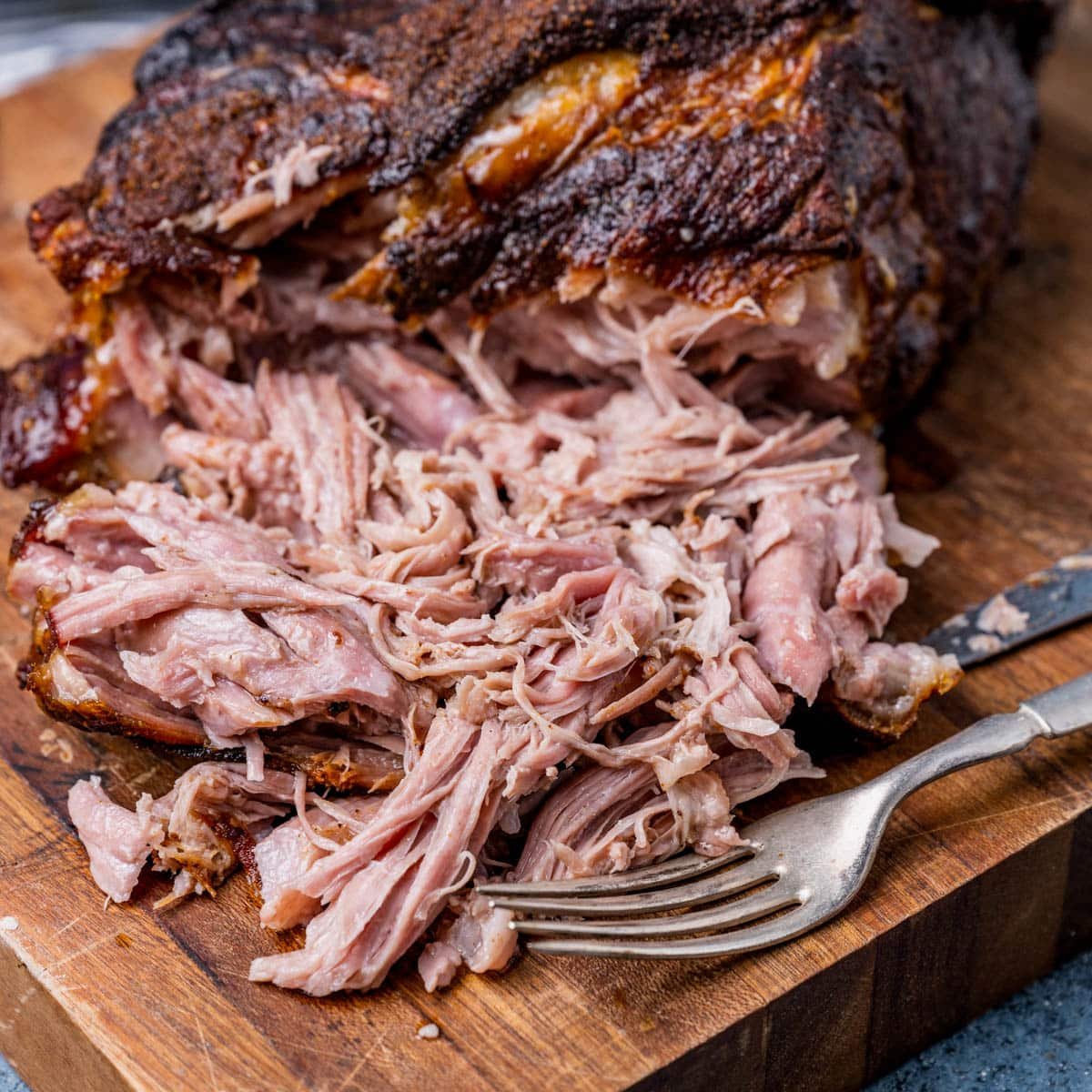
The Essence of Boston Butt: A Culinary Landmark for Travelers
Before delving into cooking times and temperatures, it’s crucial to understand what a Boston Butt actually is and why it holds such a revered status. Despite its misleading name, the Boston Butt is not from the rear of the hog, nor is it exclusive to Boston. It’s actually the upper part of the pork shoulder, sometimes referred to as a “picnic shoulder” (though the picnic shoulder is slightly different, including the hock). The “butt” likely refers to the barrels or “butts” that were historically used to transport pork in New England.
This cut is ideal for slow-cooking due to its generous marbling and abundant connective tissue. When cooked low and slow, this tissue breaks down into collagen and gelatin, rendering the meat incredibly tender, moist, and easy to shred—the hallmarks of perfect pulled pork. For travelers exploring the diverse food culture of the United States, encountering a perfectly smoked Boston Butt is akin to visiting a famous landmark. It’s an experience that defines a region, a taste that tells a story of tradition and hospitality.
Whether you’re exploring the bustling streets of Kansas City, renowned for its saucy ribs, or venturing through the smoky pits of Memphis, where dry rubs reign supreme, the Boston Butt in its pulled pork form is a consistent feature. It’s a testament to the versatility and enduring appeal of this cut, which transcends regional barbecue styles, offering a canvas for various flavors and cooking methods. Understanding this foundational element prepares you not only for cooking but also for appreciating the rich tapestry of global culinary traditions found in various destinations.
Understanding the Cut and Its Significance
The Boston Butt typically weighs between 6 to 10 pounds and usually includes a bone, which adds flavor and moisture during cooking. The fat cap, left intact, also plays a crucial role, basting the meat as it renders. For anyone interested in home cooking abroad or simply elevating their at-home culinary skills, understanding the raw material is the first step. Think of it as knowing the history of a boutique hotel before booking a stay – the deeper your knowledge, the richer your experience.
The cut’s inherent qualities – its mix of muscle, fat, and bone – demand patience. Unlike lean cuts that dry out quickly, the Boston Butt thrives under extended heat, allowing it to transform into something truly spectacular. This slow transformation mirrors the immersive experience of long-term travel, where deeper understanding and appreciation come from taking your time.
Mastering the Art of Slow Cooking: Methods and Temperatures
The fundamental principle behind cooking a Boston Butt to perfection is “low and slow.” This mantra ensures that the tough connective tissues have ample time to break down, resulting in succulent, shreddable meat. The cooking time will largely depend on the method chosen and the size of the butt, but the target internal temperature remains consistent.
The Pitmaster’s Choice: Smoking for Authentic Flavor
For many, the pinnacle of Boston Butt preparation is smoking. This method infuses the meat with a complex, smoky flavor that simply cannot be replicated by other means. A smoker, whether an offset smoker, pellet grill, or even a simple charcoal grill set up for indirect heat with wood chips, is the ideal apparatus.
- Temperature: Maintain a consistent temperature between 225°F (107°C) and 275°F (135°C). Lower temperatures extend cooking time but often yield a more tender and flavorful result.
- Time: A 7-8 pound Boston Butt smoked at 250°F will typically take 12-16 hours, sometimes longer. Factors like humidity, external temperature, and the specific smoker will influence this. The rule of thumb is roughly 1.5 to 2 hours per pound at this temperature range.
- The Stall: Expect the meat’s internal temperature to plateau, or “stall,” usually between 150°F and 170°F (65°C-77°C). This is due to evaporative cooling. Do not panic; this is normal and can last for several hours. Many pitmasters opt to wrap the butt in butcher paper or foil at this stage to power through the stall and retain moisture. This is often referred to as the “Texas Crutch.”
The Urban Explorer’s Choice: Oven Roasting for Convenience
Not everyone has access to a smoker, especially when staying in a luxury villa or a temporary hotel apartment. Fortunately, a conventional convection oven can produce excellent results, albeit without the smoky flavor.
- Temperature: Set your oven to 275°F (135°C).
- Time: For a 7-8 pound butt, expect 8-12 hours. Again, approximately 1 to 1.5 hours per pound. Using a Dutch oven or a deep roasting pan covered tightly with foil will help trap moisture.
- Tips: Consider adding a small amount of liquid (apple cider, chicken broth) to the bottom of the pan to create a steamy environment. You can also add a touch of liquid smoke to your rub for a hint of that desired flavor.
Convenience for Nomads: Slow Cooker or Instant Pot
For the ultimate in convenience, especially for digital nomads or those seeking minimal effort, a slow cooker or Instant Pot can transform a Boston Butt. While these methods won’t develop a traditional bark, they excel at tenderness.
- Slow Cooker: Cook on low for 8-10 hours or on high for 5-6 hours for a 4-5 pound butt. Larger butts may require longer.
- Instant Pot: This is the fastest method. For a 4-5 pound butt, cook on high pressure for 60-90 minutes, followed by a natural pressure release. While fast, the texture can be slightly different from the long-smoked version.
Achieving Perfection: The Golden Rules and Final Stages
Regardless of the cooking method, several key factors contribute to a perfectly cooked Boston Butt. These are the non-negotiables that will elevate your dish from good to unforgettable, much like choosing the right accommodation can transform a trip.
The Perfect Temperature: Don’t Rush It!
The most critical factor is reaching the correct internal temperature. Unlike other cuts of meat, which might be done at 145°F or 160°F, a Boston Butt for pulled pork needs to be cooked much further to allow the connective tissues to fully break down.
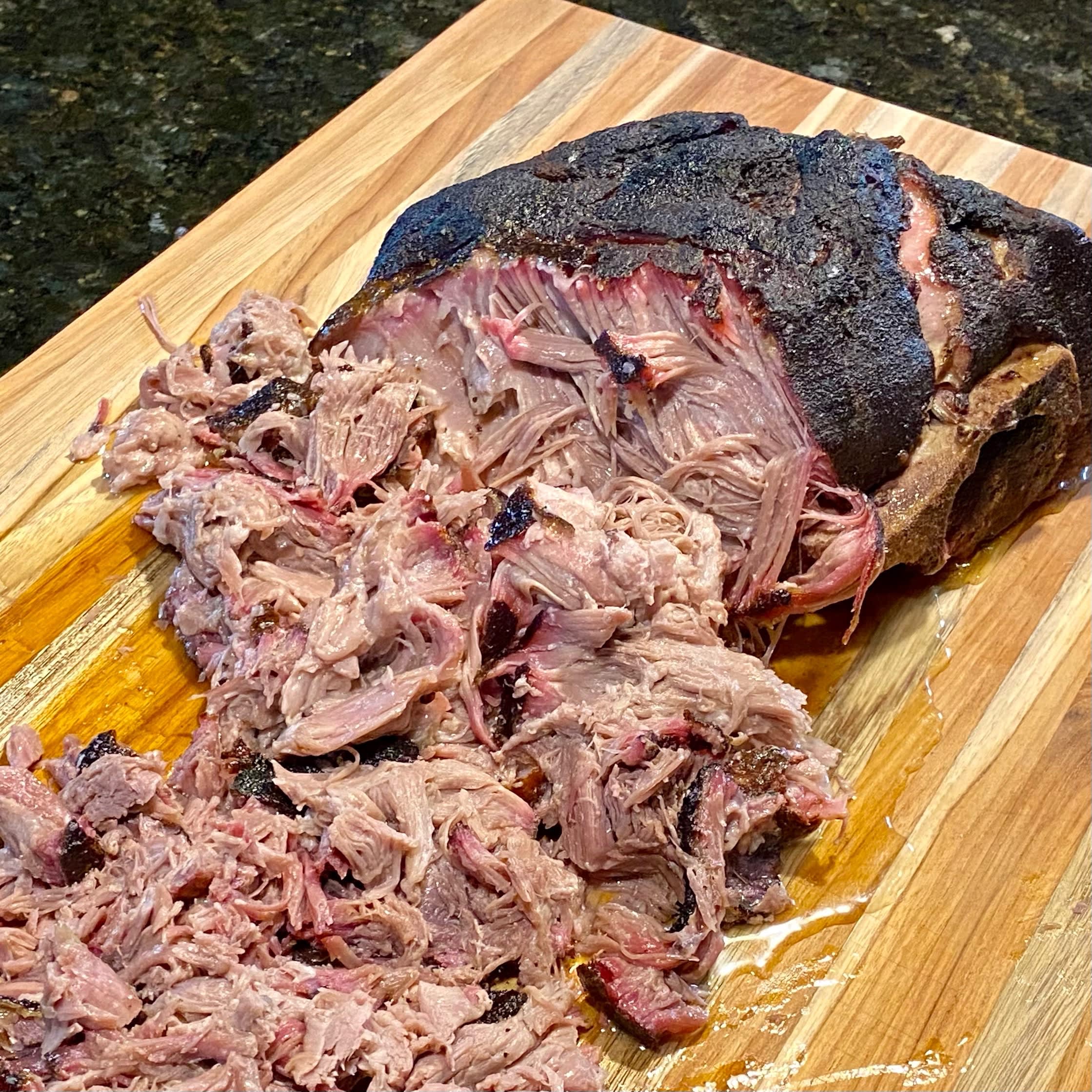
- Target Temperature: The ideal range is 195°F to 205°F (90°C-96°C). Don’t be afraid to go past 200°F (93°C). The meat should be “probe tender,” meaning a meat thermometer or skewer slides into the thickest part with very little resistance, feeling like it’s going into soft butter. This is a more reliable indicator than just temperature alone.
Resting for Juiciness and Tenderness
Once your Boston Butt reaches the target temperature and tenderness, resist the urge to immediately pull it apart. This is arguably the most crucial step after cooking.
- The Rest: Remove the butt from the heat, wrap it tightly in foil (if not already wrapped), and then wrap it in a towel. Place it in an insulated cooler (without ice) or a warm oven (turned off) for at least 1 hour, and ideally 2-4 hours. This resting period allows the muscle fibers to relax and reabsorb juices, resulting in an incredibly moist product. Think of it as allowing the experience of a resort to fully settle in before heading home – it enhances the overall enjoyment.
Pulling the Pork: The Grand Finale
After a proper rest, the meat should practically fall apart. Use two forks, bear claws, or even your gloved hands to shred the pork. Remove any excess fat or gristle, but keep some of the rendered fat for added flavor and moisture. Mix in some of the accumulated juices from the resting period.
Beyond the Plate: Pairing and Presentation in a Travel Context
Once you’ve mastered the art of cooking the Boston Butt, the next step is to serve it in a way that truly celebrates its rich heritage and versatility. This is where your personal lifestyle and travel experiences can truly shine, transforming a meal into a memorable event.
Classic Pairings: A Taste of the South
To truly honor its roots, serve your pulled pork with classic Southern sides. Imagine enjoying this spread in a charming guesthouse in Charleston, South Carolina, or a lively backyard in Austin, Texas.
- Sauces: Offer a variety. A tangy Carolina vinegar sauce (especially from North Carolina), a sweet and smoky Kansas City-style BBQ sauce, or a mustard-based sauce typical of South Carolina.
- Sides: Cole slaw (creamy or vinegar-based), cornbread, mac and cheese, baked beans, and pickles are all excellent choices.
- Beverages: Pair with a refreshing craft beer, sweet tea, or a bold bourbon to complement the rich flavors.
An International Twist: A Global Traveler’s Creation
For the global traveler who loves to blend cultures, the Boston Butt offers an incredible foundation for fusion cuisine. This is where the spirit of culinary exploration truly comes alive.
- Mexican Fiesta: Use the pulled pork for tacos or burritos, topping with salsa verde, pickled onions, and cilantro.
- Asian Fusion: Toss the shredded pork in a hoisin or gochujang sauce and serve in bao buns or lettuce wraps with a quick kimchi or spicy slaw.
- Mediterranean Spread: Incorporate the pork into pitas with tzatziki, feta, and a fresh cucumber-tomato salad.
- European Inspired: Serve with crusty bread and a rich gravy, perhaps with braised cabbage, mimicking a hearty German or Irish stew.
These creative interpretations showcase how a single dish, rooted in a specific tradition, can become a versatile ingredient for destination dining experiences in various locations.
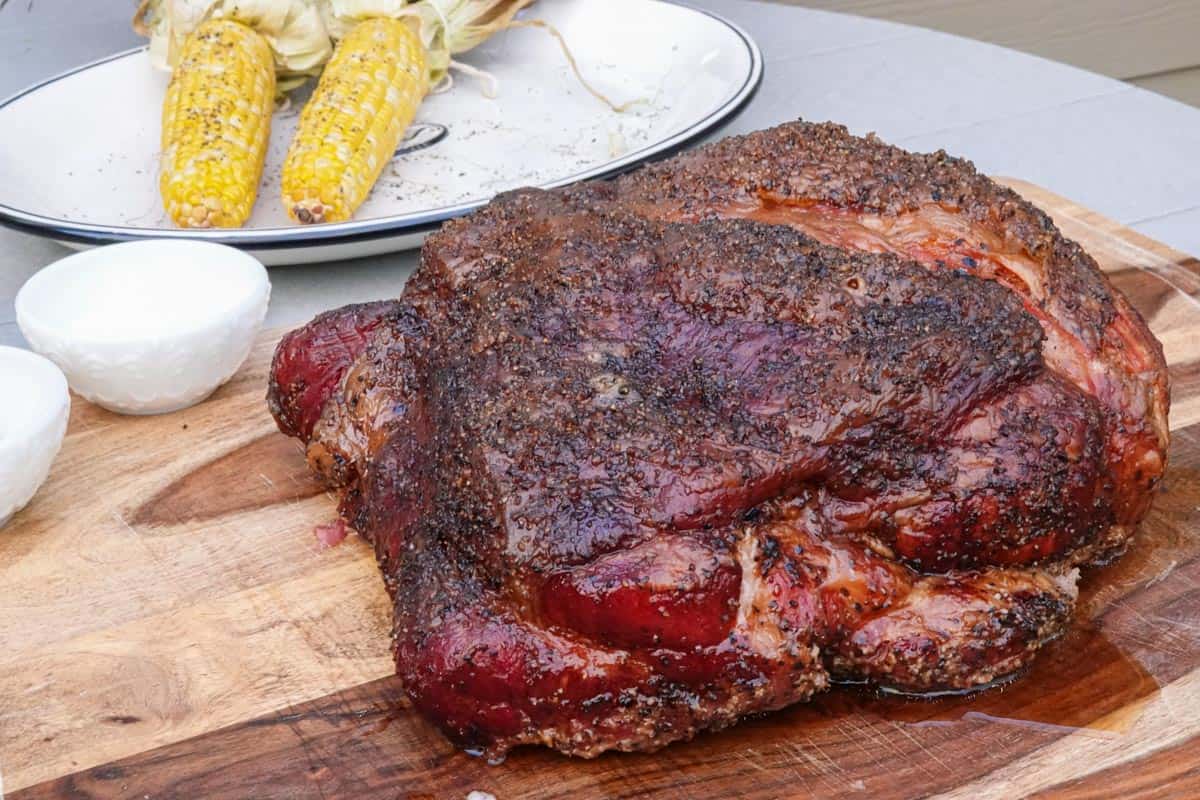
Embarking on Your Own Boston Butt Journey
The journey to perfectly cooked Boston Butt is more than just a recipe; it’s an experience in patience, precision, and ultimately, profound satisfaction. For those who embrace the lifestyle of discovery, whether through budget travel, luxury travel, or simply by bringing a piece of the world into their homes, this culinary adventure encapsulates much of what we celebrate at Life Out of the Box.
From understanding the heritage of the cut to mastering the “low and slow” technique and finally, presenting it with flair, cooking a Boston Butt is a rewarding endeavor. It’s a reminder that some of the most profound authentic experiences are found not just in grand landmarks or opulent hotel suites, but also in the shared joy of a beautifully prepared meal. So, gather your ingredients, set your temperature, and embark on your own Boston Butt journey – a culinary discovery that promises unforgettable flavor and a deeper connection to the rich tapestry of global food tourism.
LifeOutOfTheBox is a participant in the Amazon Services LLC Associates Program, an affiliate advertising program designed to provide a means for sites to earn advertising fees by advertising and linking to Amazon.com. Amazon, the Amazon logo, AmazonSupply, and the AmazonSupply logo are trademarks of Amazon.com, Inc. or its affiliates. As an Amazon Associate we earn affiliate commissions from qualifying purchases.