
Chicago, the vibrant heart of the American Midwest, is renowned for its stunning architecture, world-class museums, bustling culinary scene, and a lakefront that offers breathtaking views of Lake Michigan. Millions flock to the Windy City each year, drawn by its unique blend of urban sophistication and Midwestern charm. However, like many major metropolitan areas globally, Chicago occasionally faces periods of suboptimal air quality, prompting concerns among residents and visitors alike. When the sky turns hazy and the Air Quality Index (AQI) climbs, it naturally raises the question: “Why is the air quality bad in Chicago today?” Understanding the factors at play is crucial for both locals navigating their daily routines and tourists planning their explorations of this magnificent city. These episodes are often a complex interplay of distant environmental events, local industrial activity, and specific meteorological conditions, all converging to create a temporary shift in the air we breathe.

Unpacking the Haze: Major Contributors to Chicago’s Air Quality Challenges
The air quality in a sprawling metropolis like Chicago is rarely dictated by a single factor. Instead, it’s a dynamic system influenced by various sources, both near and far. Pinpointing the exact cause on any given day requires looking at a broader picture that extends beyond the city limits, often touching on global environmental phenomena and regional industrial landscapes.
The Far-Reaching Impact of Wildfires
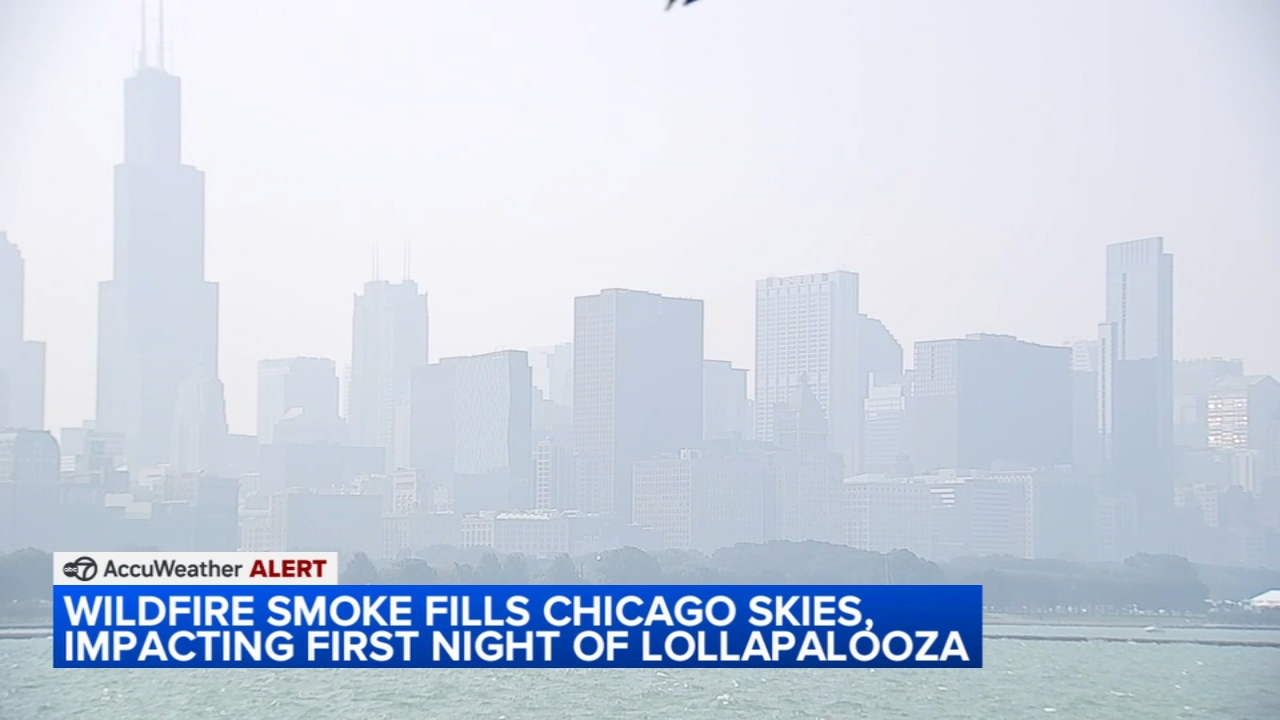
One of the most significant and increasingly common culprits behind poor air quality in Chicago in recent years has been the distant, yet potent, impact of wildfires. Particularly, large-scale blazes occurring in Canada have repeatedly sent plumes of smoke southwards, carried by prevailing winds across vast distances to blanket major U.S. cities, including Chicago. These Canadian wildfires can generate immense amounts of particulate matter – tiny airborne particles (PM2.5) that are small enough to be inhaled deep into the lungs.
When these smoke plumes reach Chicago, they dramatically increase the concentration of these harmful particulates in the local atmosphere. The result is often a noticeable haze, a smoky smell, and significantly elevated AQI readings. The severity and duration of this impact depend heavily on the intensity of the fires, the sheer volume of smoke produced, and the meteorological patterns that dictate its trajectory. While the fires themselves are thousands of miles away, their smoke acts as a silent, invisible visitor, momentarily transforming the city’s air and challenging residents and visitors to adapt their daily plans. This phenomenon highlights the interconnectedness of global environmental systems and how events in one region can have tangible consequences far beyond their immediate vicinity.
Local Emissions: An Urban Reality
While distant wildfires grab headlines, local sources of pollution are a perennial factor in Chicago’s air quality equation. As a major urban and industrial hub, Chicago inevitably contends with emissions generated within its own metropolitan area and the surrounding region.
Industrial Activity: The city and its environs are home to various industrial facilities, including power plants, refineries, and manufacturing operations. These can release pollutants such as sulfur dioxide, nitrogen oxides, and volatile organic compounds (VOCs) into the atmosphere. While regulations aim to control these emissions, they still contribute to the overall pollution burden, especially when combined with other factors. The presence of such industries along the southern shore of Lake Michigan in particular can create localized air quality concerns.
Vehicular Traffic: Chicago’s extensive network of highways and arterial roads, coupled with its large population, means a constant flow of vehicles. Cars, trucks, and buses emit nitrogen oxides, carbon monoxide, and particulate matter. During peak rush hours, these emissions can accumulate, especially in densely populated areas, contributing to ground-level ozone formation (smog) and elevated particulate levels. For those on a budget travel plan, walking or cycling might be preferred, but on bad air days, public transport or rideshares might be a healthier alternative.
Other Urban Sources: Beyond industrial and vehicular emissions, smaller sources contribute. These include residential heating, construction activities, and even everyday activities like grilling or using lawn equipment. While individually minor, collectively they add to the urban air quality challenge.
Meteorological Mischief: Weather’s Role in Air Stagnation
Even with stable local emissions and no distant wildfires, certain weather patterns can trap pollutants close to the ground, leading to poor air quality.
Temperature Inversions: Normally, air temperature decreases with altitude, allowing warm, pollutant-laden air to rise and disperse. However, during a temperature inversion, a layer of warm air sits above cooler air near the ground. This acts like a lid, trapping pollutants and preventing them from dissipating. This phenomenon is particularly common in cooler months or during periods of high-pressure systems.
Stagnant Air Masses: When winds are light and atmospheric pressure is high, air masses can become stagnant. This lack of air movement means that pollutants, whether from local sources or distant wildfires, are not carried away. Instead, they accumulate, leading to a build-up of smog and particulate matter.
Wind Direction: The direction of prevailing winds also plays a critical role. If winds blow from areas with heavy industrial activity or active wildfires, they can transport pollutants directly into Chicago’s airshed. Conversely, winds from cleaner areas, such as over Lake Michigan, can help improve air quality.
The combination of these factors, especially when wildfire smoke arrives during a period of temperature inversion and stagnant air, can push Chicago’s AQI into unhealthy or even hazardous levels.
Navigating the Haze: How Bad Air Quality Impacts Your Chicago Experience
When the air quality in Chicago takes a turn for the worse, it’s not just a statistic; it has tangible effects on daily life, impacting everything from travel plans to local lifestyle choices. For both the casual tourist and the long-term resident, understanding these impacts is key to making informed decisions and ensuring a comfortable, enjoyable experience in the city.
Travel and Tourism Implications
A beautiful day in Chicago often involves exploring its renowned outdoor attractions, taking in architectural boat tours, or simply strolling through its iconic parks. However, poor air quality can put a damper on these quintessential Chicago experiences.
Visibility for Landmarks: One of the most immediate effects is on visibility. The city’s famous skyline, a magnet for photographers and sightseers, can appear shrouded in a persistent haze. Iconic landmarks like the Willis Tower (formerly Sears Tower) or the gleaming bean of Cloud Gate in Millennium Park lose their crisp edges against a blurred backdrop. Observation decks, a popular draw for incredible city vistas, might offer a less inspiring view, potentially diminishing the experience for those who have traveled great distances to see them.
Impact on Outdoor Activities: Many of Chicago’s top attractions are outdoors. A leisurely stroll through Millennium Park, an afternoon at Navy Pier enjoying the lake breeze, or an architectural boat tour along the Chicago River become less appealing and potentially harmful during periods of bad air. Athletic events, outdoor concerts, and festivals may be postponed, canceled, or adjusted. For those on family trips, limiting outdoor playtime for children becomes a significant concern. Travel guides often highlight these outdoor activities, so visitors need to be aware of how to adjust their itinerary.
Advice for Tourists: Tourism operators and local authorities often advise visitors to check the current AQI before planning their day. This might involve adjusting itineraries to prioritize indoor attractions, especially for individuals sensitive to air pollution. It’s a good practice for any traveler to be flexible, ready to swap an outdoor sightseeing tour for a museum visit or an al fresco dining experience for an indoor culinary adventure.
Accommodation and Lifestyle Adjustments
For both short-term visitors seeking suitable accommodation and long-term residents, bad air quality necessitates certain lifestyle adjustments and considerations when choosing where to stay.
How Hotels Might Respond: During periods of poor air quality, many hotels and resorts in Chicago may take proactive measures. This could include upgrading HVAC systems with enhanced filtration to ensure cleaner indoor air, providing guests with advisories, or even offering N95 masks upon request. Luxury travel establishments, in particular, might promote their state-of-the-art air purification systems as a premium amenity. Guest services might also be prepared to recommend indoor activities and dining options.
Choosing Accommodations: When planning a trip, travelers might consider factors beyond just location and price. For instance, inquiring about a hotel’s air filtration systems or the availability of rooms with sealed windows could become relevant. Apartments or villas for long-term stays might require residents to invest in portable air purifiers. Those traveling with children or individuals with respiratory conditions might prioritize suites or properties with robust indoor air management. The choice of accommodation can significantly impact comfort and health during such times.
Impact on Dining and Socializing: Chicago’s vibrant dining scene often spills onto outdoor patios and rooftop bars, especially during warmer months. Bad air quality typically leads to the closure of these outdoor spaces, pushing diners indoors. This can impact the ambiance and the very nature of the city’s lively social lifestyle. Local events that involve outdoor gatherings might face difficult decisions regarding safety.
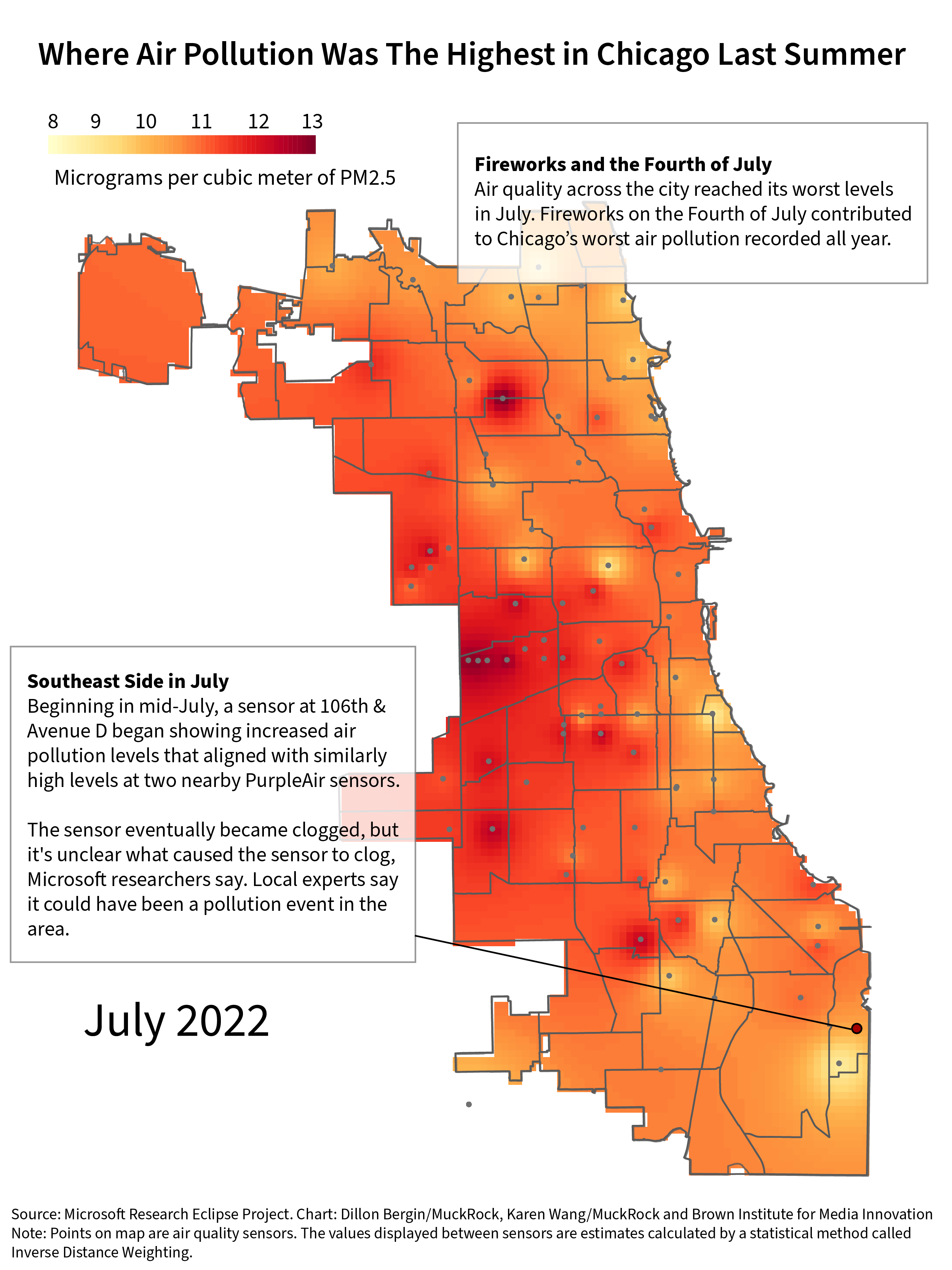
Health Considerations: The most critical impact is on health. Fine particulate matter (PM2.5) can penetrate deep into the respiratory system, exacerbating conditions like asthma, bronchitis, and other respiratory illnesses. It can also cause eye and throat irritation. Elderly individuals, children, and those with pre-existing health conditions are particularly vulnerable. Residents engaged in active lifestyle activities, such as jogging along the lakefront, might need to shift their routines indoors or reduce intensity. For visitors, being aware of these risks helps them make safer choices during their stay.
Staying Safe and Enjoying Chicago Amidst Air Quality Concerns
While periods of poor air quality can pose challenges, they shouldn’t deter visitors or overshadow the undeniable appeal of Chicago. With awareness, planning, and a readiness to adapt, both residents and tourists can continue to enjoy the city safely and fully.
Practical Tips for Visitors and Residents
Navigating days with elevated AQI requires proactive measures. These tips are designed to minimize exposure and maintain well-being:
- Monitor Air Quality Apps and Websites: Always start your day by checking the local AQI. Reliable sources like AirNow.gov or local news channels provide real-time updates and forecasts. Many smartphone apps are also available, making it easy to stay informed.
- Limit Strenuous Outdoor Activity: When the AQI is elevated, especially in the “unhealthy for sensitive groups” or higher categories, it’s advisable to reduce or avoid prolonged or strenuous outdoor exertion. This includes jogging, cycling, and vigorous walks. Opt for indoor alternatives for your fitness routine.
- Use N95 Masks: For those who must be outdoors for extended periods, wearing a well-fitting N95 mask can provide a good level of protection against particulate matter. Simple cloth masks offer little to no protection against fine particles in smoke or smog.
- Stay Hydrated: Drinking plenty of water can help alleviate some of the irritation that poor air quality can cause in the throat and nasal passages.
- Keep Indoor Air Clean: Close windows and doors to prevent outdoor air from entering your home or hotel room. If you have an HVAC system, set it to recirculate and ensure filters are clean and high-efficiency (MERV 13 or higher). Portable air purifiers can also be beneficial in indoor spaces. Avoid activities that contribute to indoor air pollution, such as burning candles, using fireplaces, or vacuuming without proper filtration.
- Adjust Travel Plans: Be flexible with your itinerary. If your plans include outdoor attractions, have indoor alternatives ready. This might mean rescheduling a park visit for another day or opting for a museum instead. Many hotels offer good amenities to keep guests entertained indoors.
Embracing Chicago’s Indoor Gems
Fortunately, Chicago is a city rich in indoor experiences that offer comfort, culture, and excitement, regardless of the outdoor air quality. This makes it an ideal destination for those seeking a vibrant urban lifestyle even when outdoor conditions are not perfect.
- World-Class Museums: Chicago boasts some of the finest museums in the world. Immerse yourself in art at the Art Institute of Chicago, home to an incredible collection spanning centuries and continents. Explore natural history and fascinating exhibits at the Field Museum. The Museum of Science and Industry and the Shedd Aquarium also offer captivating experiences for all ages, making them perfect destinations for family trips.
- Shopping on Magnificent Mile: Indulge in retail therapy along the iconic Magnificent Mile, a stretch of Michigan Avenue renowned for its upscale boutiques, department stores, and diverse shops. Many malls and indoor shopping centers also provide extensive options.
- Live Performances and Theaters: Chicago has a legendary theater scene, from Broadway-in-Chicago productions to intimate improv shows at places like The Second City. Catch a concert, a play, or a comedy show for an unforgettable evening.
- Culinary Experiences: The city is a foodie paradise. Explore diverse neighborhoods, each offering unique culinary delights, from deep-dish pizza to Michelin-starred restaurants. Enjoy a leisurely meal indoors, perhaps at one of the city’s many highly-rated establishments. Many hotels also feature excellent in-house restaurants.
- Indoor Attractions: Consider visiting the Chicago Architecture Center for an interactive overview of the city’s famous buildings, or explore the expansive indoor areas of Navy Pier, which include shops, restaurants, and entertainment venues. Even the Willis Tower Skydeck, while known for its views, is primarily an indoor experience.
In conclusion, while concerns about air quality in Chicago are valid and require attention, they are often temporary situations influenced by factors both local and distant. The city’s resilience and its wealth of indoor attractions, coupled with practical advice for personal safety, ensure that Chicago remains a premier destination. By staying informed and adapting their plans, visitors and residents can continue to explore and appreciate the rich tapestry of experiences this dynamic metropolis has to offer, regardless of what the AQI might be on any given day. The enduring spirit of Chicago and its vibrant cultural scene continue to thrive, always ready to welcome the curious traveler and the dedicated local alike.
LifeOutOfTheBox is a participant in the Amazon Services LLC Associates Program, an affiliate advertising program designed to provide a means for sites to earn advertising fees by advertising and linking to Amazon.com. Amazon, the Amazon logo, AmazonSupply, and the AmazonSupply logo are trademarks of Amazon.com, Inc. or its affiliates. As an Amazon Associate we earn affiliate commissions from qualifying purchases.