
Alaska, often called the “Last Frontier,” conjures images of endless wilderness, towering mountains, and pristine landscapes. But how vast is this northern giant truly? The question “How many acres is in Alaska?” leads us down a rabbit hole of staggering numbers that underscore the state’s unparalleled scale and its profound implications for travel, tourism, and lifestyle. To grasp the sheer magnitude of Alaska is to begin to understand the unique experiences it offers, from sprawling national parks to isolated wilderness lodges and vibrant, albeit remote, cities.
At its core, Alaska spans an incredible 424,512,000 acres. For context, that’s approximately 663,300 square miles, making it by far the largest state in the United States. It’s more than twice the size of Texas and larger than the combined area of Texas, California, and Montana. This immense acreage isn’t just a number; it’s the canvas upon which countless adventures unfold, defining the very essence of what it means to travel, explore, and even live in this extraordinary corner of the world.
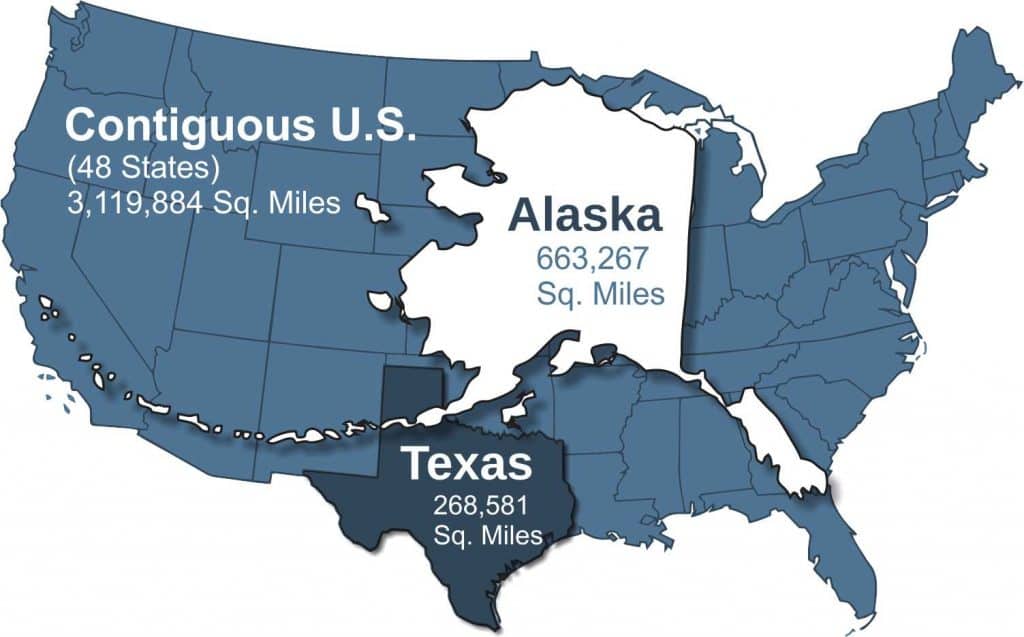
The Staggering Scale of the Last Frontier
The sheer immensity of Alaska is difficult to comprehend, even for seasoned travelers. Its size dictates everything from the logistics of transportation to the diversity of its ecosystems and the very nature of its tourism industry. Understanding this vastness is the first step in appreciating the unique challenges and incredible rewards of an Alaskan journey.
Unpacking Alaska’s Immense Size
When we talk about 424.5 million acres, we’re discussing a landmass so expansive that it boasts an astounding 34,000 miles of coastline, more than all other United States states combined. It borders Canada to the east and has a maritime border with Russia to the west. This vast territory encompasses everything from temperate rainforests in the southeast to Arctic tundra in the north, creating a geographical tapestry unlike anywhere else on Earth.
This gargantuan footprint means that Alaska is home to 17 of the 20 highest peaks in the United States, including Denali (formerly Mount McKinley), North America’s tallest mountain. Its landscape is punctuated by over 3 million lakes, 3,000 rivers, and an estimated 100,000 glaciers. The scale is not merely a statistic; it’s a living, breathing testament to untouched wilderness and monumental natural forces. For those planning a trip, this vastness implies that a single visit can only ever scratch the surface, encouraging repeat journeys to explore its myriad facets.
A Land of Geographic Extremes
Alaska’s sprawling acreage is responsible for its incredible geographic diversity. From the fjords and islands of the Inside Passage to the volcanic landscapes of the Aleutian Islands and the permafrost plains of the Arctic Slope, the state offers a range of environments unmatched by any other single destination. This diversity is a magnet for various types of travelers, from cruise ship enthusiasts to extreme adventurers.
The interior, home to cities like Fairbanks, experiences dramatic temperature swings, from sub-zero winters that invite Northern Lights viewing to surprisingly warm, long summer days. The coastal regions, such as those around Juneau and Anchorage, benefit from moderating oceanic influences, supporting lush forests and abundant marine life. This array of climates and topographies ensures that a trip to Alaska can be tailored to virtually any preference, from ice climbing to wildlife photography.
Navigating Alaska’s Vastness: Travel & Tourism
With such an immense land area, how does one even begin to navigate Alaska? The answer lies in understanding its distinct regions and the unique travel experiences each offers. Tourism in Alaska is inherently tied to its scale, often involving multi-modal transportation and a deep appreciation for the journey itself.
Diverse Regions for Every Explorer
Each of Alaska’s main regions provides a fundamentally different experience, drawing on its unique geography and cultural heritage.
- The Inside Passage: This southeastern sliver of Alaska is characterized by a labyrinth of islands, fjords, and evergreen forests. Accessible primarily by cruise ship or ferry, it offers breathtaking views of glaciers, wildlife like whales and bears, and charming towns such as Juneau, Sitka, and Ketchikan. It’s a popular choice for those seeking comfort and guided exploration amidst stunning natural beauty.
- Southcentral Alaska: Home to Alaska’s largest city, Anchorage, this region serves as a hub for air and road travel. It offers a mix of urban amenities and quick access to wilderness, including the Kenai Peninsula with its world-class fishing and the majestic Chugach Mountains. Resorts like Alyeska Resort near Girdwood offer year-round outdoor activities.
- Interior Alaska: This vast heartland, centered around Fairbanks, is the gateway to Denali National Park and Preserve and offers true wilderness experiences. It’s known for long summer days, exceptional Northern Lights viewing in winter, and a rugged, pioneering spirit.
- Arctic Alaska: Remote and extreme, this region is for the most adventurous travelers, offering insights into Indigenous cultures and incredible wildlife such as polar bears and caribou. Towns like Utqiaġvik (Barrow) provide a glimpse into life above the Arctic Circle.
The sheer distances between these regions necessitate careful planning, often involving a combination of flights, scenic train rides like the Alaska Railroad, and extensive road trips, making the journey an integral part of the Alaskan experience.
Iconic Landmarks and Natural Wonders
Within Alaska’s colossal acreage lie some of the planet’s most revered natural landmarks. These destinations are prime examples of why millions flock to the state annually, seeking awe-inspiring beauty and unparalleled outdoor adventure.
- Denali National Park and Preserve: Home to North America’s highest peak, Denali, this park covers 6 million acres itself – larger than the state of Massachusetts. It’s a wilderness sanctuary teeming with grizzlies, moose, caribou, and wolves, offering limited road access to preserve its pristine state. Visitors embark on bus tours to increase their chances of wildlife sightings and spectacular mountain views.
- Glacier Bay National Park and Preserve: Part of a UNESCO World Heritage Site, Glacier Bay is best explored by cruise ship or smaller vessel, allowing visitors to witness tidewater glaciers calve into the sea, an unforgettable display of nature’s power. Its waters are also prime habitat for humpback whales and other marine mammals.
- Kenai Fjords National Park: Located near Seward on the Kenai Peninsula, this park showcases a dramatic coastline carved by glaciers descending from the Harding Icefield. Boat tours offer close encounters with puffins, sea lions, and glaciers, providing a true sense of the raw power of the Alaskan landscape.
- Mendenhall Glacier: Easily accessible from Juneau, this 13-mile-long glacier is a stunning example of Alaska’s retreating ice formations. Visitors can hike to viewpoints, visit the visitor center, and even kayak to the glacier’s face, making it a perfect day trip for cruise passengers and independent travelers alike.
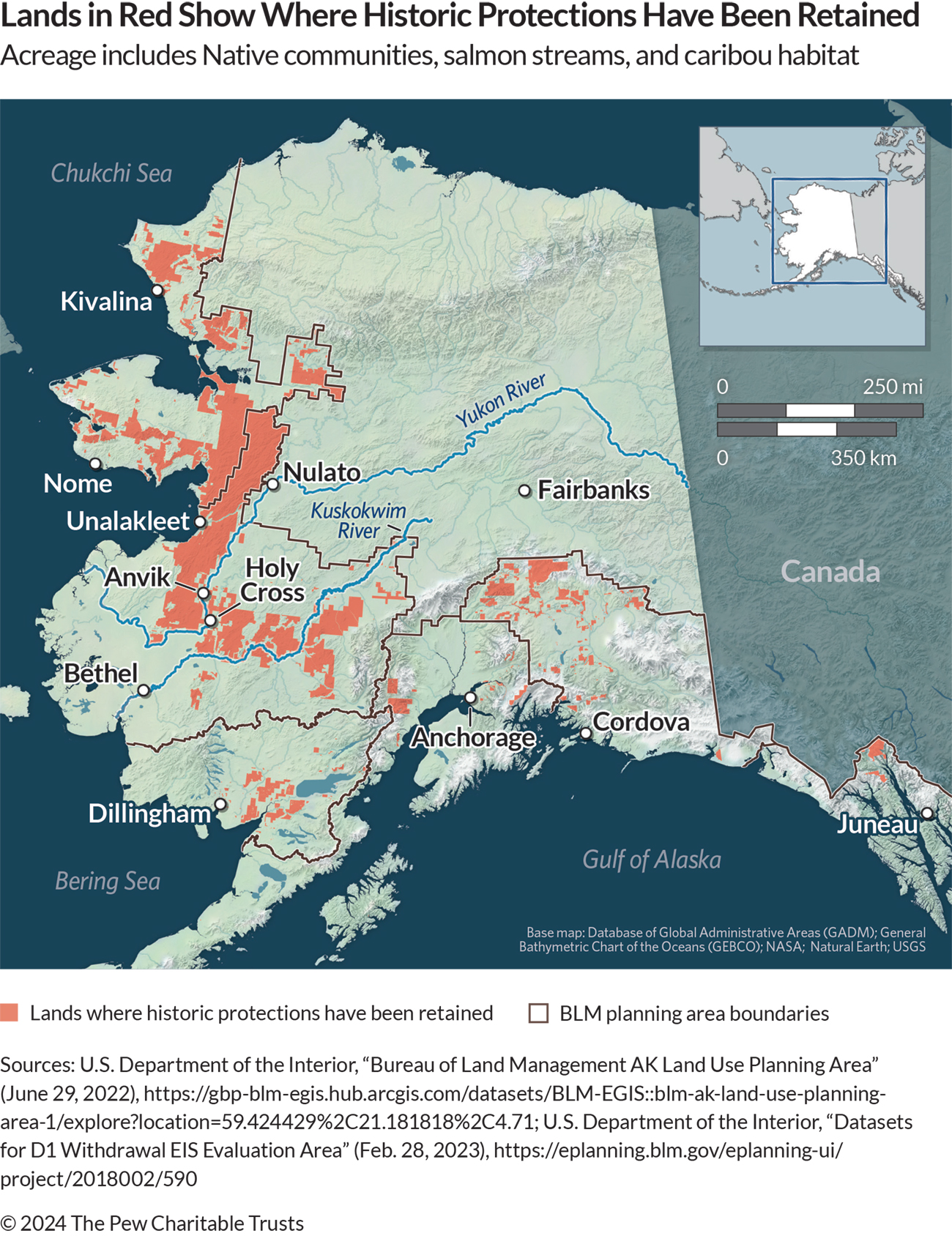
These landmarks, spread across millions of acres, highlight the monumental scale of Alaska and the countless opportunities for exploration and connection with nature that its vastness affords.
Accommodation and Lifestyle: Living the Alaskan Dream
The enormous landmass of Alaska profoundly influences the types of accommodation available and the unique lifestyle it fosters. From luxury lodges nestled deep in the wilderness to cozy city hotels, the lodging options reflect the state’s diverse geography and visitor expectations. Similarly, the Alaskan way of life, whether for residents or long-term visitors, is intrinsically tied to its wild, expansive environment.
Lodging Options Across the Wilderness
Given Alaska’s immense size and often remote locations, accommodation choices are varied and often designed to integrate seamlessly with the natural surroundings.
- Wilderness Lodges: For those seeking immersion in nature, Alaska boasts an array of fly-in or boat-access-only wilderness lodges. These typically offer all-inclusive packages that include gourmet meals, guided excursions (such as bear viewing, fishing, or kayaking), and unparalleled access to remote landscapes. Examples might include boutique lodges near Katmai National Park for brown bear photography or cozy cabins along the Kenai River for unparalleled salmon fishing.
- Luxury Resorts: In more accessible areas, such as near Girdwood or along the route to Denali, you’ll find upscale resorts like Alyeska Resort or Talkeetna Alaskan Lodge. These properties blend comfortable amenities with stunning views and easy access to organized tours and activities. They cater to travelers who appreciate luxury travel combined with outdoor adventure.
- City Hotels and Boutique Stays: Anchorage, Juneau, and Fairbanks offer a range of hotels, from international chains to charming boutique hotels and independent bed-and-breakfasts. These serve as convenient bases for exploring urban attractions, museums, and local culture, while also providing gateways to surrounding natural wonders.
- Cabins and Campgrounds: For budget travelers or those seeking a more rustic experience, Alaska’s state parks and national forests offer numerous cabins and campgrounds, providing an authentic way to connect with the land. These can be found in places like the Chugach National Forest or the vast Tongass National Forest, requiring advance booking, especially during peak season.
The vastness means that choosing accommodation often involves deciding how deep into the wilderness you wish to venture and what level of comfort and connectivity you desire.
Embracing the Alaskan Lifestyle
The immense acreage of Alaska shapes a distinct lifestyle for its residents and influences the visitor experience. It’s a lifestyle defined by a deep connection to nature, self-reliance, and a profound appreciation for the outdoors.
For many Alaskans, activities like fishing, hunting, hiking, dog sledding, and cross-country skiing are not just hobbies but integral parts of daily life. The abundance of land means privacy and space are highly valued. This translates into a travel experience where visitors can truly disconnect from the urban grind and immerse themselves in natural tranquility.
The vastness also means a slower pace of life in many areas, encouraging mindful travel and a deeper engagement with local communities. Tourists can experience local culture firsthand, from the traditional arts of Native Alaskan peoples to the vibrant fishing communities along the coast. Whether it’s sampling freshly caught Alaskan salmon, learning about frontier history in Skagway, or embarking on a thrilling flightseeing tour over glaciers, the lifestyle fostered by Alaska’s immense acreage is one of exploration, appreciation, and enduring adventure.
Planning Your Alaskan Adventure: Maximizing Your Journey
Given Alaska’s staggering 424.5 million acres, planning a trip requires careful consideration to make the most of your time and experience the diverse wonders it holds. It’s not a destination where you can simply “see it all” in one go; rather, it encourages focused itineraries and a return visit.
Best Time to Visit and Key Activities
The optimal time to visit Alaska largely depends on the experience you seek, as the different seasons transform the landscape and available activities.
- Summer (June-August): This is peak season, offering long daylight hours (up to 24 hours in some northern areas), warmer temperatures, and full access to roads, parks, and tour operators. It’s the best time for wildlife viewing (especially bears and marine life), hiking, fishing, and exploring national parks. Cruises through the Inside Passage are incredibly popular during these months.
- Shoulder Seasons (May & September): These months offer fewer crowds, potentially lower prices, and unique photographic opportunities. May sees the awakening of spring, while September brings the vibrant colors of autumn foliage and excellent chances for Northern Lights viewing as the nights grow longer. Some services may have reduced hours or be closed towards the end of September.
- Winter (October-April): While challenging due to cold temperatures and limited daylight, winter in Alaska offers magical experiences like exceptional Northern Lights displays, dog sledding, ice fishing, and skiing. Cities like Fairbanks are prime destinations for winter activities.
Key activities span the spectrum of outdoor adventure:
- Wildlife viewing: From bear viewing trips to Katmai National Park to whale watching tours in Prince William Sound.
- Glacier exploration: Kayaking among icebergs, glacier treks, or flightseeing tours over vast icefields.
- Outdoor Sports: Hiking in Denali, salmon fishing in the Kenai River, or skiing at Alyeska Resort.
- Cultural Immersion: Visiting Native Alaskan cultural centers or exploring historical sites in Skagway or Juneau.
Essential Tips for Exploring the Great North
Navigating Alaska’s 424.5 million acres requires some practical considerations to ensure a smooth and memorable trip.
- Plan Ahead: Due to the limited infrastructure and high demand during peak season, especially for popular tours and remote lodges, booking flights, accommodation, and excursions well in advance is crucial. This is particularly true for unique experiences like bear viewing or specialized wilderness stays.
- Transportation is Key: Don’t underestimate the distances. Consider a combination of transportation methods: a cruise for the Inside Passage, a rental car for Southcentral Alaska (though many roads are unpaved), the Alaska Railroad for scenic routes, and internal flights for reaching remote areas or hopping between major cities.
- Dress in Layers: Alaskan weather can change rapidly, even in summer. Pack versatile clothing that can be layered, including waterproof and windproof outerwear, regardless of the season.
- Respect the Wilderness: Always practice Leave No Trace principles. Wildlife is abundant but wild; maintain a safe distance and never feed animals. Be prepared for encounters, especially with bears, and carry bear spray if hiking in remote areas.
- Embrace the Unexpected: The vastness of Alaska means you might encounter delays due to weather or wildlife. Embrace the flexibility and allow for spontaneous detours; often, these lead to the most unforgettable moments.
Ultimately, the answer to “How many acres is in Alaska?” is a gateway to understanding the incredible scale and boundless possibilities of this extraordinary state. It’s a land that promises adventure, tranquility, and a profound connection to the wild, making it a dream destination for any traveler.
LifeOutOfTheBox is a participant in the Amazon Services LLC Associates Program, an affiliate advertising program designed to provide a means for sites to earn advertising fees by advertising and linking to Amazon.com. Amazon, the Amazon logo, AmazonSupply, and the AmazonSupply logo are trademarks of Amazon.com, Inc. or its affiliates. As an Amazon Associate we earn affiliate commissions from qualifying purchases.