
Navigating the skies to and from a vibrant metropolitan area like Boston, Massachusetts can sometimes feel like a complex puzzle. For travelers, understanding the airport infrastructure is a crucial first step in planning any trip, whether for business or leisure. While many visitors immediately think of the primary gateway, Logan International Airport, the reality of air travel in and around this historic New England hub is more nuanced. Beyond the main international gateway, several smaller, specialized, and regional airports contribute to the overall aviation landscape, serving a variety of needs from private aviation to cargo operations and even general aviation enthusiasts. This exploration delves into the distinct airports serving the Boston metropolitan area, providing a comprehensive overview for the discerning traveler.
The Dominant Gateway: Boston Logan International Airport
Boston Logan International Airport (BOS) is unequivocally the cornerstone of air travel for the region, handling the vast majority of passenger and cargo traffic. Operated by the Massachusetts Port Authority (Massport), Logan is a major international hub, connecting New England to destinations across the globe. Its strategic location on the eastern edge of the city, across the Boston Harbor, makes it remarkably accessible for most visitors.
Terminals and Airlines
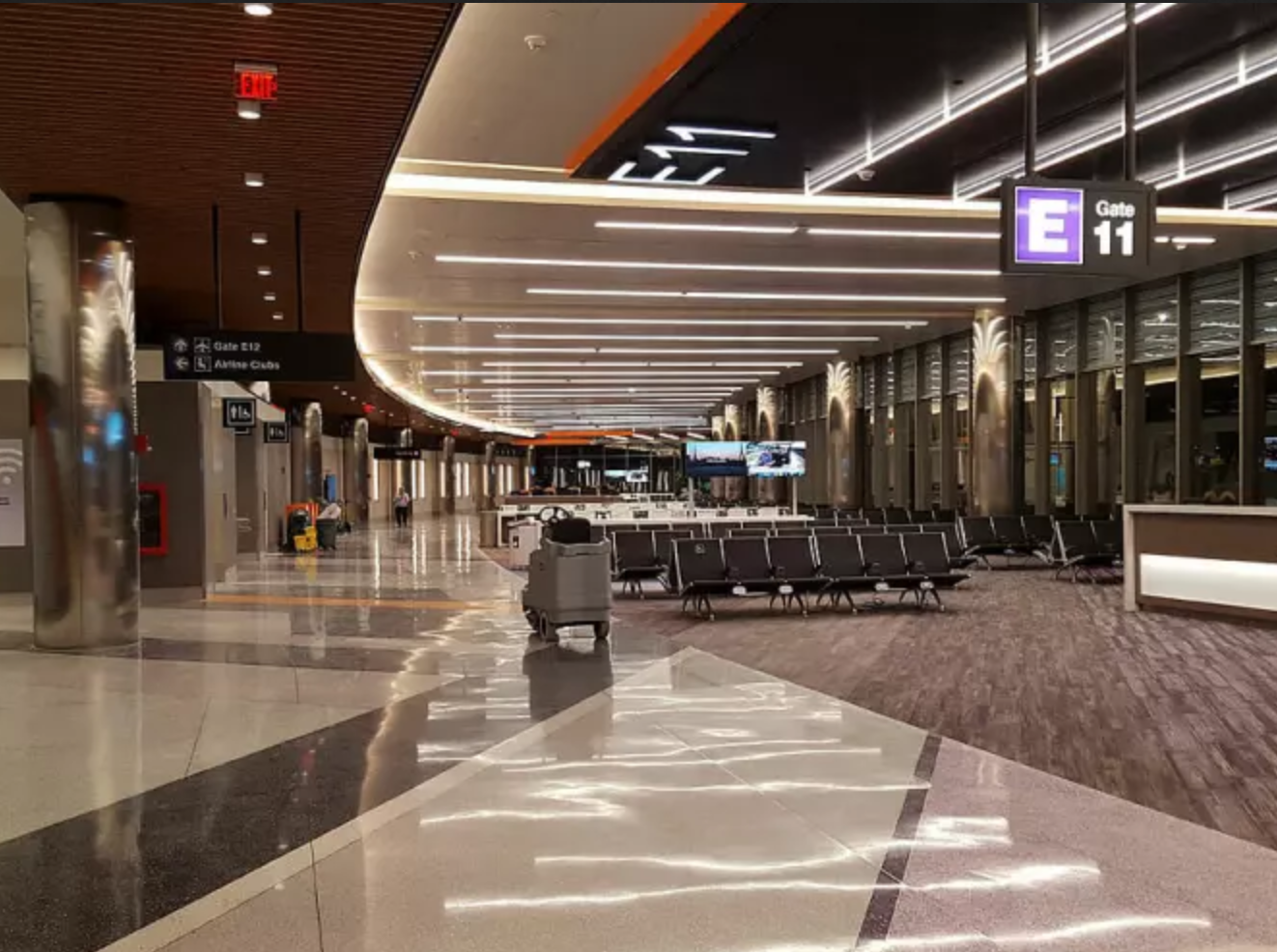
Logan International Airport is a sprawling complex comprised of four passenger terminals: Terminal A, Terminal B, Terminal C, and Terminal E. Each terminal is designed to serve specific airlines and flight types, offering a distinct experience for travelers.
- Terminal A: Primarily serves Delta Air Lines and its regional partners. It’s known for its modern design and passenger amenities.
- Terminal B: Historically served American Airlines and US Airways (now part of American Airlines), as well as other domestic carriers. It is currently undergoing significant redevelopment.
- Terminal C: Primarily hosts JetBlue Airways and is a hub for many domestic and some Caribbean destinations.
- Terminal E: The international terminal, serving a wide array of foreign and domestic airlines for international flights. It is also used by some domestic carriers for certain routes.
The sheer volume of airlines operating out of Logan underscores its importance. From major international carriers like British Airways, Air France, and Emirates to domestic giants such as United Airlines and Southwest Airlines, travelers have an extensive network of flight options.
Connectivity and Transportation
Getting to and from Logan is an integral part of the travel experience. Massport has invested heavily in improving connectivity. The MBTA’s Blue Line subway offers direct rail access to downtown Boston, and the Silver Line bus rapid transit connects to various points within the city and to South Station. Additionally, water transportation options via Boston Harbor Cruises provide a scenic and efficient route to the downtown waterfront. Taxis, ride-sharing services, and rental cars are also readily available, catering to diverse travel needs.
Beyond the Main Hub: General Aviation and Smaller Airports
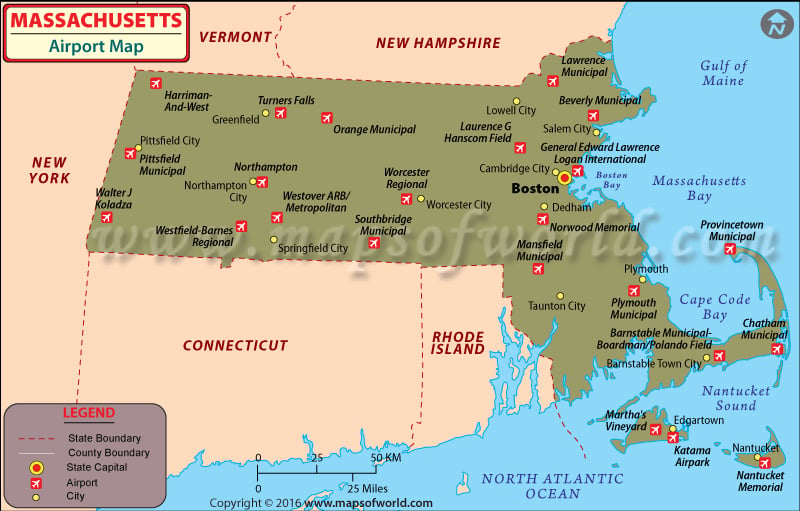
While Logan handles the lion’s share of commercial air traffic, the Boston metropolitan area is also served by several smaller airports that cater to general aviation, corporate travel, and specific operational needs. These airports, though not typically listed in mainstream travel guides for commercial flights, are vital components of the regional aviation ecosystem.
Beverly Regional Airport
Located about 20 miles northeast of downtown Boston in Beverly, Massachusetts, Beverly Regional Airport (BVY) is a public, general aviation airport. It features two runways and serves as a base for numerous private aircraft, flight schools, and charter operations. For those traveling by private jet or seeking a more personalized flying experience, Beverly offers a convenient alternative to the bustling commercial environment of Logan. The airport provides essential services for pilots and aircraft owners, including fuel, maintenance, and hangar space. Its proximity to the North Shore’s affluent communities and coastal attractions makes it a valuable asset for regional travel.

Norwood Memorial Airport
Situated approximately 25 miles southwest of downtown Boston, Norwood Memorial Airport (OWD) is another significant general aviation facility. It boasts two runways and a range of services catering to private pilots and corporate flight departments. Norwood is a popular choice for business aviation, offering efficient access to the business parks and corporate centers located in the southern suburbs of Boston. The airport hosts a number of aviation-related businesses, including avionics repair shops and aircraft charter companies. Its strategic location provides convenient access to areas west and south of the city, often bypassing the traffic congestion associated with reaching Logan.
Lawrence Municipal Airport
Further north of the city, in Lawrence, Massachusetts, lies Lawrence Municipal Airport (LWM). This airport primarily serves general aviation and is a hub for flight training and recreational flying. While less utilized by corporate aviation compared to Norwood or Beverly, it plays a crucial role in supporting local aviation activities. It features a single asphalt runway and provides basic services for pilots. For residents of the northern suburbs, it offers a local option for flying.
Marshfield Municipal Airport
On the South Shore, Marshfield Municipal Airport (Marshfield) serves the general aviation needs of the southeastern Massachusetts region. It is a smaller facility, primarily supporting recreational pilots and small aircraft operations. Its location on the coast makes it a picturesque spot for aviation enthusiasts.
Specialized Aviation Facilities
Beyond the general aviation airports, the region also supports facilities with more specialized roles, though these are less relevant for the typical traveler seeking commercial flights.
Hanscom Field
Hanscom Field (BED), located in Bedford, Massachusetts, is a high-volume general aviation airport that is a part of the Massachusetts Port Authority (Massport) system, alongside Logan. It is a significant center for corporate aviation, private aircraft, and aeronautical research and development, being adjacent to the Hanscom Air Force Base. It offers extensive services for private and business aircraft, including extensive ramp space, maintenance, and FBO (Fixed-Base Operator) services. For high-net-worth individuals and corporations conducting business in the region, Hanscom Field often provides a more streamlined and exclusive arrival and departure experience than Logan.
Boston-Logan International Airport’s Cargo Operations
It’s important to note that while the passenger terminals at Logan International Airport are well-defined, the airport also possesses significant cargo operations. While not a passenger destination in itself, the cargo facilities are a critical part of the airport’s overall function and economic impact, contributing to the flow of goods into and out of the New England region.
Understanding the Boston Aviation Landscape
In summary, when considering “airports in Boston, Massachusetts”, the answer is not a single entity. For the vast majority of travelers arriving or departing by commercial flight, Boston Logan International Airport is the primary and indeed the only commercial airport directly within the city limits that serves international and domestic routes on a large scale. However, the broader metropolitan area is supported by a network of general aviation airports like Beverly Regional Airport, Norwood Memorial Airport, and Lawrence Municipal Airport, which are essential for private, corporate, and recreational aviation. Hanscom Field further bolsters this by serving as a key hub for business aviation. Understanding these distinctions allows travelers to better grasp the complex aviation ecosystem that supports this dynamic and historically significant region, ensuring more informed travel planning.
LifeOutOfTheBox is a participant in the Amazon Services LLC Associates Program, an affiliate advertising program designed to provide a means for sites to earn advertising fees by advertising and linking to Amazon.com. Amazon, the Amazon logo, AmazonSupply, and the AmazonSupply logo are trademarks of Amazon.com, Inc. or its affiliates. As an Amazon Associate we earn affiliate commissions from qualifying purchases.