
Navigating the ever-evolving landscape of cannabis legality can be a complex endeavor, especially when considering specific states and their unique regulations. For those planning a trip to or residing in Nebraska, understanding the legal status of Delta 9-tetrahydrocannabinol (Delta 9 THC), the primary psychoactive compound in cannabis, is paramount. This exploration delves into the nuances of Nebraska law concerning Delta 9, differentiating it from hemp-derived products and outlining the current legal framework.
Understanding Delta 9 THC and its Legal Standing
Delta 9 THC is the most well-known cannabinoid found in the cannabis plant. Its presence and concentration are the primary factors determining the legal classification of cannabis as either marijuana or hemp. Historically, marijuana containing Delta 9 THC above a certain threshold has been subject to strict prohibition in many jurisdictions, including Nebraska.

The definition of marijuana typically hinges on the percentage of Delta 9 THC by dry weight. In federal law, and by extension in many state laws, cannabis with less than 0.3% Delta 9 THC on a dry weight basis is classified as hemp, while cannabis exceeding this threshold is considered marijuana. This distinction is crucial for understanding the legality of various cannabis-derived products.
The Federal Hemp Farming Act of 2018
A pivotal moment in the legalization of hemp and its derivatives was the passage of the Farm Bill in 2018, also known as the Agricultural Improvement Act of 2018. This landmark legislation federally legalized hemp, defined as cannabis plants and their derivatives containing no more than 0.3% Delta 9 THC by dry weight. This federal action opened the door for the production and sale of hemp-derived CBD, Delta 8 THC, and, under specific conditions, Delta 9 THC.
The key to the legality of hemp-derived Delta 9 THC lies in its origin and concentration. Products derived from hemp that adhere to the 0.3% Delta 9 THC dry weight limit are legal at the federal level. This means that even though Delta 9 THC is the same molecule found in marijuana, its legal status can differ significantly based on whether it is sourced from hemp or marijuana.
Nebraska’s Stance on Cannabis
Nebraska has historically maintained a more conservative approach to cannabis regulation compared to many other states. As of the latest legislative updates, Nebraska has not legalized marijuana for recreational or medical use. This means that cannabis plants and products containing Delta 9 THC above the 0.3% hemp threshold are generally illegal.
However, the legal status of hemp-derived products, including those containing Delta 9 THC within the federal limit, requires careful examination within the context of Nebraska state law. The state’s interpretation and enforcement of these federal guidelines are what ultimately dictate legality within its borders.
Delta 9 THC from Hemp in Nebraska: A Closer Look
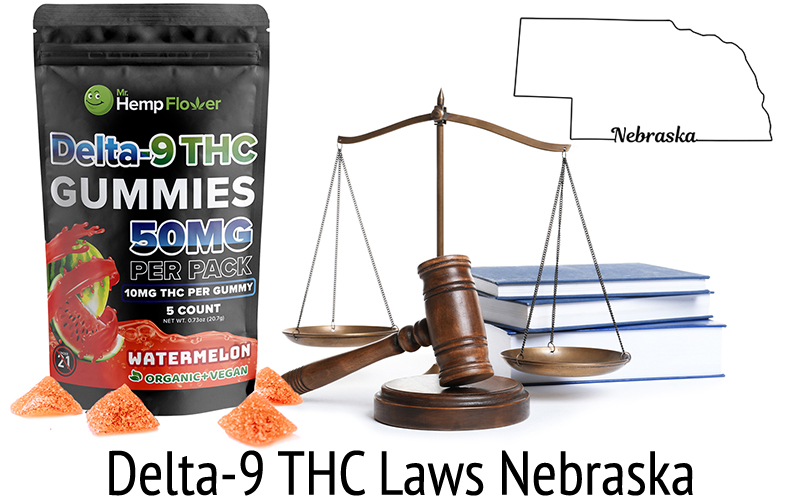
The legality of Delta 9 THC in Nebraska largely revolves around its source. Products derived from legally defined hemp—meaning they contain no more than 0.3% Delta 9 THC by dry weight—are generally permitted. This often applies to products like hemp-derived Delta 9 gummies, tinctures, and other edibles that fall within this concentration limit.
It is imperative for consumers and businesses to understand that even if a product originates from hemp, it must strictly comply with the 0.3% Delta 9 THC dry weight threshold. Any deviation from this standard can render the product illegal. The responsibility falls on manufacturers and distributors to ensure their products meet these legal requirements.
Navigating Nebraska Regulations for Hemp-Derived Delta 9
While the federal Farm Bill provides a framework, individual states can enact their own laws regarding hemp and its derivatives. Nebraska has specific statutes that address hemp cultivation, processing, and the sale of hemp-derived products.
Key considerations for Delta 9 THC products derived from hemp in Nebraska include:
- Source Verification: Products must be demonstrably derived from legally compliant hemp. This often involves certificates of analysis (COAs) from third-party laboratories that verify the cannabinoid content, including Delta 9 THC levels.
- Concentration Limits: The 0.3% Delta 9 THC dry weight limit is paramount. Products exceeding this limit, regardless of their hemp origin, are likely to be deemed illegal.
- Intrastate vs. Interstate Commerce: While federal law permits the sale of hemp-derived products, Nebraska’s specific regulations on intrastate commerce (sales within the state) need to be considered.
- Labeling and Packaging: Regulations often dictate how these products must be labeled and packaged to inform consumers and comply with legal requirements. Misleading labels or packaging that implies marijuana can lead to legal issues.
Distinguishing Between Hemp and Marijuana

The line between legal hemp-derived Delta 9 THC and illegal marijuana-derived Delta 9 THC can be nuanced. It is not always visually apparent, and consumers must rely on transparent product information and trusted vendors.
- Hemp-Derived Delta 9 THC: Legal in Nebraska if it originates from hemp and contains no more than 0.3% Delta 9 THC by dry weight. These products are often found in specialized CBD stores or online retailers that cater to the hemp market.
- Marijuana-Derived Delta 9 THC: Illegal in Nebraska for recreational and medical use. Possession or distribution of marijuana or products containing Delta 9 THC above the 0.3% hemp threshold is subject to criminal penalties.
Potential Legal Pitfalls and Consumer Precautions
Despite the general legality of hemp-derived Delta 9 THC products that meet the 0.3% threshold, consumers in Nebraska should exercise caution to avoid legal complications. The state’s conservative stance on cannabis means that law enforcement and judicial interpretations can sometimes differ or be stricter than anticipated.
Understanding “Dry Weight”
The “dry weight” measurement is a critical component of the legal definition of hemp. It refers to the weight of the plant material after all moisture has been removed. This standard is used to ensure that the Delta 9 THC content does not exceed 0.3%. Products with a high concentration of other ingredients (like water or carrier oils) might appear to have a lower Delta 9 percentage, but when calculated by dry weight, they could still be in violation. Reputable manufacturers will clearly state on their packaging or COAs that their products comply with the dry weight standard.
The Importance of Third-Party Testing
For consumers, seeking products with readily available third-party lab testing results (COAs) is a fundamental precaution. These reports provide an independent verification of the cannabinoid profile, including the exact Delta 9 THC percentage. A trustworthy vendor will not hesitate to provide these documents. It is also advisable to check the date of the COA, as cannabinoid profiles can change over time due to degradation.
Intent and Destination
While possessing legal hemp-derived Delta 9 THC products within Nebraska is generally permissible, the intent behind possession and the destination of the products can sometimes be factors in legal scrutiny. For instance, carrying large quantities without clear proof of purchase from a legal source, or attempting to transport them across state lines into states with stricter laws, could raise questions. Travelers should be aware that laws can vary significantly from Nebraska to neighboring states like Iowa, South Dakota, Missouri, Colorado, and Kansas.
State-Specific Nuances and Enforcement
It is crucial to recognize that Nebraska’s legal framework for hemp products is still developing, and interpretations can evolve. The state’s attorney general’s office and law enforcement agencies have the authority to enforce existing laws. While the focus is typically on products that clearly violate the 0.3% threshold or are illicitly produced, it is always best to remain informed about any updates to state regulations or enforcement practices.
Future Outlook for Cannabis in Nebraska
The conversation around cannabis legalization, both for medical and recreational purposes, is ongoing in many states, including Nebraska. While recent legislative efforts to establish a medical cannabis program have not yet been successful, public opinion and broader national trends suggest a potential shift in the future.
Potential for Medical and Recreational Legalization
Advocates for cannabis reform continue to push for changes in Nebraska law. Should the state move towards legalizing medical or recreational marijuana, the legal status of Delta 9 THC would be significantly altered, creating regulated dispensaries and a distinct market separate from the hemp industry. This would likely involve strict licensing, taxation, and regulations similar to those in other legal states.
Impact on the Hemp Market
If Nebraska were to legalize marijuana, it could have a dual impact on the hemp market. On one hand, it might reduce the demand for certain hemp-derived THC products if consumers opt for legally regulated marijuana products. On the other hand, it could also lead to clearer regulations and a more defined market for legal hemp products, potentially fostering growth in that sector.
For now, the legal status of Delta 9 THC in Nebraska remains tied to its source and concentration. Consumers looking to purchase Delta 9 THC products should prioritize transparency, third-party testing, and compliance with the 0.3% hemp threshold to ensure they are operating within the bounds of the law. Staying informed about legislative developments is also key to navigating this dynamic legal landscape.
LifeOutOfTheBox is a participant in the Amazon Services LLC Associates Program, an affiliate advertising program designed to provide a means for sites to earn advertising fees by advertising and linking to Amazon.com. Amazon, the Amazon logo, AmazonSupply, and the AmazonSupply logo are trademarks of Amazon.com, Inc. or its affiliates. As an Amazon Associate we earn affiliate commissions from qualifying purchases.