
California, a state renowned for its sprawling landscapes, diverse cultures, and vibrant cities, relies heavily on a robust air transportation network to connect its residents and welcome millions of visitors annually. For travelers planning a trip to the Golden State, understanding the scope and reach of its airport system is fundamental to navigating its vastness efficiently. The question of “how many airports are in California?” reveals a complex and extensive infrastructure designed to serve everything from international megahubs to small community airstrips.
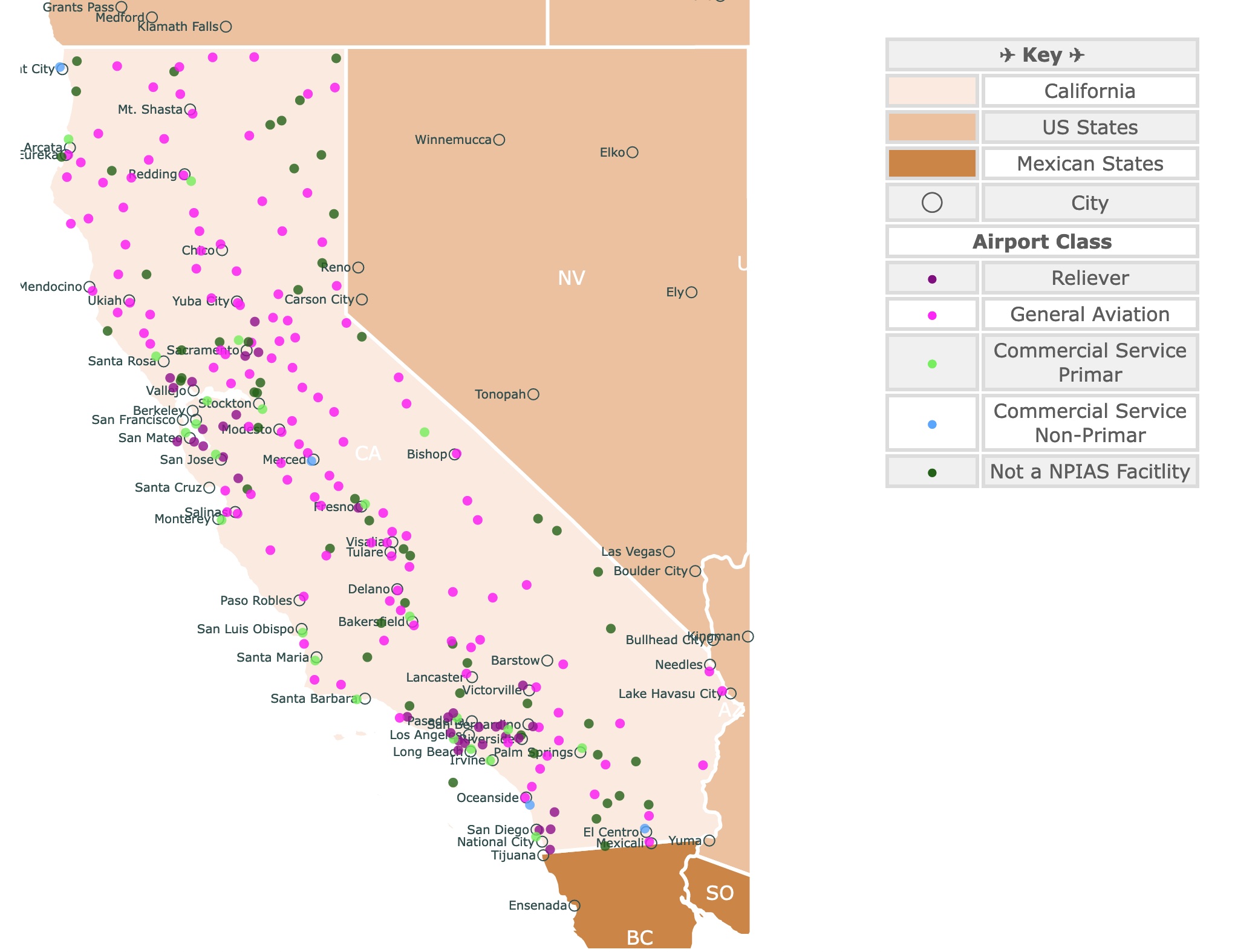
Officially, California boasts an impressive number of public-use airports, exceeding 240 facilities scattered across its diverse terrain. This extensive network includes major commercial gateways, regional airports facilitating domestic travel, and numerous general aviation airports that cater to private flights, flight training, and specialized air services. Each plays a crucial role in enabling travel, commerce, and access to the state’s iconic destinations, from the bustling metropolises of Southern California to the serene redwood forests of the north and the arid beauty of the deserts.
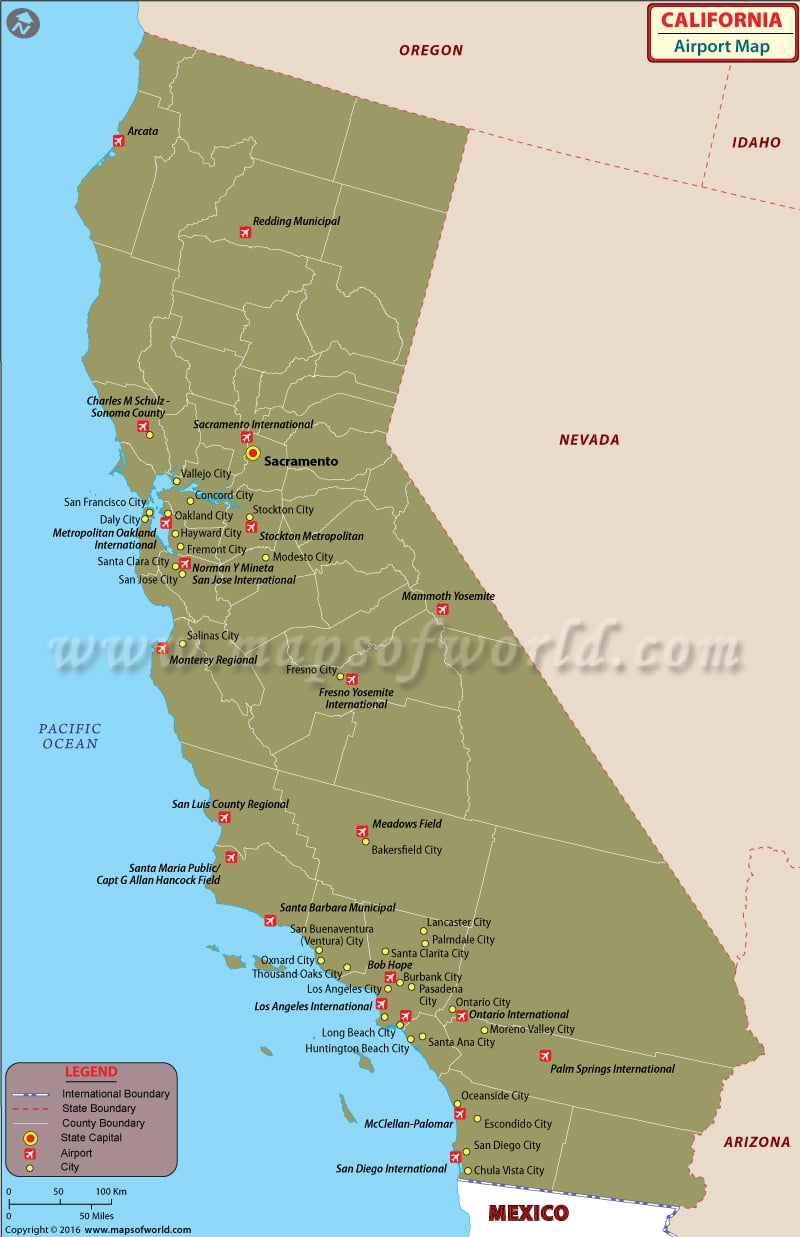
A Sky Full of Connections: Understanding California’s Aviation Landscape
The sheer number of airports in California is a testament to its size, economic power, and geographic diversity. This extensive air travel infrastructure is vital for connecting travelers to every corner of the state, whether they are visiting for leisure, business, or to explore natural wonders. These airports are not merely points of arrival and departure; they are critical arteries that support the state’s tourism industry, facilitate business operations, and provide essential services to remote communities.
The airports can broadly be categorized into several types: large hub primary airports, medium hub primary airports, small hub primary airports, non-hub primary airports, commercial service airports, and general aviation airports. The distinctions often relate to the volume of passenger traffic they handle and the types of air services they offer. For the average traveler, the focus will primarily be on the commercial service airports, which include the major international gateways and regional hubs. However, the presence of numerous general aviation fields also impacts travel by offering flexible options for private charters and niche travel experiences, connecting travelers to destinations not served by major commercial airlines. This comprehensive system ensures that almost no destination within the state is beyond reach by air, significantly enhancing the travel experience across California’s diverse regions.
The Major Hubs: Gateway to the Golden State
California’s commercial aviation is dominated by a few exceptionally busy airports that serve as primary international and domestic gateways. These major hubs are crucial for global connectivity and handle the vast majority of air travelers entering or departing the state.
Los Angeles International Airport (LAX)
Los Angeles International Airport (LAX) stands as the undisputed titan of California’s airport system and one of the busiest airports in the world. Located in Los Angeles, LAX is an essential gateway to the entire Pacific Rim and a major hub for domestic travel across the United States. It connects travelers to a myriad of destinations, from the glitz and glamour of Hollywood and Beverly Hills to the beaches of Santa Monica and the vibrant cultural districts of Downtown Los Angeles. For many international visitors, LAX is their first impression of California, offering a vast array of airline choices and direct flights to virtually any major city worldwide. Its extensive network makes it a strategic entry point for anyone exploring Southern California and beyond.
San Francisco International Airport (SFO)
Further north, San Francisco International Airport (SFO) serves as the primary international gateway for Northern California. Situated just south of San Francisco, SFO is a critical link for the technology industry centered in Silicon Valley and a popular choice for travelers visiting the Bay Area, Wine Country, and other scenic Northern California destinations. Renowned for its architectural beauty and commitment to passenger amenities, SFO offers extensive international connections, particularly to Asia and Europe, alongside a robust domestic network. Its proximity to public transit, including BART, makes it a convenient option for accessing San Francisco and other parts of the Bay Area.
Other Key Commercial Airports
Beyond LAX and SFO, several other commercial airports are vital to California’s travel infrastructure:

- San Diego International Airport (SAN): Conveniently located near Downtown San Diego, SAN is a crucial airport for Southern California and a popular choice for accessing San Diego’s beaches, attractions, and cross-border travel to Mexico.
- Oakland International Airport (OAK): Serving the East Bay Area and often a preferred choice for budget-conscious travelers, OAK provides an alternative to SFO with excellent connections to Oakland and beyond.
- Mineta San Jose International Airport (SJC): Situated in the heart of Silicon Valley, SJC is ideal for business travelers and tourists visiting San Jose and the southern Bay Area.
- Sacramento International Airport (SMF): The gateway to the state capital, Sacramento, and a convenient access point for Gold Country, Lake Tahoe, and Northern California’s agricultural regions.
- John Wayne Airport (SNA): Located in Orange County, SNA offers convenient access to popular attractions like Disneyland Resort and the beautiful beaches of Orange County without the hustle of LAX.
- Hollywood Burbank Airport (BUR): A smaller, more intimate alternative to LAX for domestic travel, particularly for visitors heading to Hollywood, Burbank, and the San Fernando Valley.
- Long Beach Airport (LGB): Known for its art deco terminal and relaxed atmosphere, LGB is another excellent domestic option for accessing Long Beach, Orange County, and parts of Los Angeles.
Beyond the Big Names: Regional and General Aviation Airports
While the major hubs handle the bulk of California’s air traffic, the extensive network of regional and general aviation airports is equally crucial for comprehensive travel within the state. These airports provide direct access to smaller communities, popular tourist destinations, and remote areas that would otherwise be difficult to reach.
Connecting California’s Diverse Regions
Regional airports act as crucial bridges, connecting travelers from major hubs directly to specialized destinations. For example:
- Palm Springs International Airport (PSP): Offers direct access to the desert oasis of Palm Springs and the surrounding Coachella Valley, popular for resorts, golf, and festivals.
- Fresno Yosemite International Airport (FAT): The primary gateway for visitors heading to Yosemite National Park, Sequoia National Park, and the agricultural heartland of the San Joaquin Valley.
- Santa Barbara Municipal Airport (SBA): Provides a charming entry point to the picturesque coastal city of Santa Barbara and the beautiful Central Coast wine regions.
- Monterey Regional Airport (MRY): Ideal for exploring Monterey, Carmel-by-the-Sea, and the stunning Pacific Coast Highway attractions.
- Charles M. Schulz–Sonoma County Airport (STS): Offers convenient access to Sonoma and Napa Valley Wine Country, bypassing the larger Bay Area airports.
These regional airports often feature fewer crowds, quicker security lines, and a more relaxed travel experience, making them attractive for travelers whose final destination is closer to these smaller facilities. They enhance the travel experience by reducing ground transportation time and offering a more direct route to specific attractions.
The Role of General Aviation
The vast majority of California’s “over 240” public-use airports fall into the category of general aviation (GA) airports. These facilities primarily serve private aircraft, corporate jets, flight training operations, air taxis, medical transport, and recreational flyers. While not directly handling commercial airline passengers, GA airports are incredibly important for several reasons:
- Local Connectivity: They connect smaller towns and rural areas to the broader transportation network, supporting local economies and providing essential services.
- Emergency Services: Many GA airports serve as bases for air ambulances, search and rescue operations, and wildfire fighting efforts, which are critical in a state prone to natural disasters.
- Business Travel: Corporate jets utilize GA airports for efficient point-to-point travel, bypassing commercial airport congestion and reducing travel time for business executives.
- Tourism Access: For luxury travelers or those seeking unique experiences, air taxi services from GA airports can provide direct access to exclusive resorts, remote fishing lodges, or scenic destinations like Catalina Island that might not have commercial service.
These smaller airfields, though often unnoticed by the average airline passenger, are a foundational part of California’s aviation ecosystem, enabling flexibility and specialized travel that complements the commercial network.
Navigating California’s Air Travel: Tips for Travelers
Understanding the breadth of California’s airport system empowers travelers to make more informed and efficient travel plans. Here are some key tips:
- Consider Your Final Destination: Don’t automatically default to LAX or SFO. If your destination is Orange County, SNA might be a better choice. For Palm Springs or Yosemite, flying directly into PSP or FAT can save hours of driving.
- Compare Fares and Airlines: Low-cost carriers often operate out of secondary airports like Oakland (OAK), Long Beach (LGB), or Hollywood Burbank (BUR). Checking these options can sometimes yield significant savings.
- Factor in Ground Transportation: While a flight might be cheaper into a major hub, consider the cost and time of getting to your ultimate destination. LAX ground transportation can be costly and time-consuming due to traffic. Smaller airports often offer quicker exits and more affordable taxi/rideshare options.
- Internal Flights for Long Distances: Given the sheer size of California, flying between Northern California and Southern California cities can save considerable time compared to driving. A flight from San Francisco to Los Angeles is a common and efficient travel method.
- Utilize Regional Airports for Specific Experiences: Planning a wine tour? Consider flying into STS for Sonoma or SBA for the Central Coast. This targeted approach minimizes travel time and maximizes the travel experience.
California’s vast network of over 240 public-use airports is a strategic asset for travelers. From the global connectivity of its major international hubs to the localized access provided by its regional and general aviation fields, the state’s air travel infrastructure is designed to facilitate seamless and diverse travel experiences. By understanding this intricate system, visitors can unlock more efficient, enjoyable, and tailored journeys throughout the Golden State.
LifeOutOfTheBox is a participant in the Amazon Services LLC Associates Program, an affiliate advertising program designed to provide a means for sites to earn advertising fees by advertising and linking to Amazon.com. Amazon, the Amazon logo, AmazonSupply, and the AmazonSupply logo are trademarks of Amazon.com, Inc. or its affiliates. As an Amazon Associate we earn affiliate commissions from qualifying purchases.