
Puerto Rico, a vibrant Caribbean island and a territory of the United States, is renowned for its stunning beaches, lush rainforests, rich history, and captivating culture. For any traveler planning a visit to this tropical paradise, understanding its airport infrastructure is paramount. The question “How many airports are in Puerto Rico?” might seem straightforward, but the answer encompasses a network of facilities ranging from bustling international hubs to smaller regional airfields, each playing a crucial role in connecting the island to the world and its own diverse municipalities.
In total, Puerto Rico boasts over a dozen airports and landing strips, including three major international airports that serve as primary gateways for commercial air traffic, several regional domestic airports, and numerous smaller general aviation facilities. This extensive air travel network underscores the island’s significance as a travel destination and its strategic position in the Caribbean. Whether you’re arriving for a luxury resort stay in San Juan, exploring the surf towns on the west coast, or venturing to the tranquil offshore islands of Vieques and Culebra, there’s an airport designed to facilitate your journey. This article will delve into Puerto Rico’s air travel landscape, detailing its key airports, their roles, and how they contribute to making the island an accessible and attractive destination for millions of visitors annually.
The Major Gateways: International Airports in Puerto Rico
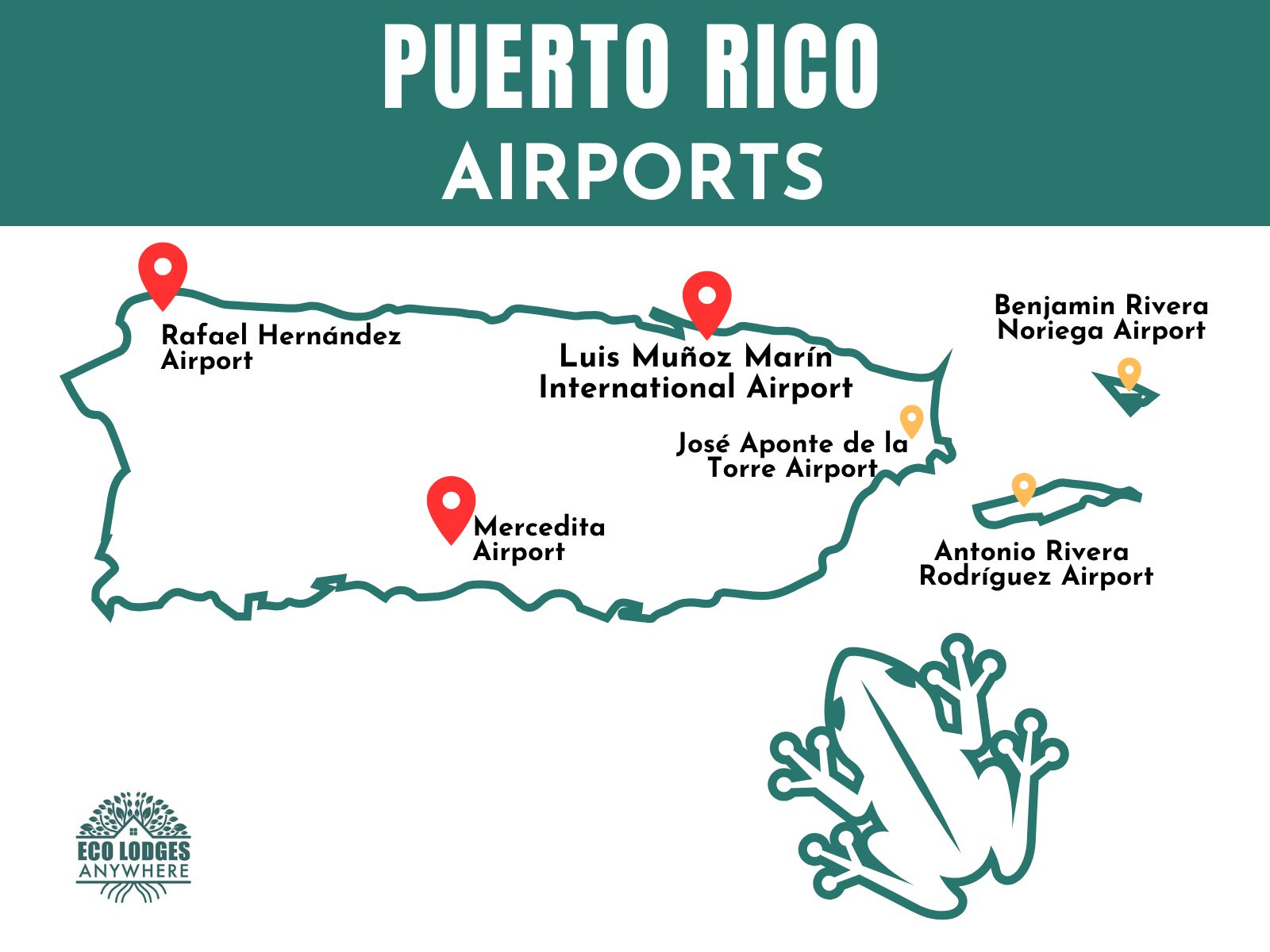
Puerto Rico’s primary connection to the outside world is forged through its three international airports. These facilities are equipped to handle large commercial aircraft, customs, and immigration, serving as vital entry points for travelers from various countries, especially the United States mainland.
Luis Muñoz Marín International Airport (SJU): The Primary Hub
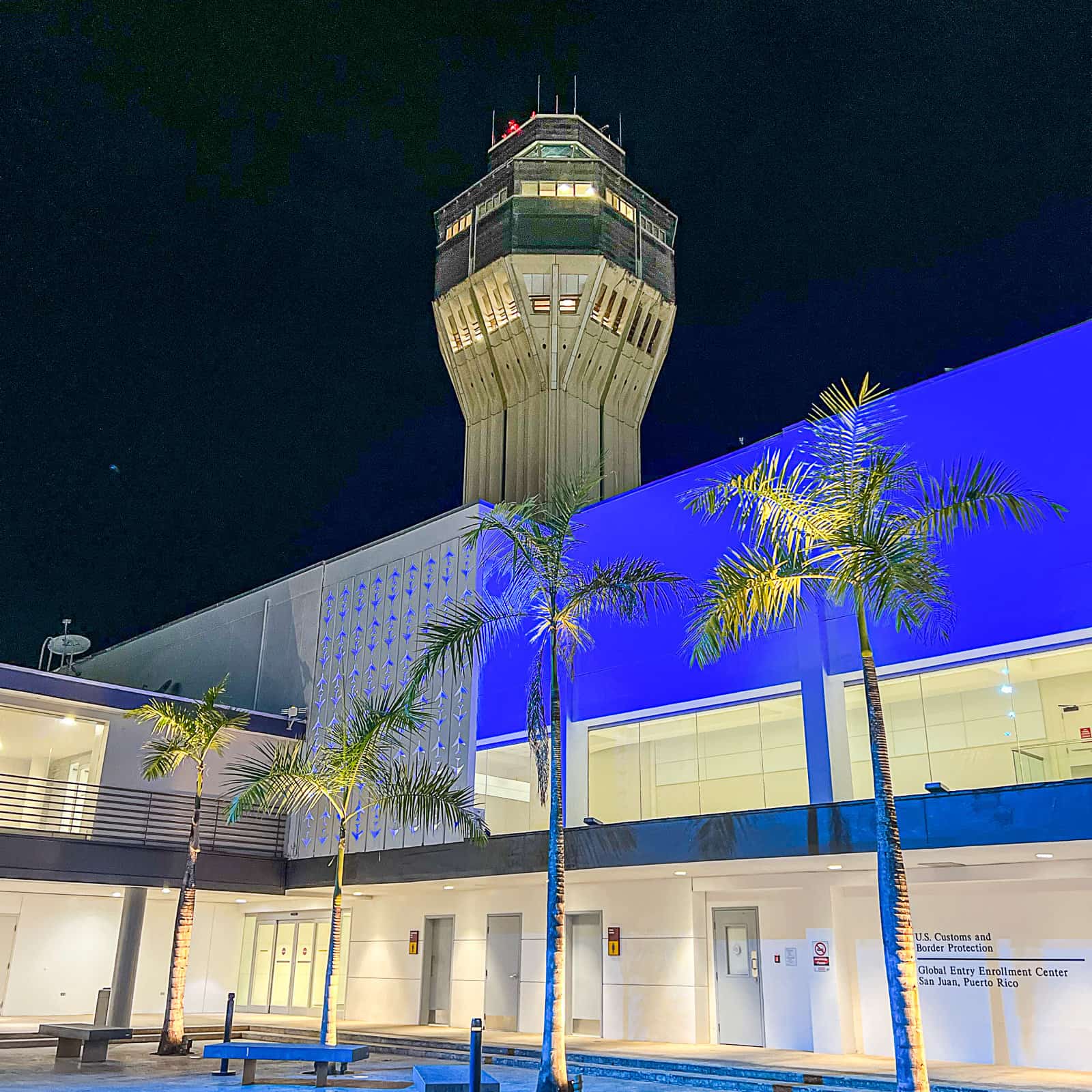
Located just a few miles east of San Juan, the capital city, Luis Muñoz Marín International Airport (SJU) is by far the busiest and most significant airport in Puerto Rico. It acts as the main gateway for the vast majority of international and mainland United States flights, handling millions of passengers each year. SJU is a hub for multiple major airlines, offering direct flights to numerous cities across North America, the Caribbean, and even some international destinations outside the region.
Airlines such as American Airlines, Delta Air Lines, United Airlines, JetBlue, Southwest Airlines, Spirit Airlines, and Frontier Airlines operate extensive routes to and from SJU. Popular mainland destinations include major hubs like New York (JFK, LGA, EWR), Florida (MIA, FLL, MCO), Atlanta, Charlotte, Chicago, Dallas, and Houston. For Caribbean travel, SJU offers connections to islands like the Dominican Republic and St. Thomas, serving as a regional transfer point. The airport facilities are modern and comprehensive, featuring a wide array of dining options, duty-free shops, car rental services, and ground transportation links to San Juan and other parts of the island. Its strategic location makes it the most convenient choice for travelers heading to the capital, the northeastern coast, or those planning to explore the central mountainous regions.
Rafael Hernández International Airport (BQN): The Western Connection
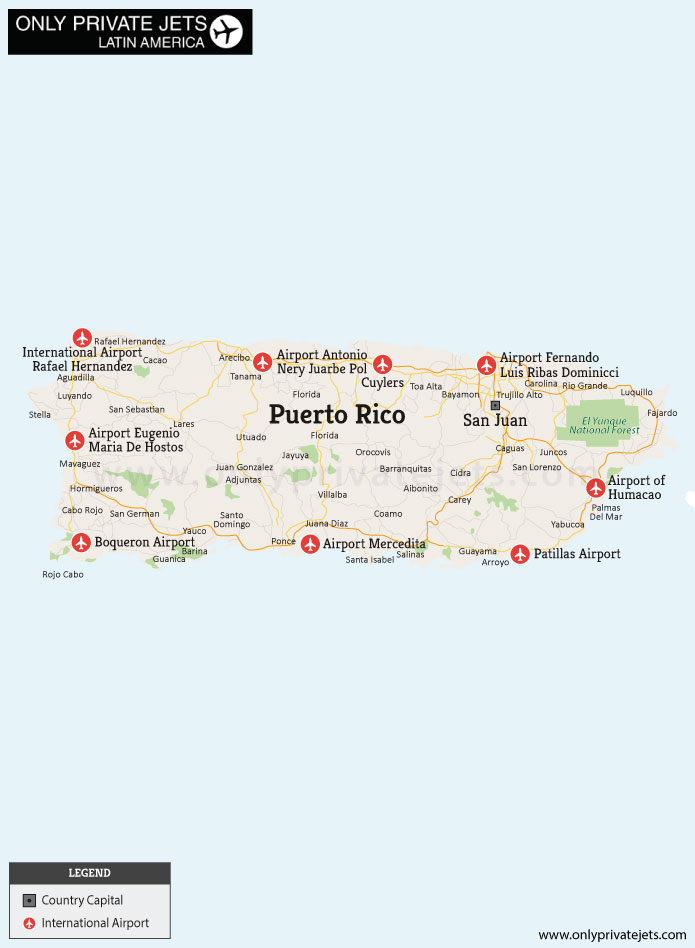
Situated in Aguadilla on the northwestern tip of Puerto Rico, Rafael Hernández International Airport (BQN) serves as a vital alternative and a primary gateway for visitors wishing to explore the island’s west coast. This region is famous for its stunning surfing beaches, vibrant local culture, and more laid-back atmosphere compared to the bustling capital.
BQN primarily handles flights from the United States mainland, often featuring budget-friendly airlines like JetBlue, Spirit Airlines, and Frontier Airlines. Direct routes typically connect Aguadilla with cities such as Orlando, Fort Lauderdale, Newark, and Philadelphia. Beyond passenger services, BQN also plays a significant role in cargo operations, facilitated by its expansive runways which were originally built for military use (Ramey Air Force Base). For travelers whose final destination is Rincón, Mayagüez, or any of the beautiful towns along the western and southwestern coast, flying into Aguadilla can significantly reduce ground travel time and offer a more direct route to their chosen destination.
Mercedita International Airport (PSE): Serving the South
Mercedita International Airport (PSE) is located in Ponce, Puerto Rico’s second-largest city, on the southern coast. While smaller in scale than SJU, PSE is an international airport that provides a crucial link for residents and visitors to the southern region of the island. Ponce is celebrated for its rich historical architecture, museums, and proximity to other natural attractions like the Guanica Dry Forest and the Phosphorescent Bay in La Parguera.
PSE primarily offers service to and from the United States mainland, with airlines like JetBlue providing direct flights to cities such as Orlando and New York. For travelers whose itineraries focus on Ponce and the surrounding southern municipalities, arriving at Mercedita can be a more convenient option than flying into San Juan and enduring a two-hour drive across the island. The airport is well-equipped with essential services, including car rentals and taxi services, making onward travel straightforward.
Regional Connectivity: Domestic and General Aviation Airfields
Beyond the three international gateways, Puerto Rico is dotted with several regional airports and airfields that play a vital role in domestic travel, especially connecting the main island to its enchanting smaller islands, and supporting general aviation activities.
Bridging the Islands: Vieques and Culebra Airports
The offshore islands of Vieques and Culebra are among Puerto Rico’s most cherished gems, famous for their pristine beaches, bioluminescent bays, and tranquil atmosphere. Reaching these islands often involves a short flight from the main island, facilitated by their respective regional airports.
- Antonio Rivera Rodríguez Airport (VQS) in Vieques: This small but crucial airport connects Vieques to the main island, primarily through flights from Luis Muñoz Marín International Airport (SJU) in San Juan and José Aponte de la Torre Airport (RVR) in Ceiba. Airlines like Cape Air, Vieques Air Link, and Air Flamenco operate frequent short-haul flights using smaller propeller aircraft. These flights are essential for tourists and locals alike, providing a quick and scenic alternative to the ferry.
- Benjamin Rivera Noriega Airport (CPX) in Culebra: Similar to Vieques, Culebra is accessible by air via its own regional airport. Flights to CPX also originate from SJU and RVR, served by the same regional carriers. The short flight offers breathtaking aerial views of the Caribbean Sea and is the most convenient way to reach Culebra’s famous Flamenco Beach.
Other Key Regional Airports
Several other regional airports and landing strips contribute to Puerto Rico’s overall air travel network, primarily catering to general aviation, private charters, and specialized services.
-
José Aponte de la Torre Airport (RVR) in Ceiba: This airport, formerly a United States Navy base, has been repurposed for civilian use and is gaining prominence. It serves as a crucial hub for flights to Vieques and Culebra, often offering more flexible and affordable options than flying directly from SJU. Its location on the eastern coast makes it convenient for travelers staying in areas like Fajardo or seeking quick access to the offshore islands.
-
Mayagüez (MAZ): Eugenio María de Hostos Airport: Located in Mayagüez on the west coast, this regional airport occasionally offers scheduled service, though it primarily serves general aviation and charter flights. It provides another potential entry point for the western region, albeit with less frequent commercial service than Aguadilla’s BQN.
These regional airports, while not handling the volume of international traffic, are indispensable for intra-island connectivity, tourism development in specific areas, and supporting various private and governmental aviation needs.
Navigating Puerto Rico’s Air Travel Landscape
Understanding Puerto Rico’s airport system is key to optimizing your travel experience. The choice of airport can significantly impact your journey, depending on your final destination and travel preferences.
Choosing Your Arrival Point
For most international visitors, Luis Muñoz Marín International Airport (SJU) in San Juan will be the most practical and often the only direct option from many major cities. It provides excellent access to the metropolitan area, the El Yunque National Forest, and the eastern coast. However, if your primary interest lies in the surf towns of Rincón, the coffee plantations of the central mountains, or the relaxed vibe of the west coast, then Rafael Hernández International Airport (BQN) in Aguadilla could save you significant driving time. Similarly, for those exploring the historic charm of Ponce and the southern coast, Mercedita International Airport (PSE) offers direct access. Always consider your ground transportation needs and the cost-benefit of flying into a closer, albeit sometimes less frequently serviced, airport.
The Role of Small Airlines and Charters
The presence of smaller airlines like Cape Air, Vieques Air Link, Air Flamenco, and Seaborne Airlines is crucial for inter-island travel and connecting to specific destinations within the archipelago. These carriers operate smaller aircraft, providing a more intimate flying experience and the flexibility to reach locations like Vieques and Culebra swiftly. Private charter services are also readily available from the larger airports, offering bespoke travel solutions for those seeking ultimate convenience or access to less-frequented airfields. For example, rather than driving to Ceiba for a ferry or small plane to Vieques, a charter can take you directly from SJU.
The Economic and Tourism Impact of Puerto Rico’s Airports
Puerto Rico’s array of airports is more than just a logistical network; it’s a fundamental pillar of the island’s economy and tourism industry. Each airport, regardless of its size, contributes significantly to the flow of visitors and commerce.
Fueling the Tourism Economy
The accessibility provided by the international airports, particularly SJU, is directly responsible for bringing in the vast majority of tourists who come to experience Puerto Rico’s unique blend of natural beauty and cultural heritage. These visitors fuel the local economy through their expenditures on accommodation, dining, tours, and shopping. The regional airports, in turn, facilitate the distribution of these tourists across the island, ensuring that the economic benefits of tourism reach beyond the capital city to coastal towns, rural areas, and the smaller islands, supporting local businesses and employment in diverse communities. Without this robust airport infrastructure, Puerto Rico’s tourism potential would be severely constrained.
Accessibility and Infrastructure
Ongoing investments in airport infrastructure, from terminal expansions to runway improvements, are vital for Puerto Rico’s long-term growth. Modernizing facilities, enhancing passenger services, and improving air traffic control capabilities ensure that the island can continue to attract new airlines and larger aircraft, further expanding its connectivity. The resilience of these airports, especially in a region prone to hurricanes, is also a critical consideration, with continuous efforts to fortify infrastructure and streamline recovery operations. The strategic placement of airports across the island allows for balanced development and ensures that all regions have viable air access, which is especially important for emergency services and inter-island commerce.
In conclusion, Puerto Rico is served by a comprehensive and dynamic network of airports, far beyond a single international hub. With three prominent international airports – Luis Muñoz Marín International Airport (SJU), Rafael Hernández International Airport (BQN), and Mercedita International Airport (PSE) – complemented by several essential regional airfields like those serving Vieques and Culebra, the island is remarkably accessible. This diverse infrastructure caters to a wide range of travel needs, ensuring that whether you’re seeking the bustling vibrancy of San Juan, the serene beaches of the west, or the untouched beauty of the offshore islands, your journey to and within Puerto Rico can be smooth and efficient. Understanding this network is key to planning an unforgettable Caribbean adventure.
LifeOutOfTheBox is a participant in the Amazon Services LLC Associates Program, an affiliate advertising program designed to provide a means for sites to earn advertising fees by advertising and linking to Amazon.com. Amazon, the Amazon logo, AmazonSupply, and the AmazonSupply logo are trademarks of Amazon.com, Inc. or its affiliates. As an Amazon Associate we earn affiliate commissions from qualifying purchases.