
Understanding the intricacies of labor law is a fundamental aspect of managing one’s professional lifestyle, especially for those considering a business stay or a long-term career in a dynamic state like California. The Golden State is renowned for its progressive labor protections, designed to ensure employee well-being and a sustainable work-life balance. For anyone working an 8-hour shift in California, knowing your rights regarding meal and rest breaks isn’t just a legal necessity; it’s a cornerstone of a healthy and productive professional life. These regulations impact daily routines, productivity, and overall quality of life for countless individuals, from the bustling tech hubs of Silicon Valley to the vibrant creative industries of Los Angeles and the financial centers of San Francisco.
Navigating California’s Robust Labor Protections for a Balanced Professional Lifestyle
California stands out with its comprehensive framework for employee rights, often exceeding federal standards set by the Fair Labor Standards Act (FLSA). These state-specific laws, primarily enforced by the Division of Labor Standards Enforcement (DLSE) and rooted in the wage orders issued by the Industrial Welfare Commission (IWC), dictate the minimum requirements for breaks, wages, and working conditions. For professionals relocating for work, embarking on an extended business trip, or simply starting a new role within the state, grasping these protections is crucial for ensuring compliance and maintaining personal well-being. The emphasis on mandatory breaks reflects a broader cultural commitment to preventing burnout and fostering an environment where employees can recharge, leading to higher productivity and job satisfaction.
The Rationale Behind Mandated Break Laws
The philosophy underpinning California’s break laws is multifaceted. Beyond the obvious benefit of physical and mental rest, regular breaks are scientifically proven to enhance focus, reduce errors, and mitigate stress. For a state that thrives on innovation and demanding industries, ensuring employees are refreshed and performing at their best is a strategic imperative. From a lifestyle perspective, these mandated pauses allow individuals to attend to personal matters, grab a healthy meal, or simply disconnect for a brief period, integrating essential self-care into the workday. This foresight in labor legislation contributes significantly to California’s appeal as a place where professional success can coexist with personal well-being.
Who Do These Laws Apply To?
Generally, California’s meal and rest break laws apply to most non-exempt employees working in the state. There are some specific exceptions for certain industries or roles, such as unionized employees under collective bargaining agreements that explicitly waive or modify these rights, or individuals in specific healthcare professions under certain conditions. However, for the vast majority of professionals in typical office, retail, or service environments, these protections are firmly in place. Understanding your employment classification (exempt vs. non-exempt) is a critical first step in determining your entitlements, directly influencing your daily work lifestyle.
Deconstructing the 8-Hour Shift: Mandated Meal and Rest Periods
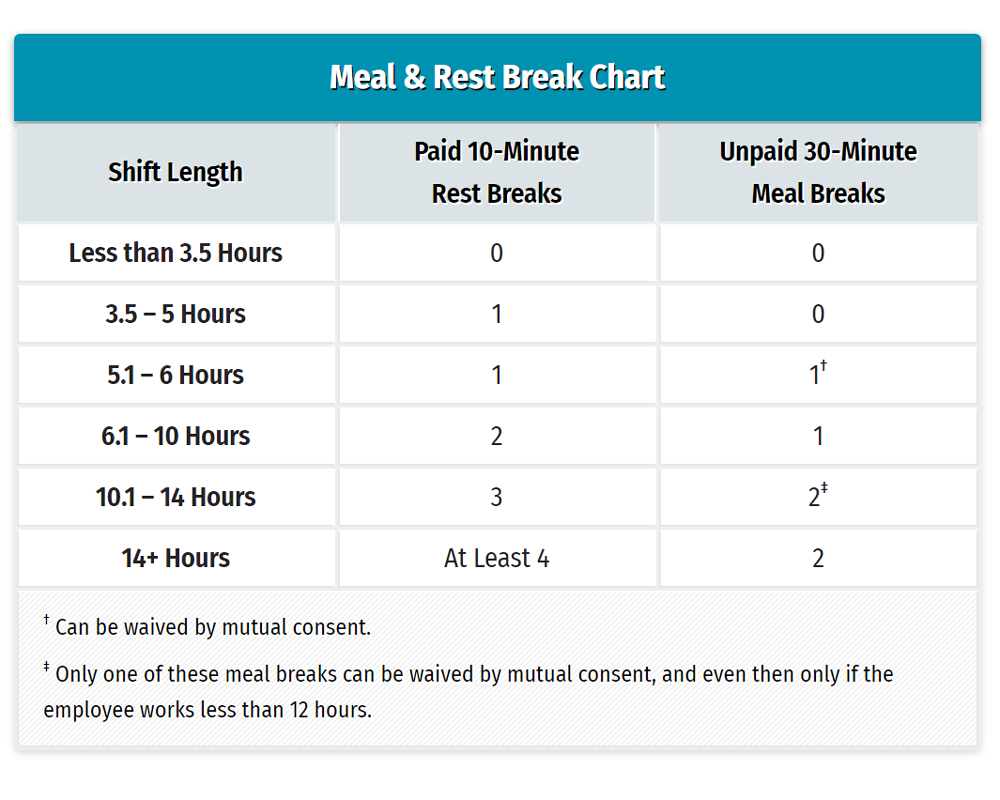
For an 8-hour shift in California, employees are generally entitled to two paid 10-minute rest breaks and one unpaid 30-minute meal period. This structured approach to breaks is a defining characteristic of the California professional lifestyle, offering clear guidelines for both employers and employees.
Mandated Meal Periods
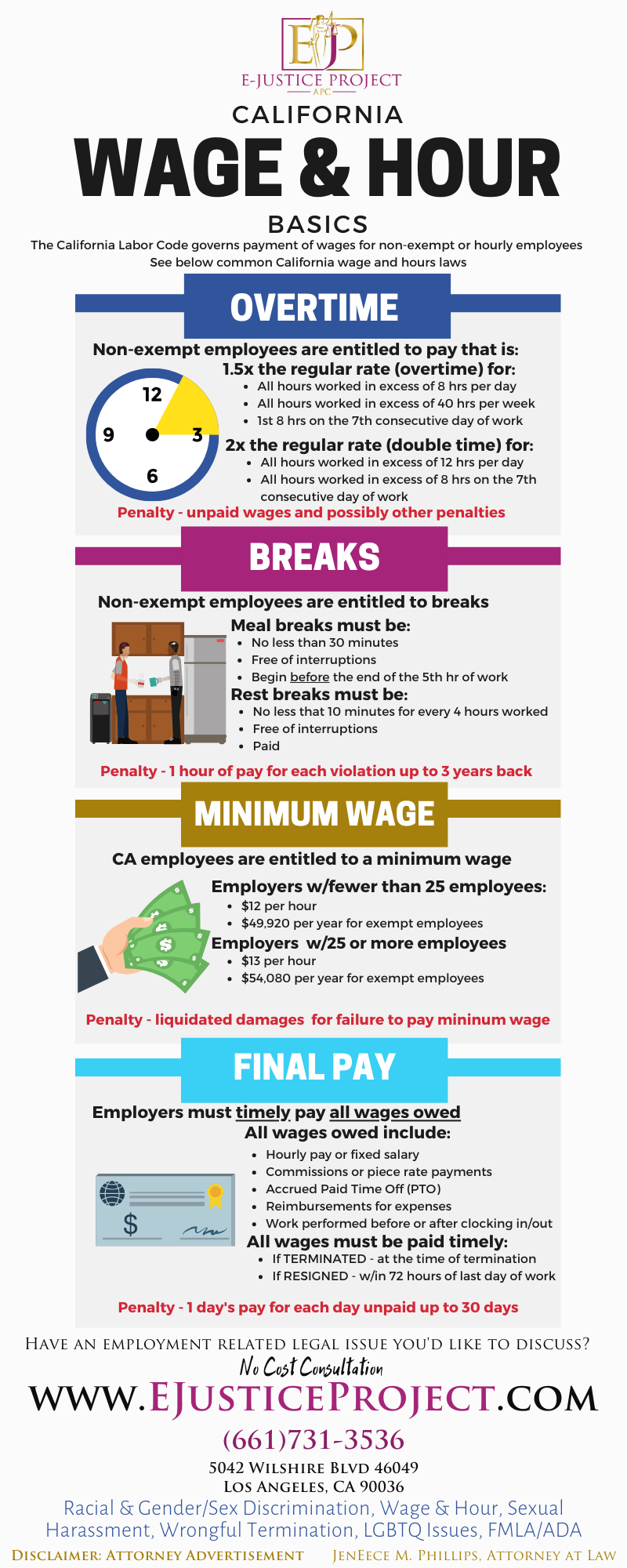
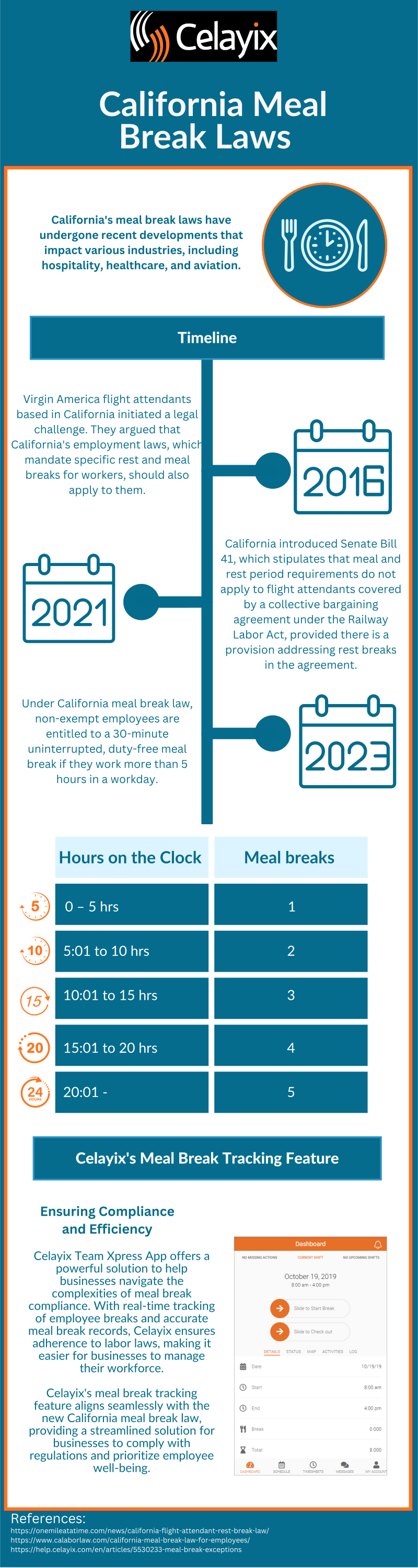
An employee working more than five hours per day must be provided with a bona fide 30-minute unpaid meal period. This meal period must be uninterrupted, meaning the employee must be relieved of all duties and be free to leave the premises. If the employee works more than 10 hours in a day, they are entitled to a second 30-minute meal period. The key here is “bona fide”; merely offering the break is not enough, the employee must genuinely be free from work responsibilities. This provides a crucial window in the middle of the workday for professionals to completely step away, perhaps enjoy a meal, run a quick errand, or simply decompress, significantly impacting their daily lifestyle and energy levels.
Entitled Rest Breaks
In addition to meal periods, non-exempt employees are generally entitled to a paid 10-minute rest period for every four hours worked or major fraction thereof. For an 8-hour shift, this typically means two 10-minute rest breaks. The first rest break should ideally fall in the middle of the first four hours of work, and the second rest break in the middle of the second four hours. Unlike meal breaks, these rest periods are paid, and employees are not expected to be relieved of all duties, though they should be free from work tasks. These shorter, more frequent pauses are integral to maintaining focus and preventing fatigue, aligning with a professional lifestyle that values sustained productivity without burnout.
Timing and Flexibility
While the law dictates the provision of these breaks, there’s some flexibility in timing. Meal periods should generally be provided no later than the end of the fifth hour of work. Rest breaks should be provided “as close to the middle of each work period as practicable.” This implies that while strict adherence to the exact midpoint isn’t always feasible, employers must make a good faith effort to schedule breaks reasonably within the work period. Understanding these timing guidelines helps professionals plan their day effectively, integrating these crucial pauses into their workflow for optimal performance and personal comfort.
Compliance, Enforcement, and the Impact on Professional Lifestyle
For employers, compliance with California’s break laws is not optional. Failure to provide legally mandated breaks can result in significant penalties, including “premium pay” of one additional hour of pay at the employee’s regular rate for each workday that a meal or rest period was not provided. For employees, knowing these rights empowers them to advocate for their well-being and ensures they can fully enjoy the lifestyle benefits these laws afford.
Employer Responsibilities
Employers in California have a proactive duty to ensure employees are not only offered, but also take, their meal and rest breaks. This includes implementing clear policies, properly training supervisors, and maintaining accurate time records. The burden is on the employer to demonstrate compliance. This robust enforcement mechanism underscores the state’s commitment to protecting worker welfare, directly influencing the daily professional experience and fostering a more ethical and mindful workplace lifestyle.
Employee Rights and Recourse
If an employee is denied a proper meal or rest break, they have the right to seek recourse through the DLSE or consult an attorney. Reporting violations is a protected activity, meaning employers cannot retaliate against employees for asserting their break rights. This protection is vital for maintaining a healthy power dynamic in the workplace and ensuring that these crucial lifestyle provisions are upheld without fear.
Impact on Professional Lifestyle
The availability and enforcement of these break laws profoundly shape the professional lifestyle in California. They contribute to a culture where taking a break is not seen as a luxury but as a right and a necessity. This allows professionals to manage their energy, reduce stress, and attend to personal needs, fostering a healthier and more sustainable approach to work. For those considering California for a business stay or a career move, these protections are a significant factor in the state’s appeal, promising a work environment that values balance as much as ambition.
The Broader Lifestyle Implications for Professionals in California
Beyond mere legal compliance, California’s break laws reflect a progressive attitude towards work and well-being that defines much of the professional lifestyle within the state. They are designed not just to avoid penalties but to cultivate a more humane and productive work environment.
Work-Life Balance and Well-being
The consistent provision of breaks is a tangible representation of a commitment to work-life balance. It allows individuals to punctuate their intensive work periods with genuine downtime, preventing exhaustion and promoting sustained engagement. This aspect is particularly attractive to professionals who prioritize their mental and physical health as integral components of their overall lifestyle. The ability to step away, even briefly, helps mitigate the pressures of demanding careers prevalent in California‘s competitive industries.
Business Travel and Temporary Assignments
For professionals on business stays or temporary assignments in California, understanding these break entitlements is crucial. It informs expectations regarding the workday structure and ensures a comfortable adjustment to the local work culture. Companies bringing talent into California must also be acutely aware of these regulations to ensure a smooth, compliant, and positive experience for their employees, reflecting positively on their commitment to employee welfare globally.
A Model for Progressive Workplaces
California’s stringent break laws often set a benchmark for other regions and industries. They encourage employers to consider employee well-being as a core business principle, rather than just a legal obligation. This proactive approach to labor relations contributes to a professional lifestyle that is generally perceived as more employee-friendly, making California an attractive destination for top talent seeking a fulfilling career alongside a high quality of life. The daily routine, punctuated by legally protected periods of rest and rejuvenation, fosters an environment where professionals can thrive both inside and outside the workplace.
LifeOutOfTheBox is a participant in the Amazon Services LLC Associates Program, an affiliate advertising program designed to provide a means for sites to earn advertising fees by advertising and linking to Amazon.com. Amazon, the Amazon logo, AmazonSupply, and the AmazonSupply logo are trademarks of Amazon.com, Inc. or its affiliates. As an Amazon Associate we earn affiliate commissions from qualifying purchases.