
The vertical horizon of New York is perhaps the most recognizable silhouette on the planet. From the limestone majesty of pre-war cooperatives to the glass-curtained monoliths piercing the clouds in Midtown Manhattan, the city is a living catalog of architectural evolution. But behind the awe-inspiring vistas lies a staggering numerical reality: New York City is home to approximately 1.1 million buildings. This immense structural footprint serves as the stage for the lives of over eight million residents, transforming every block into a complex interplay of engineering, history, and civic planning.
The Numerical Landscape of Urban Density
Quantifying the buildings of New York City is a task of immense proportions, primarily because the urban landscape is in a constant state of flux. Data sourced from the Department of City Planning typically settles around the 1.1 million mark, a figure that includes everything from historic brownstones in Brooklyn to massive industrial warehouses in the outer boroughs.
Zoning and Structural Diversity
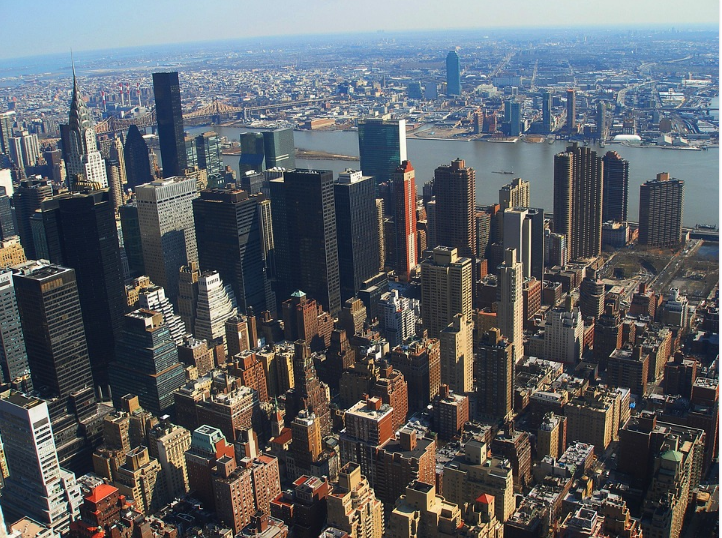
The distribution of these structures is not uniform. The density of Manhattan creates an illusion of a city composed entirely of skyscrapers, but the reality is more nuanced. While the Empire State Building and the Chrysler Building dominate the skyline, the vast majority of the city’s building stock is comprised of low-rise residential units, townhouses, and mixed-use properties. Zoning laws, which date back to the landmark 1916 resolution, have dictated the “wedding cake” architecture of the city, forcing developers to set back towers to allow light and air to reach the streets below.
The Role of Borough Planning
When breaking down the numbers, Queens actually holds the highest number of individual buildings. Because it is largely defined by residential districts and detached homes, the sheer volume of properties outweighs the concentrated high-rise clusters of Manhattan. The Bronx and Staten Island further diversify this count, offering a mix of suburban-style housing, public housing projects, and historic institutional buildings that paint a fuller picture of the city’s structural identity.
Architectural Evolution and Historic Preservation
The history of New York architecture is a timeline of ambition. Each era has left its mark on the streetscape, from the Federal-style houses of the late 18th century to the post-modernist experiments of the late 20th century.
From Brownstone to Steel Skyscraper
The 19th-century boom introduced the iconic brownstone, a building type that became the backbone of residential neighborhoods like Park Slope and Greenwich Village. These row houses set a human-scale template for the city, prioritizing community and street-level interaction. As the 20th century progressed, the invention of the passenger elevator and the refinement of steel-frame construction allowed developers to reach for the heavens. Landmarks like the Flatiron Building became early icons of this shift, demonstrating that architecture could be both functional and sculptural.
The Landmark Preservation Process
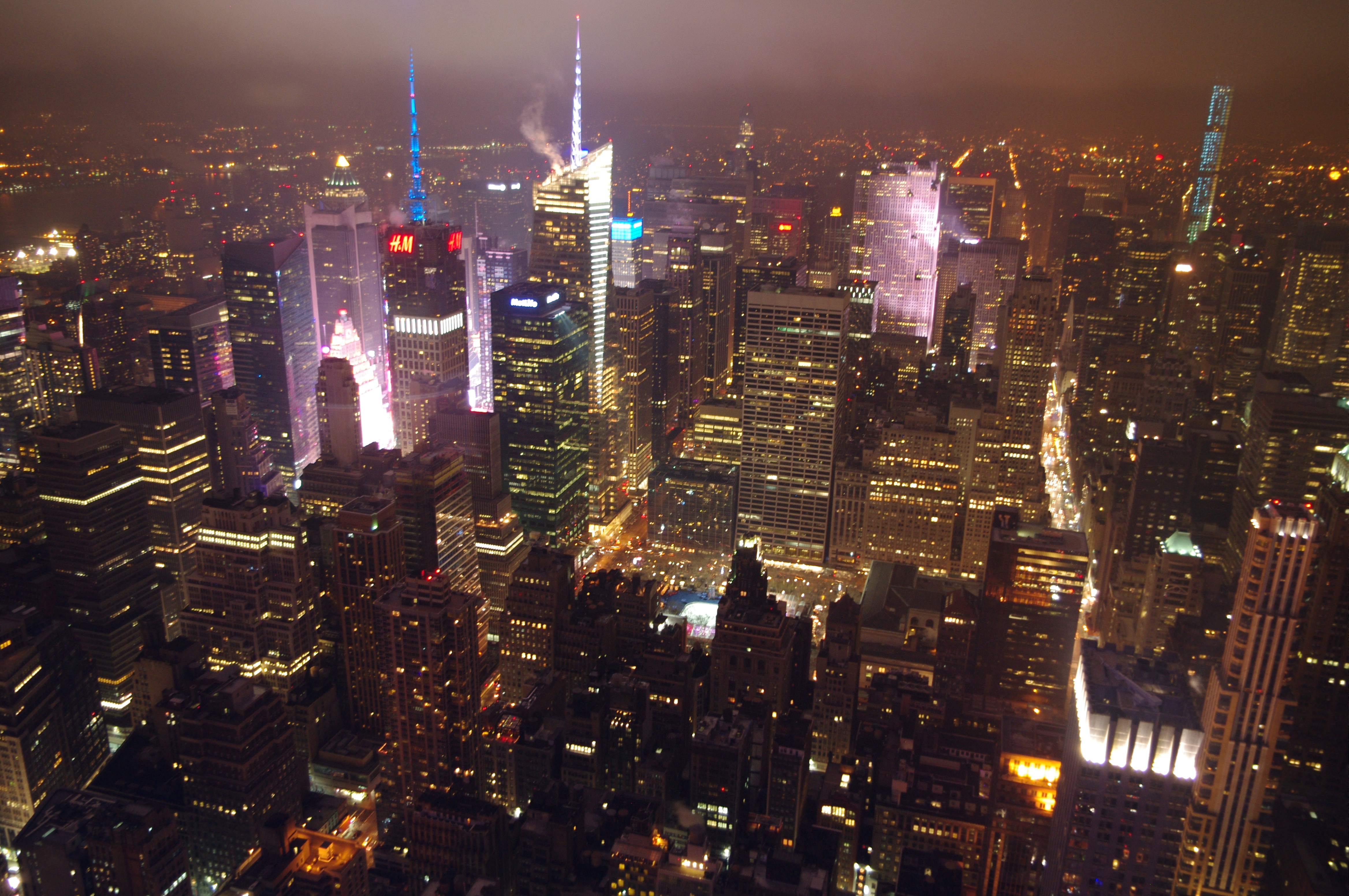
Not all of these 1.1 million buildings are destined to remain static. The Landmarks Preservation Commission plays a critical role in determining which structures are protected as cultural heritage. By designating specific sites—ranging from the Rockefeller Center complex to modest artisan workshops in SoHo—the city manages to retain its architectural soul amidst the relentless pressure of modern development and real estate speculation.
Challenges of Modern Urban Maintenance
Maintaining over a million buildings in a coastal, high-density environment is a logistical feat of epic proportions. The city’s building stock is aging, with many structures requiring constant upgrades to meet current building codes, seismic requirements, and sustainability mandates.
Climate and Sustainability Goals
Under initiatives like the Climate Mobilization Act, New York is pushing for a drastic reduction in the carbon footprint of its existing buildings. Large commercial towers are now required to retro-fit their heating, cooling, and insulation systems to reduce energy consumption. This shift is reshaping how the city thinks about construction; rather than simply tearing down older buildings to make way for new, glass-clad towers, architects are increasingly looking at “adaptive reuse”—the process of updating historic shells with ultra-efficient technology.
The Complexity of Infrastructure
Beyond the individual buildings, the city’s infrastructure—the pipes, electrical grids, and transit tunnels beneath these structures—is inextricably linked to the building count. High-density zones require specific utility loads that dictate how buildings are constructed and where they are placed. The interdependency between a luxury high-rise on Fifth Avenue and the subway system beneath it is a testament to the integrated nature of the United States most populous urban center.
The Future of the Vertical City
As we look toward the future, the question is not just how many buildings there are, but how they will function as part of a changing urban fabric. Technology, remote work trends, and a growing population are forcing developers and city planners to rethink the purpose of our physical space.
Converting Commercial to Residential
Post-pandemic shifts have left millions of square feet of office space vacant in areas like Financial District. Planners are now exploring the conversion of older office buildings into residential apartments. This adaptive process is complex—due to deep floor plates and window requirements—but it represents the next chapter in the history of New York’s built environment. It highlights a vital truth: the city is not a static collection of buildings, but a dynamic organism that evolves to meet the needs of its people.
Connectivity and Vertical Living
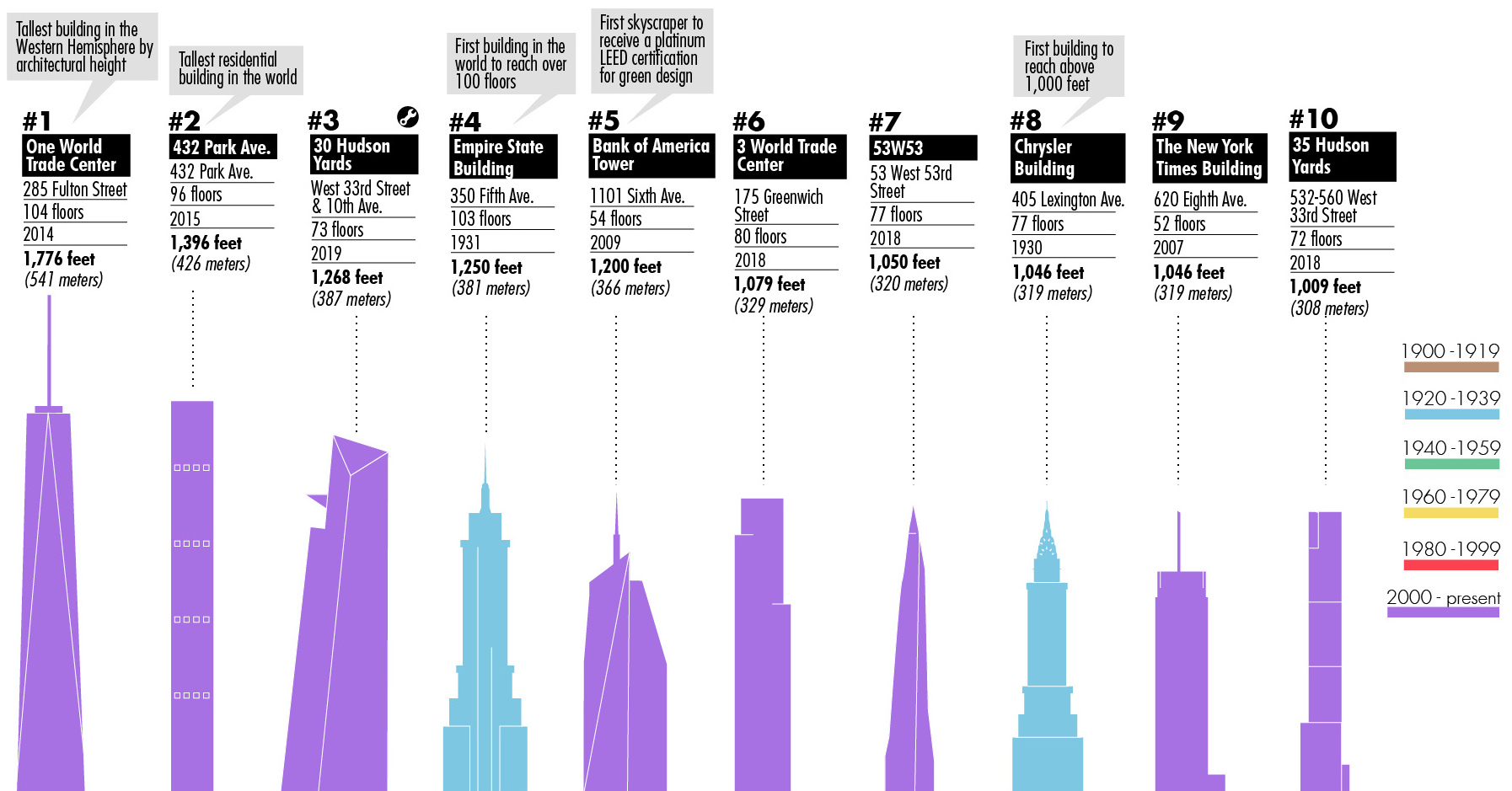
The proliferation of “supertalls”—buildings exceeding 300 meters—has once again redefined the skyline. While these structures represent a fraction of the total building count, they symbolize the city’s ongoing status as a global leader in architectural innovation. Places like Central Park Tower and the One World Trade Center remind us that in a city with limited land, the only way is up.
New York remains a fascinating study in density. With 1.1 million buildings, the city continues to house, work, and inspire its occupants, proving that the true strength of the city lies not just in the quantity of its structures, but in the variety of experiences those walls contain. Whether it is a quiet walk through the tree-lined streets of Brooklyn Heights or the sensory overload of Times Square, the buildings of New York provide the backdrop for one of the world’s greatest human narratives.
LifeOutOfTheBox is a participant in the Amazon Services LLC Associates Program, an affiliate advertising program designed to provide a means for sites to earn advertising fees by advertising and linking to Amazon.com. Amazon, the Amazon logo, AmazonSupply, and the AmazonSupply logo are trademarks of Amazon.com, Inc. or its affiliates. As an Amazon Associate we earn affiliate commissions from qualifying purchases.