
The status of Hawaii as the 50th state of the United States is a narrative woven with complex geopolitical strategy, imperial ambition, and a transformation of sovereignty that remains a subject of intense historical reflection. Located in the heart of the Pacific Ocean, this archipelago’s journey from a sovereign kingdom to an American territory—and eventually a state—is unique among all members of the Union.
The Strategic Importance of the Pacific Crossroads
To understand why the United States sought to incorporate Hawaii, one must look at the mid-19th-century geopolitical landscape. As global trade expanded, the Pacific Ocean became a vital corridor for shipping lanes connecting North America to Asia.
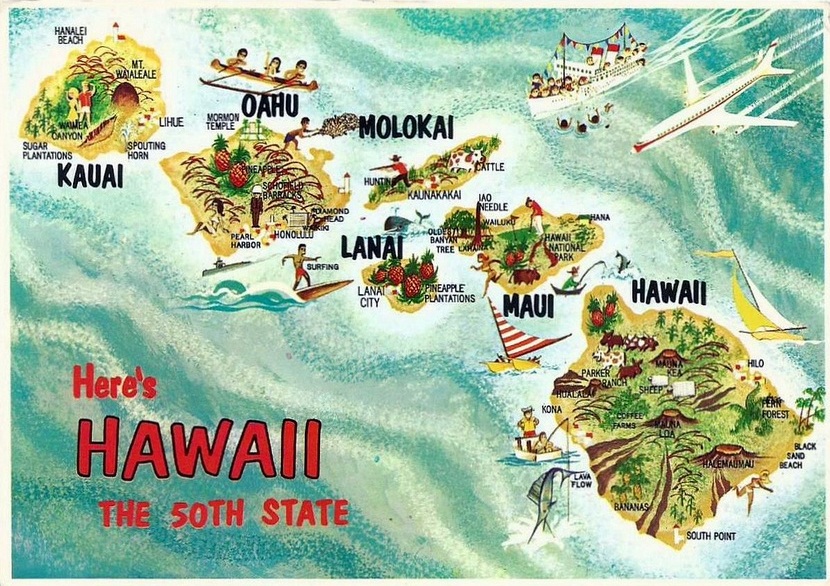
A Naval Gateway
For the burgeoning American military, the Hawaiian Islands offered the perfect coaling station and naval harbor. The natural deep-water bay known as Pearl Harbor was viewed by naval strategists as the “Gibraltar of the Pacific.” Control over this site would allow the United States to project power across the vast oceanic expanse, protecting merchant vessels and asserting dominance against European powers—specifically Great Britain and France—who were also casting long, covetous shadows over the island nation.
The Rise of the Sugar Industry
Economic interests acted as the catalyst for deeper political integration. By the mid-1800s, American businessmen and missionaries had established massive sugarcane plantations across the islands. This agricultural empire grew to depend heavily on the American market. When the United States imposed tariffs on imported sugar, it threatened the profitability of these plantations, pushing local business elites—many of whom were descendants of New England missionaries—to advocate for annexation. They believed that becoming part of the United States would remove trade barriers and secure their economic future.
The Overthrow and the Path to Annexation
The transition of power in Hawaii was not an act of peaceful integration but a calculated political maneuver that displaced an indigenous monarchy.
The Collapse of the Hawaiian Monarchy
In 1891, Queen Liliuokalani ascended to the throne of the Kingdom of Hawaii. A staunch nationalist, she sought to restore power to the monarchy and rights to the native Hawaiian people through a new constitution. This posed an existential threat to the American-backed provisional government formed by sugar plantation owners. In 1893, with the tacit support of the United States Minister to Hawaii, John L. Stevens, and the presence of U.S. Marines, the Queen was overthrown to prevent civil unrest and protect the interests of the business elite.

From Republic to Territory
Following the coup, the provisional government lobbied Washington for annexation. While President Grover Cleveland initially rejected the request, citing the illegality of the overthrow, the onset of the Spanish-American War in 1898 changed everything. The strategic necessity of Hawaii as a logistical base for the war effort became undeniable. Consequently, President William McKinley signed the Newlands Resolution, and Hawaii was annexed as a territory of the United States.
Achieving Statehood: The 50th Star
The journey from a territory to a state spanned over six decades, shaped by the changing social fabric of the islands and the trauma of global conflict.
The Impact of World War II
The attack on Pearl Harbor on December 7, 1941, fundamentally altered the perception of Hawaii within the American consciousness. While the islands had been viewed as a remote outpost, the war effort integrated Hawaii into the core of American identity. Residents of the islands, including many of Japanese ancestry, fought with distinction in the United States Armed Forces, proving their loyalty and challenging the racial prejudices that had previously kept the territory from gaining full political representation.
The 1959 Referendum
After the war, there was an intense push for civil rights and democratic participation. The local population demanded the right to vote for their own leaders and to have representation in the United States Congress. In 1959, the Hawaii Admission Act was passed, followed by a local referendum in which the vast majority of the population voted in favor of becoming a state. On August 21, 1959, Hawaii was officially proclaimed the 50th state of the United States of America.
The Legacy of Hawaiian Statehood Today
Today, Hawaii stands as a unique synthesis of indigenous culture and American governance. The state is home to a diverse population that celebrates its Polynesian heritage alongside its status as an American state.
Cultural Preservation and Sovereignty
While the transition to statehood is often celebrated as the inclusion of a vital strategic asset, it remains a poignant historical topic. There is an ongoing movement centered on the restoration of indigenous rights and discussions regarding Hawaiian sovereignty. This dialogue exists alongside the reality of Hawaii as a major hub for Pacific commerce, defense, and tourism.
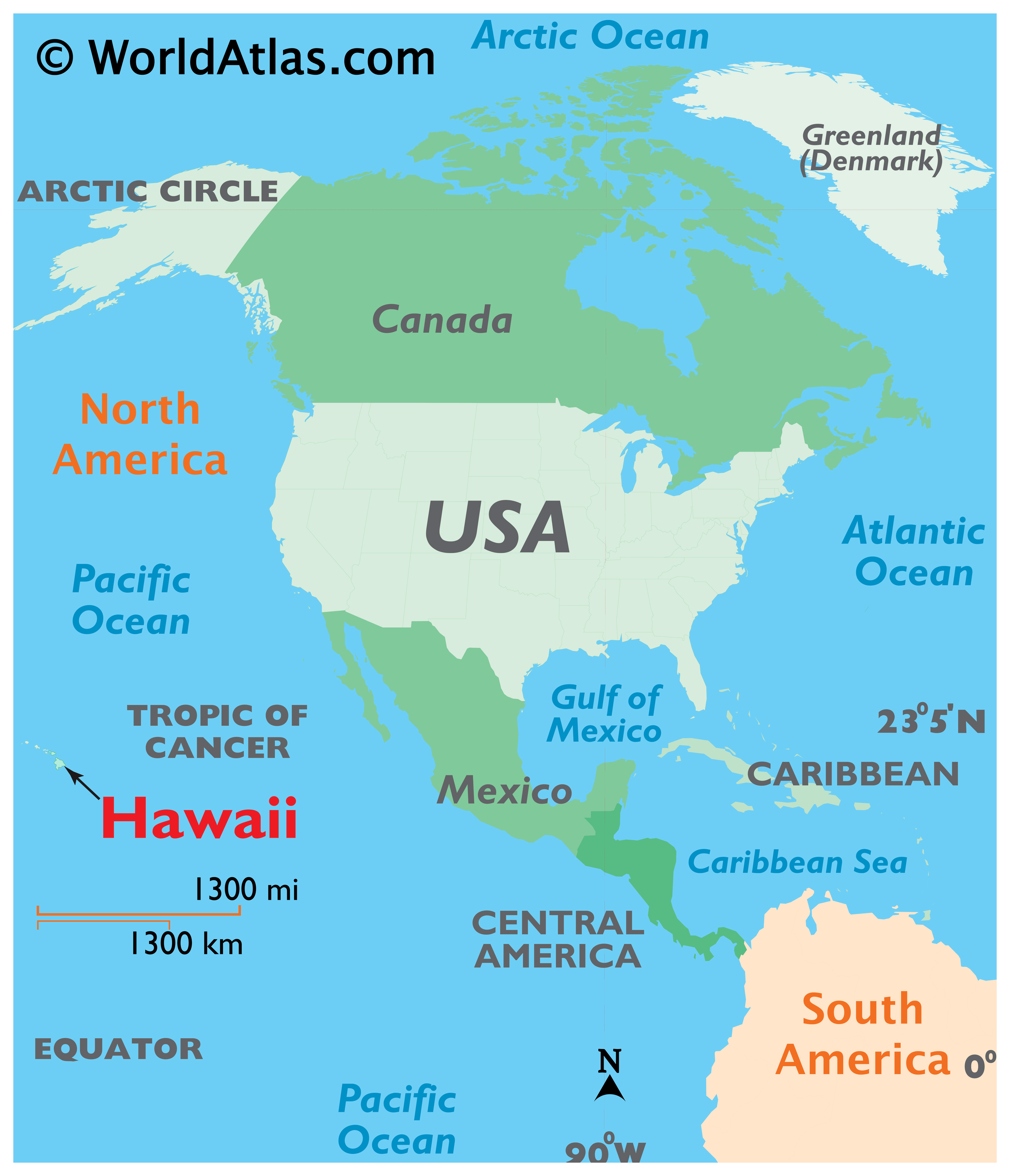
A Beacon of Integration
From the lush, volcanic landscapes of The Big Island to the bustling urban environment of Honolulu, the state of Hawaii represents the expansion of American influence across the world’s largest ocean. Whether one visits the historical sites at Iolani Palace or looks out across the calm waters of Waikiki Beach, the history of how this kingdom became a state serves as a powerful reminder of how geography, economics, and politics shape the boundaries of nations.
By looking back at the events of the late 19th and early 20th centuries, we gain a clearer picture of why Hawaii is a state: it was a combination of American imperial ambition, the strategic necessity of controlling the Pacific Ocean, and the eventual desire of a diverse, modernizing population to be fully represented in the democratic processes of the United States. It remains a pivotal example of how a singular archipelago became an inseparable part of the American story.
LifeOutOfTheBox is a participant in the Amazon Services LLC Associates Program, an affiliate advertising program designed to provide a means for sites to earn advertising fees by advertising and linking to Amazon.com. Amazon, the Amazon logo, AmazonSupply, and the AmazonSupply logo are trademarks of Amazon.com, Inc. or its affiliates. As an Amazon Associate we earn affiliate commissions from qualifying purchases.