
California, the Golden State, conjures images of sun-drenched beaches, towering redwoods, vibrant cities, and endless horizons. For many tourists, experiencing this diverse landscape necessitates a road trip, a quintessential American adventure. However, beneath the allure of open highways lies a significant reality: California is home to an astonishing number of vehicles. Understanding the scale of this automotive presence and its implications is crucial for any visitor planning their journey, impacting everything from travel times to environmental considerations. This article delves into California’s car culture and offers essential insights for tourists navigating one of the world’s most car-centric destinations.
The Scale of California’s Automotive Landscape
California’s sprawling geography and highly developed infrastructure have fostered a deep reliance on personal vehicles. For tourists, this means acknowledging that the sheer volume of cars shapes the very fabric of travel within the state.
Understanding the Numbers
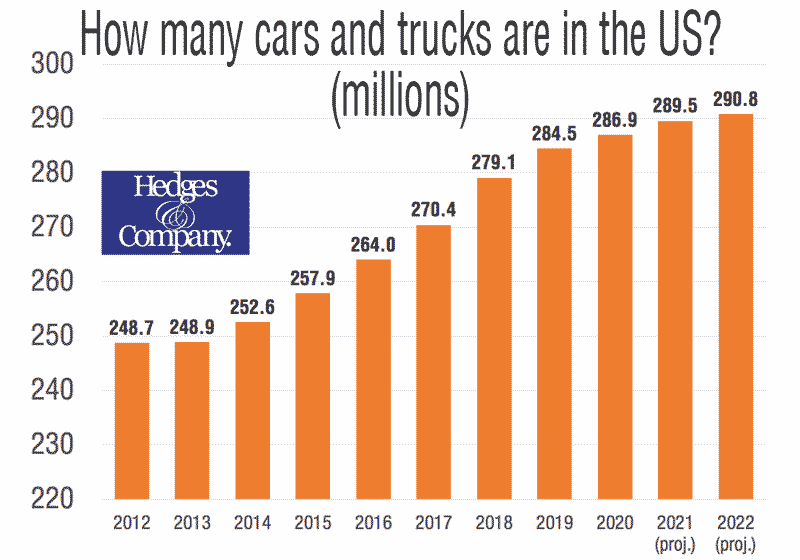
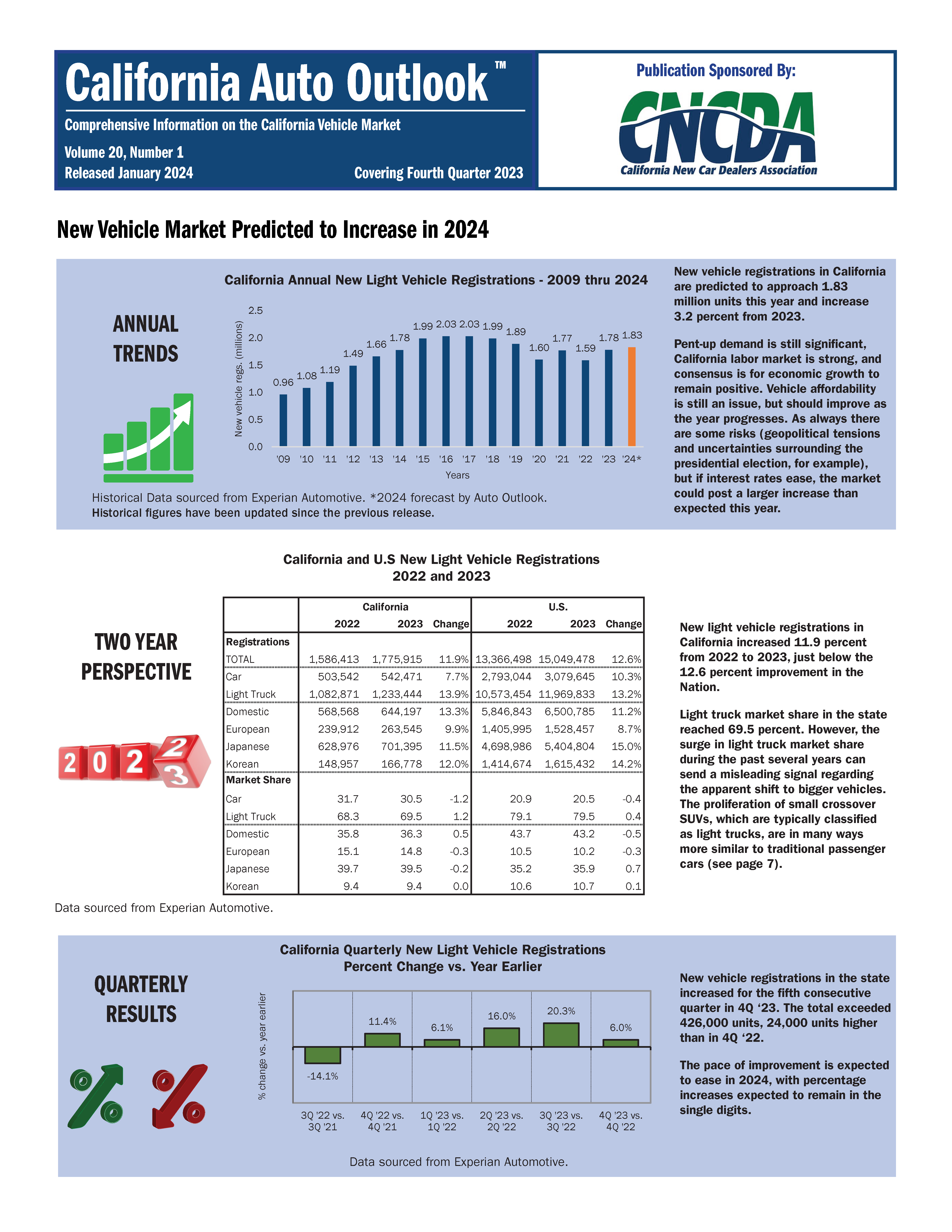
While exact figures fluctuate annually, California consistently boasts the highest number of registered vehicles of any state in the United States. Data from the Department of Motor Vehicles often places the total number of registered vehicles — including automobiles, trucks, motorcycles, and trailers — well over 30 million. When focusing specifically on passenger vehicles, the count remains in the tens of millions. This means that for every two residents, there is roughly one registered car, a ratio that underscores the pervasive presence of vehicles in daily life. For tourists, these numbers translate directly into a high likelihood of encountering significant traffic, especially in metropolitan areas and during peak travel seasons. Navigating the state often means sharing the road with millions of other drivers, a reality that necessitates careful planning and a patient approach.
Why So Many Cars?
Several factors contribute to California’s colossal car population. Firstly, the state’s urban centers, particularly Los Angeles, are famously sprawling, designed around the automobile rather than dense public transport networks. Distances between residential areas, workplaces, and attractions can be substantial, making a car almost a necessity for daily commuting and weekend excursions alike. Secondly, the allure of the open road, epitomized by scenic drives along Highway 1 or through national parks, reinforces car culture. Public transportation, while present in major cities, often struggles to connect disparate regions effectively, pushing visitors towards car rentals for comprehensive exploration. Finally, California’s diverse attractions are often spread across vast distances, from the deserts of Palm Springs to the vineyards of Napa Valley, making personal vehicles the most flexible and often the only practical way to experience them all.
Navigating the Golden State: Implications for Tourists
For visitors to California, the ubiquitous presence of cars has direct implications for their travel experience. Understanding these challenges and planning accordingly can transform potential frustrations into smooth sailing.
Traffic Congestion Hotspots
Traffic is an unavoidable aspect of travel in California, especially in and around its major urban centers. Tourists will frequently encounter congestion on freeways in the Los Angeles metropolitan area, where rush hour can extend for several hours in the morning and evening, sometimes stretching into late night. Similarly, the San Francisco Bay Area, including routes leading to popular spots like the Golden Gate Bridge or Silicon Valley, experiences daily gridlock. Coastal routes, particularly during weekends or holidays, can also become severely bottlenecked as visitors flock to beaches and scenic viewpoints in Santa Monica or Laguna Beach. To minimize time spent in traffic, tourists are advised to utilize navigation apps with real-time traffic updates, plan travel during off-peak hours (mid-morning or late evening), and consider alternative routes when available. Flexibility in your itinerary can be your greatest asset here.
Parking Challenges and Costs
Beyond navigating traffic, finding suitable and affordable parking can be a significant hurdle for tourists driving in California’s popular destinations. In downtown areas of cities like San Francisco, Los Angeles, and San Diego, street parking is often scarce, time-restricted, or meter-fed at premium rates. Parking garages and lots, while more readily available, can charge exorbitant fees, especially near major attractions such as Universal Studios Hollywood, Disneyland Park in Anaheim, or beach communities. Tourists should factor parking costs into their travel budget, which can easily add tens of dollars per day in some locations. Researching parking options in advance, utilizing public transportation where possible, or opting for hotels with complimentary parking can help mitigate these challenges. Valet services, while convenient, also come at an additional cost.
Rental Cars: A Necessary Tool for Exploration?
For many tourists, renting a car in California is almost a given, especially if planning to explore beyond a single city. The flexibility of a personal vehicle allows for spontaneous detours to scenic viewpoints, access to national parks like Yosemite or Death Valley, and the freedom to craft a personalized itinerary. However, renting comes with its own set of considerations: rental fees, insurance costs, fuel expenses, and the aforementioned parking and traffic challenges. Tourists should book rental cars well in advance, especially during peak seasons, to secure better rates and vehicle availability. Opting for a fuel-efficient model can also help offset the cost of gasoline, which in California is often among the highest in the nation. For those focusing primarily on one major city, a rental car might be an unnecessary expense, but for a true California road trip, it often remains the most practical choice.
Embracing Alternatives: Sustainable Tourism and Car-Free Exploration
While cars dominate California’s transportation landscape, a growing emphasis on sustainable tourism and urban development offers visitors alternative ways to explore, particularly within concentrated areas.
Public Transportation in Urban Centers
In California’s larger cities, public transportation offers a viable, often more sustainable, alternative to driving. San Francisco boasts an extensive network of buses, streetcars, historic cable cars, and the Bay Area Rapid Transit (BART) system, which connects the city with the wider Bay Area, including Oakland and Berkeley. Los Angeles has made significant strides in expanding its METRO rail and bus system, providing access to key attractions like Hollywood, Downtown LA, and Santa Monica’s beaches. San Diego’s MTS trolley and bus services effectively cover its downtown and surrounding neighborhoods. While these systems are excellent for localized exploration, they generally do not provide efficient links for long-distance, inter-city travel across the entire state, underscoring the enduring need for personal vehicles for broader excursions.
Ride-Sharing and Taxis
For convenience within urban and suburban areas, ride-sharing services like Uber and Lyft are incredibly popular and readily available across California. These services can be a practical solution for short trips, evenings out when parking is difficult, or when traveling to and from airports. Taxis also operate in major cities, offering a traditional alternative. While more expensive than public transport, ride-sharing can often be more cost-effective than renting a car for a single day or for specific, isolated journeys, especially when considering parking fees. Tourists should factor in surge pricing during peak demand times, which can significantly increase costs.
Cycling and Walking
Embracing active transportation allows tourists to experience California at a slower, more intimate pace. Many cities offer bike rental services, providing a fantastic way to explore coastal paths in Santa Monica, the diverse neighborhoods of San Francisco (with its challenging hills!), or the expansive Golden Gate Park. Walking tours are also highly recommended in pedestrian-friendly districts such as Gaslamp Quarter in San Diego or the historic streets of Old Town Sacramento. These options not only offer unique perspectives and opportunities for discovery but also contribute to a more sustainable and environmentally conscious travel experience, reducing one’s carbon footprint while enjoying the sights and sounds of the Golden State.
In conclusion, California’s vast number of cars is an undeniable aspect of its identity and a critical consideration for any tourist. While the convenience of a personal vehicle often remains unparalleled for exploring the state’s diverse attractions, understanding the challenges of traffic and parking is key to a stress-free trip. By intelligently leveraging a mix of rental cars for expansive road trips, public transport for urban exploration, and ride-sharing for localized convenience, visitors can navigate the Golden State efficiently. Embracing these strategies ensures that the automotive landscape enhances, rather than detracts from, the unforgettable experience of touring California’s iconic destinations.
LifeOutOfTheBox is a participant in the Amazon Services LLC Associates Program, an affiliate advertising program designed to provide a means for sites to earn advertising fees by advertising and linking to Amazon.com. Amazon, the Amazon logo, AmazonSupply, and the AmazonSupply logo are trademarks of Amazon.com, Inc. or its affiliates. As an Amazon Associate we earn affiliate commissions from qualifying purchases.