
California, often celebrated for its sun-kissed beaches, towering redwood forests, and bustling metropolitan hubs, is undeniably a land defined by its relationship with the automobile. For anyone planning to visit the Golden State, understanding the sheer scale of its car population is not just a statistical curiosity; it’s a foundational insight that shapes the entire tourism experience, from navigating its iconic road trips to appreciating its unique local culture. The question, “How many cars in California?” points to an answer that profoundly impacts traffic patterns, transportation infrastructure, and the very rhythm of daily life and travel within this diverse state.

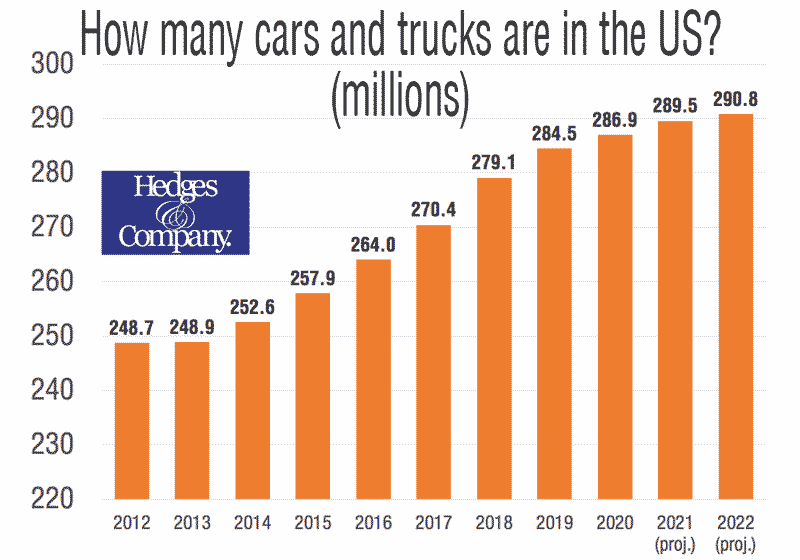
While exact, real-time figures fluctuate constantly with new registrations and vehicle retirements, official data from the California Department of Motor Vehicles typically reports figures exceeding 30 million registered vehicles. This staggering number includes everything from personal cars and trucks to commercial vehicles and motorcycles, underscoring the state’s unparalleled reliance on individual transportation. When considering only passenger vehicles, the count remains incredibly high, often hovering around 25-26 million. This means that for virtually every licensed driver in California, there is at least one vehicle, and often more per household, making it one of the most car-dense regions in the world. This extensive automotive presence directly influences a tourist’s journey, dictating everything from how they get around to what they see and experience.
The Golden State’s Enduring Affair with the Automobile
California’s identity is inextricably linked to the automobile. From the sprawling freeways of Los Angeles to the scenic routes winding along the coast, cars are not merely a means of transport; they are a cultural cornerstone, a symbol of freedom, and an essential tool for exploring the state’s vast and varied landscapes.
A Legacy of Road Trips and Freeways
The romance of the open road found its quintessential expression in California. The state was at the forefront of automotive culture in the 20th century, inspiring countless songs, films, and literary works that celebrated the freedom of driving. This legacy is built upon an expansive network of freeways and highways, many of which are engineering marvels designed to connect distant cities and facilitate rapid travel across its diverse terrain. Iconic routes like the Pacific Coast Highway (Highway 1) and historic sections of Route 66 are global symbols of the American road trip, drawing millions of tourists annually who seek to experience that very sense of automotive adventure. This infrastructure, initially built to support a rapidly growing population and economy, now serves as the backbone for tourism, allowing visitors to seamlessly transition from vibrant urban centers to serene natural parks and picturesque coastal towns. The concept of the “drive-thru” — from fast food to banking — also originated and flourished in California, further cementing the car’s pervasive role in daily life and, by extension, the tourist experience.
The Sheer Scale: Understanding the Numbers
To truly grasp the impact on tourism, it’s crucial to appreciate the scale. With over 30 million registered vehicles for a population of roughly 39 million, California stands out. This high vehicle-to-person ratio is amplified in major metropolitan areas such as Los Angeles, San Francisco, and San Diego, where dense populations combined with extensive urban sprawl necessitate widespread car ownership. This abundance of vehicles translates directly into various tourism considerations. Firstly, it means rental cars are readily available but also in high demand, particularly during peak seasons. Secondly, it highlights the need for robust road infrastructure and services, including numerous gas stations, repair shops, and car washes, which cater to both residents and visitors. Lastly, it underscores the importance of planning for traffic and parking, which are significant facets of the California travel experience.
Navigating California: Implications for Tourists
For the uninitiated, navigating California’s roads can be an experience unto itself. The high number of cars directly influences traffic patterns, parking availability, and the effectiveness of alternative transportation options, all of which are critical for tourists planning their itinerary.
Traffic Realities: What Visitors Should Expect
The immense number of cars on California’s roads means that traffic is not just a possibility, but a frequent reality, especially in and around major cities. Los Angeles is infamous for its congested freeways, with rush hours extending well beyond traditional morning and evening peaks. Similarly, the San Francisco Bay Area sees significant congestion on bridges and key arterial routes, while San Diego and Sacramento also experience their share of bottlenecks. Tourists must factor in extra travel time, particularly when scheduling activities, tours, or flights. Utilizing navigation apps like Waze or Google Maps becomes indispensable, offering real-time traffic updates and alternative routes. Embracing the concept of “California time” – where travel often takes longer than anticipated – can help mitigate frustration and ensure a more relaxed trip.
Public Transportation vs. Personal Vehicle
Given the widespread car ownership, California’s public transportation infrastructure, while present, varies significantly in its comprehensiveness and reach. In San Francisco, the BART system (Bay Area Rapid Transit), muni buses, and iconic cable cars offer excellent coverage within the city and connect to parts of the East Bay. Los Angeles has an expanding Metro rail and bus system, but its sheer geographical size often makes personal vehicles or ride-sharing services like Uber and Lyft more practical for navigating between distant attractions. For trips beyond city limits, especially to national parks or rural wine regions like Napa Valley, a personal vehicle is almost always necessary. Tourists should assess their itinerary; a city-centric trip to San Francisco might manage without a car, but a broader exploration of the state will undoubtedly require one.
Parking Challenges and Solutions
The high concentration of cars inevitably leads to parking challenges, particularly in popular urban areas and near major tourist attractions. Street parking can be scarce and expensive, with complex rules and strict enforcement. Many hotels in cities like Los Angeles and San Francisco charge daily parking fees, which can significantly add to accommodation costs. Tourists should research parking options in advance, utilizing parking apps and websites that display garage locations, availability, and pricing. While inconvenient at times, understanding that parking is a premium in car-dense areas prepares visitors to budget both time and money for this aspect of their trip. For instance, visiting Hollywood or Santa Monica might involve paying for garage parking or seeking out metered spots, while destinations like Disneyland have extensive, paid parking facilities.
Exploring California’s Diverse Landscapes by Car
Despite the challenges, the abundance of cars in California ultimately enables unparalleled access to its natural beauty and iconic attractions, making road trips an integral part of the tourist experience.
Iconic Road Trips: A Must-Do Experience
The vast number of vehicles in California is, paradoxically, what makes its legendary road trips so accessible and popular. Driving the Pacific Coast Highway (PCH), particularly the breathtaking stretch through Big Sur, is a bucket-list item for many. The freedom of a car allows travelers to stop at dramatic overlooks, charming coastal towns, and hidden beaches at their own pace. Similarly, exploring the historic vestiges of Route 66 in the Mojave Desert offers a nostalgic journey through Americana. The abundance of cars facilitates the rental market, making it easy for tourists to secure a vehicle suited for their road trip ambitions, whether it’s a convertible for the coast or an SUV for mountain adventures.
Accessing Natural Wonders and Attractions
Many of California’s most stunning natural attractions, from the majestic groves of Redwood National Park to the rugged peaks of Yosemite National Park and the surreal landscapes of Death Valley National Park, are best, if not exclusively, accessed by car. Public transport to these areas is often limited or non-existent, making a private vehicle essential for exploring trailheads, scenic overlooks, and visitor centers. The same applies to destinations like the vineyards of Napa Valley or the desert oases of Palm Springs; the ability to drive provides flexibility and the freedom to craft a personalized itinerary. Even within cities, a car can be beneficial for visiting multiple attractions spread across a wide area, such as moving between Hollywood, Beverly Hills, and Santa Monica in Los Angeles.
The Electric Vehicle Revolution and Sustainable Tourism
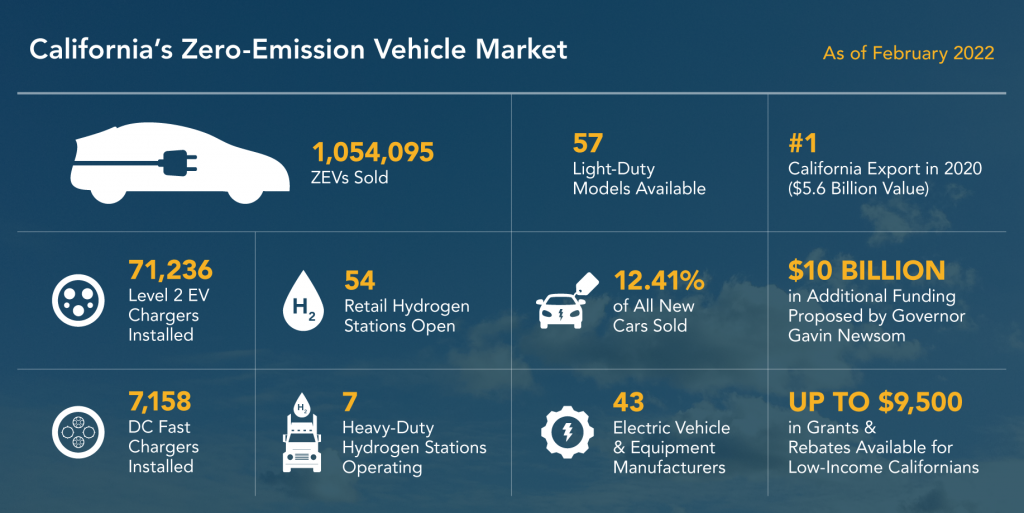
California, a global leader in environmental initiatives, is also at the forefront of the electric vehicle (EV) revolution. With a substantial and rapidly growing number of EVs on its roads, the state offers extensive charging infrastructure, which is a boon for eco-conscious tourists. Renting an EV for a road trip is becoming an increasingly viable and attractive option, allowing visitors to explore the state with a reduced carbon footprint. This shift toward sustainable transportation aligns with the values of many modern travelers and presents an exciting new dimension to California tourism, integrating environmental responsibility with the enduring tradition of the road trip.
Tips for Tourists: Making the Most of Your California Drive
To ensure a smooth and enjoyable trip, tourists visiting California should approach their automotive experience with some strategic planning.
Rental Car Strategies
Booking a rental car well in advance, especially during peak travel seasons or for specific types of vehicles (like convertibles for the coast), is highly recommended. Comparing prices from different rental agencies and checking for any hidden fees (like tolls or additional driver charges) can save money. Consider a car with GPS or ensure your smartphone has reliable navigation apps. Also, be aware of fuel efficiency, especially if planning long distances, as gas prices in California are often higher than the national average.
Essential Apps for Navigation and Traffic
Download and familiarize yourself with navigation apps like Waze and Google Maps before you arrive. These apps are indispensable for real-time traffic updates, estimated travel times, and finding the quickest routes, especially when encountering unexpected congestion. Many apps also help locate parking or gas stations, further streamlining your journey.
Understanding California Driving Laws and Etiquette
California has specific driving laws and unwritten etiquette. Always yield to pedestrians, especially in crosswalks. Be mindful of carpool lanes (HOV lanes), which are restricted to vehicles with a certain number of occupants (often 2 or more) during specified hours; violating these rules can result in hefty fines. Understand the differences in speed limits between freeways, highways, and residential areas. “Lane splitting” for motorcycles is legal but requires awareness. Most importantly, remain patient in traffic, as aggressive driving can exacerbate already stressful situations.
Alternative Transportation Options
While a car is highly recommended for exploring much of California, in dense urban centers, consider supplementing driving with other options. San Francisco is famously walkable and offers excellent public transport. Ride-sharing services like Uber and Lyft are widely available in cities and can be a convenient alternative for short distances or when parking is prohibitive. In some areas, electric scooters or bike rentals offer fun ways to explore local neighborhoods. Understanding where and when to ditch the car can enhance your experience and reduce stress.
Conclusion
The question of “How many cars in California?” reveals far more than just a statistic; it unveils the very fabric of travel and tourism in the Golden State. With over 30 million registered vehicles, California embraces and defines car culture, offering an unparalleled freedom of exploration that is both its biggest asset and its greatest challenge for visitors. While the sheer volume of cars means traffic and parking require careful planning, it also facilitates iconic road trips, access to breathtaking natural wonders, and an authentic immersion into the Californian lifestyle. By understanding this unique automotive landscape and equipping themselves with the right strategies, tourists can harness the power of the open road, turning potential obstacles into opportunities for unforgettable adventures across one of America’s most captivating states. So, pack your bags, fire up the navigation, and get ready to experience California on its own terms – behind the wheel.
LifeOutOfTheBox is a participant in the Amazon Services LLC Associates Program, an affiliate advertising program designed to provide a means for sites to earn advertising fees by advertising and linking to Amazon.com. Amazon, the Amazon logo, AmazonSupply, and the AmazonSupply logo are trademarks of Amazon.com, Inc. or its affiliates. As an Amazon Associate we earn affiliate commissions from qualifying purchases.