
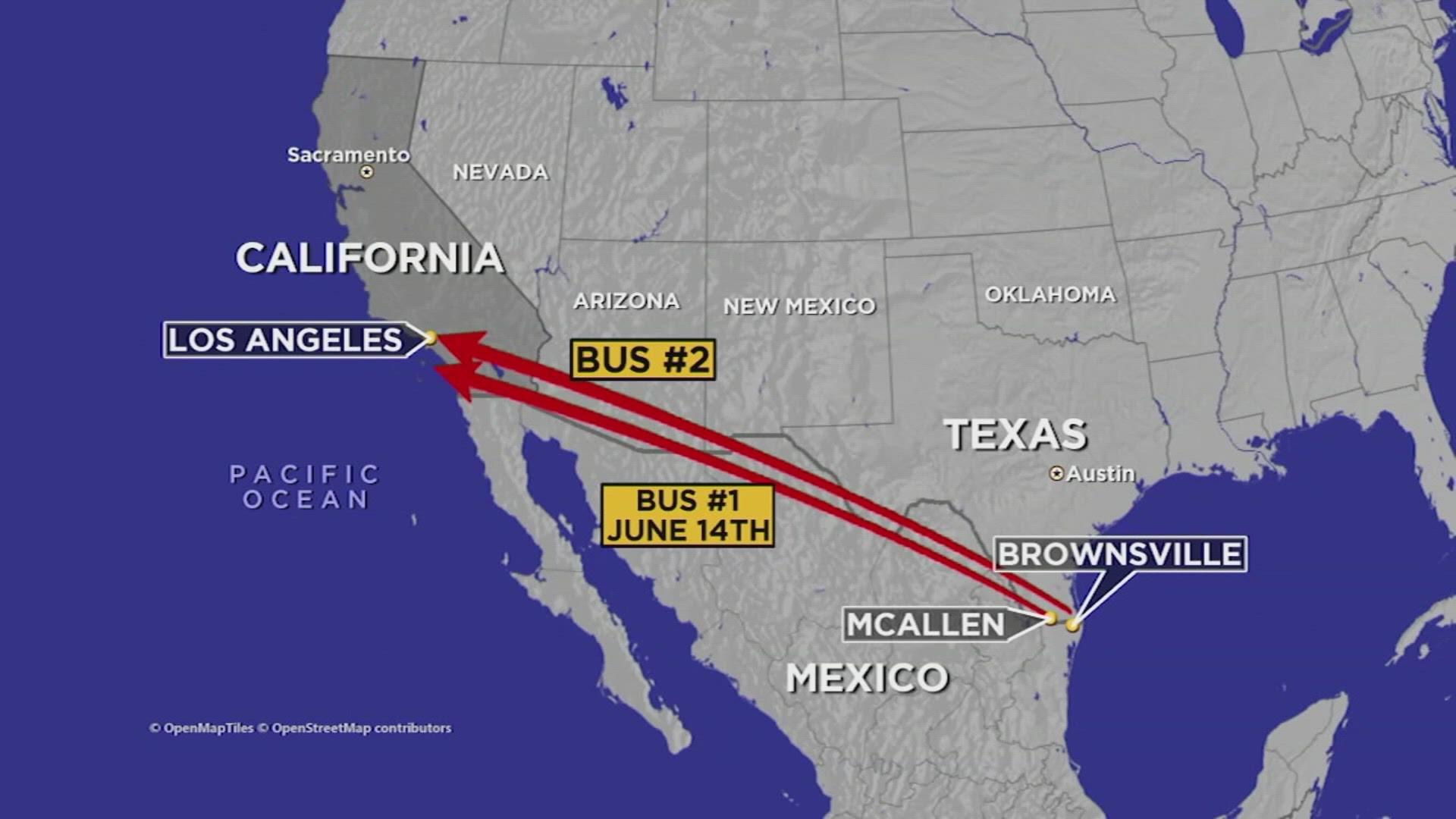
Traveling from the vast landscapes of Texas to the sunny shores and bustling cities of California is a common journey for business travelers, tourists, and those relocating. While the two states share a border, the significant distance between their major population centers means flying is by far the most efficient mode of transport. Understanding the duration of such a flight is crucial for planning your itinerary, managing expectations, and making the most of your travel time. This comprehensive guide delves into the factors that influence flight times, typical durations from key departure points, and tips for optimizing your aerial journey across the American Southwest.
Understanding the Variables: Factors Influencing Flight Duration
The seemingly straightforward question of “how long” a flight takes is, in reality, influenced by a complex interplay of geographical, operational, and environmental factors. From the precise route taken to the whims of the weather, several elements can alter your time in the air.
Distance Between Major Hubs
The most obvious factor is the geographical distance between your departure and arrival airports. Texas is a massive state, as is California. Flying from Dallas or Houston in eastern Texas to Los Angeles or San Francisco in coastal California will naturally take longer than, say, a flight from El Paso, Texas (which borders New Mexico and is closer to Southern California) to San Diego.
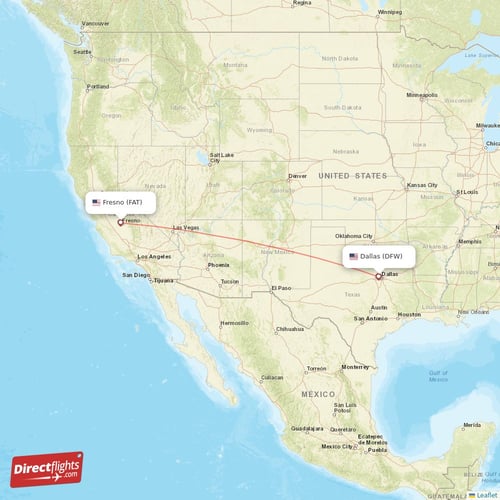
For instance, the aerial distance from Dallas/Fort Worth International Airport (DFW) to Los Angeles International Airport (LAX) is approximately 1,235 miles (1,987 km). In contrast, a flight from George Bush Intercontinental Airport (IAH) in Houston to San Francisco International Airport (SFO) covers about 1,600 miles (2,575 km). These differences in mileage directly translate to variations in flight time.
Aircraft Type and Speed
The type of aircraft deployed on a route significantly affects flight duration. Commercial airliners, such as the widely used Boeing 737 or Airbus A320 series, typically cruise at speeds around 500-550 miles per hour (800-885 km/h). Larger, long-haul aircraft might be slightly faster, but for transcontinental domestic routes like Texas to California, the difference is usually negligible for scheduled flight times. The aircraft’s ascent and descent profiles, as well as cruising altitude, also play a role, with jets needing time to reach optimal cruising height and speed.
Wind Conditions (Jet Stream)
One of the most powerful natural forces impacting flight times is the jet stream. These strong, fast-moving currents of air typically flow from west to east across North America. This means that flights traveling eastbound (e.g., California to Texas) often benefit from a tailwind, which can shave 15-30 minutes off the flight time. Conversely, flights traveling westbound (e.g., Texas to California) might encounter headwinds, potentially adding the same amount of time to the journey. While airlines account for typical wind patterns in their scheduling, particularly strong or unusual conditions can lead to deviations.
Air Traffic Control (ATC) Delays and Rerouting
Even with advanced flight planning, the dynamic nature of air travel means that unexpected delays can occur. Air traffic control (ATC) manages the flow of thousands of aircraft daily, and factors like severe weather, airport congestion, or even geopolitical events can necessitate rerouting or holding patterns. These “holds” where an aircraft circles before landing, or being directed to a slightly longer route to avoid congested airspace, can add minutes or even an hour to the scheduled flight time. While these are usually factored into buffer times by airlines, significant disruptions can still impact the journey.
Typical Flight Times: Direct vs. Connecting Flights
When planning your trip, differentiating between direct flights and those with layovers is crucial, as the total travel time can vary dramatically.
Direct Flights: Average Duration from Major Texas Airports
Direct flights offer the quickest way to get from point A to point B. For the Texas to California route, these flights are typically offered by major airlines and connect large hub airports.
- From Dallas/Fort Worth International Airport (DFW):
- To Los Angeles International Airport (LAX): Approximately 2 hours 45 minutes to 3 hours 15 minutes.
- To San Francisco International Airport (SFO): Approximately 3 hours 30 minutes to 4 hours.
- To San Diego International Airport (SAN): Approximately 2 hours 55 minutes to 3 hours 25 minutes.
- From George Bush Intercontinental Airport (IAH):
- To Los Angeles International Airport (LAX): Approximately 3 hours to 3 hours 30 minutes.
- To San Francisco International Airport (SFO): Approximately 3 hours 45 minutes to 4 hours 15 minutes.
- To San Diego International Airport (SAN): Approximately 3 hours 15 minutes to 3 hours 45 minutes.
- From Austin-Bergstrom International Airport (AUS):
- To Los Angeles International Airport (LAX): Approximately 3 hours to 3 hours 30 minutes.
- To San Francisco International Airport (SFO): Approximately 3 hours 45 minutes to 4 hours 15 minutes.
- To San Diego International Airport (SAN): Approximately 3 hours 15 minutes to 3 hours 45 minutes.
It’s important to note that these are gate-to-gate times, which include taxiing before takeoff and after landing. Actual airtime might be slightly less.
Connecting Flights: Impact on Total Travel Time
While direct flights are often preferred, connecting flights can be more economical or necessary if direct routes are unavailable for your specific origin and destination. The total travel time for a connecting flight encompasses the initial flight segment, the layover duration, and the subsequent flight segment.
- Layover Duration: This is the most significant variable. Layovers can range from a quick 45-minute sprint between gates to an extended 6-hour wait. Travelers often choose longer layovers for comfort or to mitigate risks of missing a connection due to delays on the first leg. However, a layover adds directly to your overall travel time. A common layover duration is 1.5 to 2 hours, which is generally sufficient for most connections without being excessively long.
- Common Connecting Hubs: When flying from Texas to California with a connection, you might find yourself passing through major hubs like Phoenix Sky Harbor International Airport (PHX) in Arizona or Denver International Airport (DEN) in Colorado. While these airports are geographically sensible intermediate points, the cumulative effect of two flights and a layover means a connecting journey will typically take anywhere from 5 to 8+ hours, depending on the route and layover length.

Major Airports Serving the Route
Both Texas and California are home to numerous large airports, providing travelers with a wide array of choices for departure and arrival. Understanding the primary hubs can help you select the most convenient and efficient route.
Key Texas Departure Hubs
Texas boasts several international and major domestic airports that facilitate flights to California.
- Dallas/Fort Worth International Airport (DFW): One of the busiest airports in the world, DFW serves as a major hub for American Airlines and offers extensive direct routes to all major California airports.
- George Bush Intercontinental Airport (IAH): Located in Houston, IAH is a significant hub for United Airlines, providing numerous daily flights to California cities.
- Austin-Bergstrom International Airport (AUS): Serving the state capital, AUS has seen rapid growth and offers a good selection of direct flights to California, catering to both leisure and tech-industry travelers.
- William P. Hobby Airport (HOU): Also in Houston, HOU is a primary base for Southwest Airlines, known for its extensive point-to-point network, including many direct flights to California destinations.
- San Antonio International Airport (SAT): Serving San Antonio, SAT offers a smaller but still significant number of direct flights to key California airports.
Primary California Arrival Gateways
California’s vast population and economic importance mean it has several major airports, each serving different regions.
- Los Angeles International Airport (LAX): The largest and busiest airport on the West Coast, LAX is a global gateway and offers the most extensive connections from Texas to Southern California, serving the greater Los Angeles area.
- San Francisco International Airport (SFO): The main airport for the San Francisco Bay Area, SFO is a major international hub with numerous direct flights from Texas, particularly popular for tech and leisure travel to Northern California.
- San Diego International Airport (SAN): Serving San Diego and its vibrant coastal region, SAN is a convenient option for travelers heading to the southernmost parts of California.
- Oakland International Airport (OAK): Another significant airport in the San Francisco Bay Area, OAK is a hub for Southwest Airlines and often provides more budget-friendly options for those visiting the East Bay and surrounding areas.
- Norman Y. Mineta San Jose International Airport (SJC): Located in the heart of Silicon Valley, SJC is ideal for business travelers and those visiting the southern Bay Area, with direct connections from Texas hubs.
Optimizing Your Travel Experience
Knowing the flight duration is just one piece of the puzzle. To truly enhance your travel experience, consider these tips for optimizing your journey.
Best Time to Fly for Shorter Durations
While wind conditions are unpredictable, early morning flights often face fewer air traffic delays. Additionally, flights on Tuesdays, Wednesdays, and Saturdays tend to be less crowded and potentially subject to fewer ground holds compared to peak travel days like Fridays and Sundays. Using flight tracking apps can give you insights into historical punctuality for specific routes.
Choosing the Right Airline and Route
Consider your priorities when selecting an airline. Some airlines might offer slightly faster routes due to their operational efficiency or choice of aircraft. However, for a 3-4 hour flight, the difference in airtime between major carriers is often minimal. Focus instead on departure/arrival times that suit your schedule, baggage policies, in-flight amenities, and overall airline reputation for punctuality. If budget is a primary concern, low-cost carriers often provide competitive direct flight options but may have different service models.
Preparing for Your Flight
Even a relatively short transcontinental flight can be made more comfortable with proper preparation.
- In-flight Entertainment: Most modern aircraft offer seat-back screens or Wi-Fi for streaming. Download movies, podcasts, or e-books beforehand in case connectivity is an issue.
- Comfort: Wear comfortable clothing, bring a neck pillow, and stay hydrated. The cabin environment can be dry, so drinking water is essential.
- Snacks: While snacks are often provided, having your preferred options can make a big difference, especially if you have dietary restrictions.
- Time Zone Adjustment: Remember that California is two hours behind Texas (Central Time vs. Pacific Time). Plan your activities upon arrival to account for this time difference, especially if you have immediate meetings or plans.
Beyond the Flight: What Awaits in California
Once your flight lands and you’ve navigated through your chosen California gateway, a world of diverse experiences awaits. Whether you’re traveling for business or leisure, understanding the flight duration is the first step in unlocking the myriad opportunities presented by the Golden State.
Diverse Landscapes and Experiences
From the iconic beaches of Southern California to the majestic redwood forests and rugged coastlines of the north, California offers an unparalleled variety of natural beauty. The deserts, mountains, and fertile valleys contribute to a rich tapestry of environments, each promising unique adventures. This geographical diversity means that travelers can experience vastly different climates and activities within a relatively short distance, making internal travel within California an adventure in itself.
Business and Leisure Opportunities
California stands as a global hub for innovation, entertainment, and agriculture. Silicon Valley draws tech professionals, while Hollywood attracts those in the film and television industries. For leisure travelers, world-class theme parks, renowned wineries, and vibrant cities like Los Angeles, San Francisco, and San Diego offer endless exploration. The relatively short flight from Texas makes these opportunities highly accessible, facilitating frequent trips for both professional and personal pursuits.
In conclusion, a direct flight from Texas to California typically spans between 2 hours 45 minutes and 4 hours 15 minutes, depending on the specific airports and prevailing conditions. While connecting flights will extend total travel time, a wealth of options ensures that you can find a journey that aligns with your schedule and preferences. By understanding these dynamics and preparing accordingly, your flight across the Southwest will be a smooth and integral part of your overall California adventure.
LifeOutOfTheBox is a participant in the Amazon Services LLC Associates Program, an affiliate advertising program designed to provide a means for sites to earn advertising fees by advertising and linking to Amazon.com. Amazon, the Amazon logo, AmazonSupply, and the AmazonSupply logo are trademarks of Amazon.com, Inc. or its affiliates. As an Amazon Associate we earn affiliate commissions from qualifying purchases.