
Alaska, the “Last Frontier,” is a state that conjures images of vast, untamed wilderness, towering mountains, and abundant wildlife. It’s a destination that appeals to the adventurous spirit, promising unique experiences far removed from the hustle and bustle of more populated areas. While many envision Alaska primarily as a land of national parks and remote lodges, it also possesses a network of communities, each with its own character and significance for travelers. Understanding the urban landscape of Alaska, even if it differs from that of the contiguous United States, is key to planning a comprehensive travel experience. This exploration delves into the nature of Alaskan “cities,” offering insights into the unique classification of settlements in this expansive state and how they contribute to the overall allure of Alaskan travel.
Defining “City” in the Alaskan Context
The question of “how many cities are in Alaska?” is not as straightforward as it might seem, primarily due to differing definitions of what constitutes a city. Unlike many other U.S. states, Alaska has a unique approach to municipal incorporation and governance. This often leads to confusion for those accustomed to more conventional urban structures.
Municipal Incorporation in Alaska
In Alaska, the primary legal distinction is between incorporated cities and unincorporated communities. Incorporated cities are those that have formed their own local government, providing services such as police, fire protection, and utilities. These are typically the entities that would be recognized as “cities” in the traditional sense.
However, the sheer size and sparse population distribution of Alaska mean that even its incorporated cities can be vastly different from what many travelers might expect. Some of Alaska’s cities are bustling hubs of activity, while others are more akin to small towns or even villages by continental standards.
Unincorporated Communities and Their Significance
Beyond incorporated cities, Alaska has a multitude of unincorporated communities. These settlements often lack a formal municipal government and rely on borough or state services. Despite not being officially classified as “cities,” many of these unincorporated communities are vital to the Alaskan travel experience. They represent the authentic character of the state, offering glimpses into local life, unique cultural traditions, and access to remote natural wonders.
For travelers, understanding this distinction is crucial. A journey to Alaska might involve visiting both incorporated cities and significant unincorporated communities, each offering a different facet of the Alaskan landscape and culture. The term “city” in Alaska, therefore, encompasses a broader spectrum of populated places than in many other parts of the world.
Key Cities and Their Unique Appeal for Travelers
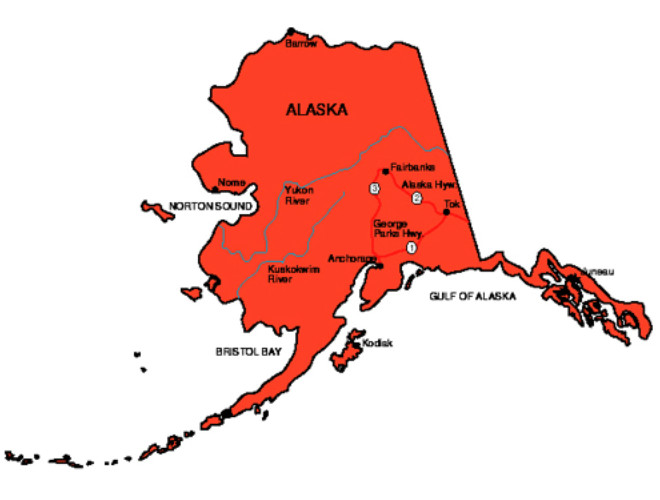
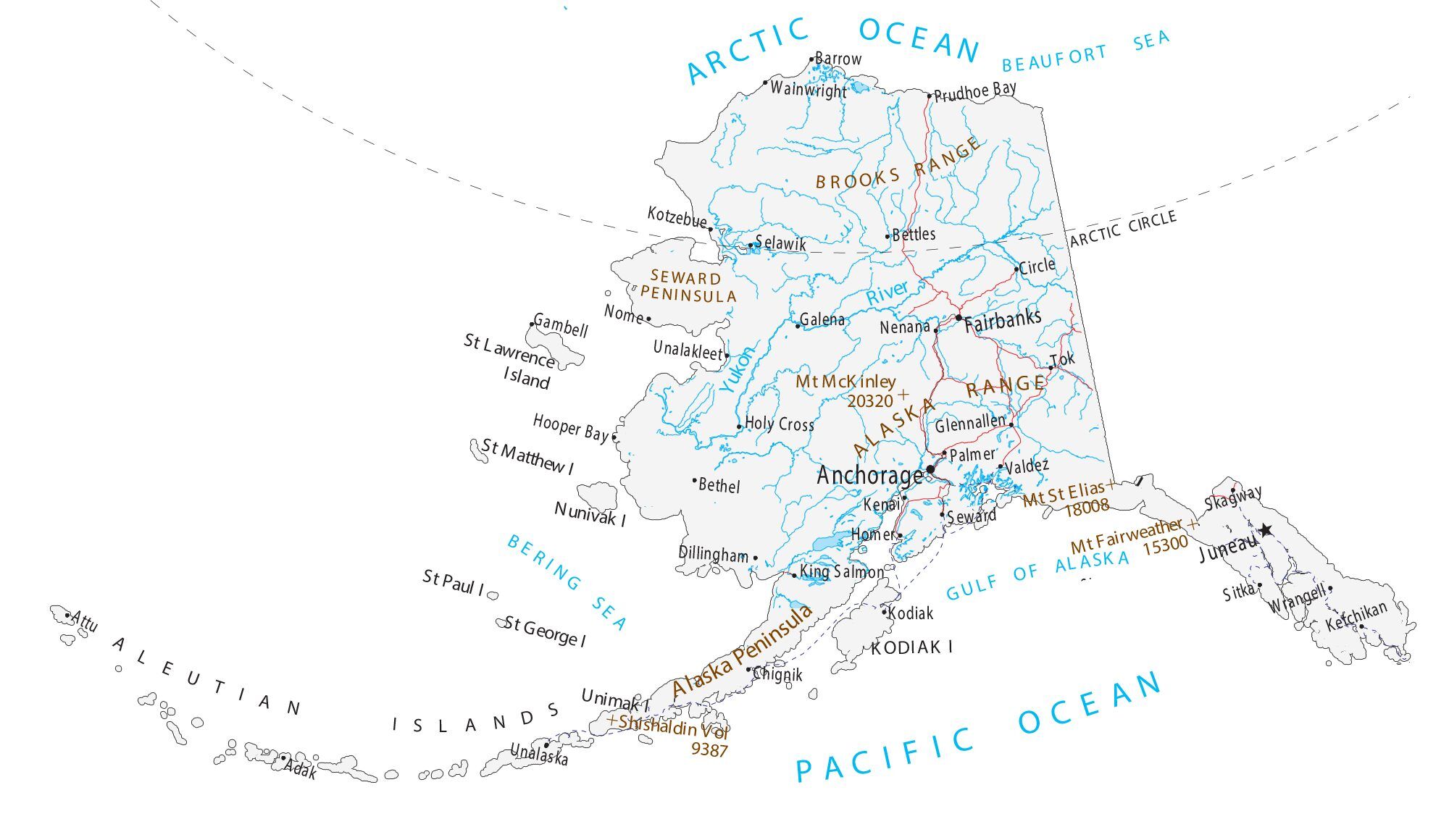
While the exact number of “cities” can be debated based on definitions, Alaska boasts several significant urban centers and noteworthy communities that serve as crucial gateways and destinations for travelers. Each offers a distinct flavor of Alaskan life and access to a wealth of attractions.
Anchorage: The Gateway to Alaska
Anchorage, the largest city in Alaska, is the primary entry point for most visitors. It’s a vibrant urban center with a surprising array of amenities, cultural institutions, and outdoor recreational opportunities.
Attractions and Activities in Anchorage
- The Alaska Native Heritage Center: This cultural center offers an immersive experience into the traditions and contemporary lives of Alaska’s indigenous peoples. Visitors can explore life-sized replica village homes, witness traditional performances, and learn about the rich history of the Alaska Native cultures.
- Chugach State Park: Easily accessible from Anchorage, this vast park provides unparalleled opportunities for hiking, wildlife viewing, and exploring the rugged Alaskan wilderness without venturing too far from civilization.
- Anchorage Museum: A world-class museum showcasing art, history, science, and culture, with a particular focus on Alaska and the Arctic. It’s an excellent place to gain a deeper understanding of the state’s past, present, and future.
- Coastal Trail: A scenic paved path perfect for walking, jogging, or biking, offering stunning views of Cook Inlet and the surrounding mountains.
Practicalities for Travelers in Anchorage
Anchorage is home to the Ted Stevens Anchorage International Airport, with extensive flight connections. The city offers a wide range of accommodations, from luxury hotels to budget-friendly options, and a diverse culinary scene showcasing local Alaskan ingredients.
Juneau: The Capital City Amidst Nature
Juneau, Alaska’s capital, is unique in that it is inaccessible by road, accessible only by air or sea. This geographical isolation contributes to its distinct charm and provides a dramatic setting surrounded by mountains and waterways.
Exploring Juneau’s Natural Wonders
- Mendenhall Glacier: A magnificent, easily accessible glacier that is a must-see attraction. Visitors can walk to various viewpoints, take guided tours, and even hike on the glacier itself.
- Tracy Arm Fjord: A breathtaking fjord experience, often explored via boat tours from Juneau. This scenic journey offers opportunities to see tidewater glaciers, icebergs, and abundant marine life, including seals and whales.
- Mount Roberts Tramway: Ascending Mount Roberts provides panoramic views of Juneau, the Gastineau Channel, and the surrounding snow-capped peaks.
Cultural and Historical Sites
- Alaska State Museum: Delves into the rich history, culture, and natural environment of Alaska, from its indigenous roots to its modern development.
- State Capitol Building: Offers a glimpse into Alaska’s government and history.
Fairbanks: The Heart of the Interior
Fairbanks, located in the interior of Alaska, is renowned for its connection to the Aurora Borealis (Northern Lights) and its gold rush history. It’s a hub for exploring the vast interior wilderness.
Experiencing the Northern Lights and Gold Rush Heritage
- Aurora Viewing: Fairbanks is one of the best places in the world to witness the Northern Lights, especially during the winter months. Numerous tours and viewing lodges cater to aurora enthusiasts.
- Gold Dredge 8: A historical site offering a fascinating look into Alaska’s gold mining past, complete with gold panning opportunities.
- University of Alaska Museum of the North: Features exhibits on Alaskan art, natural history, and culture, with a significant collection of gold specimens.
- Riverboat Discovery Cruise: A sternwheeler cruise on the Chena River, showcasing Athabascan culture, a sled dog demonstration, and a fish camp.
Access to Interior Adventures
Fairbanks serves as a launching point for trips to Denali National Park and Preserve and other interior destinations. The city itself offers dog sledding, ice sculpting demonstrations, and a unique perspective on life in the sub-Arctic.
Other Notable Communities and Their Significance
While the larger cities attract the most attention, many smaller communities, both incorporated and unincorporated, play a vital role in the Alaskan travel tapestry. These often represent the heart of local culture and provide access to more remote adventures.
Seward: Gateway to Kenai Fjords National Park
Seward is a charming coastal town on the Kenai Peninsula, famous as the starting point for the Iditarod Trail Sled Dog Race and the gateway to Kenai Fjords National Park.
- Kenai Fjords Tours: Boat tours offer incredible opportunities to see glaciers, marine wildlife like whales, sea otters, and puffins.
- Alaska SeaLife Center: A public aquarium and research facility dedicated to the study and rehabilitation of marine mammals and birds.
Skagway: A Glimpse into the Klondike Gold Rush
Skagway is a historic town that played a pivotal role during the Klondike Gold Rush.
- White Pass and Yukon Route Railway: A scenic narrow-gauge railway journey that retraces the steps of gold seekers, offering dramatic mountain scenery.
- Historic Downtown: Preserves much of the gold rush era architecture and atmosphere.
Ketchikan: The Salmon Capital of the World
Ketchikan, located in Southeast Alaska, is known for its vibrant totem poles and its status as the “Salmon Capital of the World.”
- Totem Bight State Historical Park and Saxman Native Village: Feature impressive collections of totem poles, offering insights into Tlingit and Haida art and culture.
- Misty Fjords National Monument: Accessible by floatplane, this area is renowned for its dramatic glacial fjords and pristine wilderness.
The Intricacies of Alaskan Geography and Population
Alaska’s immense size and unique geography significantly shape the distribution and nature of its populated areas. Understanding these factors is essential for appreciating the context behind the question of “how many cities.”
Vastness and Sparsity
Alaska is the largest state in the United States by area, yet it has a population smaller than many major metropolitan areas in the contiguous U.S. This immense scale means that settlements are often spread far apart, connected by long highways, air travel, or waterways.
Boroughs vs. Unorganized Borough
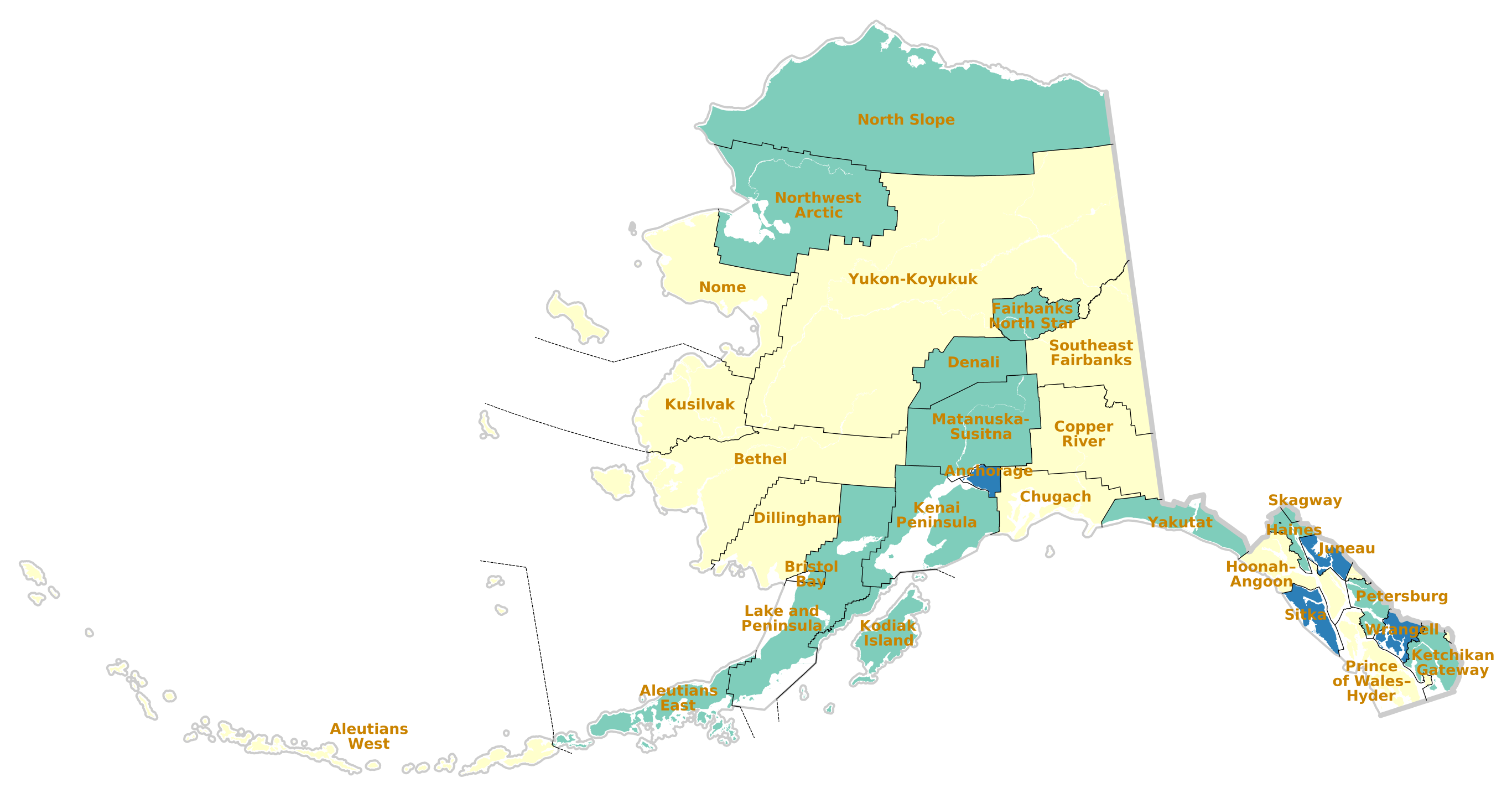
Alaska is unique in its governmental structure, featuring 16 organized boroughs (similar to counties) and one unorganized borough. The unorganized borough is vast and relies on state services for administration and infrastructure. Many communities within the unorganized borough are unincorporated and thus do not fit the traditional definition of a city with its own municipal government.
Travel Considerations
For travelers, this means that a trip to Alaska often involves significant travel time between destinations. Flights are a common and often necessary mode of transportation, especially for reaching more remote communities. Car travel is feasible within certain regions, like the road system connecting Anchorage, Fairbanks, and Juneau (via ferry connection for Juneau).
Conclusion: Answering the “City” Question for Travelers
So, how many cities are in Alaska? If we adhere strictly to the legal definition of incorporated cities with their own municipal governments, the number is around 100. However, for a traveler, this number tells only part of the story. Alaska’s true appeal lies in its diverse range of settlements, from bustling urban centers like Anchorage to charming coastal towns like Seward, historic gold rush outposts like Skagway, and unique cultural hubs like Ketchikan.
Each of these places, regardless of its formal classification, offers distinct experiences, cultural immersion, and access to the unparalleled natural beauty of the Last Frontier. When planning an Alaskan adventure, it’s more beneficial to focus on the unique character and attractions of each destination rather than getting bogged down by precise nomenclature. Whether it’s an incorporated city or a significant unincorporated community, each settlement contributes to the rich and varied mosaic that makes Alaska such an extraordinary travel destination.
LifeOutOfTheBox is a participant in the Amazon Services LLC Associates Program, an affiliate advertising program designed to provide a means for sites to earn advertising fees by advertising and linking to Amazon.com. Amazon, the Amazon logo, AmazonSupply, and the AmazonSupply logo are trademarks of Amazon.com, Inc. or its affiliates. As an Amazon Associate we earn affiliate commissions from qualifying purchases.