
Navigating the diverse and vibrant landscape of Puerto Rico can be a fascinating endeavor, especially when trying to understand its administrative and geographical divisions. While the question “How many cities are in [Puerto Rico]?” might seem straightforward, the answer is nuanced, reflecting the island’s unique historical and political structure. Unlike mainland United States where the term “city” is more rigidly defined, Puerto Rico operates with a system of municipalities, each holding a significant level of autonomy and identity. To truly appreciate the island’s urban fabric, it’s essential to delve into what constitutes a “city” within the Puerto Rican context, explore its key urban centers, and understand how these designations shape the travel experience.
Understanding Puerto Rico’s Municipal Structure
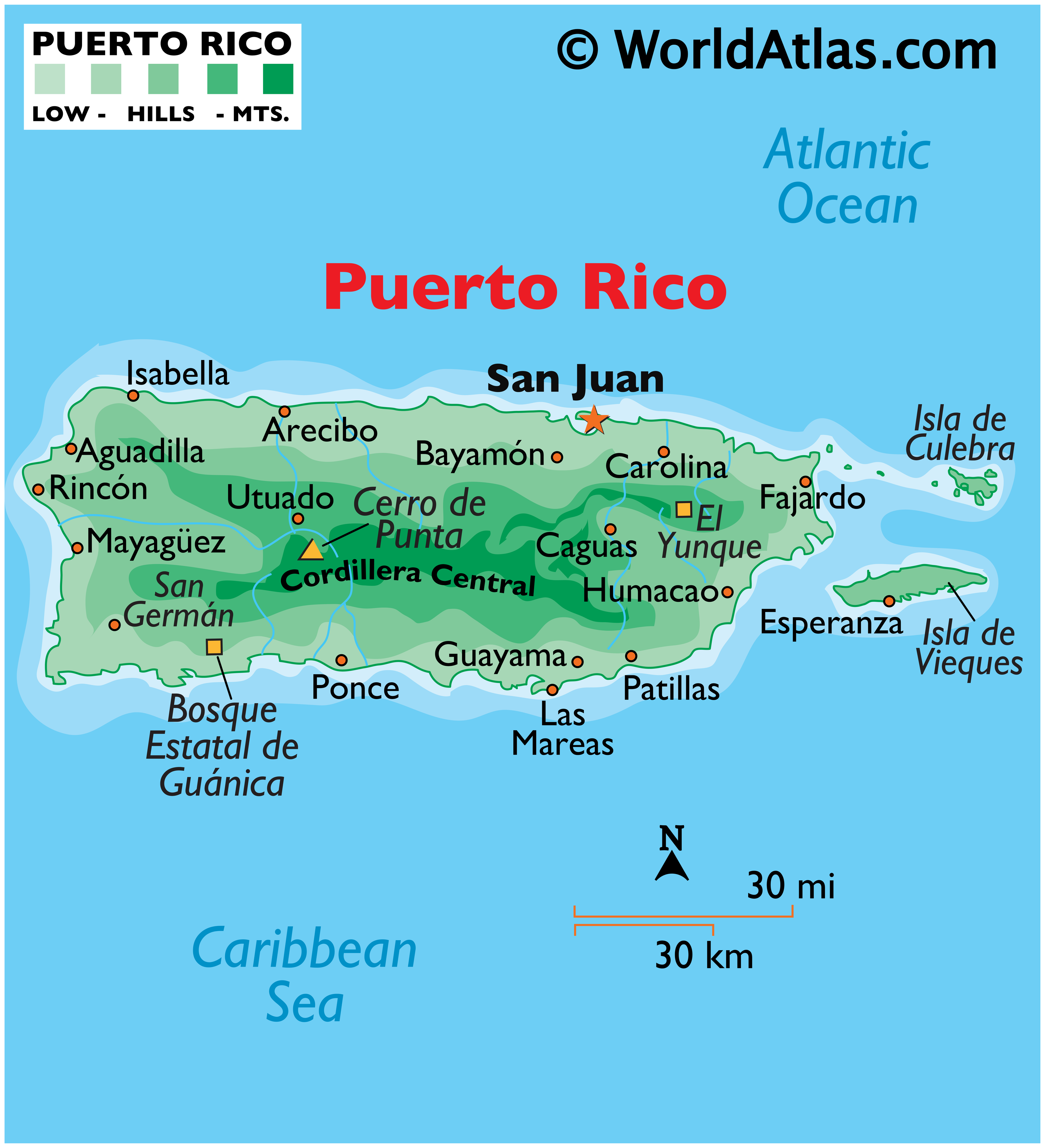
The administrative backbone of Puerto Rico is its system of 78 municipalities, or municipios. Each municipality serves as the primary local government unit, analogous to counties or parishes in other parts of the United States. However, within these municipalities lie designated central towns, often referred to as pueblos, which function as the administrative and commercial heart of the municipality. It is these pueblos that most closely align with the common understanding of a “city” or “town” in a tourist context.
Municipalities vs. Cities: A Crucial Distinction
When travelers inquire about cities in Puerto Rico, they are often looking for distinct urban centers with their own unique character, attractions, and amenities. While the official designation is “municipality,” many of these administrative divisions boast vibrant central areas that function as cities in practice. For instance, San Juan, the capital, is a municipality comprising several distinct districts, including the historic Old San Juan and the modern financial hub of Hato Rey. Similarly, other municipalities have a dominant pueblo that serves as the primary urban focal point.
The distinction is important for understanding governance and services, but for a visitor, the focus is typically on the distinct urban experiences offered by these primary population centers. Therefore, while Puerto Rico has 78 municipalities, the number of places that function as distinct “cities” for tourist purposes is a matter of interpretation, but all 78 offer unique insights into island life.
The Role of the Pueblo
Each municipality is headed by a mayor and a municipal assembly, and its territory typically includes the main urban center (el pueblo) and surrounding rural areas or smaller communities. The pueblo is where the municipal government buildings, central plaza, main church, and commercial activities are concentrated. Tourists often find themselves exploring these pueblos for their historic architecture, local markets, and cultural experiences. Recognizing that the administrative entity is the municipality, but the focal point of urban life is often its pueblo, allows for a richer understanding of Puerto Rico’s geography and culture.
Key Urban Centers and Their Unique Charms
While the exact count of “cities” remains fluid based on definition, there are several prominent urban centers across Puerto Rico that are essential for any traveler to consider. These places offer a diverse range of experiences, from historical exploration to modern-day vibrancy.
San Juan: The Capital and Cultural Nexus
As the capital and largest municipality, San Juan is undeniably the most significant urban area. Its historical core, Old San Juan, is a UNESCO World Heritage site, characterized by its colorful colonial buildings, cobblestone streets, and impressive Spanish fortifications like Castillo San Felipe del Morro and Castillo San Cristóbal. Beyond the historic district, Santurce has emerged as a dynamic hub for art, music, and gastronomy, while Condado and Isla Verde offer luxurious resorts and beautiful beaches. San Juan is not just a single city but a metropolitan area encompassing multiple vibrant districts, each with its own distinct appeal.
Ponce: The “Pearl of the South”
Ponce, the second-largest municipality, is often referred to as the “Pearl of the South.” It boasts a rich history, distinctive architecture, and a thriving cultural scene. Its charming downtown area features the iconic Parque de Bombas, a historic firehouse that now serves as a museum. Ponce also offers significant cultural institutions such as the Museo de Arte de Ponce and a vibrant arts district. The city’s unique architectural style, known as Ponceño Neoclassical, sets it apart from other urban centers on the island.

Mayagüez: The “Sultan of the West”
Located on the western coast, Mayagüez is a significant port city and a center for agriculture and commerce. Its downtown area is characterized by its grand cathedral, Catedral de Nuestra Señora de la Candelaria, and its historic Plaza Colón. Mayagüez is also home to a renowned zoo, the Mayagüez Zoo, and a notable public university, the University of Puerto Rico at Mayagüez, which contributes to its youthful and energetic atmosphere.
Caguas: The “Criollo Heart”
Situated in the central mountain region, Caguas is known as the “Criollo Heart of Puerto Rico” due to its deep roots in the island’s cultural traditions. The city celebrates its heritage through various festivals and attractions, including the Museo de Arte de Caguas and the interactive Paseo de las Delicias. Caguas offers a more authentic glimpse into island life away from the bustling coastal areas, with its rich agricultural history and musical traditions.
Other Notable Urban Centers
Beyond these major hubs, numerous other municipalities and their pueblos offer unique travel experiences:
- Arecibo: Known for its observatory and historical sites.
- Fajardo: A gateway to the Spanish Virgin Islands and home to bioluminescent bays.
- Rincón: Famous for its world-class surfing and laid-back vibe.
- Luquillo: Renowned for its pristine beaches and the famous kioskos.
- Aguadilla: A coastal city with beautiful beaches and historical significance.
Each of these locations, while part of a larger municipality, functions as a distinct urban destination with its own character and attractions for visitors.
Planning Your Puerto Rican Urban Exploration
Understanding the municipal structure of Puerto Rico enhances the travel experience by allowing for a more nuanced appreciation of the island’s diverse offerings. Instead of focusing on a precise number of “cities,” it’s more productive to explore the 78 distinct municipalities, recognizing that each has a central urban area (pueblo) that serves as its heart.
Navigating Between Municipalities
Inter-municipal travel is generally straightforward. The main highways, known as autopistas, connect most of the major urban centers, making it relatively easy to drive between them. For instance, traveling from San Juan to Ponce takes approximately 1.5 to 2 hours via the scenic Autopista Luis A. Ferré. Smaller roads, or carreteras secundarias, provide access to more remote towns and rural areas, offering a more intimate glimpse into island life.
Accommodation and Amenities
Each major urban center offers a wide range of accommodation options, from luxury resorts and boutique hotels to charming guesthouses and vacation rentals. San Juan, as the primary tourist destination, boasts the most extensive selection, particularly in areas like Condado and Isla Verde. Smaller cities like Ponce and Mayagüez also provide comfortable stays, often reflecting the local architectural style and offering a more authentic experience. When choosing a base, consider the types of activities and atmosphere you seek, whether it’s the historical charm of Old San Juan, the vibrant arts scene of Santurce, or the laid-back coastal vibe of Rincón.

Experiencing Local Culture
The true essence of Puerto Rico is found within its diverse municipalities and their vibrant pueblos. By exploring these areas, travelers can immerse themselves in local traditions, savor authentic cuisine at family-run kioskos and restaurants, and witness the unique blend of influences that shape Puerto Rican identity. From the bustling markets of San Juan to the tranquil plazas of smaller towns, each urban center offers a distinct window into the soul of this Caribbean gem. So, while the question of “how many cities” might not have a single numerical answer, the richness of Puerto Rico’s 78 municipalities provides an inexhaustible source of discovery for the curious traveler.
LifeOutOfTheBox is a participant in the Amazon Services LLC Associates Program, an affiliate advertising program designed to provide a means for sites to earn advertising fees by advertising and linking to Amazon.com. Amazon, the Amazon logo, AmazonSupply, and the AmazonSupply logo are trademarks of Amazon.com, Inc. or its affiliates. As an Amazon Associate we earn affiliate commissions from qualifying purchases.