
Laying the Foundation: Business Structure and Naming
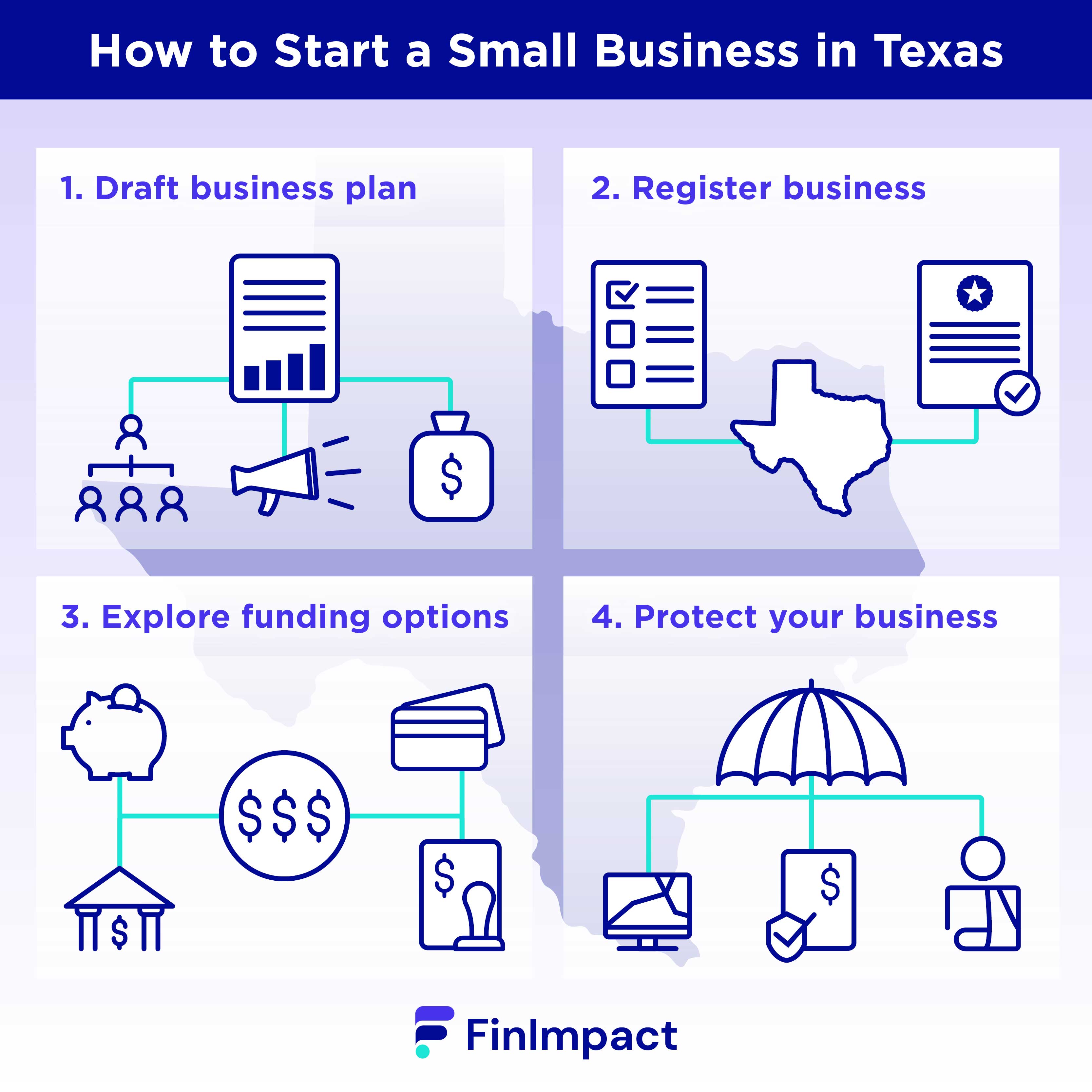
Embarking on the journey of opening a small business in Texas is an exciting endeavor, brimming with potential. The Lone Star State offers a dynamic economic landscape and a business-friendly environment, making it an attractive location for aspiring entrepreneurs. Before diving into the operational aspects, a crucial first step involves solidifying the fundamental legal and structural elements of your enterprise. This initial phase is critical for long-term success and compliance.
Choosing the Right Legal Structure
The legal structure you select for your business will have significant implications for taxation, liability, and administrative requirements. Understanding the nuances of each option is paramount.

- Sole Proprietorship: This is the simplest business structure, where the business is owned and run by one individual, and there is no legal distinction between the owner and the business. This means the owner is personally responsible for all the debts and liabilities of the business. It’s straightforward to set up but offers no personal liability protection.
- Partnership: Similar to a sole proprietorship, a partnership involves two or more individuals who agree to share in the profits or losses of a business. There are different types of partnerships, including general partnerships, limited partnerships, and limited liability partnerships (LLPs), each with varying levels of liability and management control. Like a sole proprietorship, general partnerships do not offer personal liability protection.
- Limited Liability Company (LLC): An LLC offers a hybrid structure, combining the pass-through taxation of a sole proprietorship or partnership with the limited liability of a corporation. This means the owners (members) are generally not personally liable for the debts and obligations of the business. This structure is popular for small businesses due to its flexibility and liability protection.
- Corporation: Corporations are separate legal entities from their owners (shareholders). They offer the strongest liability protection but come with more complex setup and ongoing compliance requirements, including double taxation (corporate profits are taxed, and then dividends paid to shareholders are taxed again). S corporations and C corporations are the most common types for small businesses.
For most small businesses in Texas, an LLC often strikes a good balance between simplicity, flexibility, and liability protection. Consulting with a legal professional is highly recommended to determine the best fit for your specific business model and personal circumstances.
Naming Your Business and Securing It
Your business name is your brand’s first impression. It should be memorable, relevant, and legally available.
- Brainstorming and Availability Check: Develop a list of potential business names. Once you have a shortlist, you need to ensure the name is not already in use. In Texas, you can check the availability of business names with the Texas Secretary of State’s office. This is crucial to avoid trademark infringements and legal disputes.
- Registering Your Business Name:
- If you operate under a name different from your legal name (for sole proprietorships or general partnerships), you will need to file a “Doing Business As” (DBA) certificate, also known as a Assumed Name Certificate, with the county clerk in each county where you conduct business.
- For LLCs and corporations, the business name is registered when you file your formation documents with the Texas Secretary of State.
- Trademark Protection: Consider whether your business name warrants trademark protection at the federal level through the U.S. Patent and Trademark Office. This provides broader protection against others using your name or a confusingly similar name nationwide.
Navigating the Regulatory Landscape: Licenses, Permits, and Taxes
Operating a business in Texas involves adhering to a specific set of federal, state, and local regulations. Understanding and obtaining the necessary licenses and permits is a non-negotiable step to ensure legal compliance and avoid penalties.
Federal Requirements
While many small business operations are primarily governed by state and local laws, there are a few federal considerations:
- Employer Identification Number (EIN): If you plan to hire employees, operate your business as a corporation or partnership, or file certain tax returns, you will need an EIN from the Internal Revenue Service (IRS). This is essentially a Social Security number for your business. You can apply for an EIN online for free.
- Industry-Specific Federal Licenses: Certain industries are regulated at the federal level. Examples include broadcasting (Federal Communications Commission), aviation (Federal Aviation Administration), and selling alcohol or tobacco (Alcohol and Tobacco Tax and Trade Bureau). Research if your specific industry requires any federal permits.
Texas State Requirements
The State of Texas has its own set of licensing and registration requirements.
- Secretary of State Registration: As mentioned earlier, if you form an LLC or corporation, you must file your formation documents with the Texas Secretary of State. This formally establishes your business as a legal entity in the state.
- State Tax Registration: Most businesses operating in Texas will need to register with the Texas Comptroller of Public Accounts. This is particularly important if you will be collecting and remitting sales tax or if you are an employer.
- Sales and Use Tax Permit: If your business sells tangible personal property or taxable services in Texas, you must obtain a Sales and Use Tax Permit.
- Franchise Tax: Businesses operating in Texas may be subject to the Texas Franchise Tax, which is a tax on the privilege of doing business in the state. However, many small businesses with gross receipts below a certain threshold are exempt.
- Professional and Occupational Licenses: Many professions and occupations require specific licenses or certifications to operate legally in Texas. These are typically issued by state agencies or boards. Examples include real estate agents, contractors, doctors, lawyers, and beauticians. The Texas Department of Licensing and Regulation (TDLR) oversees a wide range of such licenses. You should thoroughly research the specific requirements for your industry.
Local Licenses and Permits
Beyond state and federal regulations, your business will likely need to comply with local ordinances.
- City and County Business Licenses: Many cities and counties in Texas require businesses operating within their jurisdiction to obtain a local business license or permit. The requirements vary significantly by municipality. Check with the city hall or county clerk’s office in the location where your business will be based.
- Zoning Laws: Ensure your business location complies with local zoning regulations. Some areas may have restrictions on the types of businesses allowed or specific requirements for commercial operations in residential zones.
- Health Permits: Businesses involved in food service, hospitality, or certain other industries may require health permits from the local health department.
- Building Permits: If you are constructing or significantly renovating a commercial space, you will need to obtain building permits from the local authorities.
Tip: The Texas Economic Development Corporation and the U.S. Small Business Administration (SBA) are excellent resources for identifying federal, state, and local licensing and permitting requirements.
Securing Funding and Setting Up Financial Operations
A well-defined financial strategy is crucial for the survival and growth of any small business. This involves securing adequate startup capital and establishing robust financial management practices.
Startup Capital
The amount of funding you need will depend on your business type, industry, and operational scale. Common sources of startup capital include:
- Personal Savings: Many entrepreneurs begin by investing their own money into the business.
- Loans:
- Small Business Administration (SBA) Loans: The SBA doesn’t lend money directly but guarantees loans made by traditional lenders, making it easier for small businesses to qualify.
- Bank Loans: Traditional bank loans are an option, but often require a strong credit history and a solid business plan.
- Online Lenders: A growing number of online platforms offer business loans with potentially faster approval processes, though interest rates can vary.
- Grants: While less common for general startup costs, grants are sometimes available from government agencies or private foundations for specific types of businesses or initiatives.
- Friends and Family: Loans or investments from your personal network can be a source of early funding. Ensure clear agreements are in place to avoid misunderstandings.
- Angel Investors and Venture Capital: For businesses with high growth potential, seeking investment from angel investors or venture capital firms might be an option, but this typically involves giving up a portion of ownership.
Banking and Accounting
Establishing sound financial practices from the outset is vital.
- Business Bank Account: Open a dedicated business bank account. This is essential for maintaining clear financial records, separating personal and business finances, and for legal and tax purposes. Mixing personal and business funds can lead to complications.
- Accounting Software: Invest in accounting software (e.g., QuickBooks, Xero, or Wave) to manage your income, expenses, invoicing, and payroll. This simplifies financial tracking and reporting.
- Bookkeeping: Maintain accurate and up-to-date financial records. This includes tracking all transactions, categorizing expenses, and reconciling bank statements. You can either manage bookkeeping internally or hire a bookkeeper.
- Hiring an Accountant: Consider engaging a certified public accountant (CPA) or an enrolled agent. They can provide invaluable advice on tax planning, financial strategy, and ensuring compliance with tax regulations. They can also help you prepare and file your business tax returns.
Building Your Team and Operations
Once the foundational elements are in place, focus shifts to building your operational capacity, which often includes assembling a team and establishing efficient workflows.
Hiring Employees
If your business requires staff, understanding your responsibilities as an employer is key.
- Compliance with Labor Laws: Be aware of federal and state labor laws, including minimum wage, overtime, and workplace safety regulations. The Texas Workforce Commission (TWC) oversees many of these aspects within the state.
- Payroll and Taxes: Set up a payroll system to accurately pay your employees and withhold required taxes (federal income tax, Social Security, Medicare, and state unemployment taxes). You will need to remit these taxes to the appropriate government agencies.
- Workers’ Compensation Insurance: In Texas, workers’ compensation is generally optional for private employers. However, if you choose not to provide it, you may be exposed to personal liability if an employee is injured on the job. For certain industries, it may be mandatory.
- Employee Handbooks and Policies: Develop an employee handbook outlining company policies, procedures, and expectations. This helps ensure consistency and clarity in your workplace.
Developing Operational Processes
Efficient operations are the backbone of a successful business.
- Supply Chain and Vendors: Identify reliable suppliers and vendors for your goods or services. Negotiate favorable terms and build strong relationships.
- Inventory Management: If you deal with physical products, implement an effective inventory management system to track stock levels, prevent stockouts, and minimize waste.
- Customer Service Strategy: Define how you will interact with your customers and ensure a positive experience. Excellent customer service can be a significant differentiator.
- Technology Integration: Leverage technology to streamline operations. This could include point-of-sale (POS) systems, customer relationship management (CRM) software, or project management tools.
- Business Insurance: Beyond workers’ compensation, various types of business insurance are essential to protect your assets and mitigate risks. Common policies include general liability insurance, professional liability insurance (errors and omissions), property insurance, and cyber liability insurance. Consult with an insurance broker to determine the appropriate coverage for your business.
Opening a small business in Texas is a multifaceted process that demands careful planning, diligent execution, and a willingness to navigate various regulatory and financial hurdles. By thoroughly understanding and addressing each of these key areas, entrepreneurs can significantly increase their chances of building a thriving and sustainable enterprise in the Lone Star State.
LifeOutOfTheBox is a participant in the Amazon Services LLC Associates Program, an affiliate advertising program designed to provide a means for sites to earn advertising fees by advertising and linking to Amazon.com. Amazon, the Amazon logo, AmazonSupply, and the AmazonSupply logo are trademarks of Amazon.com, Inc. or its affiliates. As an Amazon Associate we earn affiliate commissions from qualifying purchases.