
The question of “How Many Cities Are In The State Of Florida?” might seem straightforward, but the answer is more nuanced than a simple number. This is largely due to how Florida defines and categorizes its governmental entities. Unlike some other states where the definition of a “city” is universally applied, Florida has a more intricate system that includes incorporated municipalities, census-designated places, and unincorporated communities, each with varying levels of self-governance and recognition. Understanding these distinctions is key to truly appreciating the diverse urban landscape of the Sunshine State, from the bustling metropolises of Miami and Orlando to the quaint, historic towns dotting its coastline.
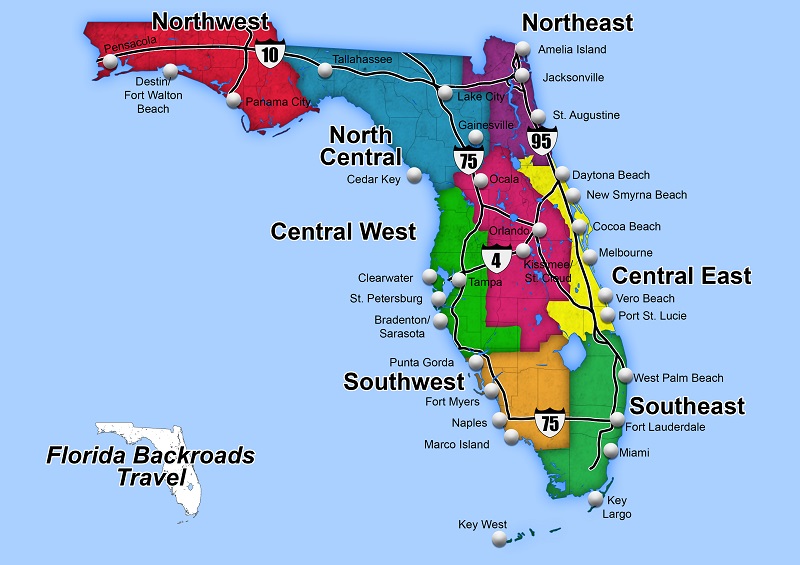
The Florida Department of Economic Opportunity, now part of the Florida Department of Commerce, and the U.S. Census Bureau are primary sources for data regarding Florida‘s populated areas. These entities maintain lists of incorporated municipalities, which are formally chartered governmental units with their own elected officials and the authority to levy taxes and provide services. Beyond these official cities, there are numerous other populated places that, while not incorporated as cities, serve as distinct communities and are often referred to as towns, villages, or even by their specific neighborhood names.
When most people ask “How many cities are in Florida?”, they are generally referring to these incorporated municipalities. As of recent data, Florida boasts well over 400 incorporated cities, towns, and villages. This number fluctuates slightly as new municipalities are sometimes incorporated or existing ones merge or disincorporate. However, this figure represents the most direct answer to the query regarding formally recognized governmental entities.
Unpacking the Term “City” in Florida
The definition of a “city” in Florida is not a one-size-fits-all concept. The Florida Legislature grants municipalities their powers and defines their structure through the Florida Statutes. For a community to be officially recognized as a “city” (or “town” or “village”), it must undergo a formal incorporation process. This process typically involves petitioning the state, holding referendums, and establishing a charter that outlines the municipality’s governmental framework, powers, and responsibilities.
Incorporated Municipalities: The Official Count
The most commonly cited number of cities in Florida refers to these incorporated municipalities. These entities are the bedrock of Florida‘s urban and suburban development, providing essential services like police, fire protection, water, and sewer systems. Their governments have the authority to enact local ordinances, collect property taxes, and manage public infrastructure.
As of the latest available figures, there are over 400 incorporated municipalities in Florida. This includes cities, towns, and villages, as the designation often depends on population size and historical context rather than a strict, universally applied rule. For instance, a place with a larger population might be a “city,” while a smaller incorporated community might be a “town” or “village.” Some of the most prominent and well-known cities, such as Jacksonville, Tampa, St. Petersburg, Hialeah, Fort Lauderdale, and Tallahassee, fall into this category. Each of these cities offers a unique experience, from the vibrant arts scene in Miami to the theme park thrills of Orlando, and the historical charm of St. Augustine.
Beyond the Incorporated: Census-Designated Places and Unincorporated Communities
The official count of incorporated cities only tells part of the story. Florida also contains thousands of Census-Designated Places (CDPs) and numerous unincorporated communities.
Census-Designated Places (CDPs): These are statistical entities defined by the U.S. Census Bureau for the purpose of gathering and presenting population data. CDPs are recognizable communities that do not have a legally defined municipal government, but they are recognized as distinct population clusters. Many popular tourist destinations and residential areas in Florida are CDPs. For example, while not an incorporated city itself, a well-known resort area might be designated as a CDP. These places often have their own local identity and may be served by county governments for their municipal services. The sheer number of CDPs far exceeds the number of incorporated cities, representing a vast number of populated locales that contribute to the state’s demographic mosaic.
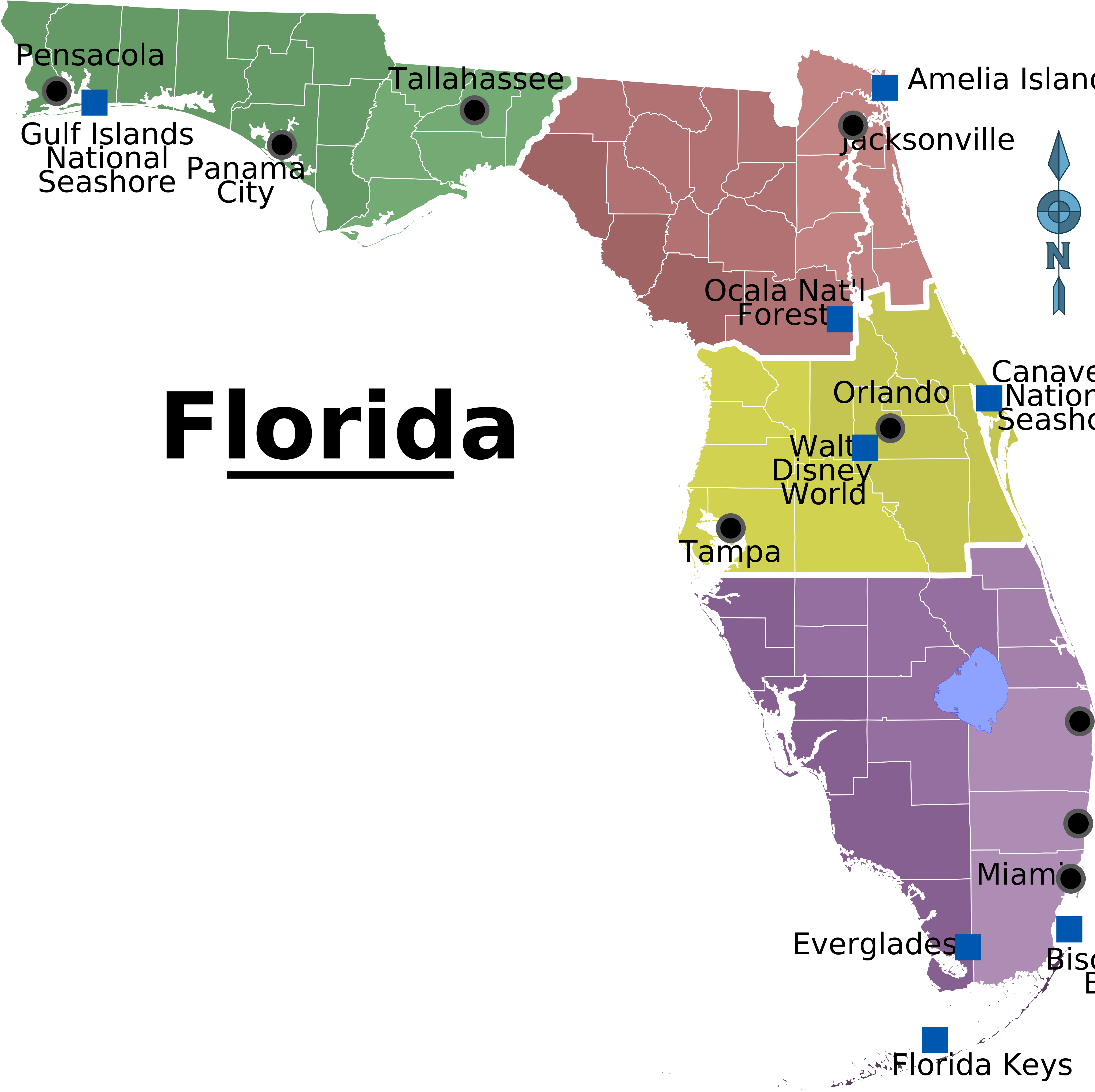
Unincorporated Communities: These are areas that have not been incorporated into a municipality and are governed directly by the county in which they are located. Many residents live in unincorporated communities, and these areas can be quite substantial in size and population. Think of large residential developments or agricultural areas that have developed a strong community identity but have not sought or achieved municipal incorporation. While they don’t have city halls or mayors, these communities are integral parts of Florida‘s fabric, often possessing unique local characteristics and contributing to the state’s diverse lifestyle, from the laid-back vibe of the Florida Keys to the sprawling suburbs surrounding major metropolitan areas.
Exploring Florida’s Diverse Urban Tapestry
The true richness of Florida‘s populated areas lies not just in the number of its cities but in the diversity of experiences they offer. Each incorporated city, town, and village, along with its CDPs and unincorporated counterparts, contributes to the unique character of the Sunshine State.
Major Metropolitan Hubs and Their Attractions
Florida is home to several major metropolitan areas that are global destinations for tourism, business, and lifestyle.
- Miami-Fort Lauderdale-West Palm Beach Metropolitan Area: This southeastern corridor is a vibrant mix of international flair, stunning beaches, and a dynamic cultural scene. Miami itself is a world-renowned city, famous for South Beach‘s Art Deco architecture, the cultural richness of Little Havana, and its upscale shopping. Nearby, Fort Lauderdale offers beautiful beaches and a thriving cruise port, while West Palm Beach provides a more refined, upscale experience. This region is a magnet for luxury travel, boasting world-class resorts like the Fontainebleau Miami Beach and a plethora of fine dining establishments.
- Orlando Metropolitan Area: Known as the “Theme Park Capital of the World,” Orlando draws millions of visitors annually to its iconic attractions. Walt Disney World Resort, Universal Orlando Resort, and SeaWorld Orlando are just a few of the major entertainment complexes. Beyond the parks, Orlando has a growing culinary scene and a burgeoning downtown area. Its appeal spans all types of travel, from family vacations to business stays and romantic getaways.
- Tampa Bay Area: Located on the west coast of Florida, the Tampa Bay area includes cities like Tampa, St. Petersburg, and Clearwater. Tampa is known for its historic Ybor City, vibrant riverwalk, and family-friendly attractions like the Busch Gardens Tampa Bay. St. Petersburg offers a thriving arts scene, beautiful waterfront parks, and access to pristine beaches like St. Pete Beach. Clearwater is consistently ranked among the best beach destinations in the country. The area offers a mix of urban excitement and relaxed coastal living.
- Jacksonville Metropolitan Area: Situated in Northeast Florida, Jacksonville is the largest city by land area in the contiguous United States. It boasts a vast urban park system, a beautiful riverfront, and miles of coastline. It’s a hub for business and a growing destination for its blend of urban amenities and natural beauty, offering access to beaches like Atlantic Beach and Ponte Vedra Beach.
Charming Towns and Coastal Gems
Beyond the major cities, Florida is dotted with numerous smaller incorporated towns and picturesque communities, each with its own unique charm and appeal.
- St. Augustine: As the oldest continuously inhabited European-established settlement in the United States, St. Augustine is a treasure trove of history and architecture. Visitors can explore the imposing Castillo de San Marcos, wander through the charming historic district, and soak in the colonial atmosphere.
- Key West: At the southernmost point of Florida, Key West is famous for its laid-back atmosphere, vibrant arts scene, and unique Conch architecture. Duval Street buzzes with activity, Mallory Square offers spectacular sunsets, and the island’s history is rich with tales of pirates and presidents. It’s a quintessential island getaway, offering a distinct Florida lifestyle.
- Sarasota: Located on the Gulf Coast, Sarasota is renowned for its stunning beaches, including Siesta Key Beach, and its vibrant cultural scene, featuring the Ringling Museum of Art. It’s a popular destination for those seeking a blend of natural beauty and sophisticated urban amenities.
- Naples: Situated in Southwest Florida, Naples is known for its upscale shopping, fine dining, and beautiful, calm beaches. It offers a luxurious and serene coastal experience, attracting visitors seeking relaxation and refined living.
The Role of Tourism and Accommodation in Florida’s Cities
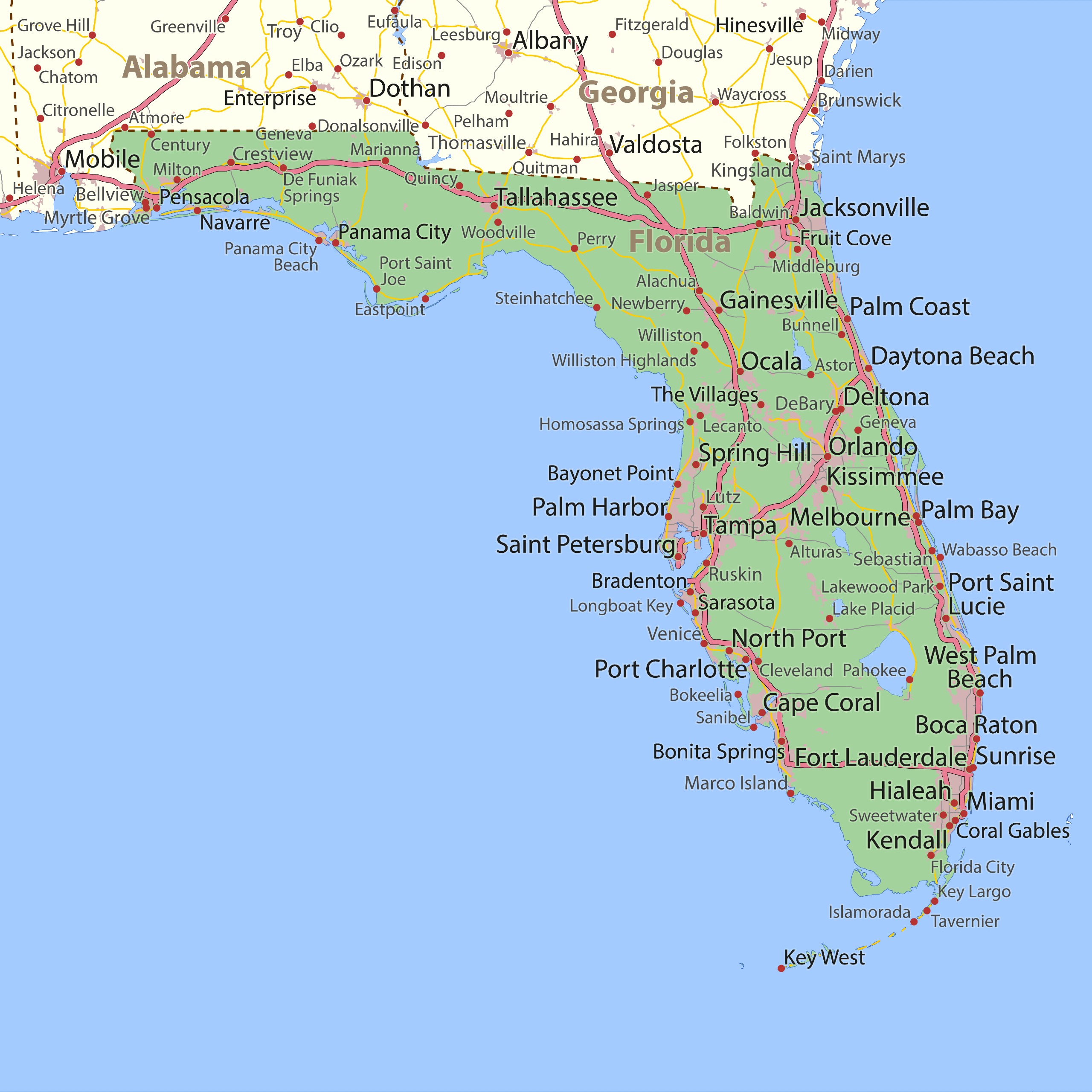
The vast number of cities and populated areas in Florida is intrinsically linked to its status as a premier tourist destination. The state’s tourism industry thrives on the diverse offerings of its urban centers, coastal towns, and natural landscapes. From the world-class theme parks in Orlando to the pristine beaches of the Gulf Coast and the vibrant nightlife of Miami, Florida caters to a wide range of traveler preferences.
This tourism influx directly impacts the accommodation sector. Florida offers an unparalleled variety of lodging options, from grand luxury resorts and boutique hotels to budget-friendly motels, vacation apartments, and private villas. Cities like Orlando and Miami are saturated with hotels catering to every conceivable need and budget, while smaller coastal towns often feature charming bed and breakfasts and rental properties. The competition among accommodations is fierce, leading to high standards of service and amenities across the board. Whether you’re looking for a family-friendly resort with water slides, a romantic suite with ocean views, or a practical apartment for a longer stay, Florida‘s cities and towns provide an extensive array of choices.
In conclusion, while the precise number of “cities” in Florida can be a matter of definition, the state hosts a multitude of incorporated municipalities, alongside countless other populated areas that contribute to its vibrant social, economic, and cultural landscape. This intricate network of communities, from sprawling metropolises to charming seaside villages, is what makes Florida such a dynamic and appealing destination for travelers, residents, and businesses alike, solidifying its position as a leader in tourism and lifestyle.
LifeOutOfTheBox is a participant in the Amazon Services LLC Associates Program, an affiliate advertising program designed to provide a means for sites to earn advertising fees by advertising and linking to Amazon.com. Amazon, the Amazon logo, AmazonSupply, and the AmazonSupply logo are trademarks of Amazon.com, Inc. or its affiliates. As an Amazon Associate we earn affiliate commissions from qualifying purchases.