
Texas, a state that conjures images of vast ranches, iconic cowboys, and a spirit as big as its landmass, often sparks curiosity about its unique place in the United States. Beyond its popular stereotypes, Texas boasts a rich tapestry of history, diverse landscapes, vibrant cities, and an undeniable cultural identity. So, what state is Texas number? While it’s the second-largest state in the U.S. by both area and population, its significance extends far beyond mere statistics. It’s a state that has shaped American history, continues to influence national trends, and offers an unparalleled travel experience for those seeking adventure, culture, and genuine Texan hospitality.
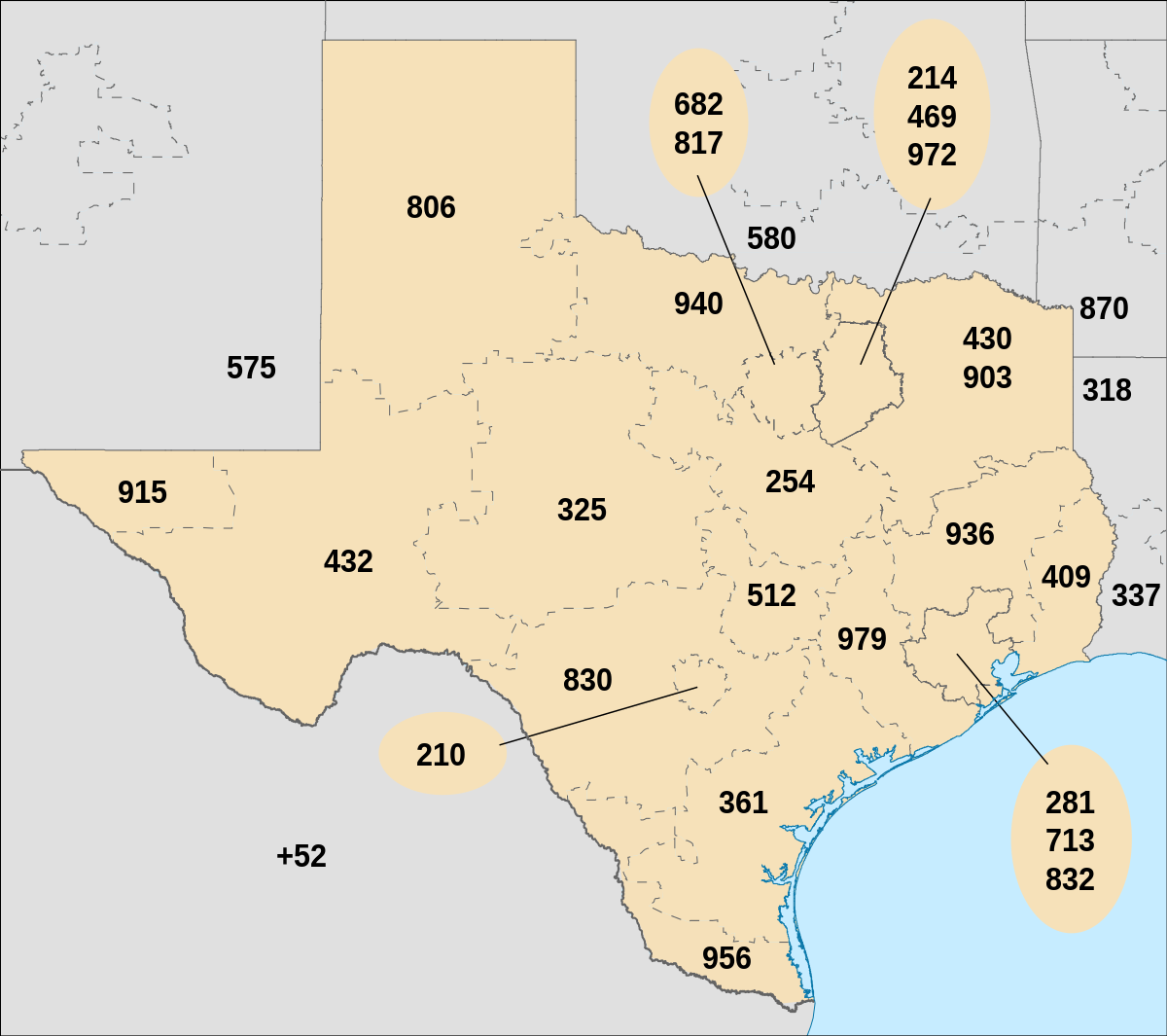
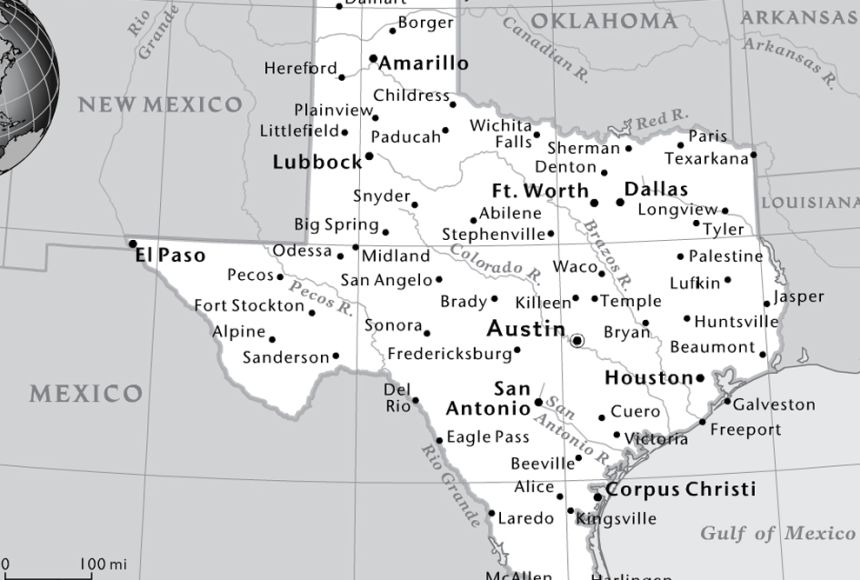
This exploration delves into the essence of Texas, uncovering what makes it so distinctive. We’ll traverse its sprawling landscapes, from the piney woods of East Texas to the rugged beauty of the Big Bend National Park, and from the vibrant metropolises of Dallas and Houston to the historic charm of San Antonio. Along the way, we’ll highlight key attractions, offer travel tips, and explore the diverse accommodation options available, painting a comprehensive picture of the Lone Star State.
The Expansive Landscape and Iconic Landmarks of Texas
Texas is a state defined by its sheer size and the incredible diversity of its natural beauty. Covering over 268,000 square miles, it stretches from the Gulf Coast to the Great Plains, offering a breathtaking array of geological formations and ecosystems. This vastness translates into a wealth of natural wonders and historic landmarks that draw millions of visitors each year.
Natural Wonders: From Deserts to Forests
The western reaches of Texas are home to the dramatic and awe-inspiring Big Bend National Park. This remote wilderness area, bordering Mexico, is a haven for hikers, backpackers, and nature enthusiasts. The park encompasses the Chisos Mountains, the Rio Grande, and vast desert expanses, offering opportunities to witness diverse wildlife, ancient geological formations, and stunning stargazing due to its exceptionally dark skies. The sheer scale of Big Bend allows for an immersive experience in untouched nature, a stark contrast to the bustling metropolises found elsewhere in the state.
Moving eastward, the Texas Hill Country presents a gentler, yet equally captivating, landscape. Rolling hills, clear rivers like the Guadalupe River and Comal River, and fields of wildflowers characterize this region. Charming small towns such as Fredericksburg, founded by German immigrants, offer a taste of European heritage alongside Texan hospitality. This area is also renowned for its wineries, caves like Natural Bridge Caverns, and the annual blooming of the Texas Bluebonnet, a state symbol.
Further east, the Piney Woods region unfolds with dense forests, numerous lakes, and a humid, subtropical climate. This area offers a different kind of natural beauty, with opportunities for fishing, boating, and exploring state parks like Caddo Lake State Park, famous for its ancient cypress trees draped in Spanish moss.
Historic Landmarks and Architectural Gems
Texas history is deeply etched into its landscape, with numerous landmarks serving as testaments to its past. The most poignant is the Alamo in San Antonio, a former Spanish mission that became the site of a pivotal battle during the Texas Revolution. It stands as a powerful symbol of Texan courage and independence. Nearby, the San Antonio Missions National Historical Park, a UNESCO World Heritage Site, preserves four other Spanish colonial missions, showcasing remarkable architecture and offering a glimpse into early frontier life.
Beyond San Antonio, the state is dotted with historical sites that tell the story of its diverse heritage. The State Capitol building in Austin, a magnificent example of Renaissance Revival architecture, is not only the seat of government but also a tourist attraction in its own right, offering tours and a glimpse into Texas’s political heart. Historic districts in cities like Galveston, with its preserved Victorian architecture, tell tales of the state’s prosperous port city era. The legacy of the oil boom is evident in structures and stories found across the state, particularly in cities like Houston.
The Vibrant Cultural Tapestry of Texas Cities
Texas cities are dynamic hubs of culture, innovation, and entertainment, each possessing a unique character shaped by its history, demographics, and economic drivers. From the sprawling metropolises to the charming historic towns, these urban centers offer an incredible array of experiences for travelers.
Dallas: A Hub of Commerce and Culture
Dallas is a city that epitomizes modern Texas. Known for its booming economy, particularly in finance, technology, and transportation, it’s a city of skyscrapers, bustling business districts, and a vibrant arts scene. Visitors can explore world-class museums like the Dallas Museum of Art and the Perot Museum of Nature and Science. The Sixth Floor Museum at Dealey Plaza offers a poignant look at the assassination of President John F. Kennedy, a defining moment in American history. For those interested in shopping and dining, Dallas boasts upscale boutiques in areas like Highland Park and a diverse culinary landscape that ranges from authentic Tex-Mex to innovative fine dining. The Dallas Arts District is the largest contiguous urban arts district in the United States, home to the Dallas Symphony Orchestra, Texas Ballet Theater, and the Dallas Theater Center.

Houston: The Energy Capital and Beyond
As the most populous city in Texas, Houston is a sprawling metropolis with a strong international flavor. It’s often referred to as the “Energy Capital of the World” due to its significant role in the oil and gas industry, but its cultural offerings are equally impressive. The Space Center Houston, the official visitor center of NASA, is a must-see attraction, offering an in-depth look at the history of human spaceflight. The Museum District in Houston is home to a plethora of cultural institutions, including the Museum of Fine Arts, Houston, the Houston Museum of Natural Science, and the Children’s Museum Houston. Houston is also celebrated for its diverse culinary scene, with an abundance of authentic international restaurants, reflecting its multicultural population. The Theater District is another major draw, featuring professional companies for opera, ballet, symphony, and plays.
Austin: The Live Music Capital of the World
Austin stands out with its unique, bohemian vibe and its reputation as the “Live Music Capital of the World.” This energetic city is a hub for innovation, technology, and a thriving arts and music scene. Visitors flock to Austin for its eclectic mix of live music venues, from iconic honky-tonks on Sixth Street to intimate clubs scattered throughout the city. The Texas State Capitol is an architectural marvel, and the University of Texas at Austin adds a youthful and intellectual energy to the city. Outdoor enthusiasts can enjoy Barton Creek Greenbelt, Zilker Park, and swimming in Barton Springs Pool. Austin is also a foodie paradise, known for its food trucks and innovative culinary establishments, particularly its barbecue scene. The city’s motto, “Keep Austin Weird,” encapsulates its commitment to individuality and creativity.
San Antonio: A Blend of History and Culture
San Antonio offers a unique blend of Texan and Mexican heritage, evident in its architecture, cuisine, and festivals. The city’s most iconic landmark is the Alamo, but the River Walk is arguably its most beloved feature. This network of pedestrian walkways along the San Antonio River is lined with shops, restaurants, and vibrant nightlife, creating a festive atmosphere. Beyond the Alamo and the River Walk, exploring the San Antonio Missions National Historical Park provides a deep dive into the city’s colonial past. The Market Square offers a lively atmosphere for shopping for Tex-Mex crafts and enjoying traditional food. San Antonio hosts numerous festivals throughout the year, celebrating its rich cultural heritage, including Fiesta San Antonio, a city-wide celebration held annually in the spring.
Accommodations and Lifestyle: Experiencing Texas Your Way
Whether you’re seeking a luxurious escape, a budget-friendly adventure, or a family-friendly vacation, Texas offers a diverse range of accommodations and experiences to suit every traveler’s needs and preferences. From charming boutique hotels to sprawling resorts, the Lone Star State ensures a comfortable and memorable stay.
Hotels and Resorts: Luxury and Comfort Abound
The hospitality sector in Texas is as varied as the state itself. In major cities like Dallas, Houston, and Austin, you’ll find an abundance of luxury hotels, including renowned brands like the Ritz-Carlton, Four Seasons Hotel, and The St. Regis. These establishments offer world-class amenities, fine dining, and impeccable service, catering to business travelers and discerning tourists alike. For those seeking a more resort-like experience, destinations like San Antonio and the Texas Hill Country boast properties that combine comfortable lodging with recreational activities. For instance, a stay at a resort near San Antonio might include access to water parks, golf courses, and spa services, providing a comprehensive vacation experience.
In smaller towns and more rural areas, boutique hotels and charming bed and breakfasts often provide a more intimate and personalized experience. Fredericksburg, for example, is known for its quaint inns that reflect the German heritage of the region. Vacation rentals, including apartments and villas, are also readily available through platforms like Airbnb and Vrbo, offering flexibility and a home-away-from-home feel, especially for longer stays or family trips.
Tailoring Your Texas Adventure: Travel Styles
The Lifestyle section of Texas travel is all about customization. For the luxury traveler, a trip might involve exploring designer boutiques in Dallas, indulging in gourmet dining in Houston, or enjoying a wine tour through the Texas Hill Country, staying in upscale hotels with panoramic views.
Budget travelers will find that Texas can be surprisingly affordable. Camping in Big Bend National Park, staying in well-appointed but moderately priced hotels in smaller cities, and enjoying the abundance of free attractions like parks and historic town squares can make for an incredible experience without breaking the bank. Food trucks and local diners offer delicious and economical dining options.
Family trips to Texas are incredibly popular, with attractions catering to all ages. Theme parks like Six Flags Fiesta Texas and Schlitterbahn Waterpark offer thrilling fun. Educational experiences abound at the Perot Museum in Dallas and the Space Center Houston. Many hotels offer family suites and kid-friendly amenities.
Business travelers can find efficient and comfortable stays in the major cities, with hotels often equipped with business centers, meeting rooms, and easy access to convention centers. The blend of work and leisure is often possible, with opportunities to explore local attractions and dining after business hours.
Ultimately, Texas number is a designation that encompasses its immense size, rich history, diverse culture, and the boundless opportunities it presents. It is a state that invites exploration, rewards curiosity, and leaves an indelible mark on all who visit.
LifeOutOfTheBox is a participant in the Amazon Services LLC Associates Program, an affiliate advertising program designed to provide a means for sites to earn advertising fees by advertising and linking to Amazon.com. Amazon, the Amazon logo, AmazonSupply, and the AmazonSupply logo are trademarks of Amazon.com, Inc. or its affiliates. As an Amazon Associate we earn affiliate commissions from qualifying purchases.