
When considering the vastness and diversity of New York State, the question of “How Many Cities In New York?” can be deceptively simple. While a precise numerical answer is readily available, understanding the distinction between “cities” and other forms of municipal and local government is crucial for a comprehensive appreciation of the state’s rich urban tapestry. New York State boasts a significant number of incorporated cities, each with its own unique history, character, and contribution to the broader identity of the Empire State. This exploration delves into the official count and the nuances that define urban centers within New York, offering a deeper perspective for travelers and locals alike.
The Official Count: Incorporated Cities
The primary understanding of a “city” in New York State refers to those municipalities that have been officially incorporated under state law as cities. These entities are distinguished by their governmental structure and powers, often differing from towns and villages. As of the most recent official designations, New York State is home to 62 incorporated cities. This number represents a core group of urban centers that form the backbone of the state’s population distribution and economic activity.
Defining a City in New York
To understand this count, it’s important to briefly touch upon what constitutes a city within the legal framework of New York. Cities in New York are typically chartered by the state legislature, granting them specific powers and responsibilities. Their governance usually involves a mayor and a city council, and they often provide a wider range of services compared to towns or villages. This official designation is a key factor in the numerical answer to our question.
A Glimpse at Notable Cities
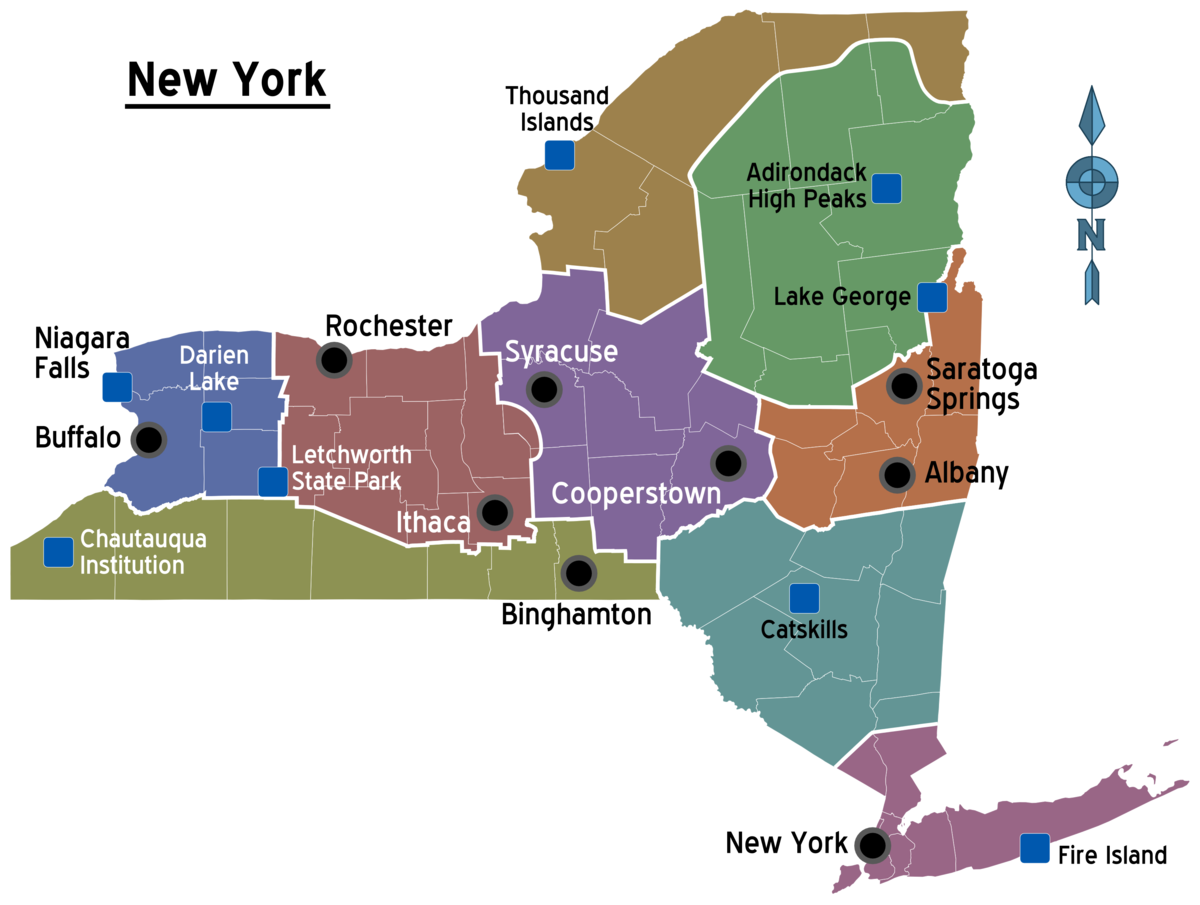
Within this total of 62 cities, a few stand out for their global recognition and significant populations. The undisputed titan is, of course, New York City, a metropolis that is not just the largest in the state but also one of the most influential cities in the world. Beyond this colossal presence, other prominent cities include Buffalo, a historic industrial hub on the shores of Lake Erie; Rochester, known for its innovative spirit and cultural institutions; and the state capital, Albany, rich in history and political significance. These, along with 58 others, form the official constellation of cities.
Beyond the Official Count: Towns and Villages
While the number 62 accurately reflects the incorporated cities, a complete picture of New York’s urban and semi-urban landscapes requires acknowledging its numerous towns and villages. These municipalities, while not officially designated as “cities,” often possess urban characteristics and serve as vital centers of community life, commerce, and culture. Understanding these distinctions provides a more nuanced appreciation of New York’s settlement patterns.
The Role of Towns

New York State is divided into 932 towns. These are the most common form of municipality and often encompass both rural and suburban areas. Many towns have hamlets or villages within their borders that function as distinct communities with their own local identities. Some of these hamlets are quite substantial, offering amenities and a concentration of businesses that might lead an outsider to perceive them as cities.
The Character of Villages
Villages in New York are special districts within towns, with their own elected officials and specific powers. There are hundreds of villages across the state, each contributing to the unique fabric of their region. Some of these villages are bustling with activity, featuring vibrant downtown areas, significant retail sectors, and a strong sense of community, blurring the lines between what one might consider a small city and a large village.
Exploring the Urban Mosaic: Cities as Destinations
For the traveler, understanding the distinction between cities, towns, and villages is less about legal classifications and more about the experiences they offer. Each type of municipality presents a unique facet of New York’s identity, from the global dynamism of New York City to the charming, historic appeal of smaller urban centers.
The Grandeur of Major Cities
The 62 incorporated cities of New York are the primary hubs for major attractions, diverse culinary scenes, and extensive entertainment options. From the world-class museums and theaters of New York City to the revitalized waterfronts of Buffalo or the artistic communities of Saratoga Springs, these cities offer a wealth of experiences. They are the destinations for those seeking iconic landmarks like the Statue of Liberty, the architectural marvels of Syracuse, or the natural beauty surrounding cities like Niagara Falls.
The Charm of Smaller Cities and Larger Towns
Beyond the major metropolises, many of New York’s smaller cities and even some larger towns offer a more intimate and often more authentic glimpse into local life. Cities like Ithaca, nestled in the scenic Finger Lakes region and home to prestigious educational institutions like Cornell University and Ithaca College, provide a unique blend of intellectual vibrancy and natural beauty. Towns like Woodstock, renowned for its artistic heritage, or Cooperstown, the home of the National Baseball Hall of Fame and Museum, offer specific cultural draws that make them highly attractive destinations. Exploring these areas allows visitors to discover local culture, unique dining experiences, and lesser-known attractions that contribute to the overall allure of New York.

A Rich Tapestry of Places to Explore
In conclusion, while the direct answer to “How Many Cities In New York?” is 62, this number only scratches the surface of the state’s diverse settlement landscape. Each incorporated city, along with the numerous towns and villages, contributes to the rich tapestry of places to visit, experience, and inhabit within New York. Whether you’re drawn to the global energy of a major city or the quiet charm of a smaller community, New York offers an unparalleled variety of destinations, each with its own story to tell and its own unique appeal for the curious traveler.
LifeOutOfTheBox is a participant in the Amazon Services LLC Associates Program, an affiliate advertising program designed to provide a means for sites to earn advertising fees by advertising and linking to Amazon.com. Amazon, the Amazon logo, AmazonSupply, and the AmazonSupply logo are trademarks of Amazon.com, Inc. or its affiliates. As an Amazon Associate we earn affiliate commissions from qualifying purchases.