
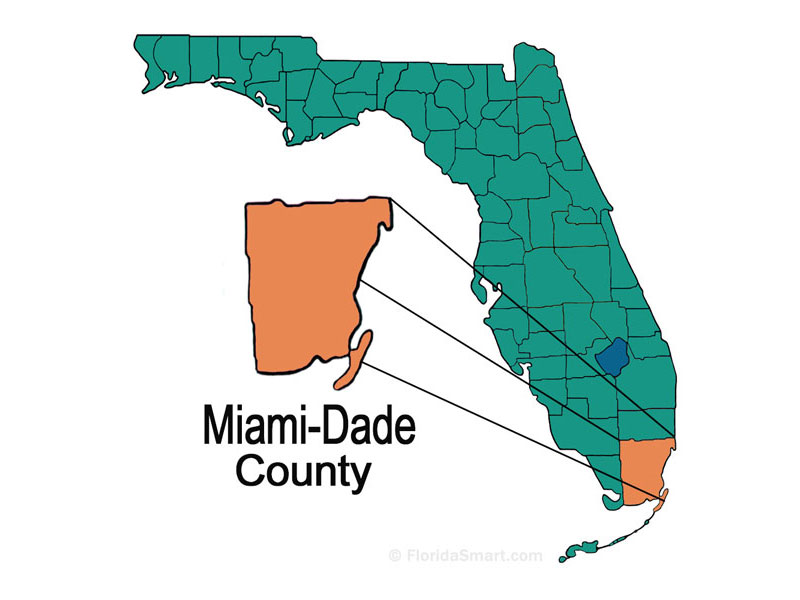
Miami-Dade County, Florida, stands as a vibrant and dynamic gem nestled at the southeastern tip of the United States. More than just a dot on the map, it represents a sprawling urban landscape interwoven with stunning natural beauty, a rich tapestry of cultures, and an undeniable allure that draws millions of travelers annually. For those seeking to pinpoint this iconic destination, Miami-Dade County is precisely where the sunshine meets the sea, offering an unparalleled blend of metropolitan sophistication and tropical escapism. Its strategic location makes it a critical gateway to Latin America and the Caribbean, influencing its distinct cosmopolitan flair and making it a truly unique travel experience.
Unveiling the Geographical Heart of South Florida
Understanding the precise location of Miami-Dade County is the first step in appreciating its profound significance as a global travel hub. Situated on the southeastern coast of the Florida peninsula, it is cradled by the warm waters of the Atlantic Ocean to its east, providing miles of pristine coastline and a temperate tropical monsoon climate. This enviable position is not merely aesthetic; it shapes the very essence of life and travel within the county, dictating everything from its architecture and cuisine to its abundant recreational activities.
Pinpointing Miami-Dade on the Map
Miami-Dade County is the southernmost county on the Florida mainland, making it a critical part of what is commonly referred to as South Florida. Its geographic coordinates place it squarely within the Tropic of Cancer, bestowing upon it a climate characterized by warm winters and hot, humid summers, ideal for year-round travel focused on sun and outdoor activities. The county seat, and its most famous city, is Miami, a globally recognized metropolis that serves as a financial, cultural, and artistic nucleus. The county stretches inland towards the vast wilderness of the Everglades and extends eastward into the Atlantic Ocean with barrier islands like Miami Beach.
Key Borders and Waterways
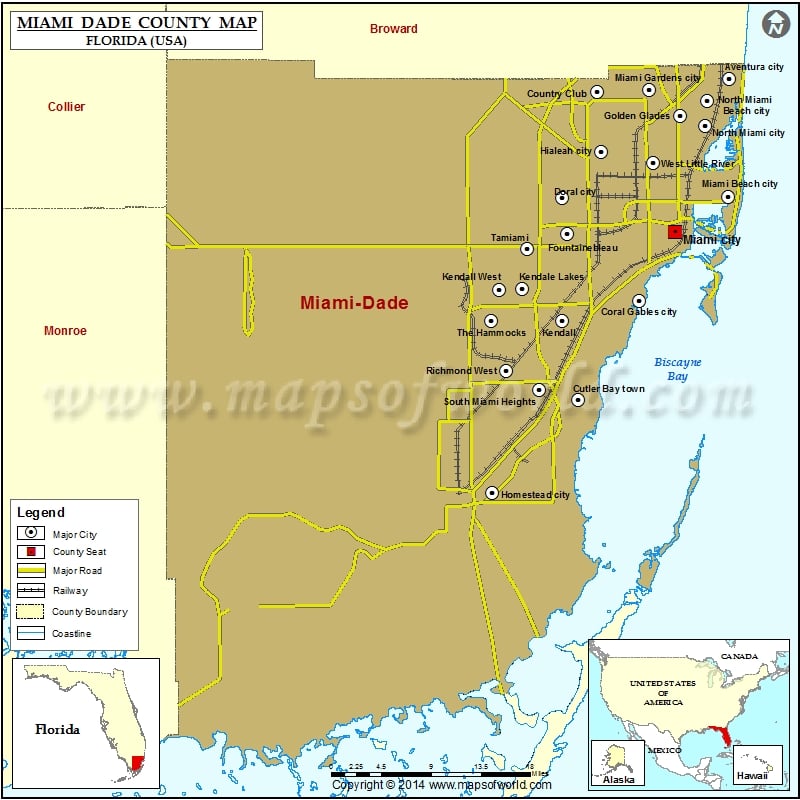
To its north, Miami-Dade County shares a border with Broward County, home to Fort Lauderdale. To the west, the county’s vast land area borders Collier County, primarily encompassing the untamed beauty of the Everglades National Park. South of Miami-Dade lies Monroe County, which includes the iconic Florida Keys, accessible via the scenic Overseas Highway. The county is also defined by its numerous waterways, including the expansive Biscayne Bay which separates mainland Miami from Miami Beach and other barrier islands. This intricate network of bay, ocean, and inland canals not only provides breathtaking scenery but also facilitates a myriad of water-based recreational opportunities crucial to the travel experience.
Accessibility and Entry Points
For travelers, Miami-Dade County is remarkably accessible. The primary international gateway is Miami International Airport (MIA), one of the busiest airports in the United States, offering direct flights from major cities worldwide. Another convenient option nearby is Fort Lauderdale-Hollywood International Airport (FLL), just a short drive north. For those arriving by sea, PortMiami stands as the “Cruise Capital of the World,” serving as a departure point for countless voyages to the Caribbean and beyond, making it an integral part of many travelers’ itineraries. Major interstate highways like I-95 and Florida’s Turnpike seamlessly connect the county to other parts of Florida and the broader eastern United States, facilitating road trips and regional exploration.
A Kaleidoscope of Cities and Neighborhoods
Beyond its precise coordinates, the allure of Miami-Dade County for travelers lies in its incredible diversity, manifested through a collection of distinct cities and neighborhoods, each boasting its own unique character and attractions. This mosaic of communities ensures that every traveler, regardless of their interests, can find their perfect slice of paradise.
The Iconic Allure of Miami and Miami Beach
At the heart of the county lies the bustling city of Miami, a true global city renowned for its vibrant arts scene, high-end shopping, dynamic nightlife, and significant role in international finance and commerce. Travelers to Miami can immerse themselves in the contemporary art galleries of the Design District and Wynwood, explore the historic grandeur of Vizcaya Museum & Gardens, or catch a live performance at the Kaseya Center.
Separated from the mainland by Biscayne Bay, Miami Beach is perhaps the county’s most famous destination, synonymous with luxurious resorts, iconic beaches, and the Art Deco architecture of South Beach. Here, travelers can stroll along Ocean Drive, relax on world-class sands, and experience a nightlife that pulses until dawn. The seamless blend of urban sophistication and laid-back beach culture makes Miami Beach an indispensable part of any Miami-Dade travel itinerary.
Exploring Diverse Municipalities
Miami-Dade County’s tapestry extends far beyond its two most famous cities. To the southwest, the city of Coral Gables enchants visitors with its Mediterranean Revival architecture, lush green spaces, and upscale boutiques. Its tree-lined boulevards and historic landmarks like the Biltmore Hotel offer a stark, elegant contrast to the modern hustle of downtown Miami.
Further south, Homestead serves as a gateway to the agricultural heartland and the vast wilderness areas of Everglades National Park and Biscayne National Park. This area provides a different kind of travel experience, focused on nature, outdoor adventures, and a glimpse into South Florida’s farming heritage. Doral, situated in the western part of the county, is a rapidly growing city known for its golf resorts, particularly the Trump National Doral Miami, and its burgeoning business and residential sectors.
Distinctive Cultural Hubs
The rich cultural diversity of Miami-Dade County is one of its most compelling travel aspects. Little Havana, a vibrant Cuban enclave, transports visitors to another world with its lively music, authentic cuisine, and historic Calle Ocho. Here, travelers can watch cigars being rolled, savor a strong Cuban coffee, and soak in the palpable energy of Cuban traditions. Similarly, areas like Historic Overtown offer deep dives into the African American heritage of the region, while the Design District and Wynwood showcase contemporary art, street murals, and cutting-edge fashion, attracting a more modern, art-focused traveler.
Miami-Dade’s Irresistible Travel Charms
What truly sets Miami-Dade County apart as a travel destination are its myriad attractions, blending natural beauty with man-made marvels and a deeply ingrained sense of cultural vibrancy. This county offers a travel experience that caters to every whim, from sun-seekers to culture vultures and adventure enthusiasts.
Sun-Kissed Beaches and Waterfront Adventures
The eastern coastline of Miami-Dade County is synonymous with spectacular beaches. South Beach on Miami Beach is legendary for its soft sands, turquoise waters, and vibrant atmosphere. Beyond South Beach, travelers can find quieter retreats at Crandon Park on Key Biscayne or the family-friendly shores of Bill Baggs Cape Florida State Park, also on Key Biscayne, known for its historic lighthouse. The extensive coastline also provides endless opportunities for water sports, including paddleboarding, kayaking in Biscayne Bay, jet-skiing, and deep-sea fishing in the Atlantic Ocean. The calm waters of the bay are also perfect for scenic boat tours, offering unique perspectives of the skyline and celebrity homes.
Cultural Tapestry and Artistic Expressions
Miami-Dade County’s cultural scene is as diverse as its population. World-class institutions like the Pérez Art Museum Miami (PAMM) and the Phillip and Patricia Frost Museum of Science offer enriching experiences for intellectually curious travelers. The annual Art Basel Miami Beach fair draws international art collectors and enthusiasts, transforming the county into a global art hub each December. Beyond museums, the live music scene thrives in various neighborhoods, from the Latin rhythms of Little Havana to the trendy clubs of South Beach. The county is also a culinary melting pot, offering everything from gourmet dining experiences in Brickell to authentic ethnic eateries across its numerous cultural enclaves.
Natural Wonders and Outdoor Escapes
For travelers seeking a connection with nature, Miami-Dade County offers unparalleled access to some of Florida’s most significant natural preserves. Everglades National Park, a UNESCO World Heritage Site, is a short drive away, inviting visitors to explore its unique ecosystem via airboat rides, hiking trails, and ranger-led programs. It’s a prime location for wildlife viewing, particularly alligators, wading birds, and panthers. Similarly, Biscayne National Park, comprised mostly of water, protects Biscayne Bay, the keys, and the northernmost portion of the Florida Reef, offering incredible snorkeling, diving, and boating opportunities amidst vibrant marine life and historic shipwrecks. Even within urban settings, parks like Fairchild Tropical Botanic Garden provide serene green escapes and stunning botanical collections.
Planning Your Journey to Miami-Dade
Embarking on a journey to Miami-Dade County requires some strategic planning to maximize the travel experience. With its vast array of attractions and activities, a thoughtful approach ensures that visitors can fully appreciate all that this remarkable region has to offer.
Best Times to Visit
The ideal time to visit Miami-Dade County largely depends on one’s preferences for weather and crowd levels. The winter months (November to April) are widely considered the peak season, offering pleasantly warm temperatures, lower humidity, and minimal rainfall. This period is perfect for enjoying the beaches, outdoor activities, and vibrant festivals. However, it also brings higher prices and larger crowds. The summer months (May to October) are hot, humid, and prone to afternoon thunderstorms, as well as being hurricane season. Despite this, summer travel can offer better deals on accommodation and a more relaxed atmosphere, particularly for travelers who enjoy tropical heat and don’t mind occasional rain showers.
Navigating the County
Once in Miami-Dade County, travelers have several options for getting around. Renting a car provides the most flexibility, especially for exploring areas like Coral Gables, Homestead, and the national parks. Public transportation includes the Metrorail, a 25-mile elevated rapid transit system, and the Metromover, a free automated people mover serving downtown Miami and Brickell. Buses cover extensive routes across the county. Ride-sharing services and taxis are also readily available, particularly in tourist-heavy areas. For those staying in South Beach, walking, biking, or using the free South Beach Trolley are excellent ways to explore.

Essential Travel Tips
To enhance your travel experience in Miami-Dade County, consider these tips:
- Sun Protection: Always use high-SPF sunscreen, wear hats, and seek shade, especially between 10 AM and 4 PM, due to intense Florida sun.
- Hydration: Drink plenty of water, particularly when spending time outdoors.
- Language: While English is widely spoken, Spanish is prevalent due to the large Latin American population, so knowing a few basic Spanish phrases can be helpful and appreciated.
- Dining Reservations: For popular restaurants, especially in Miami and Miami Beach, making reservations in advance is highly recommended.
- Explore Beyond the Beach: While the beaches are a major draw, dedicate time to explore the diverse neighborhoods, cultural institutions, and natural parks to fully appreciate the county’s depth.
In conclusion, Miami-Dade County, Florida, is far more than a geographical location; it is a world-class travel destination brimming with unparalleled diversity, vibrant culture, and breathtaking beauty. From the iconic sands of South Beach to the wild heart of the Everglades, and from the bustling streets of Miami to the charming avenues of Coral Gables, this county offers an endlessly engaging and unforgettable journey for every traveler.
LifeOutOfTheBox is a participant in the Amazon Services LLC Associates Program, an affiliate advertising program designed to provide a means for sites to earn advertising fees by advertising and linking to Amazon.com. Amazon, the Amazon logo, AmazonSupply, and the AmazonSupply logo are trademarks of Amazon.com, Inc. or its affiliates. As an Amazon Associate we earn affiliate commissions from qualifying purchases.