
New Hampshire, a gem in the New England region of the United States, is renowned for its picturesque landscapes, charming small towns, and a rich tapestry of history. From the rugged peaks of the White Mountains to the serene shores of Lake Winnipesaukee, the Granite State offers a diverse range of experiences for every traveler. As you plan your exploration of New Hampshire, understanding its administrative divisions can enhance your journey, whether you’re seeking the best hiking trails, the most authentic local cuisine, or the coziest accommodations. The foundational unit of this organization is the county, and while the state might seem compact, its counties hold distinct identities and attractions.

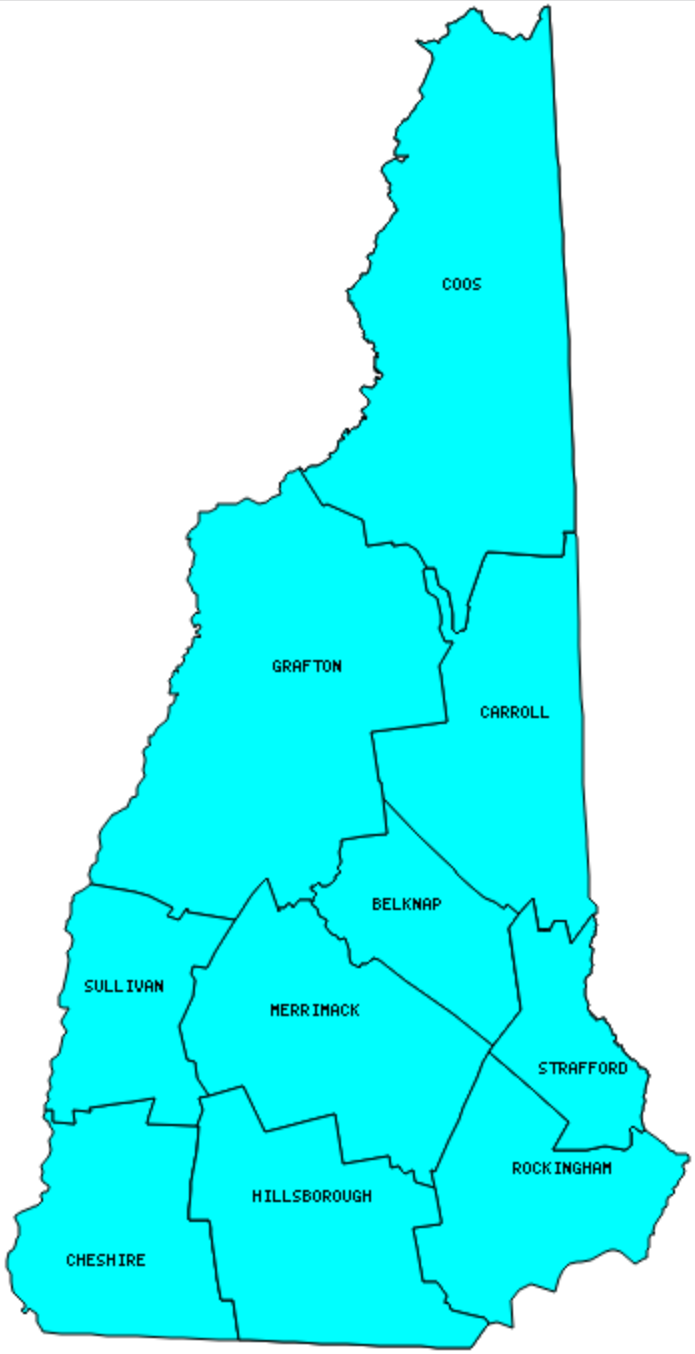
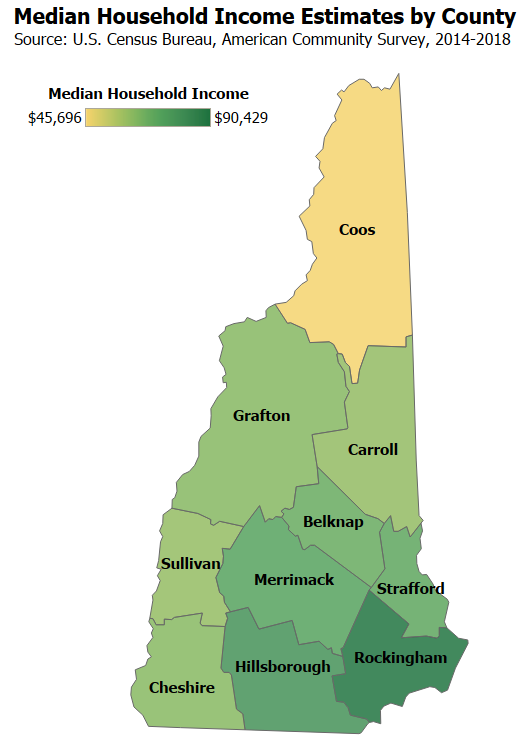
So, how many counties are there in New Hampshire? The answer is a straightforward ten. These ten counties form the backbone of the state’s governance and geography, each contributing its unique character to the overall appeal of New Hampshire. Whether you’re a history buff delving into the colonial past, a nature enthusiast eager to conquer Mount Washington, or a foodie looking to sample local delicacies, knowing these counties can help you navigate and appreciate the diverse offerings of the Granite State.
This article will delve into each of New Hampshire‘s counties, highlighting their key characteristics, popular destinations, and what makes them a must-visit for any traveler. We’ll explore the attractions that draw visitors year-round, from bustling cities to tranquil rural landscapes, and offer insights that will enrich your travel plans and accommodation choices within each region.
Exploring New Hampshire’s Ten Counties
New Hampshire‘s ten counties are not merely administrative boundaries; they are gateways to distinct experiences. Each county boasts its own blend of natural beauty, historical significance, and cultural vibrancy. Understanding these divisions can help you tailor your New Hampshire adventure, whether you’re looking for a luxurious resort experience, a budget-friendly family trip, or an immersive dive into local traditions.
Northern New Hampshire: Embracing the Wilderness
The northern reaches of New Hampshire are defined by their dramatic natural beauty, dominated by the majestic White Mountains. This region is an outdoor enthusiast’s paradise, offering unparalleled opportunities for hiking, skiing, and scenic drives.
Coös County: The Great North Woods
Coös County is the largest county in New Hampshire by area and is often referred to as the “Great North Woods.” This is a land of vast forests, pristine lakes, and abundant wildlife. It’s a place where you can truly escape the hustle and bustle of city life and reconnect with nature.
- Key Attractions: The Great North Woods is home to the famous Great North Woods Scenic Byway, which offers breathtaking views of forests, mountains, and rivers. Umbagog Lake State Park is a prime spot for kayaking, canoeing, and wildlife viewing, with chances to see moose, bald eagles, and loons. The Androscoggin River provides opportunities for whitewater rafting and fishing. For those seeking a more adventurous experience, the Dixville Notch State Park offers stunning hiking trails and dramatic rock formations.
- Travel & Tourism: Visitors to Coös County will find a range of accommodations, from rustic cabins and campgrounds to charming inns. The local tourism efforts often focus on outdoor recreation, encouraging visitors to explore the wilderness responsibly. Foodies can enjoy hearty, local fare in diners and pubs, often featuring fresh, regional ingredients.
- Landmarks: The Mount Washington Hotel, a National Historic Landmark, stands as an iconic symbol of the region, offering luxurious stays and unparalleled mountain views. The Dixville Notch itself is a significant landmark, a dramatic pass through the mountains.
Carroll County: Lakes and Mountains
Adjacent to Coös County to the south, Carroll County is characterized by its stunning lakes and rolling hills, nestled within the eastern edge of the White Mountains. It’s a popular destination for both summer and winter recreation.
- Key Attractions: Lake Winnipesaukee, New Hampshire‘s largest lake, is the centerpiece of Carroll County. It offers a plethora of activities including boating, swimming, fishing, and scenic cruises. The charming towns surrounding the lake, such as Wolfeboro and Meredith, provide delightful shopping, dining, and cultural experiences. Story Land, a beloved theme park for young children, is located in Glen. For winter sports enthusiasts, Attitash Mountain Resort and Wildcat Mountain offer excellent skiing and snowboarding.
- Travel & Tourism: Carroll County excels in hospitality, with a wide array of hotels, resorts, and vacation rentals catering to families, couples, and solo travelers. The tourism sector actively promotes seasonal events, from summer festivals to winter carnivals. The local culinary scene ranges from casual lakeside eateries to fine dining establishments, with a focus on fresh seafood and regional specialties.
- Landmarks: The historic towns around Lake Winnipesaukee, the Mount Washington Cog Railway (though primarily in Coös County, its access points are relevant), and Story Land are significant landmarks.
Central New Hampshire: The Heart of the State
Central New Hampshire offers a blend of urban amenities, historical sites, and access to natural landscapes, making it a versatile region for travelers.
Merrimack County: The State Capital and Beyond
Merrimack County is home to New Hampshire‘s capital city, Concord, and boasts a mix of urban development, suburban sprawl, and rural charm. It’s a hub for business, government, and culture.
- Key Attractions: Concord itself offers historical sites like the New Hampshire State House and the New Hampshire Historical Society Museum. The McAuliffe-Shepard Discovery Center provides interactive exhibits on space and aviation. The Merrimack River offers opportunities for recreation. The southern part of the county extends towards the Nashua River, a valuable ecological and recreational resource.
- Travel & Tourism: Merrimack County provides a variety of accommodation options, from business-friendly hotels in Concord to quaint bed and breakfasts in smaller towns. The local tourism scene is supported by its central location, making it a convenient base for exploring other parts of the state. Dining options are diverse, ranging from casual cafes to upscale restaurants.
- Landmarks: The New Hampshire State House is a prominent landmark, as is the McAuliffe-Shepard Discovery Center.
Belknap County: Lakeshore Living and Mountain Views
Belknap County is situated on the western shores of Lake Winnipesaukee, sharing some of the lake’s most popular destinations with Carroll County. It also features the foothills of the White Mountains.
- Key Attractions: Towns like Laconia are central to the county’s appeal, known for their vibrant summer activity on Lake Winnipesaukee, including the famous Laconia Motorcycle Week. Gunstock Mountain Resort offers year-round activities, including skiing, snowboarding, ziplining, and hiking. The Belknap Mountain State Forest provides opportunities for hiking and enjoying panoramic views of the surrounding lakes and mountains.
- Travel & Tourism: Belknap County offers a wide range of hotels and vacation rentals, particularly around Lake Winnipesaukee. The area is a hub for summer tourism, with many events and festivals. Local cuisine often features lakefront dining and classic American fare.
- Landmarks: Lake Winnipesaukee, Gunstock Mountain Resort, and the town of Laconia are key landmarks.
Hillsborough County: The State’s Most Populous Region
Hillsborough County is the most populous county in New Hampshire, encompassing the state’s two largest cities, Manchester and Nashua. It’s a center of commerce, industry, and cultural diversity.
- Key Attractions: Manchester offers a revitalized mill district with shops, restaurants, and cultural attractions like the Currier Museum of Art and the SEE Science Center. The SNHU Arena hosts major sporting events and concerts. Nashua boasts a vibrant downtown area with a strong sense of community, the Mine Falls Park for outdoor recreation, and a growing culinary scene. The Merrimack River flows through the county, providing scenic beauty and recreational opportunities.
- Travel & Tourism: Hillsborough County provides extensive accommodation options, from major hotel chains to boutique inns, catering to both business and leisure travelers. The tourism here is driven by its urban attractions, shopping, and entertainment venues. The culinary landscape is rich and diverse, reflecting the county’s multicultural population.
- Landmarks: The Currier Museum of Art, the SEE Science Center, and the historic mill buildings in Manchester are significant landmarks. Mine Falls Park in Nashua is also a notable natural landmark.
Southern New Hampshire: Coastal Charm and Historic Towns
Southern New Hampshire offers a blend of coastal beauty, historic colonial towns, and proximity to major metropolitan areas, making it a popular choice for both day trips and longer stays.
Rockingham County: The Seacoast and Beyond
Rockingham County is New Hampshire‘s southeasternmost county and is home to the state’s entire coastline, as well as numerous historic towns and agricultural areas.
- Key Attractions: The New Hampshire Seacoast is a major draw, with charming towns like Portsmouth, a historic maritime city known for its 17th and 18th-century architecture, vibrant arts scene, and excellent restaurants. Hampton Beach is a classic boardwalk destination with entertainment, arcades, and sandy shores. Further inland, towns like Exeter and Dover offer historical significance and a glimpse into New Hampshire‘s colonial past. The Great Bay National Estuarine Research Reserve protects a vital ecosystem.
- Travel & Tourism: Rockingham County offers a wide range of accommodations, from seaside hotels and resorts to historic inns in charming towns. The tourism industry thrives on its coastal appeal, historical sites, and culinary offerings. Portsmouth is particularly renowned for its diverse and high-quality dining scene.
- Landmarks: Portsmouth‘s historic Strawbery Banke Museum, Hampton Beach Boardwalk, and the Great Bay are prominent landmarks.
Strafford County: Lakes, Rivers, and Industry
Strafford County is located in southeastern New Hampshire and is known for its mix of lakes, rivers, and historic industrial towns.
- Key Attractions: Dover, New Hampshire‘s oldest city, offers a rich history and a revitalized downtown area. Rochester is another significant city in the county. The county is also home to parts of Lake Winnipesaukee and the Great Bay. The Piscataqua River forms part of its eastern border. Outdoor activities include exploring the Blue Job Mountain State Forest for hiking and scenic views.
- Travel & Tourism: Accommodation options in Strafford County include hotels, motels, and rental properties, particularly in the larger towns. The area offers a more laid-back travel experience, with opportunities for exploring local history and enjoying natural landscapes.
- Landmarks: The historic architecture of Dover and Rochester, and the natural beauty of the lakes and rivers are the main draws.
Western New Hampshire: Rural Landscapes and Quiet Charm
Western New Hampshire offers a more tranquil and rural experience, characterized by rolling hills, covered bridges, and a slower pace of life.
Cheshire County: The Monadnock Region
Cheshire County is located in southwestern New Hampshire and is most famous for Mount Monadnock, one of the most climbed mountains in the world. This region is known for its natural beauty, charming villages, and artistic community.
- Key Attractions: Mount Monadnock in Jaffrey and Dublin is the region’s star attraction, offering challenging hikes and rewarding summit views. The towns of Keene, Swanzey, and Walpole are known for their picturesque town greens, independent shops, and thriving arts scenes. The presence of numerous covered bridges adds to the region’s rustic charm.
- Travel & Tourism: Accommodations in Cheshire County range from comfortable hotels in Keene to cozy bed and breakfasts and vacation rentals in the smaller towns. The tourism focus is on outdoor recreation, local arts and crafts, and the serene rural lifestyle. The culinary scene features farm-to-table restaurants and classic New England diners.
- Landmarks: Mount Monadnock, the many historic covered bridges, and the charming town centers of places like Keene are key landmarks.
Sullivan County: Rivers and Rolling Hills
Sullivan County is situated in west-central New Hampshire, known for its rolling hills, scenic river valleys, and a quieter, more rural atmosphere.
- Key Attractions: The county is bisected by the Connecticut River, which forms its western border with Vermont. Towns like Claremont and Lebanon offer local amenities and a glimpse into New Hampshire‘s industrial past and present. The Lake Sunapee region, which partially extends into Sullivan County, offers beautiful lake scenery and recreational opportunities. The Fales Road Covered Bridge is a notable historical structure.
- Travel & Tourism: Accommodation in Sullivan County leans towards comfortable inns, motels, and vacation rentals, catering to those seeking a peaceful retreat. The tourism here emphasizes outdoor activities along the Connecticut River and in the scenic countryside.
- Landmarks: The Connecticut River, the Lake Sunapee region, and historic covered bridges are the primary landmarks.
In conclusion, New Hampshire is comprised of ten distinct counties, each offering a unique facet of the Granite State’s appeal. Whether you are drawn to the rugged wilderness of the Great North Woods in Coös County, the vibrant shores of Lake Winnipesaukee in Carroll and Belknap Counties, the urban energy of Hillsborough County, the coastal charm of Rockingham County, or the serene rural landscapes of western New Hampshire in Cheshire and Sullivan Counties, there is a county, and indeed an entire experience, waiting for you. Understanding these divisions not only answers the simple question of “How many counties in New Hampshire?” but also unlocks a deeper appreciation for the diverse tapestry of travel, tourism, and lifestyle that this beautiful state has to offer.
LifeOutOfTheBox is a participant in the Amazon Services LLC Associates Program, an affiliate advertising program designed to provide a means for sites to earn advertising fees by advertising and linking to Amazon.com. Amazon, the Amazon logo, AmazonSupply, and the AmazonSupply logo are trademarks of Amazon.com, Inc. or its affiliates. As an Amazon Associate we earn affiliate commissions from qualifying purchases.