
When planning a trip to the vibrant heart of New York, whether you’re dreaming of exploring the bustling streets of New York City or venturing upstate to its picturesque landscapes, understanding the current temperature is paramount. This knowledge directly influences your packing list, your itinerary, and ultimately, the enjoyment of your travel experiences. Is it a crisp autumn day perfect for leaf-peeping in the Adirondacks, a sweltering summer afternoon ideal for a stroll through Central Park, or a brisk winter evening calling for a cozy hotel stay near Times Square?

The Empire State Building stands tall regardless of the weather, and the Statue of Liberty welcomes visitors year-round, but the comfort and practicality of your visit hinge on being prepared for the prevailing climate. This guide delves into how to ascertain the immediate temperature in New York and provides context relevant to tourism and lifestyle choices for various types of travelers.
Understanding New York’s Diverse Climates
New York experiences a temperate climate with four distinct seasons, each offering a unique flavor of the state’s charm. From the humid summers that make rooftop bars in Manhattan so appealing to the frigid winters that transform the Catskills into a snowy wonderland, the temperature plays a starring role in any New York adventure.
Seasonal Temperature Variations
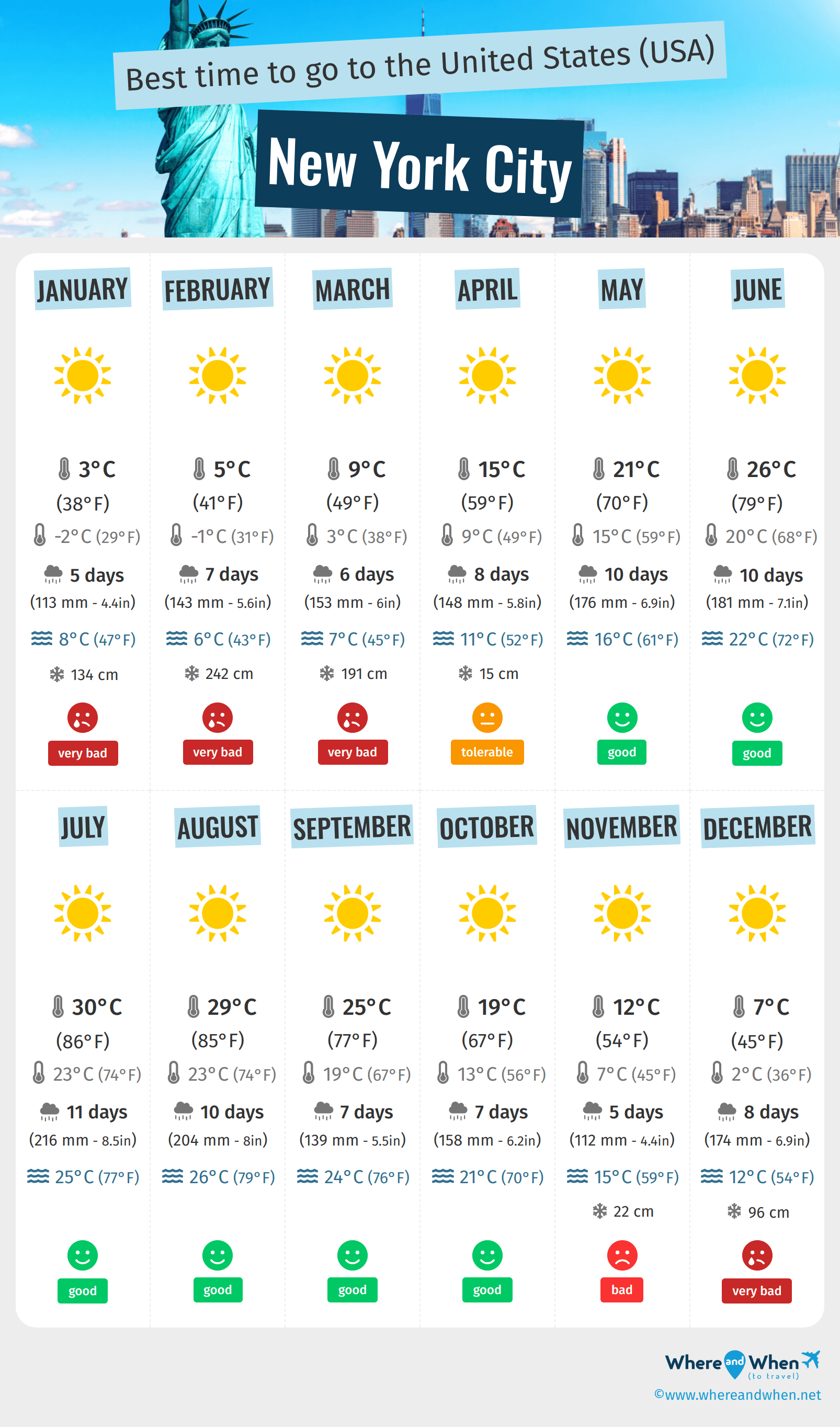
Spring (March – May): Spring in New York is a season of awakening. Temperatures gradually rise from chilly in early March to pleasantly warm by May. Expect average temperatures ranging from the low 40s Fahrenheit in March to the low 70s Fahrenheit in May. This is a fantastic time for exploring outdoor attractions like the Brooklyn Botanic Garden or enjoying the New York City Marathon. Pack layers, as mornings can be cool, but afternoons can become quite mild.
Summer (June – August): Summers in New York are typically hot and humid, especially in the metropolitan areas. Daytime temperatures often climb into the 80s and can reach the 90s Fahrenheit, with high humidity making it feel even warmer. This is peak season for outdoor festivals, exploring the beaches of Long Island, or taking a ferry to see the Statue of Liberty. Light, breathable clothing is essential, along with sun protection. Staying hydrated is key, and air-conditioned accommodations are a welcome refuge.
Autumn (September – November): Autumn is arguably one of the most beautiful seasons in New York. The humidity of summer dissipates, and the air becomes crisp and cool. September can still feel summery, with average highs in the 70s Fahrenheit, while November can see temperatures drop into the 40s and 50s Fahrenheit. This is the prime time for experiencing the vibrant fall foliage in regions like the Hudson Valley or taking guided tours of historic sites. Layers are again your best friend, with sweaters and light jackets being ideal.
Winter (December – February): Winters in New York can be cold, with temperatures frequently dropping below freezing. Snowfall is common, blanketing much of the state and creating opportunities for winter sports in areas like the Hunter Mountain ski resort. Average daytime temperatures hover in the 20s and 30s Fahrenheit, with nights often much colder. Heavy coats, hats, gloves, and waterproof boots are indispensable for surviving the chill and enjoying winter activities. Indoor attractions and cozy restaurants offer warm havens.
Regional Temperature Differences
It’s important to note that temperatures can vary significantly across New York at any given time. New York City, being a coastal metropolis, often experiences slightly milder winters and more humid summers than upstate regions. Upstate areas, particularly those further north or at higher elevations like the Allegheny Mountains, tend to have colder winters with more substantial snowfall and cooler summers. For instance, a summer day in Buffalo might be more temperate than in New York City, while a winter evening in Syracuse is likely to be considerably colder.
How to Get Real-Time Temperature Updates
Knowing the precise temperature in New York right now is crucial for making informed decisions about your day. Several reliable sources can provide this information instantly, allowing you to adapt your plans accordingly. Whether you’re checking before you leave your hotel or while researching potential accommodations, these resources are invaluable.
Reliable Weather Forecasting Websites and Apps

The most straightforward way to determine the current temperature is by consulting reputable weather forecasting services. Many websites and mobile applications offer real-time weather data for cities and regions across the globe.
- National Weather Service: The official source for weather information in the United States, the National Weather Service provides detailed forecasts, current conditions, and alerts for all parts of New York.
- Major Weather Providers: Services like AccuWeather, The Weather Channel, and Weather.com offer user-friendly interfaces with current temperatures, “feels like” temperatures, humidity, wind speed, and future hourly and daily forecasts. Simply search for your specific New York destination, whether it’s New York City, Albany, or a smaller town.
- Smartphone Weather Apps: Most modern smartphones come with built-in weather applications that automatically detect your location or allow you to add favorite places. These are incredibly convenient for quick checks on the go.
Checking Local News and Tourism Sites
Local news outlets in New York often feature prominently displayed current weather conditions on their websites, especially during significant weather events. Additionally, official tourism websites for specific cities or regions within New York may also provide localized weather information, sometimes integrated with event schedules or activity recommendations. For example, if you’re planning a visit to Niagara Falls, checking the local tourism board’s website can give you a good sense of the conditions.
Impact of Temperature on Your New York Experience
The current temperature in New York has a profound impact on nearly every aspect of your visit, from the types of activities you can enjoy to the kind of accommodation you might prefer. Understanding this connection can help you tailor your trip for maximum enjoyment and comfort.
Packing and Clothing Choices
Your wardrobe is the first line of defense against the elements. A quick check of the current temperature will dictate whether you need to pack a heavy winter coat for a stroll past Rockefeller Center in December, or if light shorts and a t-shirt are sufficient for exploring the High Line in July. Packing layers is a universally sound strategy for New York, as temperatures can fluctuate throughout the day, especially during spring and autumn. Consider the “feels like” temperature, which accounts for wind chill and humidity, when making your final packing decisions. For instance, a 40°F (4°C) day with a strong wind can feel much colder than the actual air temperature.
Planning Outdoor and Indoor Activities
The temperature directly influences the feasibility and enjoyment of various activities. On a warm, sunny day, you might prioritize a boat tour of the harbor, a walk through Prospect Park, or visiting outdoor landmarks like the Governors Island. Conversely, when the mercury drops or rain is in the forecast, your plans might shift towards indoor pursuits. This could include exploring world-class museums like the Metropolitan Museum of Art, catching a Broadway show, enjoying a fine dining experience in SoHo, or perhaps indulging in some retail therapy at a luxury department store. For families, a cold or wet day might necessitate finding indoor play areas or visiting the American Museum of Natural History.
Choosing the Right Accommodation
When booking hotels, resorts, or apartments in New York, the expected temperature should be a key consideration. During hot summer months, ensuring your accommodation has reliable air conditioning is non-negotiable. In winter, good heating, and possibly proximity to public transportation to minimize exposure to the cold, become important factors. If you’re considering a long-term stay, understanding the typical temperature ranges for your chosen season will help you choose a property with appropriate amenities, such as balconies for warmer months or fireplaces for colder ones. For those seeking luxury travel, many high-end hotels like the Plaza Hotel or The St. Regis New York offer climate-controlled environments and impeccable service regardless of the weather outside. For budget travel, checking the efficiency of heating and cooling in hostels or budget hotels can be particularly important to ensure comfort without excessive cost.
Embracing Local Culture and Cuisine
The local culture and cuisine of New York are deeply intertwined with its seasons and, by extension, its temperatures. Summer brings outdoor dining, street food vendors, and fresh, seasonal produce, while winter encourages hearty stews, hot beverages, and cozy indoor gatherings. Understanding the current weather can help you decide whether to seek out a bustling outdoor beer garden in Brooklyn, enjoy a steaming bowl of ramen in the East Village, or find a warm cafe to savor a pastry and coffee. Even the renowned New York pizza can taste different depending on whether you’re enjoying a slice al fresco on a mild spring evening or grabbing a quick bite to escape a winter chill.
In conclusion, while the allure of New York remains constant, the temperature is a dynamic factor that significantly shapes the visitor’s experience. By staying informed about the current conditions and understanding seasonal variations, you can optimize your packing, plan the perfect blend of indoor and outdoor activities, choose the most suitable accommodation, and fully immerse yourself in the rich tapestry of New York’s lifestyle and tourism. A quick check of the temperature is a small step that can lead to a significantly more enjoyable and memorable trip.
LifeOutOfTheBox is a participant in the Amazon Services LLC Associates Program, an affiliate advertising program designed to provide a means for sites to earn advertising fees by advertising and linking to Amazon.com. Amazon, the Amazon logo, AmazonSupply, and the AmazonSupply logo are trademarks of Amazon.com, Inc. or its affiliates. As an Amazon Associate we earn affiliate commissions from qualifying purchases.