
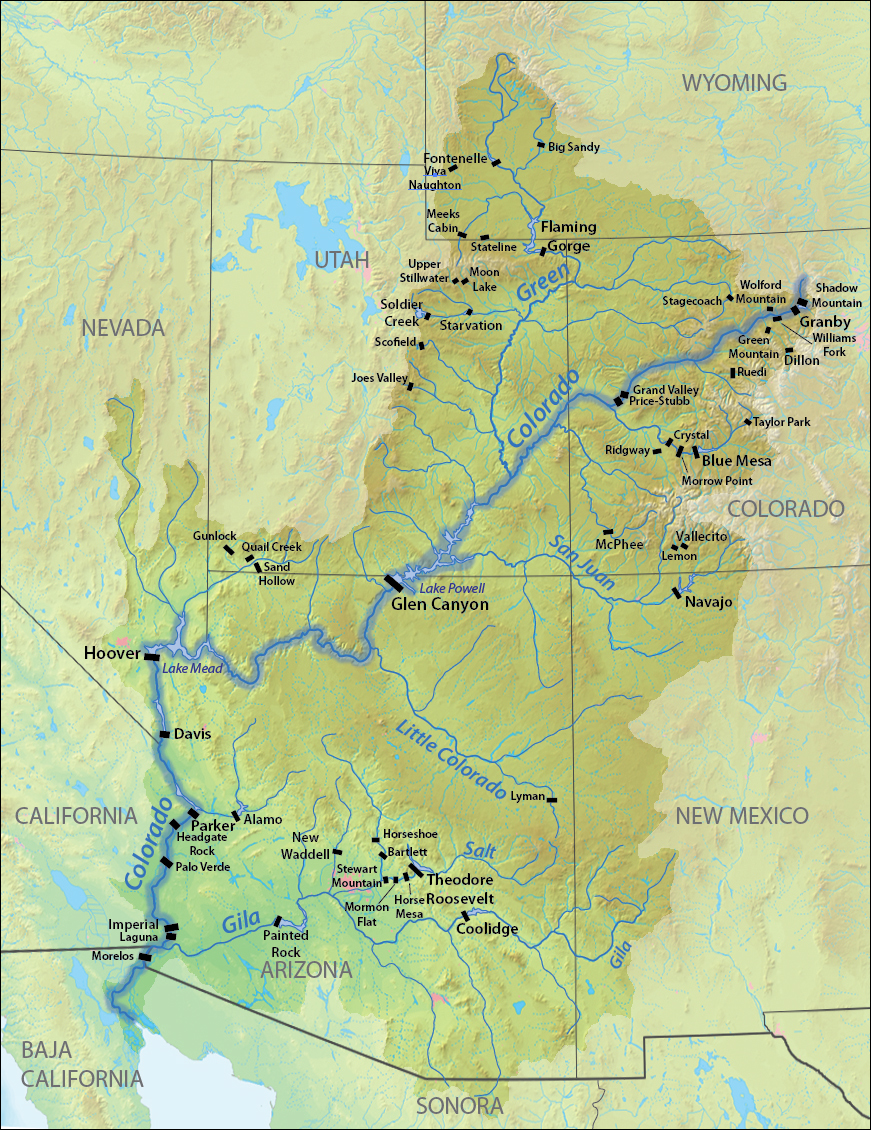
The Colorado River, a lifeline for millions across the American Southwest and northern Mexico, is a heavily engineered waterway. Its journey from the Rocky Mountains to the Gulf of California is punctuated by a complex network of dams, reservoirs, and diversion structures. These colossal feats of engineering are not just impediments to the natural flow of water; they are critical components of regional infrastructure, supporting agriculture, generating hydroelectric power, and supplying water to major urban centers. Understanding the sheer number and scale of these dams is key to appreciating the intricate management of this vital resource.
The Major Players: A Look at the Primary Impoundments
While the Colorado River basin boasts numerous smaller structures, a handful of primary dams and reservoirs dominate the landscape, significantly shaping the river’s flow and its role in regional development. These large-scale projects are not merely utilitarian; they have also become landmarks, attracting visitors and playing a role in the region’s identity.
Hoover Dam: An Iconic Monument to Engineering
Perhaps the most famous dam on the Colorado River is the Hoover Dam. straddling the border between Nevada and Arizona. Completed in 1936, this colossal concrete arch-gravity dam is a testament to American ingenuity during the Great Depression.
- Purpose and Impact: Hoover Dam primarily serves to control floods, provide water storage for irrigation and municipal use, and generate hydroelectric power. Its reservoir, Lake Mead, was once the largest man-made reservoir in the United States, though recent drought conditions have significantly impacted its water levels.
- Tourism and Attraction: The dam itself is a major tourist attraction, drawing millions of visitors annually. Tours offer insights into its construction, operation, and historical significance. The panoramic views from its crest and surrounding areas provide a stunning perspective on the engineering marvel and the desert landscape it commands.
Glen Canyon Dam: The Gateway to the Upper Basin
Further upstream, on the border of Arizona and Utah, stands the Glen Canyon Dam. Completed in 1966, this dam is the second-largest man-made reservoir in the United States by water volume.
- Lake Powell: The reservoir created by Glen Canyon Dam is Lake Powell, a popular destination for houseboating, swimming, and fishing. The dramatic red rock canyons that form the shoreline of Lake Powell are a significant draw for outdoor enthusiasts.
- Operational Role: The dam plays a crucial role in managing the flow of water from the Upper Colorado River Basin, ensuring water delivery to downstream states as mandated by the Colorado River Compact. It also generates substantial hydroelectric power.
Parker Dam and Davis Dam: Key Infrastructure in the Lower Basin
In the Lower Colorado River Basin, Parker Dam and Davis Dam are critical components of the water supply system.
- Parker Dam: Located in Arizona, Parker Dam is notable for being one of the deepest dams in the world, with a significant portion of its structure submerged beneath the surface of Lake Havasu. It serves as a major diversion point for water destined for southern California and central Arizona. Lake Havasu City, adjacent to the dam, is a popular tourist destination known for its collection of historic London Bridge.
- Davis Dam: Situated downstream of Hoover Dam and upstream of Parker Dam, Davis Dam helps regulate water releases from Lake Mead and provides additional hydroelectric power generation. Its reservoir, Lake Mohave, is also a hub for recreational activities.
Beyond the Giants: A Network of Smaller Structures
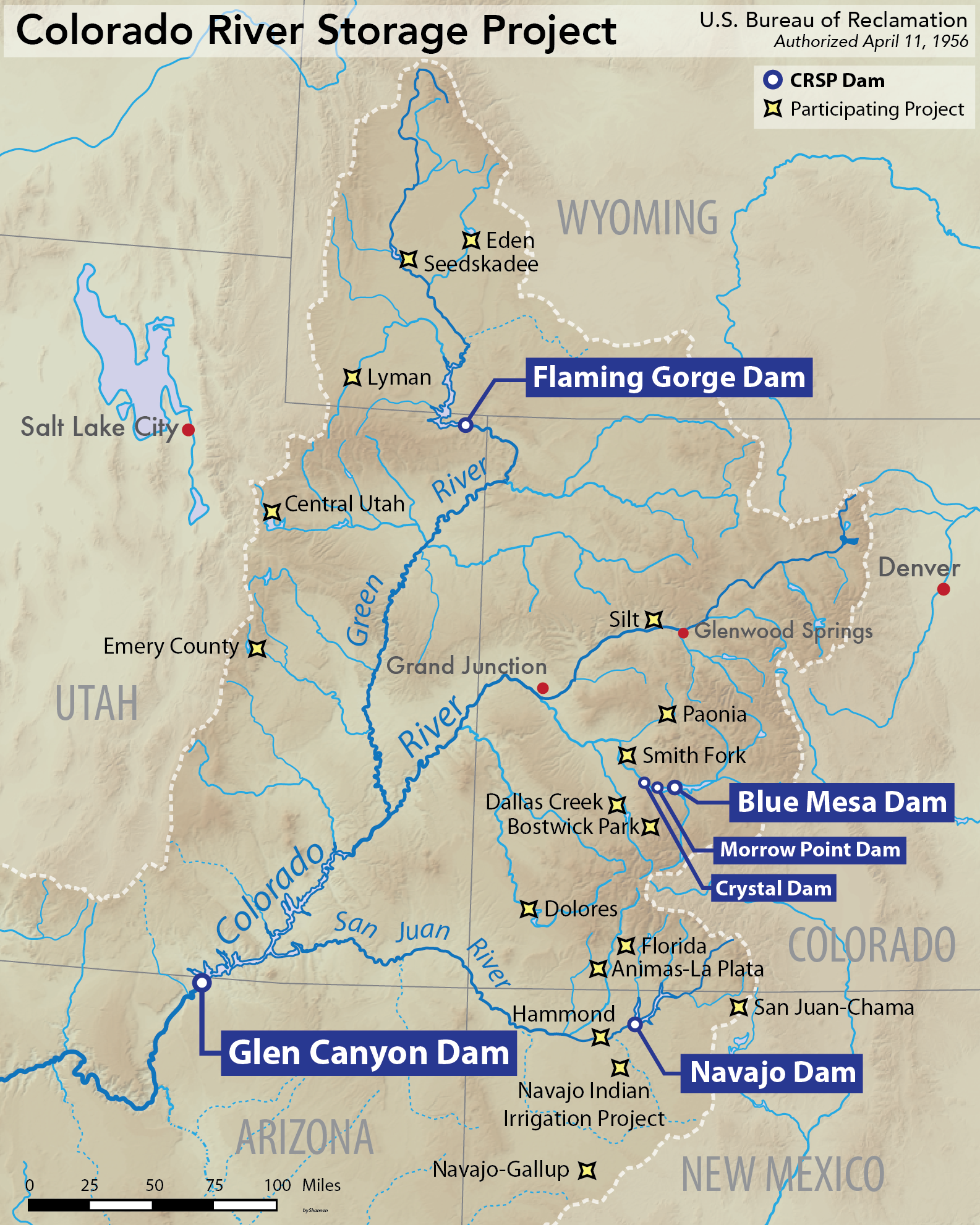
While the major dams capture public attention, the Colorado River system includes a multitude of other structures that are vital for its management and use. These range from smaller dams and diversion weirs to aqueducts and pumping stations that move water across vast distances.
Diversion Dams and Irrigation Structures
Throughout the river’s course, particularly in agricultural areas, numerous diversion dams and intake structures are present. These are designed to divert water from the river into canals and aqueducts for irrigation.
- Imperial Dam: A prominent example is the Imperial Dam in California, which is one of the largest diversion dams in the world. It serves the extensive irrigation systems of the Imperial Valley, a highly productive agricultural region. This dam is part of the vast infrastructure that makes agriculture possible in an arid environment.
- Grout Dam and Laguna Diversion Dam: Other significant diversion structures include the Grout Dam and the Laguna Diversion Dam, both historically important for water management in the lower river.
Power Generation Facilities
Beyond the massive hydroelectric powerhouses at Hoover Dam and Glen Canyon Dam, several other dams on tributaries and the main stem of the Colorado River are equipped with power generation capabilities. These facilities contribute to the regional electricity grid, powering homes and industries.
The Cumulative Impact and Ongoing Management
The collective presence of these numerous dams has profoundly altered the Colorado River. While they have enabled unprecedented development and made life possible for millions, they have also had significant ecological consequences.
Altered Flow Regimes and Sediment Transport
Dams regulate the river’s flow, smoothing out natural seasonal fluctuations and releasing water based on human demand rather than natural cycles. This has impacted downstream ecosystems, fish migration, and the natural replenishment of riparian habitats. The trapping of sediment behind dams also alters the riverbed’s morphology and the delivery of vital nutrients to the delta region.
Water Storage and Supply
The reservoirs created by these dams represent enormous water storage capacity. This stored water is a critical buffer against drought and ensures a reliable supply for agricultural, municipal, and industrial uses across the basin. The management of these reservoirs, especially in times of water scarcity, is a complex and often contentious undertaking involving numerous stakeholders.

Recreational Opportunities and Landmark Status
Many of the dams and their associated reservoirs have become significant recreational areas. Lake Mead, Lake Powell, and Lake Havasu are popular destinations for boating, fishing, and water sports, contributing to the tourism economies of the surrounding states. The dams themselves, as impressive feats of engineering and historical landmarks, are also points of interest for visitors keen to understand the human endeavor involved in taming the Colorado River.
In conclusion, while it is challenging to provide an exact, definitive count that includes every minor structure, it is clear that the Colorado River is home to dozens of significant dams and countless smaller diversion and control structures. These are not isolated features but interconnected components of a vast, complex system that sustains a large portion of the arid American West, transforming a wild river into a managed resource that underpins regional life and industry.
LifeOutOfTheBox is a participant in the Amazon Services LLC Associates Program, an affiliate advertising program designed to provide a means for sites to earn advertising fees by advertising and linking to Amazon.com. Amazon, the Amazon logo, AmazonSupply, and the AmazonSupply logo are trademarks of Amazon.com, Inc. or its affiliates. As an Amazon Associate we earn affiliate commissions from qualifying purchases.