
The tragedy that unfolded on October 1, 2017, remains a dark chapter in the history of Las Vegas. As a destination defined by its vibrancy, neon lights, and the spirit of entertainment, the city was forever altered by the events at the Route 91 Harvest Festival. Understanding the scale of this loss is essential to acknowledging the resilience of the community and the changes that have since reshaped the landscape of public safety in one of the world’s most popular tourist hubs.
The Magnitude of the Tragedy
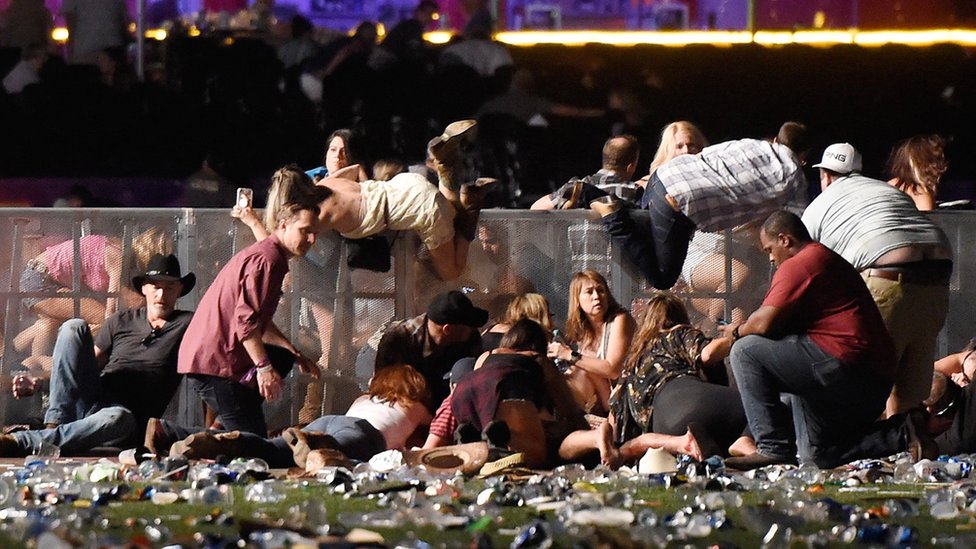
On that fateful evening, a lone gunman opened fire from a suite on the 32nd floor of the Mandalay Bay resort, targeting the crowd gathered for a country music festival across the street. The sheer scale of the incident marked it as the deadliest mass shooting by a single individual in modern United States history.
The Human Toll
The final death toll stands at 58 victims who perished on the night of the shooting. In the months and years that followed, the official count was adjusted to 60 as two additional individuals succumbed to injuries sustained during the chaos. These 60 lives represented a cross-section of society—parents, partners, friends, and travelers who had come to Nevada seeking a weekend of music and camaraderie.
The Legacy of the Survivors
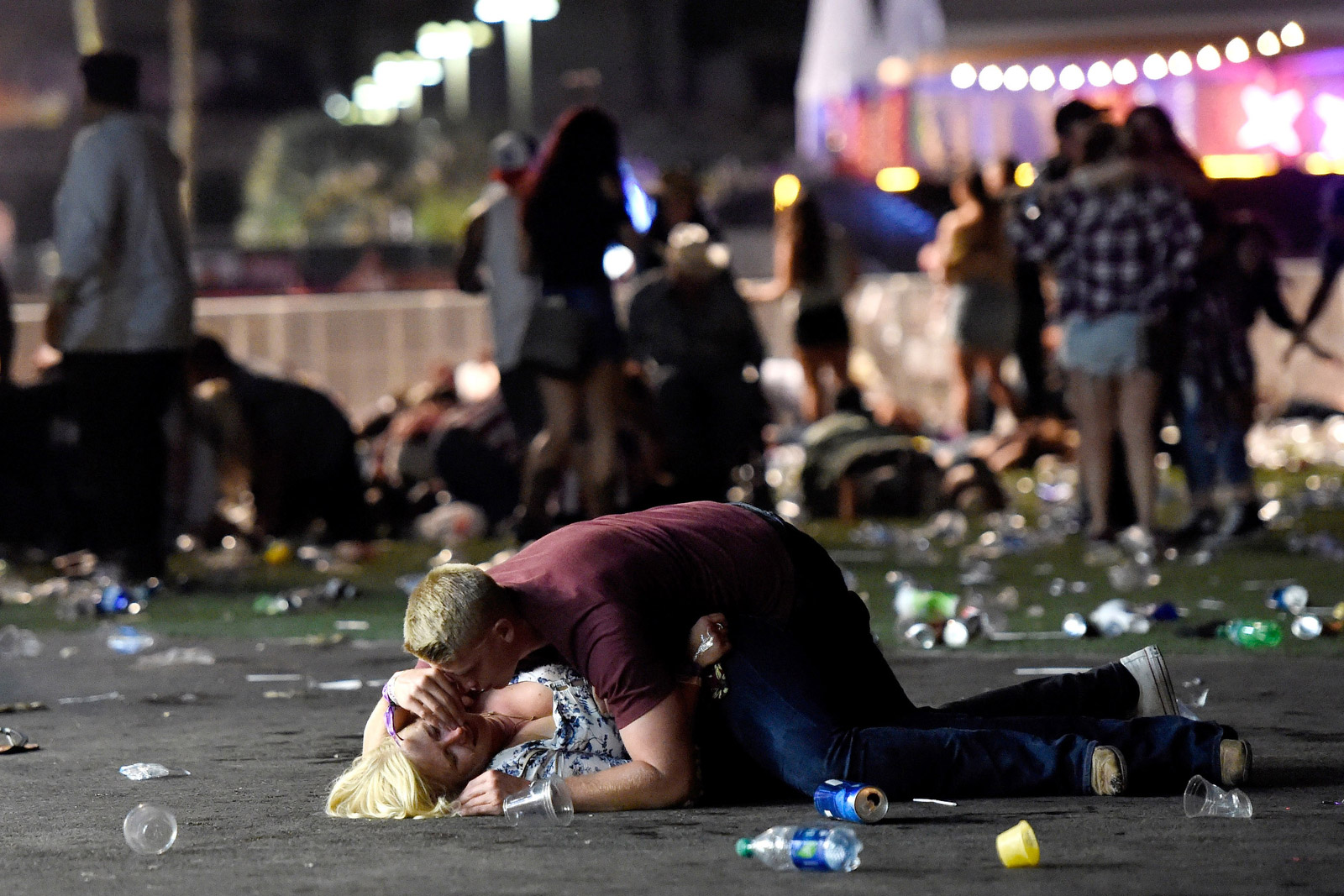
Beyond those who lost their lives, hundreds more were injured, both physically and psychologically. The event rippled through the tourism industry, prompting a profound re-evaluation of how large-scale outdoor events are managed. The memory of these victims is now enshrined in the hearts of locals and visitors alike, serving as a solemn reminder of the fragility of the experiences we cherish in public spaces.
Impact on the Tourism Landscape
The shooting forced an immediate and necessary transformation in how United States tourism centers, specifically those in the high-density corridor of the Las Vegas Strip, approach security and hospitality. The industry had to balance the need for an open, welcoming environment with the imperative of rigorous safety protocols.
Shifting Security Paradigms
In the wake of the tragedy, hotels and resorts across Clark County overhauled their security procedures. This included more sophisticated surveillance, stricter access controls for guest elevators, and enhanced coordination with local law enforcement agencies like the Las Vegas Metropolitan Police Department. For the traveler, this means that while the city retains its legendary hospitality, the behind-the-scenes infrastructure is more robust than ever before.

Maintaining the Spirit of the City
Despite the trauma, the city refused to be defined solely by the violence. Tourism marketing campaigns quickly pivoted to highlight the strength of the community. Venues like the T-Mobile Arena and the Allegiant Stadium were designed with these modern security lessons in mind, ensuring that large-scale events can continue to thrive safely. The city’s ability to rebound is a testament to its status as a global leader in entertainment.
Remembering and Healing
Commemoration plays a vital role in the healing process for a city that thrives on hosting people from all corners of the globe. Various projects and memorial initiatives have been established to honor those who were lost, ensuring that the victims are never forgotten.
The Las Vegas Community Healing Garden
Located in the heart of the Arts District, the Las Vegas Community Healing Garden serves as a sanctuary for reflection. It was created in the immediate aftermath of the shooting, providing a space for survivors, victims’ families, and the general public to pay their respects. The garden features 58 trees—a living memorial that continues to grow, symbolizing the endurance of the community’s spirit.
A Unified Response
The outpouring of support from global travelers was immense. In the days following the event, thousands of people contributed to blood drives and relief funds. This collective response highlighted the unique bond between the city and its visitors. Tourism is not just about visiting landmarks; it is about the shared human connection, and the aftermath of the tragedy solidified this connection in a profound, albeit painful, way.
Lessons for Future Travel
The events of October 1st serves as a somber guide for the evolution of the hospitality sector. As we continue to explore the world and enjoy the sights of iconic destinations like the Fountains of Bellagio or the High Roller Observation Wheel, we are reminded that safety is a shared responsibility.
Enhanced Hospitality Standards
Today, when guests check into a resort, they may notice more visible security personnel and more stringent check-in processes. These are not obstacles, but rather layers of protection designed to ensure that the primary focus of a vacation—relaxation and enjoyment—remains undisturbed. The hospitality industry in North America has largely adopted the lessons learned in Southern Nevada, setting new benchmarks for public safety at large gatherings.
Encouraging Resilient Travel
For those planning their next trip to the desert, the city remains one of the safest major tourist destinations in the world. The focus on high-tech safety measures, combined with the innate hospitality of the staff at every Caesars Palace or MGM Grand, ensures that the spirit of adventure remains alive. Understanding the history of the city allows travelers to appreciate its evolution and the dedication of its residents to maintaining a safe, inclusive environment for everyone.
The tragedy of the Las Vegas shooting remains a heavy weight on the city’s history, but the way in which the community has moved forward is a testament to human resilience. By acknowledging the lives lost and the changes implemented to protect future generations, we ensure that the city continues to shine as a beacon of entertainment and progress. As visitors continue to flock to the neon streets and grand resorts, they do so in a space that has been tempered by adversity and strengthened by an unwavering commitment to safety and unity. Through collective memory and improved standards, the legacy of that day continues to shape the future of global tourism.
LifeOutOfTheBox is a participant in the Amazon Services LLC Associates Program, an affiliate advertising program designed to provide a means for sites to earn advertising fees by advertising and linking to Amazon.com. Amazon, the Amazon logo, AmazonSupply, and the AmazonSupply logo are trademarks of Amazon.com, Inc. or its affiliates. As an Amazon Associate we earn affiliate commissions from qualifying purchases.