
The Hawaii Bowl stands as one of the most iconic postseason traditions in American college football, blending the intensity of gridiron competition with the breathtaking natural beauty of the Pacific. For fans, players, and travel enthusiasts alike, the venue serves as a primary draw, offering an atmosphere that is distinctly different from the snowy, indoor, or mainland stadiums typically associated with December bowl games. Understanding the geography and the cultural significance of where this game takes place is essential to appreciating why this event remains a highlight on the National Collegiate Athletic Association calendar.

The Home of the Hawaii Bowl: The Clarence T.C. Ching Athletics Complex
While the game has moved venues throughout its history, the current home of the Hawaii Bowl is the Clarence T.C. Ching Athletics Complex, located on the campus of the University of Hawaii at Manoa. Situated in the lush, verdant Manoa Valley on the island of Oahu, this stadium offers an intimate setting that contrasts sharply with the sprawling, massive arenas found on the mainland.
A Campus-Centric Sporting Experience
Unlike professional stadiums that are often located in isolated industrial zones or expansive parking lots, the Clarence T.C. Ching Athletics Complex is embedded within an active university environment. This location provides visitors with a unique opportunity to walk through the academic heart of Hawaii before taking their seats. The proximity to the Koʻolau Range creates a dramatic, mountainous backdrop that frames the field, ensuring that spectators are constantly reminded of the volcanic island geography that defines the United States.
Transitioning from Aloha Stadium
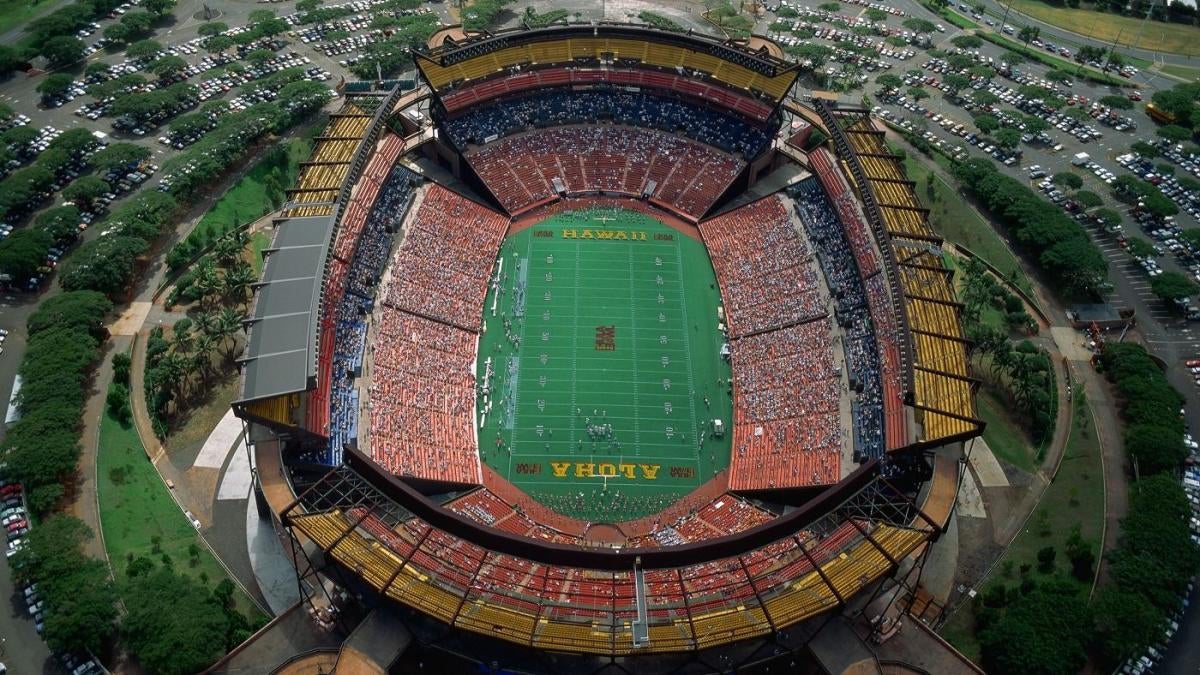
For many years, the bowl game was synonymous with Aloha Stadium in Halawa. As the primary multipurpose facility for the state, Aloha Stadium played host to decades of football history, including the Pro Bowl. However, as structural concerns led to the closure and eventual decommissioning of that historic site, the game migrated to the Manoa campus. This move has fundamentally changed the spectator experience, shifting it from a large-scale stadium event to a collegiate, fan-focused atmosphere that feels deeply personal.
The Geographic and Cultural Appeal of Oahu
The location of the Hawaii Bowl is not merely a logistical detail; it is a vital part of the event’s marketing and allure. For those traveling to witness the game, the journey to Honolulu is an integral component of the experience. The bowl game acts as a bridge between the mainland United States and the rich, complex Polynesian heritage that makes Hawaii a unique travel destination.
Immersing in the Spirit of Aloha
Spectators who arrive for the game often extend their stay to explore the island of Oahu. The proximity of the Waikiki beach district allows fans to transition seamlessly from the competitive fervor of a football game to the serene relaxation of the Pacific Ocean. Visiting the Pearl Harbor National Memorial or hiking the Diamond Head State Monument are common itinerary items that provide context for the historical significance of the region.

The Climate Advantage
One of the primary reasons the Hawaii Bowl attracts a diverse crowd of out-of-state visitors is the temperate December weather. While teams from the Big 12 Conference or the Mountain West Conference might be arriving from sub-zero temperatures, they find themselves in a tropical paradise where outdoor sports are possible year-round. This climatic shift is a major selling point for the event, turning a standard football bowl into a luxury winter getaway for fans and their families.
Navigating the Game Day Logistics
Attending an event at the Clarence T.C. Ching Athletics Complex requires a different approach than visiting a traditional NFL-sized stadium. Because the venue is located on a university campus, infrastructure is tighter, and the experience is characterized by a “community first” philosophy.
Planning Your Transportation
Given that the stadium is located in a residential valley, parking is highly limited. Visitors are encouraged to utilize ride-sharing services or the local public transportation system, TheBus, which serves the Manoa area effectively. Understanding these logistical constraints is part of the charm of the bowl experience; it forces fans to engage more closely with the local community rather than simply driving into a massive stadium parking garage and leaving immediately after the final whistle.
The Influence of Local Traditions
The game itself often incorporates local customs, such as pre-game Hula performances and ceremonies that honor the history of the Pacific Islands. By hosting the game on the university campus, the bowl maintains a tighter connection to these traditions. It is not uncommon for the local student body to have a significant presence, bringing a level of noise and passion that is distinct from the more commercialized bowl games played in mainland venues.
Why the Location Matters for College Football
The Hawaii Bowl occupies a singular space in the postseason landscape. While games in Florida or California are often judged by their proximity to theme parks or corporate sponsorships, the Hawaii Bowl is judged by the destination itself. It represents a reward for teams that have worked hard all season, offering them a chance to compete in one of the most culturally vibrant places on the planet.
A Destination Bowl
For the teams, the Bowl Season is often about rigorous practice and corporate events. In Hawaii, however, the location demands a different pace. Teams often participate in traditional island excursions, such as canoe paddling or luau gatherings, which foster team bonding in ways that indoor practice facilities in Texas or Ohio simply cannot replicate.
Economic and Cultural Impact
The presence of a major collegiate sporting event in Honolulu provides a significant boost to the local economy, particularly in the off-season. It draws tourists who might not otherwise visit the islands during the winter months, filling local hotels and restaurants. Simultaneously, the game acts as a cultural exchange. When viewers across the North American continent tune in, they are treated to high-definition shots of the surrounding mountain ranges and the unique, tropical flora that dots the Manoa landscape. It is this synergy between sport and scenery that ensures the Hawaii Bowl remains a permanent fixture in the hearts of college football fans.
Ultimately, whether you are a die-hard fan of the game or a curious traveler looking for an excuse to visit the tropics, the location of the Hawaii Bowl offers the perfect intersection of competitive drive and island tranquility. By choosing to host the event within the intimate, historic confines of a university campus, the organizers have ensured that the Hawaii Bowl remains an authentic experience that celebrates the spirit of Hawaii just as much as it celebrates the sport of football.
LifeOutOfTheBox is a participant in the Amazon Services LLC Associates Program, an affiliate advertising program designed to provide a means for sites to earn advertising fees by advertising and linking to Amazon.com. Amazon, the Amazon logo, AmazonSupply, and the AmazonSupply logo are trademarks of Amazon.com, Inc. or its affiliates. As an Amazon Associate we earn affiliate commissions from qualifying purchases.