
The vast and diverse landscape of Texas is often understood through its geographical and administrative divisions. While the state is famously divided into congressional districts and state legislative districts, a more nuanced understanding of its organizational structure can be explored through various “districts” that cater to specific functions. These divisions are not always immediately apparent to visitors or even to many residents, yet they play a crucial role in shaping the Texas experience, from managing natural resources to organizing cultural events and facilitating travel. Understanding these various districts offers a deeper appreciation for the intricate tapestry of this large and dynamic state.

Understanding Texas’s Administrative and Functional Districts
When one asks about “districts” in Texas, the most common interpretation likely refers to political or governmental subdivisions. However, beyond the familiar legislative and congressional districts, Texas is organized into numerous other types of districts that impact daily life, infrastructure, and the preservation of its unique heritage. These can range from specialized utility districts to those managing state parks and historical sites. Each plays a vital role in the functionality and preservation of the state’s resources and attractions.
Political and Governmental Districts
The most widely recognized districts in Texas are those established for political representation and governance. These are crucial for the democratic process and ensure that the interests of Texans are represented at various levels of government.
Congressional Districts
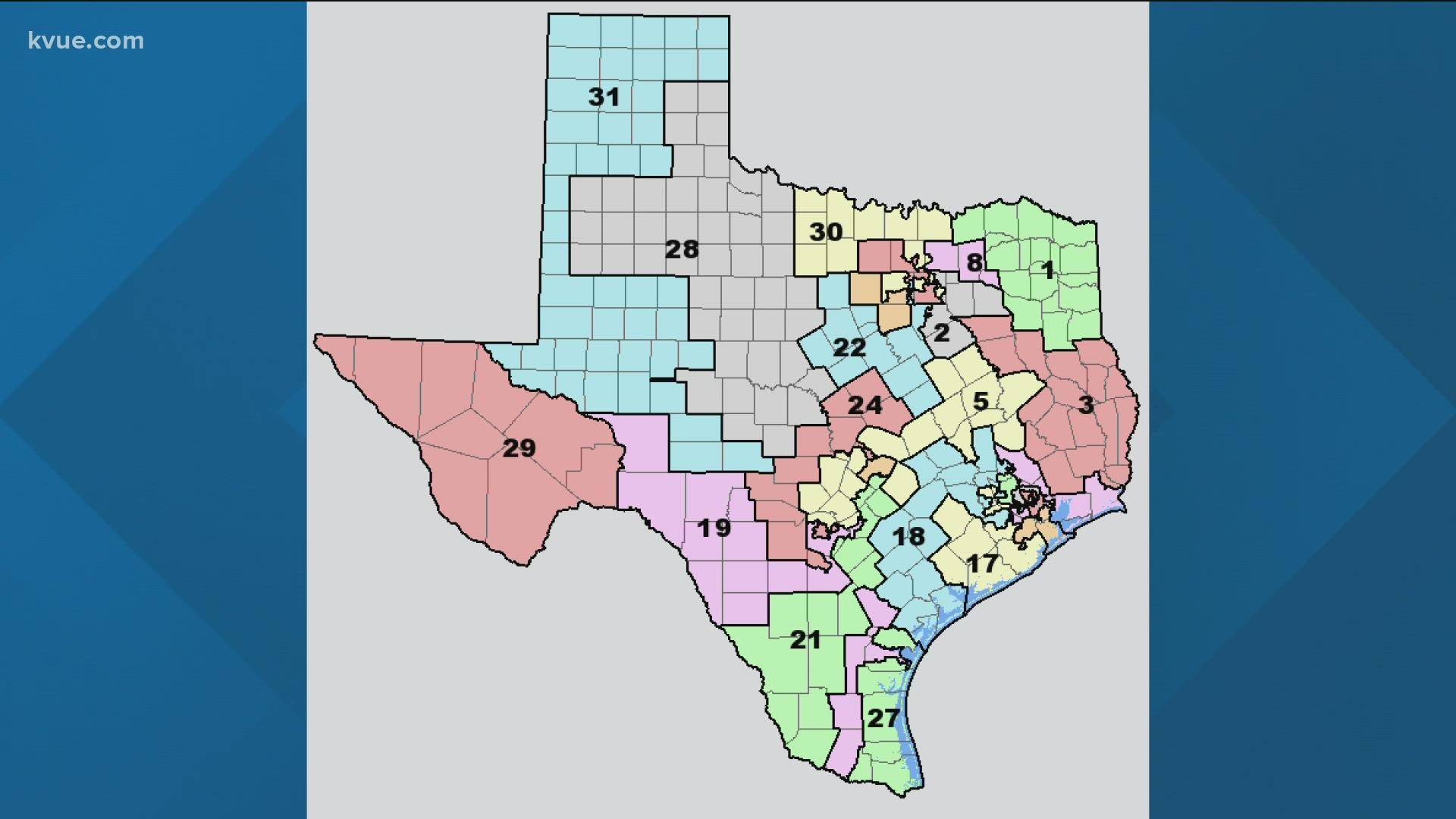
Texas is divided into a specific number of congressional districts, each represented by a member of the U.S. House of Representatives. The number of these districts fluctuates based on the state’s population as determined by the decennial U.S. Census. These districts are redrawn periodically to reflect population changes, ensuring proportional representation in Congress. The current number of congressional districts for Texas stands at 38, a testament to its significant population growth. These districts are vital for federal policy-making that affects the state, from infrastructure funding to national security.
State Legislative Districts
At the state level, Texas has two legislative chambers: the Texas Senate and the Texas House of Representatives. Each chamber is divided into districts to ensure representation within the state government. The Texas Senate comprises 31 senatorial districts, with each senator representing a larger, more populous area. The Texas House of Representatives has 150 districts, meaning a greater number of representatives, each serving a smaller constituency. These districts are also subject to redistricting following the census to maintain equity in representation.
Judicial Districts
The administration of justice in Texas is also organized into districts. The state’s judicial system is complex, with various levels of courts. For instance, Texas is divided into numerous judicial districts, each with a district court that handles felony criminal cases and civil disputes. The specific number and boundaries of these judicial districts can vary and are established by state law, often encompassing one or more counties depending on population density and caseload. Beyond these, there are also specific districts for specialized courts, such as probate courts or county courts.
Specialized Service and Resource Districts
Beyond political representation, Texas is home to a multitude of specialized districts designed to manage specific resources, provide essential services, or promote particular aspects of state life. These often operate with a degree of autonomy and are crucial for the efficient functioning of communities and the preservation of the state’s natural and cultural assets.
Water Districts
Given Texas’s often arid climate and its growing population, water management is paramount. The state has numerous water districts, such as Municipal Utility Districts (MUDs) and Special Districts, that are responsible for providing a reliable supply of water, wastewater treatment, and sometimes flood control. These districts are vital for the development and sustainability of communities across Texas, ensuring that residents have access to essential services. Understanding these districts is key to comprehending the infrastructure that supports Texas communities.
Parks and Recreation Districts
The preservation and management of Texas’s stunning natural beauty and recreational opportunities are often overseen by dedicated districts. While the Texas Parks and Wildlife Department manages the state park system, there can also be specific local or regional districts that focus on the development and maintenance of parks, trails, and other recreational facilities. These contribute significantly to the Texas lifestyle, offering spaces for outdoor activities, from hiking in the Big Bend National Park to fishing along the coast.
Historical and Cultural Districts
Texas boasts a rich history and vibrant culture, and certain districts are established to protect and promote these aspects. These might include historical preservation districts within cities, dedicated to maintaining the architectural integrity of significant neighborhoods, or cultural districts that aim to foster artistic expression and community events. Cities like San Antonio with its historic missions, or Austin with its thriving music scene, often have designated areas that function as cultural hubs, supported by various organizational structures, some of which operate as distinct districts.
The Significance of Districts for Travelers and Residents
For both visitors exploring the vastness of Texas and its residents, understanding the concept of “districts” offers a more granular perspective on the state’s organization and the services available.
Navigating Texas: A Districted Landscape
When planning a trip to Texas, awareness of different districts can enhance the travel experience. For instance, knowing that Texas is divided into Texas Department of Transportation (TxDOT) districts can help in understanding road construction and maintenance schedules along major highways like Interstate 35 or Interstate 45. Similarly, understanding that national and state parks fall under specific management areas can aid in planning visits and understanding park regulations.
For those considering a longer stay or relocation, recognizing the roles of MUDs and other utility districts is essential for understanding housing developments and the provision of basic services. These districts often dictate the availability of utilities and can influence property taxes.

Economic and Development Districts
Texas also utilizes various districts for economic development and planning. These can include economic development districts designed to attract businesses and create jobs, or port districts that manage maritime trade and infrastructure. These entities are crucial for the state’s economic vitality and its position as a global hub for various industries, from energy to technology. Exploring these districts, even indirectly, provides insight into the forces shaping the state’s growth and opportunities.
In conclusion, while there isn’t a single, definitive number of “districts” that universally applies across Texas, the state is a mosaic of administrative, political, and functional divisions. From the 38 congressional districts representing its people in Washington D.C. to countless specialized districts managing water, parks, and culture, these organizational units are fundamental to how Texas operates and how its residents and visitors interact with its diverse offerings. Understanding these layers of division provides a more comprehensive appreciation of the Lone Star State’s complexity and its commitment to serving its populace and preserving its unique identity.
LifeOutOfTheBox is a participant in the Amazon Services LLC Associates Program, an affiliate advertising program designed to provide a means for sites to earn advertising fees by advertising and linking to Amazon.com. Amazon, the Amazon logo, AmazonSupply, and the AmazonSupply logo are trademarks of Amazon.com, Inc. or its affiliates. As an Amazon Associate we earn affiliate commissions from qualifying purchases.