
The Golden State’s Enduring Political Lifestyle
California, often celebrated for its diverse landscapes, innovative industries, and influential culture, also holds immense political weight in the United States. This influence isn’t merely a backdrop; it is woven into the very fabric of the California lifestyle and, by extension, impacts the broader national way of life. Understanding the state’s electoral power is key to appreciating its role as a trendsetter, policy incubator, and cultural powerhouse.
California’s Electoral Count and Its Significance
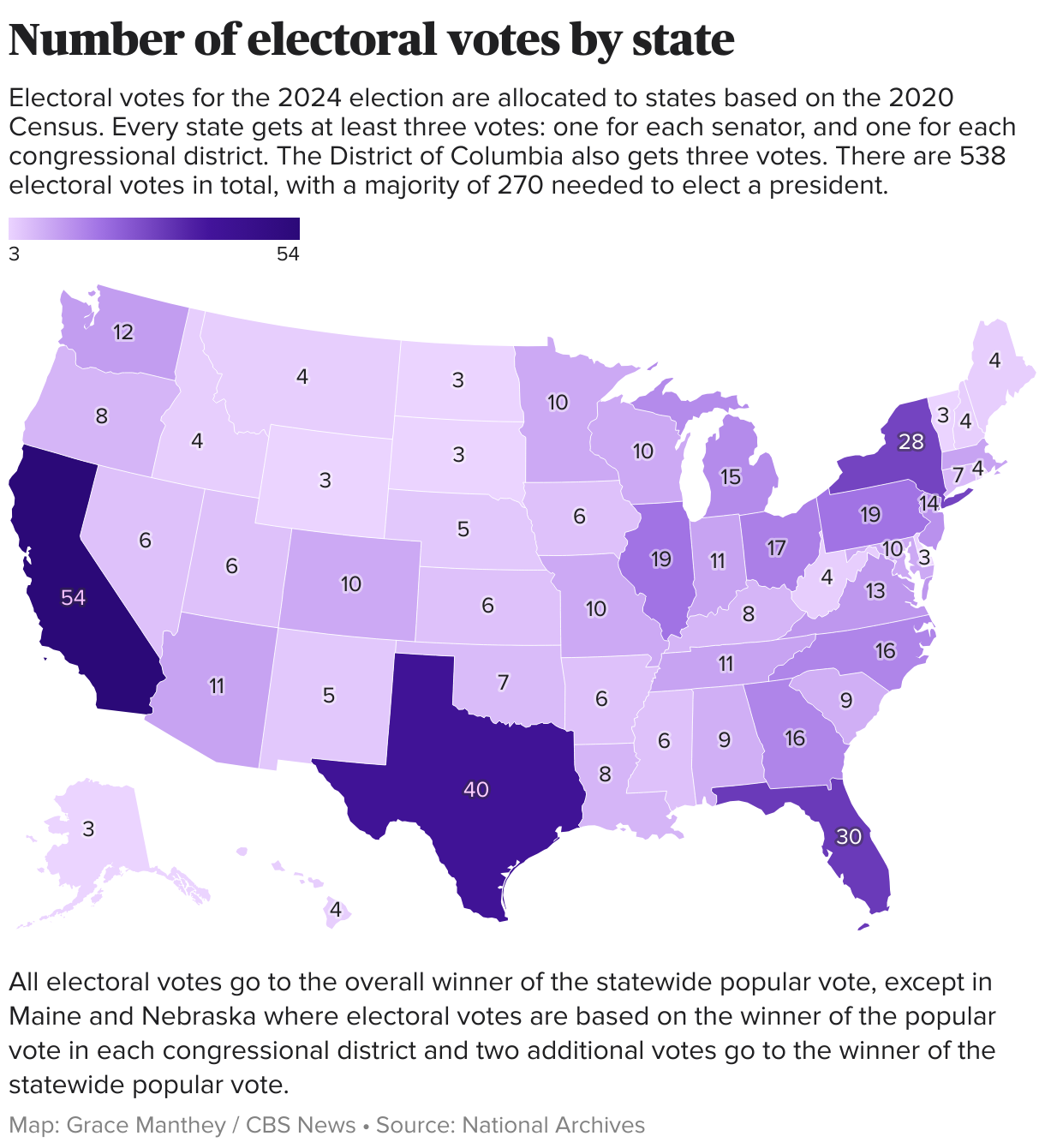
At the heart of California’s national political influence is its allocation of electoral votes. Following the 2020 Census and subsequent reapportionment, California currently possesses 54 electoral votes. This makes it the state with the single largest bloc of electoral votes, a designation that bestows unparalleled leverage in presidential elections and national political discourse.
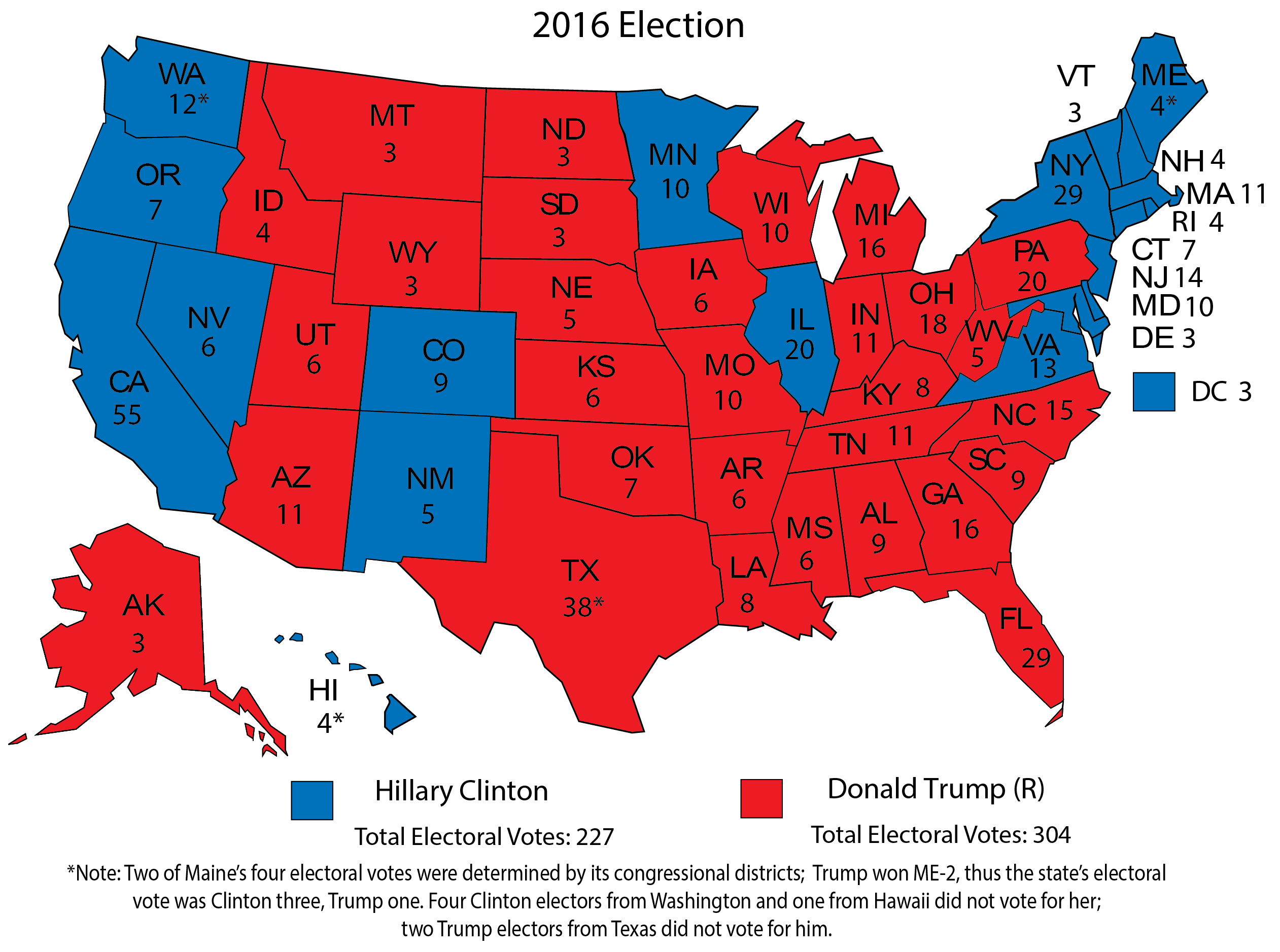
This immense political power isn’t just a statistic; it shapes the very essence of the California lifestyle and its consequential role in the national narrative. The state’s electoral muscle means its issues, demographics, and priorities gain significant attention from presidential candidates, national parties, and policymakers. This translates directly into discussions around policy, culture, and economic trends that touch every aspect of life, from environmental regulations impacting daily commutes to technological advancements influencing how we connect and work. The sheer volume of votes ensures that the diverse lifestyles and concerns of California’s populace are amplified on the national stage, driving conversations that might otherwise remain regional.
The Dynamics of Reapportionment and Demographic Shifts
The number of electoral votes a state holds is directly tied to its population, as determined by the decennial United States Census. Each state is allocated a number of electoral votes equal to its total number of representatives in the House of Representatives (which is based on population) plus its two senators. Therefore, as populations grow or shrink, electoral vote counts can shift.
California’s current count of 54 electoral votes reflects a slight decrease from its previous 55 after the 2020 Census. This loss of one electoral vote, while minor in percentage terms, marked the first time in its history that California had lost a congressional seat, and thus an electoral vote. This shift signals broader demographic changes occurring across the United States. It highlights how evolving “lifestyles” and migration patterns directly impact political power. For instance, the movement of individuals and families from high-cost coastal areas to more affordable inland states, or to fast-growing Sun Belt states like Texas and Florida, directly alters the political landscape. These migration choices, often driven by lifestyle considerations such as cost of living, climate preferences, and job opportunities, collectively reshape the balance of political influence, reflecting a dynamic national lifestyle mosaic where power constantly flows and adapts.
The California Lifestyle: A National Bellwether
California’s substantial electoral weight amplifies its role as a national bellwether and trendsetter. The state’s large, diverse population and vibrant economy often mean that what starts in California doesn’t just stay in California; it often sets precedents that influence the national lifestyle, from policy initiatives to cultural norms.
Policy Innovation and National Echoes
With its robust electoral voice, California has historically been at the forefront of pioneering progressive legislation, particularly in areas like environmental protection, technological regulation, and consumer rights. The state’s early adoption of stringent vehicle emissions standards, for instance, has often served as a de facto national standard due to the size of its market. Similarly, its comprehensive data privacy laws, like the California Consumer Privacy Act (CCPA), have inspired similar legislation in other states and on the federal level, reshaping how companies interact with user data across the country.
These policies are not just bureaucratic mandates; they directly reflect and influence a distinct “Californian lifestyle” characterized by an emphasis on sustainability, technological integration, health, and forward-thinking social values. The state’s commitment to renewable energy, its aggressive climate goals, and its investment in electric vehicle infrastructure exemplify a lifestyle choice that values ecological responsibility and innovation. As these policies gain traction and prove effective in the nation’s largest state, they often create a ripple effect, spreading nationally and affecting how people live, work, and consume across the entire United States. The way other states approach climate change or tech regulation is often viewed through the lens of California’s successes and challenges, making the state’s legislative lifestyle a blueprint for the nation.
Cultural Influence and Social Trends
Beyond policy, California’s electoral weight translates into a louder voice for its profound cultural influence. From the entertainment industry in Hollywood to the technological innovations of Silicon Valley, California is a global engine for cultural exports. Its culinary trends, fashion statements, wellness movements, and social philosophies often permeate national and international consciousness.
The sheer economic and demographic size that underpins California’s electoral power also ensures that its cultural creations and social trends achieve widespread visibility and adoption. Whether it’s the latest app that streamlines daily tasks, a new dietary trend, or a social justice movement gaining momentum, California’s innovations often define popular culture and consumption patterns. This pervasive cultural footprint, backed by its political significance, helps to shape and redefine aspects of the modern American lifestyle. The focus on creativity, individuality, and constant evolution inherent in the California experience becomes a powerful force in shaping what it means to live in contemporary America.
Engaging with the California Political Landscape: An Informed Lifestyle
Understanding California’s electoral weight is not just a matter of political trivia; it is an essential component of an informed and engaged civic lifestyle, whether one resides within the state’s borders or observes its impact from afar. The power wielded by California affects everything from national elections to the availability of certain goods and services, making it relevant to every citizen’s daily life.
Understanding Your Civic Voice
For residents of California, understanding their state’s massive electoral count underscores the profound impact of their individual votes. Each vote contributes to a collective voice that holds significant sway in national decisions, particularly in presidential elections where a swing of just a few percentage points can shift millions of votes and fundamentally alter the national outcome. This awareness fosters a more profound sense of civic responsibility and highlights how active participation is not just a right, but a powerful means of shaping the future.
For citizens across the United States, comprehending California’s electoral power helps demystify the complexities of the Electoral College. It’s about recognizing how individual state demographics and political leanings, when aggregated, create power blocs that heavily influence national politics. Part of living an informed lifestyle involves appreciating how one’s state contributes to the grand tapestry of national decision-making and how the significant electoral influence of states like California dictates the issues and candidates that dominate national headlines and policy debates. It transforms passive observation into an active, analytical engagement with the democratic “lifestyle.”

The Ripple Effect on Everyday Life
The national elections and policy decisions, heavily influenced by politically powerful states like California, have tangible ripple effects on the everyday lifestyle of every American. Consider the economy: California’s sheer economic output and its substantial consumer market mean that its regulations and economic trends can set precedents or affect supply chains across the country. Decisions made regarding trade, technology, and environmental standards in Sacramento or Washington, D.C. (with California’s electoral influence), can impact the cost of goods, job availability, and even the pace of innovation that define our modern lives.
Moreover, social policies and cultural norms originating from California often diffuse across the nation. From shifts in privacy expectations fueled by tech industry regulations to the mainstreaming of sustainability practices, California’s electoral voice indirectly shapes the social programs, environmental protections, and even individual freedoms that characterize the collective American lifestyle. Understanding how many electoral votes California has, therefore, transcends mere political knowledge; it is an essential insight into the forces that continuously mold our way of life, from the ballot box to the dinner table.
LifeOutOfTheBox is a participant in the Amazon Services LLC Associates Program, an affiliate advertising program designed to provide a means for sites to earn advertising fees by advertising and linking to Amazon.com. Amazon, the Amazon logo, AmazonSupply, and the AmazonSupply logo are trademarks of Amazon.com, Inc. or its affiliates. As an Amazon Associate we earn affiliate commissions from qualifying purchases.