
While the vibrant energy of New York City often captures the imagination, and the majestic beauty of the Adirondack Mountains draws visitors seeking natural splendor, the Empire State plays a crucial role beyond its tourist appeal and economic might. Its influence extends deep into the heart of American democracy, particularly through its allocation of Electoral College votes. Understanding how many Electoral College votes New York holds is not just a matter of political trivia; it’s a gateway to comprehending the state’s significant standing in presidential elections and its impact on the national political landscape.
This inquiry into New York‘s electoral count is more than a simple number. It’s a reflection of the state’s population, its historical weight, and its enduring contribution to the fabric of the United States. For those interested in the intricacies of the American electoral system, or simply curious about the power wielded by one of the nation’s most populous states, delving into New York‘s Electoral College representation offers valuable insights. Whether you’re a resident, a political enthusiast, or a traveler planning a visit to the iconic sights of New York State, grasping its electoral significance adds another layer of appreciation for this dynamic region.
The Electoral College: A Foundation of American Presidential Elections
The United States employs a unique system for electing its president: the Electoral College. Established by the Founding Fathers as a compromise between electing the president by popular vote and electing the president by a vote in Congress, this system has been a cornerstone of presidential elections since the late 18th century. Each state is allotted a number of electors, which is equal to the sum of its representation in Congress—that is, the number of its representatives in the House of Representatives plus its two senators. This formula ensures that both population and state equality are considered in the election.
Determining a State’s Electoral Vote Count
The number of representatives each state has in the House of Representatives is determined by its population, as counted in the decennial U.S. Census. While the total number of representatives in the House has been fixed at 435 since 1911, the allocation of these seats among the states can shift after each census. States with larger populations receive more representatives, and consequently, more Electoral College votes. Conversely, states with smaller populations receive fewer representatives and thus fewer electoral votes.
The two senators for each state are not tied to population. Every state, regardless of its size or population, is guaranteed two senators. This aspect of the Electoral College formula gives smaller states a proportionally larger voice in presidential elections than they would have if the election were solely based on the national popular vote.
The total number of Electoral College votes is 538. This is comprised of the 435 members of the House of Representatives, the 100 senators, and three electoral votes allocated to Washington, D.C., by the 23rd Amendment to the Constitution. To win the presidency, a candidate must secure an absolute majority of the electoral votes, which is 270.
New York‘s Representation in Congress and the Electoral College
As one of the most populous states in the nation, New York consistently holds a significant number of Electoral College votes. Its substantial population translates directly into a large delegation in the House of Representatives, which, when combined with its two senators, results in a formidable electoral presence. The specific number of Electoral College votes a state possesses is subject to reapportionment after each U.S. Census, meaning that New York’s electoral count can fluctuate over time based on population changes relative to other states.
Historically, New York has been a dominant force in presidential elections, often serving as a bellwether and a crucial battleground. Its electoral votes have frequently been pivotal in determining the outcome of closely contested races. This influence stems directly from its sizable delegation in the House of Representatives, which, as of the latest reapportionment following the 2020 Census, gives New York a substantial number of electoral votes. The Empire State’s sheer demographic weight ensures that its voters’ preferences carry considerable weight in the national electoral calculus.
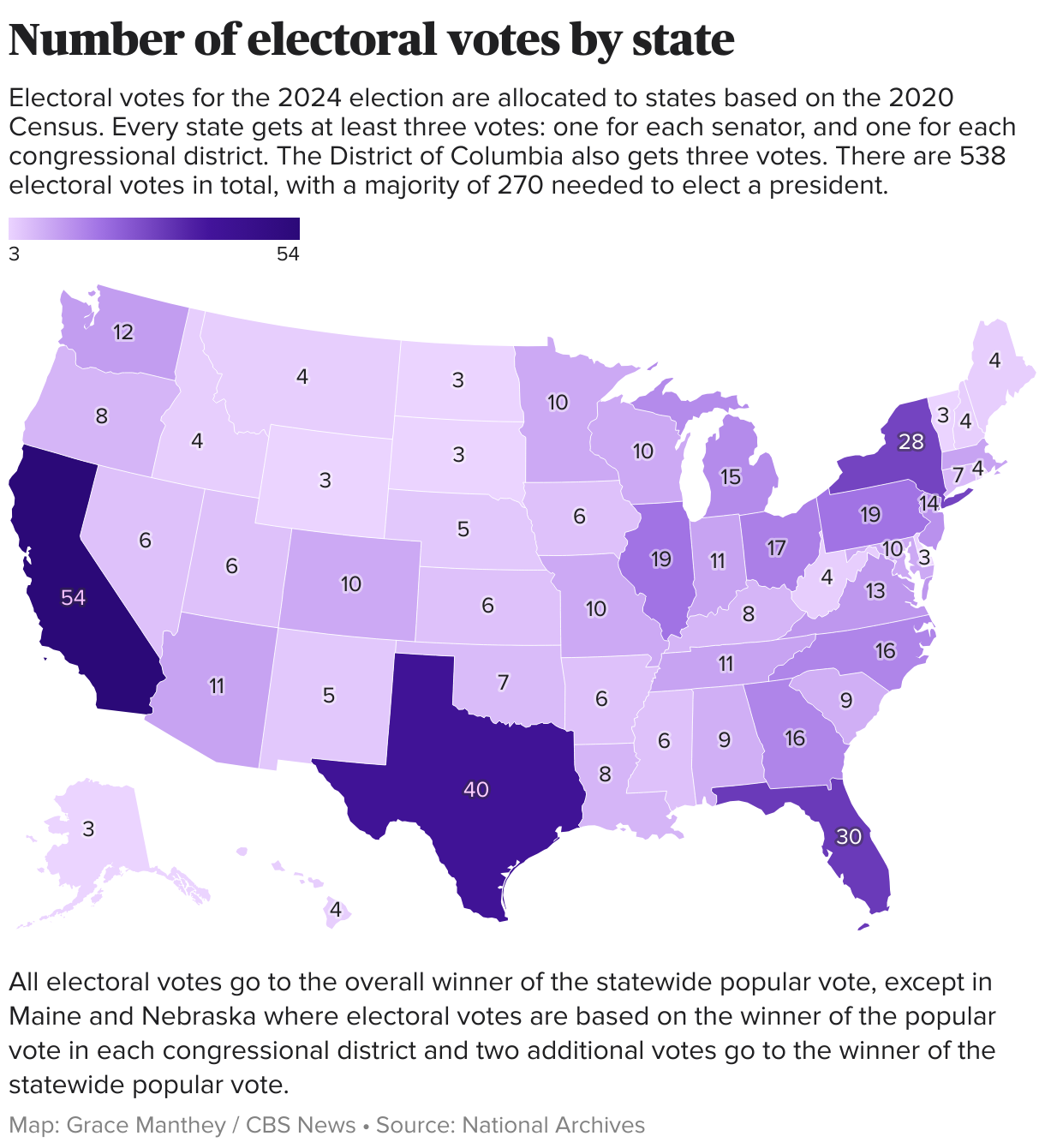
The exact number of Electoral College votes New York holds is derived from its current congressional representation. Following the 2020 Census, New York has 26 representatives in the House of Representatives. Adding the two U.S. Senators, this brings New York‘s total Electoral College votes to 28. This number reflects New York’s enduring status as a populous and influential state within the American federal system. This considerable bloc of votes makes New York a state that presidential campaigns must actively court, even though it has consistently voted Democratic in recent presidential elections.
New York‘s Electoral Vote Count: A Deep Dive
The number of Electoral College votes allocated to New York is not static. It’s a dynamic figure that directly reflects the state’s population relative to other states in the Union. This ebb and flow is managed through the process of reapportionment, which occurs every ten years following the U.S. Census. Understanding the historical context and the mechanisms behind this allocation provides a clearer picture of New York‘s consistent, yet occasionally shifting, political power.

Historical Trends and Population Shifts
New York has long been a populous state, and consequently, it has historically held a large number of Electoral College votes. For much of American history, its population growth outpaced many other states, securing its position as a major electoral player. Cities like New York City, Buffalo, and Rochester have been centers of population and economic activity, contributing significantly to the state’s overall census count.
However, as other states, particularly in the Sun Belt, experienced rapid population growth in the latter half of the 20th century and into the 21st century, New York‘s relative share of the national population began to decline. This demographic shift has led to a decrease in the number of congressional seats New York holds, and consequently, a reduction in its Electoral College vote count over time. While still a significant number, this gradual decline highlights the ever-changing demographic landscape of the United States and its direct impact on political representation.
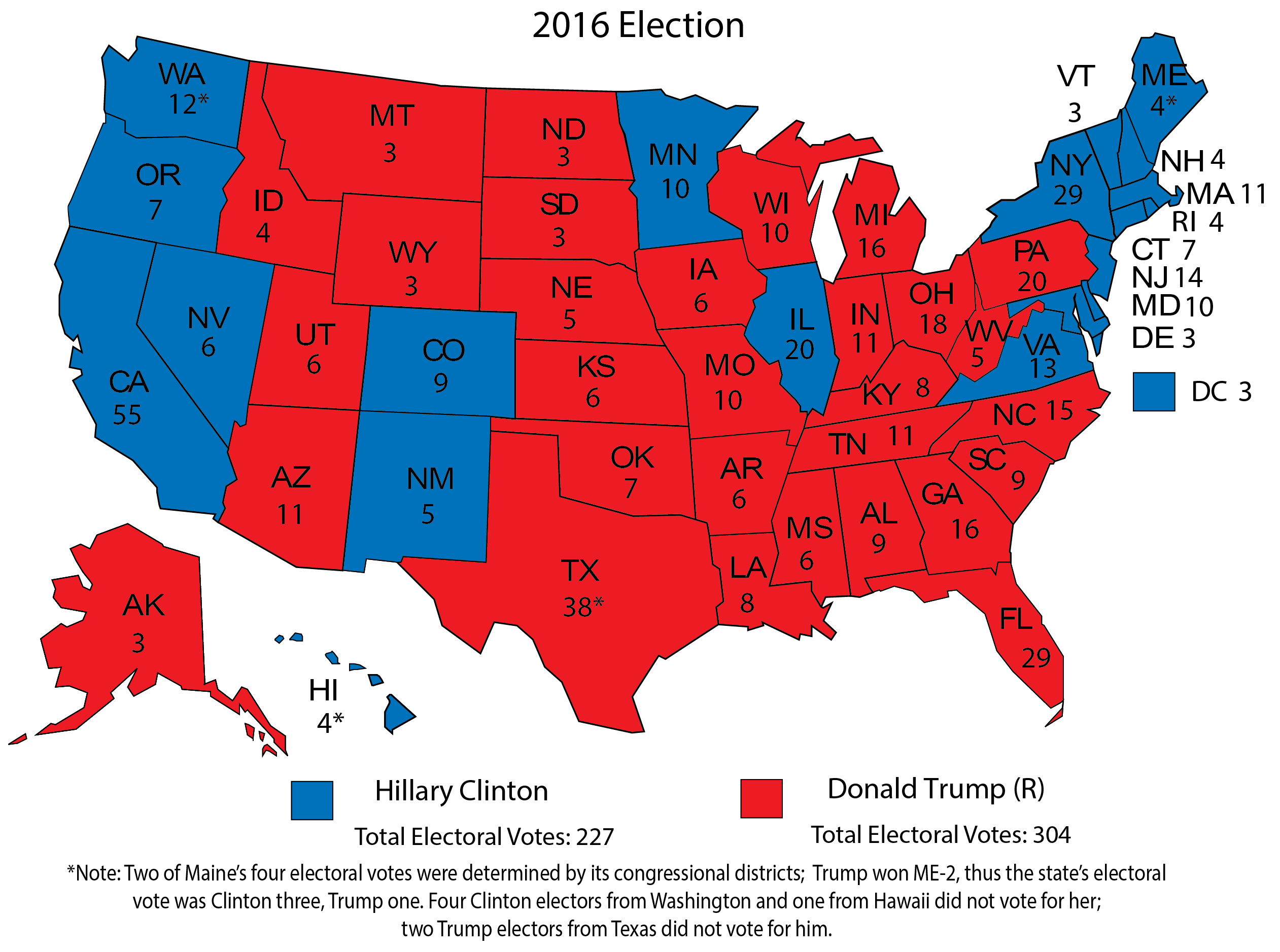
For example, after the 1990 Census, New York had 31 Electoral College votes. Following the 2000 Census, this number decreased to 31, then to 29 after the 2010 Census. The most recent reapportionment, based on the 2020 Census, further adjusted New York‘s representation. This continuous recalibration ensures that the Electoral College remains, at least in theory, a reflection of current population distribution across the states.
The Impact of New York‘s Electoral Votes on Presidential Campaigns
With 28 Electoral College votes, New York represents a substantial prize in any presidential election. While the state has trended heavily Democratic in recent decades, presidential campaigns do not entirely disregard it. The sheer volume of votes means that securing New York is a significant step towards the 270 electoral votes needed to win the presidency.
Campaign strategies in New York often focus on mobilizing the party base and ensuring high turnout in key urban areas, such as New York City, Albany, and Syracuse, as well as in populous suburban counties. While traditional swing state tactics might not apply in the same way they do in battleground states, New York’s electoral might still necessitates attention and resource allocation.
Furthermore, the state’s diverse political landscape, encompassing urban centers, suburban communities, and rural areas, presents varied electoral challenges and opportunities. The votes cast in New York can influence national polling numbers, media narratives, and the overall perception of a candidate’s momentum. Therefore, even in years where its outcome is largely predictable, the state’s electoral count remains a vital component of the national electoral map. The presence of iconic landmarks and diverse attractions, from the Statue of Liberty and Times Square in New York City to the natural beauty of Niagara Falls and the Thousand Islands, also contributes to New York‘s prominence on the national stage, indirectly underscoring its importance in the minds of many voters and policymakers.
Beyond the Ballot Box: New York‘s Broader Influence
While the number of Electoral College votes is a concrete measure of New York‘s political weight in presidential elections, the state’s influence extends far beyond this specific metric. Its economic power, cultural significance, and historical role all contribute to its enduring impact on the United States. For travelers and lifestyle enthusiasts, understanding these broader influences can enrich their experience of the state.
Economic Powerhouse and Tourism Magnet
New York is an economic powerhouse, boasting one of the largest economies in the United States and, if it were a country, the world. New York City, in particular, is a global hub for finance, fashion, media, and the arts. This economic vitality translates into significant tax revenues and a substantial contribution to the national GDP. This financial clout indirectly influences national policy and gives New York‘s elected officials a strong voice in federal economic discussions.
From a tourism perspective, New York is a perennial favorite. Iconic destinations like New York City, with its world-renowned museums like the Metropolitan Museum of Art, bustling theaters on Broadway, and breathtaking architecture like the Empire State Building, attract millions of visitors annually. Beyond the metropolis, the state offers diverse travel experiences. The serene beauty of the Finger Lakes region, the historic sites along the Hudson River, the rugged wilderness of the Adirondack Park, and the natural wonder of Niagara Falls provide a rich tapestry of attractions. This robust tourism industry not only boosts local economies in areas like the Catskill Mountains and the Adirondacks but also showcases the state’s cultural and natural assets to a global audience, further cementing its national prominence. The array of accommodations, from luxury hotels in Manhattan to charming inns in the countryside, caters to every traveler’s needs, making New York a versatile destination for all types of lifestyles.
Cultural and Historical Significance
New York has been a focal point for pivotal moments in American history and a crucible for cultural innovation. From its early colonial roots to its role in the industrial revolution and its status as a gateway for millions of immigrants arriving at Ellis Island, the state is steeped in historical importance. Landmarks such as the Statue of Liberty, the National September 11 Memorial & Museum, and historic sites in cities like Albany and Saratoga offer tangible connections to the nation’s past.
Culturally, New York has been a breeding ground for artistic expression, social movements, and intellectual discourse. New York City, in particular, has shaped global trends in music, literature, theater, and visual arts for over a century. This cultural dynamism not only enriches the lives of its residents but also projects an image of innovation and progress that resonates across the country and the world. The state’s diverse population contributes to a vibrant mosaic of traditions, cuisines, and perspectives, making it a fascinating destination for those seeking authentic local experiences and a deeper understanding of American multiculturalism. Whether exploring the galleries of SoHo or enjoying the farm-to-table movement in the Hudson Valley, New York offers a rich immersion into American culture and history.
LifeOutOfTheBox is a participant in the Amazon Services LLC Associates Program, an affiliate advertising program designed to provide a means for sites to earn advertising fees by advertising and linking to Amazon.com. Amazon, the Amazon logo, AmazonSupply, and the AmazonSupply logo are trademarks of Amazon.com, Inc. or its affiliates. As an Amazon Associate we earn affiliate commissions from qualifying purchases.