
Navigating the administrative landscape of a new state or simply establishing your official presence can feel daunting, but securing proper identification is a cornerstone of living a seamless and functional lifestyle in California. From opening a bank account and signing a lease to purchasing age-restricted items and, critically, traveling domestically, a valid form of identification is indispensable. This guide will walk you through the precise requirements and processes involved in obtaining either a California Driver’s License or a California Identification Card, ensuring you are well-prepared for every step with the California Department of Motor Vehicles (DMV). Understanding these prerequisites is not just about fulfilling bureaucratic demands; it’s about unlocking your ability to fully participate in the vibrant lifestyle California offers.
Understanding Your Options: Driver’s License vs. State ID
Before you embark on the application journey, it’s crucial to understand the two primary forms of state-issued identification available in California and determine which best suits your lifestyle needs. Both serve as official proof of identity and age, but they differ in their primary function.
The California Driver’s License: More Than Just Driving
For many residents, the California Driver’s License is the default choice. While its primary purpose is to grant you the legal privilege to operate a motor vehicle, its utility extends far beyond the open road. It serves as a universally accepted form of identification for everyday transactions, age verification, and increasingly, as a crucial document for domestic air travel and access to federal facilities.
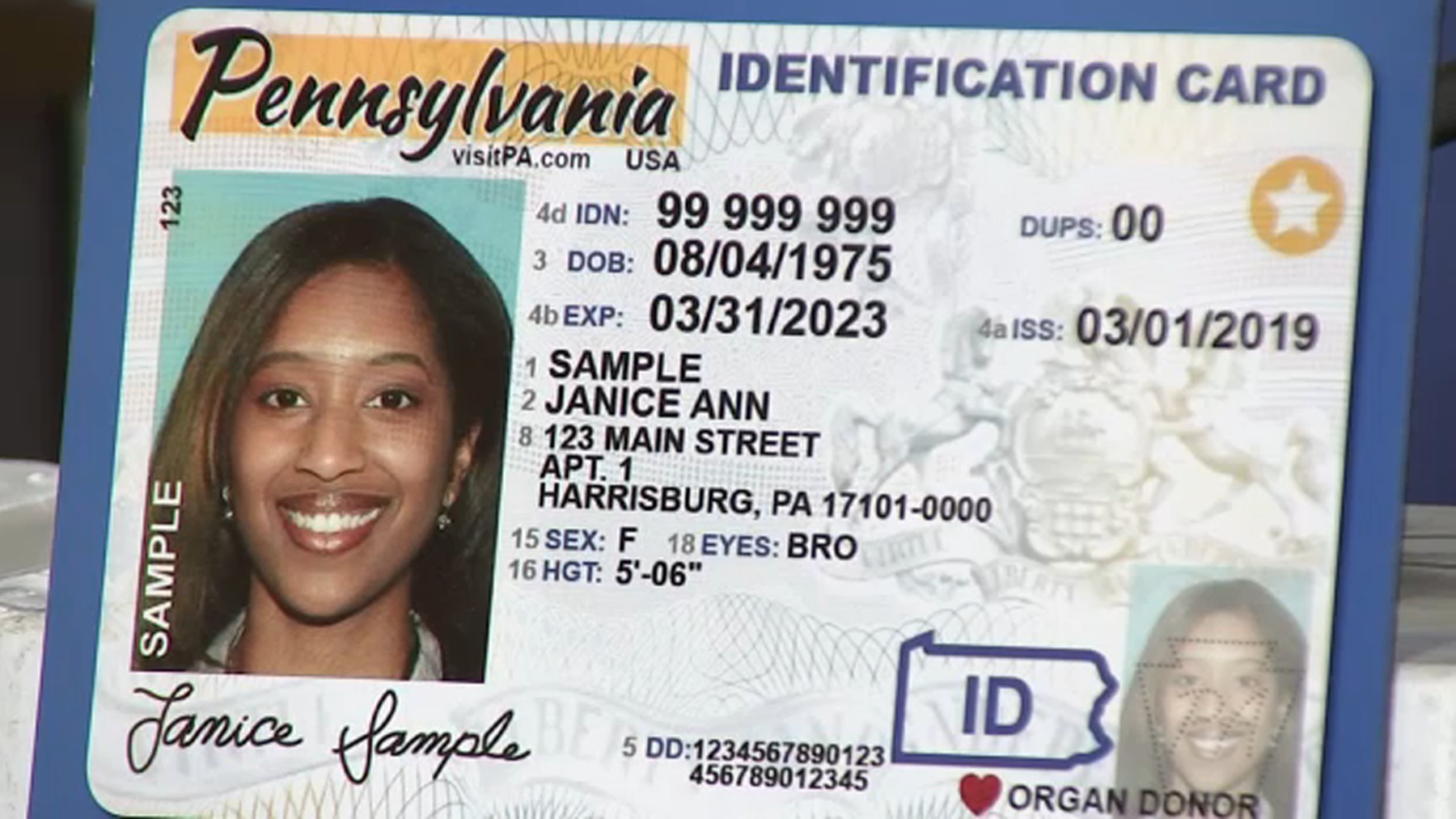
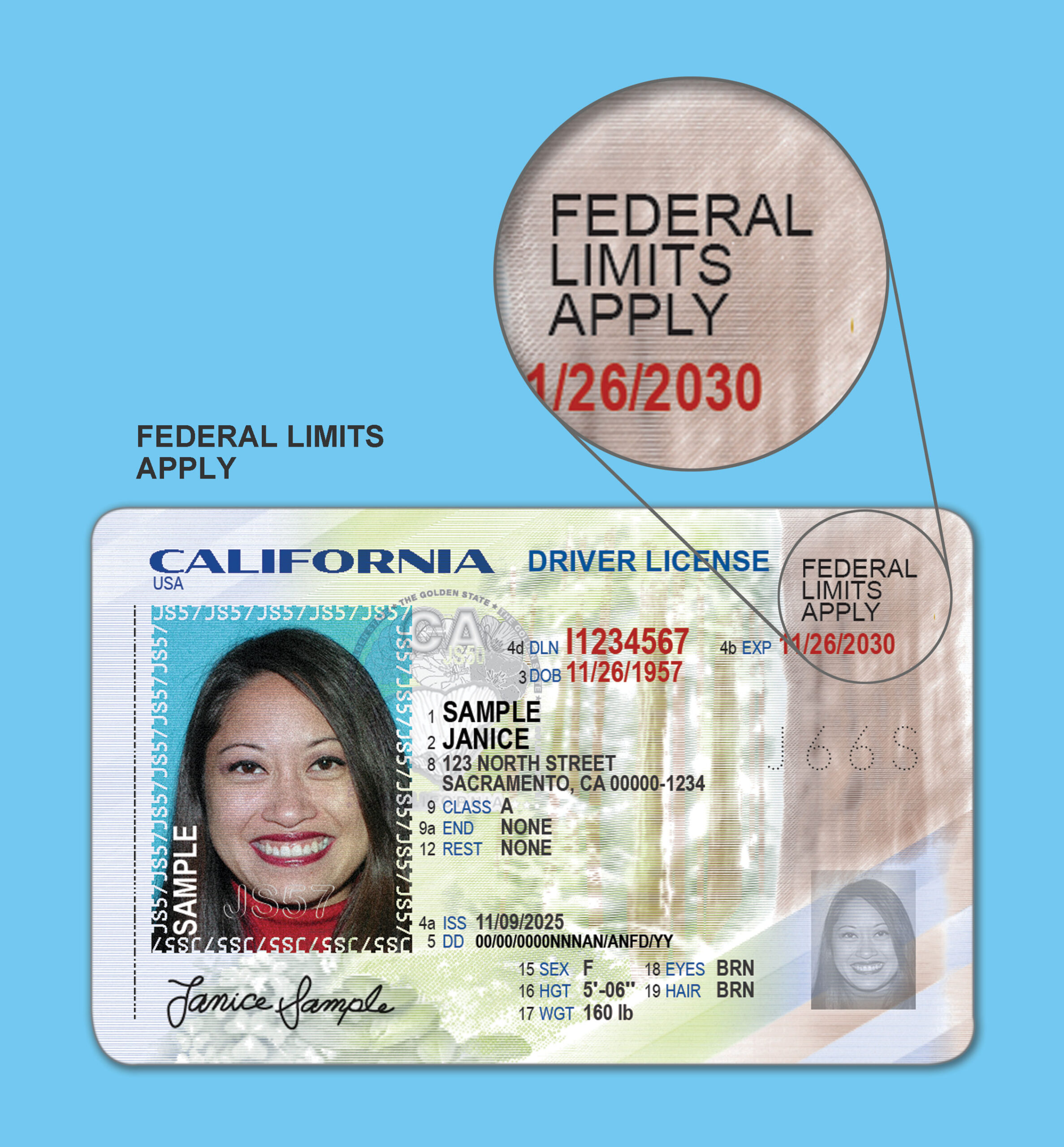
One significant consideration when applying for a driver’s license in recent years has been the implementation of the REAL ID Act. A REAL ID compliant driver’s license features a star symbol and is necessary for boarding federally regulated commercial flights and entering secure federal facilities. If you frequently travel by air within the U.S. or foresee needing access to federal buildings, opting for a REAL ID compliant license is highly advisable. Alternatively, the DMV also offers a federal non-REAL ID driver’s license, which functions identically for driving privileges but cannot be used for federal identification purposes. For those who possess other forms of federally accepted identification, such as a U.S. passport, the standard license might suffice.
The California Identification Card: A Primary Proof of Identity
If you do not drive, or simply prefer not to, the California Identification Card (ID card) is an equally valid and robust form of state-issued identity. It carries the same weight as a driver’s license for proving your identity and age, making it perfect for anyone who needs official documentation without the driving endorsement. Like the driver’s license, the ID card also comes in both REAL ID compliant and federal non-REAL ID versions. The decision between the two depends entirely on your personal lifestyle and travel habits, especially regarding domestic air travel and access to federal facilities. For individuals moving to California for retirement, students, or those who rely on public transportation, an ID card is often the most practical and efficient solution for official identification.
Who is Eligible? Residency and Legal Presence
To be eligible for either a California Driver’s License or an ID card, you must establish both residency in California and legal presence in the United States. Generally, applicants must be at least 16 years old for an ID card, and 18 for an unrestricted driver’s license (though provisional licenses are available for younger drivers). Demonstrating legal presence typically involves providing documentation issued by the U.S. federal government, such as a birth certificate, passport, or immigration documents. California is progressive in this regard, offering ID cards and driver’s licenses to eligible residents regardless of immigration status, though the specific documents required may vary.
Essential Documentation: Proving Who You Are
The key to a smooth application process at the DMV lies in meticulous preparation of your documents. You’ll need to provide several pieces of evidence to verify your identity, residency, and, for many, your Social Security Number (SSN). Each document plays a crucial role in authenticating your application.
Proof of Identity: The Cornerstone
This is arguably the most critical component of your application, as it unequivocally confirms who you are. The DMV requires original documents, not photocopies, to prevent fraud. Acceptable documents include:
- U.S. Birth Certificate: An original or certified copy issued by a U.S. state or territory.
- U.S. Passport or Passport Card: A current and valid document.
- Foreign Passport with a valid U.S. Visa and I-94 Form: For non-U.S. citizens, this combination establishes legal presence.
- Permanent Resident Card (Green Card): Valid for lawful permanent residents.
- Employment Authorization Document (EAD card): Also known as a work permit.
- Certificate of Naturalization or Certificate of Citizenship: For naturalized U.S. citizens.
Ensure the name on your identity document matches exactly the name you intend to use on your California ID. Discrepancies may require additional supporting documents like a marriage certificate or court order for a legal name change.
Proof of Residency: Establishing Your California Roots
To prove you are a resident of California, you generally need to provide two different documents that display your current physical address in the state. These documents should be current and bear your name. Examples include:
- Utility bills (gas, electric, water, trash, cell phone).
- Rental or lease agreements, or mortgage statements.
- Bank or financial institution statements.
- Medical documents.
- Employment documents (e.g., pay stubs with your address).
- School documents (e.g., transcripts, enrollment verification).
- Insurance documents (auto, health, home).
- Tax returns.
The DMV provides a comprehensive list of acceptable residency documents on its website, and it’s always wise to check for the most up-to-date information before your visit.
Proof of Social Security Number (SSN)
Most applicants will need to provide proof of their Social Security Number (SSN). This can be demonstrated with:
- Your Social Security card.
- A W-2 form.
- A pay stub with your name and SSN.
- Any other document issued by the Social Security Administration.
If you are not eligible for an SSN (e.g., certain visa holders), the DMV may have specific procedures or exemptions, which usually involve signing an affidavit. It’s essential to clarify this requirement based on your individual immigration status if you do not possess an SSN.
Additional Documents for REAL ID
If you opt for a REAL ID compliant driver’s license or ID card, you will typically need to provide even more comprehensive documentation. This includes:
- Proof of Identity: (As listed above).
- Proof of Social Security Number: (As listed above).
- Proof of California Residency: Two different documents (as listed above).
- Proof of Legal Presence: This is often covered by your identity document (e.g., U.S. passport or Green Card), but for some foreign-born applicants, additional immigration documents may be required.
Crucially, if the name on your current identity document does not match the name you want on your California ID (e.g., due to marriage or divorce), you must provide original legal name change documents, such as a marriage certificate, divorce decree, or court order. Each name change in your history must be accounted for with a corresponding legal document.
The Application Process: Step-by-Step Navigation
Once you have meticulously gathered all your required documents, the next phase involves navigating the DMV application process itself. Being prepared for each step can significantly reduce stress and wait times.
Preparing for Your DMV Visit
The California Department of Motor Vehicles encourages applicants to start their application online before visiting an office. By filling out the driver’s license or ID card application (DL 44) online, you can save time during your in-person visit. This online application generates a confirmation code that you’ll bring to the DMV.
Scheduling an appointment is perhaps the most vital tip for efficiency. DMV offices can be notoriously busy, but an appointment can drastically cut down on your wait time. You can schedule appointments online through the DMV website, often several weeks in advance. Double-check the list of required documents one last time before you leave to ensure nothing is forgotten.
What to Expect at the DMV Office
Upon arrival at the DMV, whether with an appointment or as a walk-in, you’ll typically take a number and wait to be called. When your number is called, you will:
- Submit your application: Present your online confirmation code or fill out the paper DL 44 form.
- Present all required documents: Hand over your original proofs of identity, residency, and SSN. The DMV representative will review and verify them.
- Provide a thumbprint: For security purposes, a thumbprint is taken.
- Have your photo taken: This photo will appear on your ID card or driver’s license, so dress appropriately if you care about the outcome.
- Complete a vision exam: If applying for a driver’s license, you’ll undergo a simple vision screening.
- Pay the application fee: Fees vary for driver’s licenses and ID cards, and for renewals. The DMV accepts cash, check, money order, debit cards, and credit cards.
After completing these steps, if you’re applying for an original driver’s license, you’ll typically take a written knowledge test. Once all requirements are met and passed, you will be issued a temporary paper ID or driver’s license. This temporary document is valid immediately and allows you to operate a vehicle (if it’s a driver’s license) or use it for identification purposes until your permanent card arrives.
Receiving Your Official Card
The permanent California ID card or driver’s license is mailed to your address on file, typically within 2-4 weeks. It is crucial to ensure the address you provide to the DMV is accurate and secure. If your card does not arrive within the expected timeframe, it is important to contact the DMV promptly to inquire about its status and avoid any complications. Keep your temporary ID safe during this waiting period, as it is your only proof until the official card arrives.
Beyond the Basics: Important Considerations for Your California ID
Obtaining your initial California ID is a significant milestone, but understanding some ongoing aspects can further simplify your lifestyle in the Golden State. These considerations include the long-term implications of your chosen ID type, how to maintain its validity, and specific circumstances for certain applicants.
REAL ID Act: Impact on Travel and Federal Facilities
As previously mentioned, the REAL ID Act has reshaped how state-issued IDs are used for federal purposes. Starting May 7, 2025 (this date is subject to change, so always verify the latest information), a REAL ID compliant card or another federally accepted form of ID (like a U.S. passport) will be required to board domestic flights and access certain federal facilities, such as military bases and federal courthouses. For many, a REAL ID compliant California Driver’s License or ID card will be the most convenient option for everyday travel and identification. If you do not have a REAL ID and lack an alternative federal ID, you could face travel disruptions. This decision point should be carefully weighed based on your personal and professional lifestyle.
Renewals, Replacements, and Updates
Your California ID or driver’s license typically needs to be renewed every five years. The DMV usually sends a renewal notice to your address on file before your card expires, often allowing for online, mail, or in-person renewal.
Should your card be lost, stolen, or damaged, it’s crucial to report it to the DMV immediately and apply for a replacement. This protects you from potential identity theft. Similarly, if you move or legally change your name, updating your information with the DMV is mandatory to ensure your records are accurate and your ID remains valid. An outdated address could cause issues with important mail, including renewal notices.

Special Cases: Minors and Non-Citizens
The application process can have nuances for specific groups. Minors applying for an ID card typically require parental consent and may need to provide proof of school enrollment. For non-U.S. citizens, the documentation proving legal presence varies significantly based on visa type and immigration status. Temporary legal presence, for instance, might result in an ID card or driver’s license with a limited term, expiring concurrently with the individual’s legal stay in the U.S. The DMV website provides detailed guides for these special cases, emphasizing the importance of providing all relevant immigration documents.
Obtaining an official California ID is more than just a bureaucratic task; it’s an essential step towards fully integrating into and enjoying the diverse lifestyle opportunities that the state provides. By meticulously preparing your documents, understanding the application process, and being aware of the ongoing responsibilities associated with your ID, you can ensure a smooth experience and confidently navigate life in California.
LifeOutOfTheBox is a participant in the Amazon Services LLC Associates Program, an affiliate advertising program designed to provide a means for sites to earn advertising fees by advertising and linking to Amazon.com. Amazon, the Amazon logo, AmazonSupply, and the AmazonSupply logo are trademarks of Amazon.com, Inc. or its affiliates. As an Amazon Associate we earn affiliate commissions from qualifying purchases.