
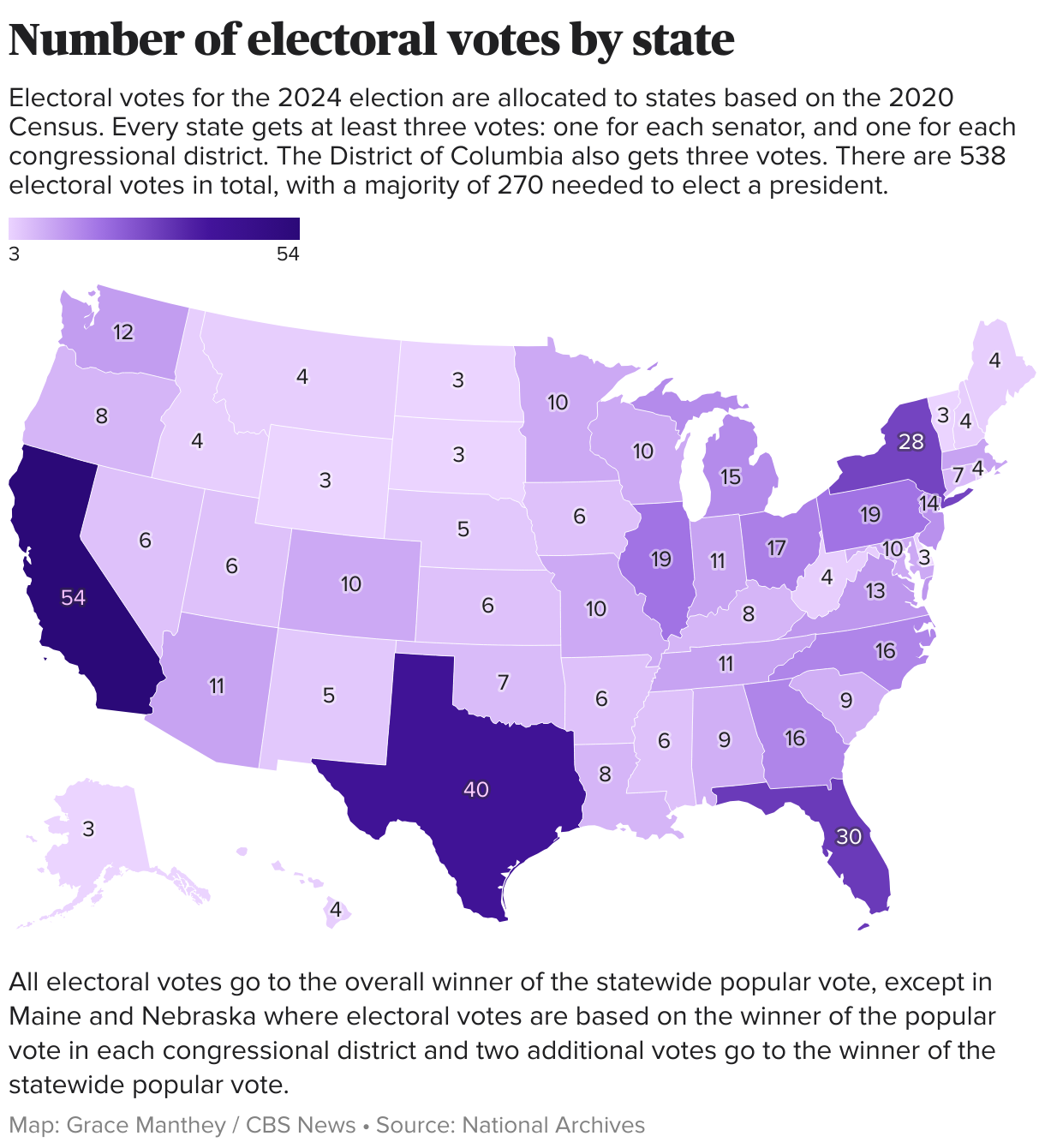
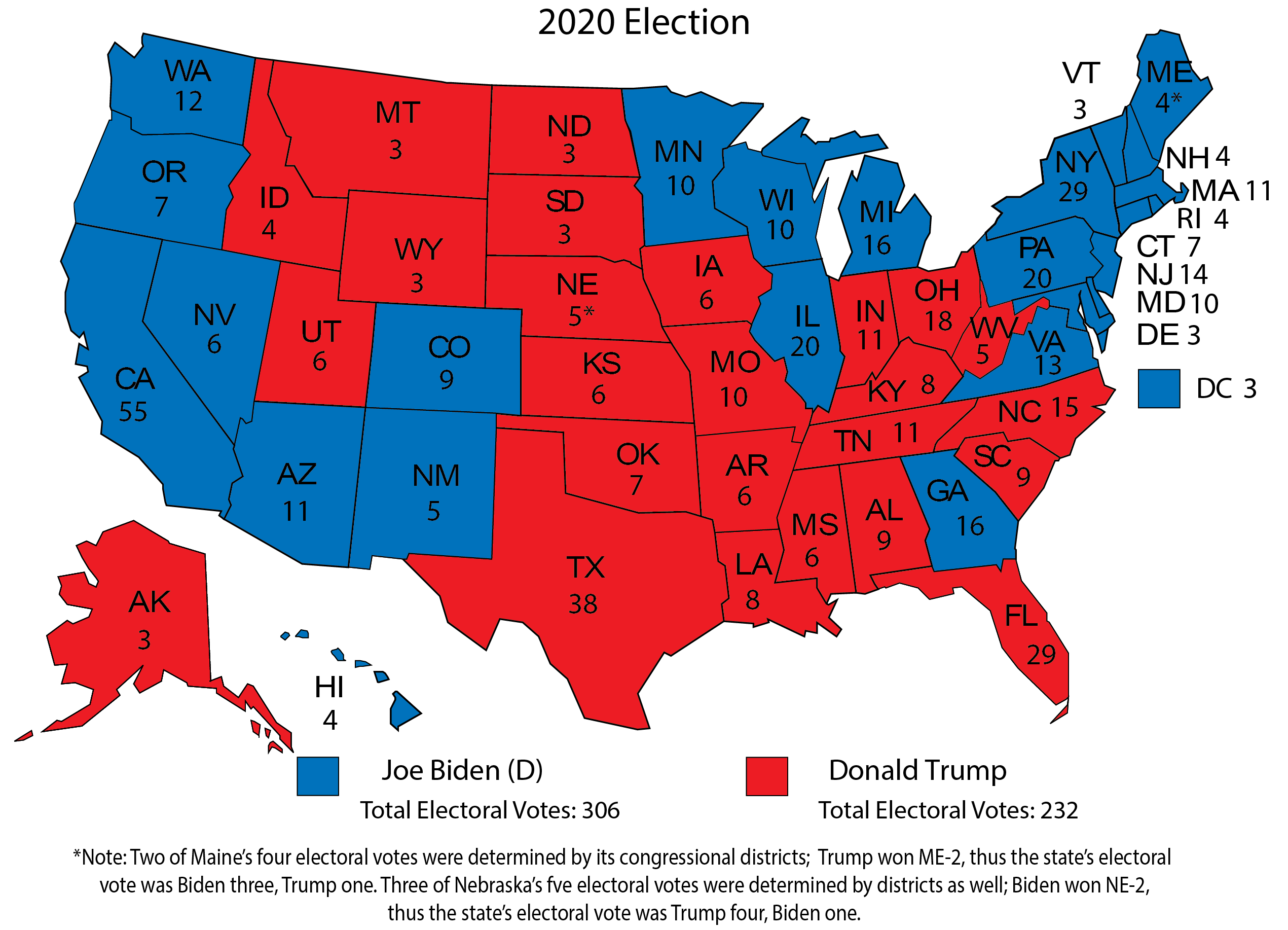
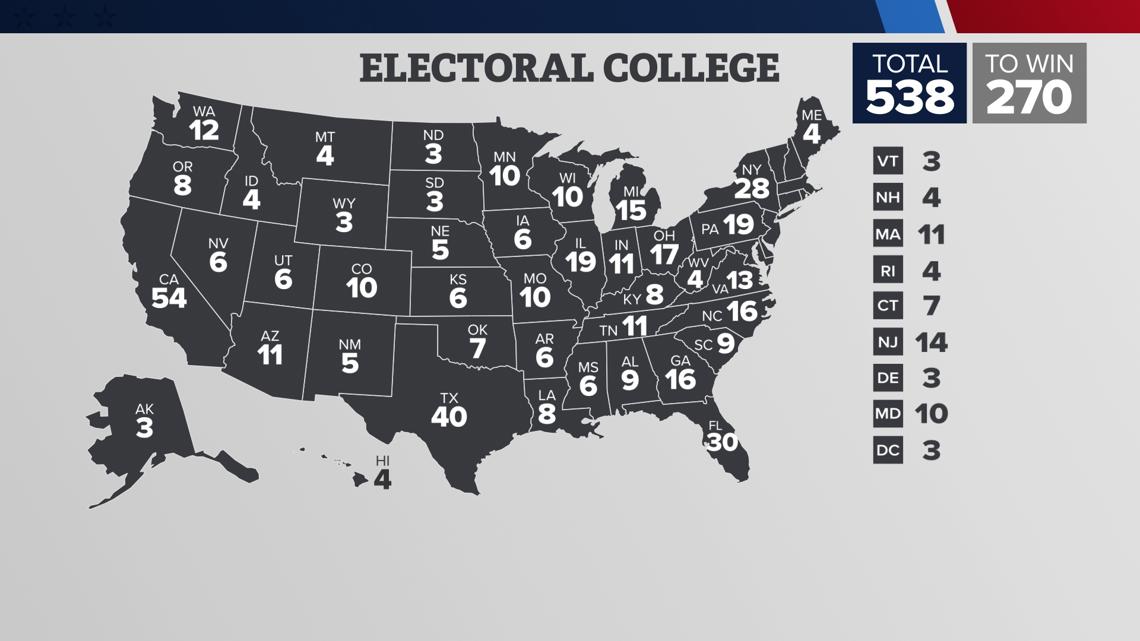
Arizona, a state celebrated for its breathtaking landscapes, vibrant culture, and perpetual sunshine, plays a crucial role in the political landscape of the United States. Beyond its allure as a premier travel destination, its growing population and economic dynamism translate directly into its political influence, particularly concerning the Electoral College. So, how many electors does Arizona have? As of the 2020 Census and for the 2024 and 2028 presidential elections, Arizona is allocated 11 electoral votes.
This number isn’t static; it reflects the state’s significant population growth over the past decades, driven by its appealing lifestyle, robust job market, and world-class tourism infrastructure. For travelers exploring the wonders of the Grand Canyon, seeking spiritual retreats in Sedona, or enjoying the urban sophistication of Phoenix and Scottsdale, it might seem like a distant political detail. However, the very factors that draw millions of visitors and new residents to Arizona each year are intrinsically linked to its evolving demographic profile and, consequently, its expanding political voice on the national stage. Understanding the allocation of electoral votes provides a fascinating lens through which to appreciate the interconnectedness of population shifts, economic vitality, and political representation, all of which are deeply influenced by the state’s attractiveness as a place to live, work, and visit.
The Electoral College and Arizona’s Growing Voice
The Electoral College is the mechanism by which the President and Vice President of the United States are elected. Rather than a direct popular vote, citizens vote for a slate of electors who are pledged to a particular candidate. The total number of electors is 538, with a majority of 270 required to win the presidency. Each state is allocated a number of electoral votes equal to its total number of representatives in Congress – that is, its two senators plus its number of representatives in the House of Representatives, which is determined by population. The District of Columbia (Washington D.C.) is granted three electoral votes.
The number of representatives for each state in the House of Representatives, and thus its share of electoral votes, is reapportioned every ten years following the national census. This decennial count captures population shifts across the country, rewarding states with significant growth with additional representation and, conversely, reducing the representation of states experiencing population decline or slower growth.
For Arizona, this process has consistently led to an increase in its electoral power. In 1952, Arizona had just 4 electoral votes. By 1964, it had risen to 5, then to 6 in 1972, 7 in 1984, and 8 in 1992. The 2000 Census saw it increase to 10, and most recently, the 2020 Census brought its total to 11 electoral votes. This steady ascent is a direct testament to Arizona’s remarkable and sustained population boom, transforming it into a pivotal swing state in presidential elections. Candidates and political parties now dedicate significant resources and campaign efforts to Arizona, recognizing that its 11 electoral votes can be a decisive factor in the national outcome. The state’s growth isn’t just a political talking point; it’s a reflection of its appeal as a dynamic hub for diverse communities and industries, from retirees seeking a warm climate to tech professionals looking for innovation, and families drawn to its quality of life. The increasing number of electoral votes underscores Arizona’s growing influence not only in national elections but also in shaping national policies and priorities.
Arizona’s Allure: A Magnet for Growth and Influence
Arizona’s consistent population growth, which directly fuels its increasing number of electoral votes, is no accident. It’s a testament to the state’s incredible appeal as a destination for travel, tourism, and ultimately, permanent residency. The convergence of stunning natural beauty, a vibrant cultural scene, and a favorable economic climate has transformed Arizona into a modern-day oasis, attracting people from all walks of life. From the rugged wilderness of the Sonoran Desert to the cosmopolitan centers of its major cities, the state offers a quality of life and an array of experiences that are truly unique. This magnetism directly correlates with the demographics that shape its political weight.
Iconic Destinations Driving Tourism and Relocation
Arizona’s reputation as a world-class travel destination is built upon its iconic landmarks and diverse attractions. These sites not only draw millions of tourists annually but often serve as initial points of contact that inspire visitors to consider a move to the state.
At the pinnacle of natural wonders, the Grand Canyon remains an unparalleled marvel. Its vastness and breathtaking geology, carved by the Colorado River, draw adventurers and sightseers from across the globe. Staying at lodges within the Grand Canyon National Park or nearby Flagstaff offers an immersive experience into one of earth’s most spectacular formations.
Further south, Sedona captivates with its spiritual vortexes, vibrant arts scene, and the stunning backdrop of towering Red Rock State Park formations. Travelers flock to Sedona for hiking, mountain biking, spiritual retreats, and world-class spas, often arriving via Sedona Airport for panoramic views. The town’s unique blend of natural beauty and New Age culture creates a powerful draw that extends beyond a mere vacation.
The state’s capital, Phoenix, along with its upscale neighbor Scottsdale, forms a sprawling urban oasis known for its luxury resorts, golf courses, and vibrant dining scene. Attractions like the Desert Botanical Garden and Frank Lloyd Wright’s Taliesin West offer cultural richness, while the lively Old Town Scottsdale provides entertainment and shopping. These cities offer a high quality of life with abundant sunshine, making them prime destinations for both short-term visits and long-term relocation.
Tucson, home to the University of Arizona and nestled within the Sonoran Desert, offers a distinct blend of Native American, Mexican, and Old West heritage. Surrounded by five mountain ranges, including Mount Lemmon, and bordering the unique Saguaro National Park, Tucson is a haven for outdoor enthusiasts and those seeking a rich cultural experience. Its unique culinary scene, designated as a UNESCO City of Gastronomy, is another powerful draw.
Beyond these major hubs, Arizona boasts other captivating locations. Monument Valley, located within the Navajo Nation, presents iconic sandstone buttes that define the American West. The historical town of Prescott offers a cooler climate and a charming downtown, while Jerome, a former copper mining town, now clings to a hillside as a vibrant artist community. The remnants of Route 66 offer a nostalgic journey, and engineering marvels like the Hoover Dam and the vast expanse of Lake Mead attract visitors to the state’s northwestern edge. Other natural wonders include Canyon de Chelly National Monument, Petrified Forest National Park, and Kartchner Caverns State Park, showcasing the state’s incredible geological diversity. Each of these destinations contributes to a powerful image of Arizona as a place of adventure, beauty, and opportunity, enticing both temporary visitors and future residents.
Diverse Accommodation Options for Every Traveler and Resident
The booming tourism sector and the influx of new residents have spurred a sophisticated and varied accommodation landscape across Arizona. Whether seeking a luxurious escape, a budget-friendly stay, or a long-term living arrangement, the state offers options to suit every preference and lifestyle.
Luxury resorts are a hallmark of Arizona’s hospitality, particularly in areas like Scottsdale and Tucson. Establishments like the Four Seasons Resort Scottsdale at Troon North, The Ritz-Carlton, Dove Mountain in Tucson, Enchantment Resort in Sedona, JW Marriott Scottsdale Camelback Inn Resort & Spa, Omni Scottsdale Resort & Spa at Montelucia, and Sanctuary Camelback Mountain, A Gurney’s Resort & Spa offer world-class amenities, stunning desert views, and unparalleled service, often incorporating local architecture and culture into their design. These resorts not only cater to high-end tourists but also host conferences and events that bring in business travelers, further stimulating the local economy and promoting the state.
Beyond five-star luxury, Arizona provides a broad spectrum of lodging. Boutique hotels in historic districts, charming bed and breakfasts in mountain towns, and family-friendly hotels near attractions like the Grand Canyon ensure that all types of travelers can find suitable options. For those seeking more independence or longer stays, vacation rentals – ranging from cozy cabins to expansive villas – are widely available, especially in popular tourist hubs.
The accommodation sector also plays a vital role in supporting new residents. The availability of apartments, townhouses, and single-family homes, along with a robust market for long-term rentals, makes the transition to living in Arizona more accessible. The choices cater to a diverse demographic, from young professionals moving to Phoenix’s growing tech sector to retirees seeking a serene desert community. This comprehensive range of accommodation options, from opulent resorts to practical long-term rentals, not only sustains the tourism industry but also facilitates the continuous flow of people who choose to make Arizona their home, directly contributing to its rising electoral count.
Lifestyle Choices: From Desert Adventures to Urban Sophistication
Arizona’s appeal is deeply rooted in the diverse lifestyle options it presents, catering to a wide array of preferences and life stages. This variety is a key driver of the state’s population growth and, by extension, its electoral influence.
For outdoor enthusiasts, Arizona is an unparalleled playground. The vast expanse of the Sonoran Desert offers endless opportunities for hiking, mountain biking, rock climbing, and equestrian activities. Golf courses, many designed by legends of the sport, dot the landscape, offering challenging play against a backdrop of stunning desert vistas. The mild winters in the southern part of the state are a magnet for those seeking to escape colder climates, allowing for year-round outdoor pursuits. From exploring ancient cliff dwellings in the Navajo Nation and Hopi Tribe territories to white-water rafting on the Colorado River, the state truly offers an adventurous lifestyle.
Culturally, Arizona boasts a rich tapestry woven from its Native American heritage, Old West history, and proximity to Mexico. Museums, art galleries, and cultural festivals celebrate this unique blend, offering residents and visitors alike a deep dive into the region’s past and present. The vibrant arts scenes in Sedona, Tucson, and Scottsdale provide year-round entertainment and intellectual stimulation.
The urban centers of Phoenix and Scottsdale offer a sophisticated lifestyle with high-end shopping, gourmet dining, and a thriving nightlife. These cities are also growing economic hubs, attracting professionals in technology, healthcare, and finance, contributing to a youthful and dynamic demographic shift. For those seeking a slower pace, numerous master-planned communities cater to retirees, offering active adult lifestyles with a focus on recreation, community, and wellness in a sunny environment. This segment of the population, often highly engaged in civic life, contributes significantly to the state’s stable residential base.
Whether one seeks the thrill of a desert adventure, the serenity of a spa retreat, the intellectual stimulation of cultural exploration, or the convenience of urban living, Arizona provides a lifestyle to match. This broad appeal ensures a continuous stream of new residents, cementing the state’s demographic expansion and solidifying its increasing number of electoral votes. The interplay between these diverse lifestyle options and the ongoing population growth is a powerful engine for Arizona’s evolving political landscape.
The Economic Impact of Travel and Tourism on Arizona’s Demographics
The robust travel and tourism industry in Arizona is not merely a source of enjoyment for visitors; it is a powerful economic engine that directly influences the state’s demographics and, by extension, its electoral representation. The constant influx of tourists creates a vast ecosystem of jobs, from hospitality and culinary services to transportation, retail, and entertainment. This job creation draws workers from both within the state and from other regions of the United States and beyond, contributing to population growth.
Tourism revenue also fills state and local coffers through sales taxes, bed taxes, and other levies. This funding supports public services, infrastructure development, and amenities that enhance the quality of life for residents, making the state even more attractive for permanent relocation. Improved roads, parks, schools, and cultural institutions, often indirectly funded by the tourism sector, further incentivize individuals and families to choose Arizona as their home.
Moreover, the exposure that millions of visitors gain to Arizona’s unique lifestyle and opportunities often translates into permanent moves. A vacation exploring the Grand Canyon or a stay at a luxury resort in Scottsdale can plant the seed for retirement plans, job relocations, or investment opportunities. This “tourism-to-residency” pipeline is a critical factor in Arizona’s sustained population increase. The state is not just a place to visit; it’s a place people fall in love with and decide to stay.
The demographic shifts driven by this economic activity have profound implications for Arizona’s political future. A larger, more diverse population base means more federal funding for various programs, increased influence in national policy discussions, and, crucially, a greater number of electoral votes in presidential elections. As long as Arizona continues to attract visitors and new residents with its blend of natural beauty, economic opportunity, and appealing lifestyle, its political weight on the national stage, and its electoral count, are likely to continue their upward trajectory. This economic vitality, fueled by its travel and tourism appeal, is a fundamental driver of its growing demographic and political significance, especially when contrasted with neighboring states like California which saw a decrease in electors or states like Nevada, Utah, Colorado, and New Mexico which maintained or gained fewer electors.
In conclusion, Arizona’s 11 electoral votes are more than just a number; they are a direct reflection of a vibrant, growing state that continually draws people in with its unique blend of breathtaking landscapes, diverse cultural experiences, sophisticated accommodation options, and desirable lifestyle choices. The intertwined narratives of tourism, population growth, and political influence create a compelling story of a state whose allure reaches far beyond its borders, shaping not only its own future but also the political destiny of the United States. From the majestic Grand Canyon to the bustling streets of Phoenix, every aspect of Arizona contributes to its rising prominence and growing voice in the national conversation.
LifeOutOfTheBox is a participant in the Amazon Services LLC Associates Program, an affiliate advertising program designed to provide a means for sites to earn advertising fees by advertising and linking to Amazon.com. Amazon, the Amazon logo, AmazonSupply, and the AmazonSupply logo are trademarks of Amazon.com, Inc. or its affiliates. As an Amazon Associate we earn affiliate commissions from qualifying purchases.