
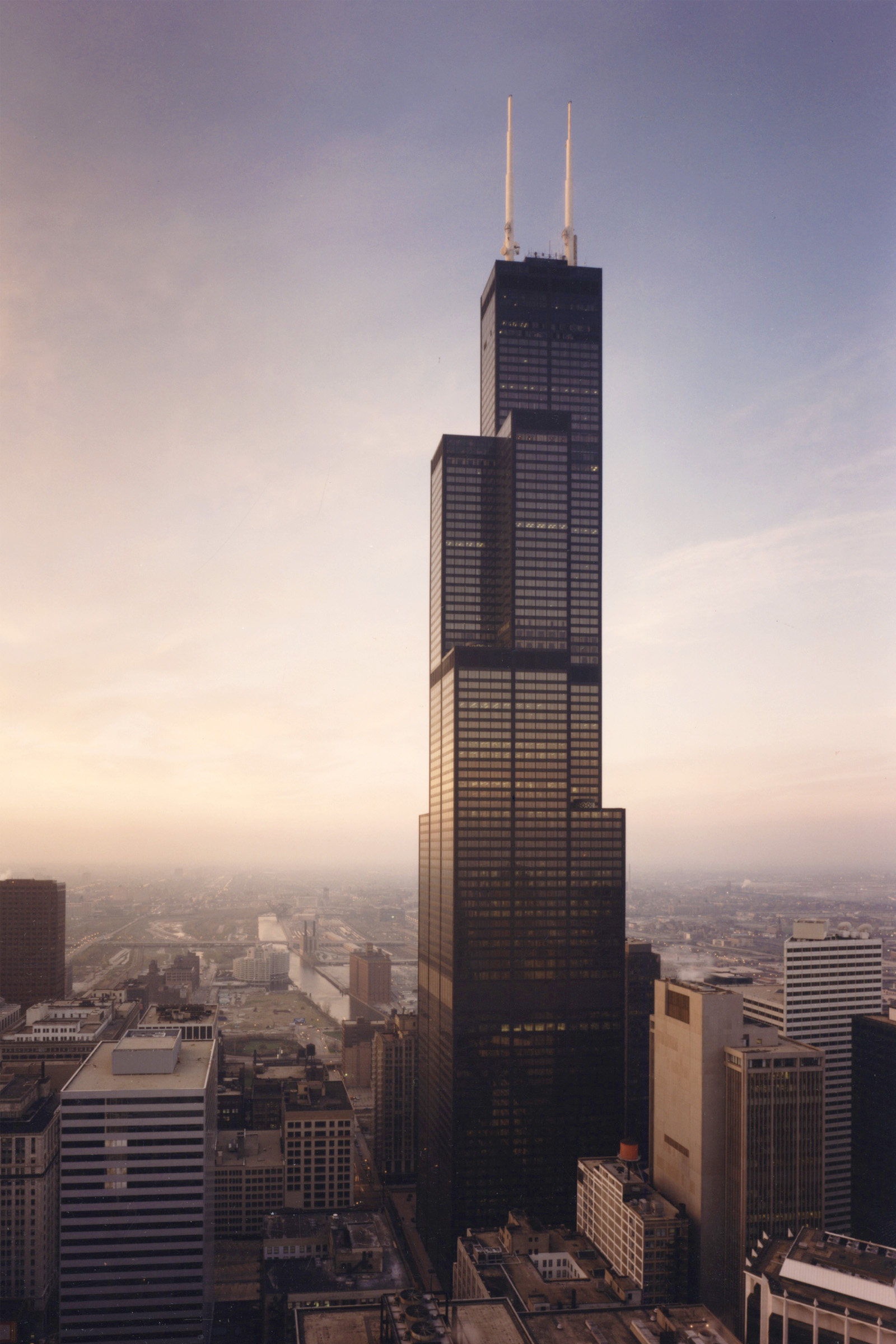
The majestic structure dominating the Chicago skyline, universally recognized first as the Sears Tower and now as the Willis Tower, is an undisputed icon of American architecture and engineering prowess. For decades, its sheer height and distinctive silhouette have captivated onlookers and inspired awe, making it a pivotal landmark for anyone visiting the Windy City. A frequent question posed by curious travelers and architectural enthusiasts alike revolves around its impressive scale: how many floors does this colossal building actually have? The answer is a striking 108 floors, making it one of the tallest buildings in the Western Hemisphere and a testament to human innovation.
Beyond a simple number, these 108 floors encapsulate a rich history, groundbreaking design, and a vibrant hub of activity, from bustling offices to one of the most exhilarating observation decks in the world. As a premier destination for travel and tourism, understanding the depth and breadth of the Willis Tower’s vertical expanse is key to appreciating its enduring legacy and planning an unforgettable Chicago experience. This article delves into the architectural marvel, the unforgettable visitor experience, and how this towering landmark fits seamlessly into a comprehensive Chicago itinerary, touching upon everything from nearby attractions to ideal accommodation options.
The Architectural Marvel: A Towering Legacy
The Willis Tower stands not just as a building, but as a monument to ambition and engineering brilliance. Its 108 floors are a canvas for a story that begins in the bustling mid-20th century, culminating in a structure that reshaped urban skylines and set new standards for skyscraper construction. Its journey from conception to a globally recognized landmark is a compelling narrative of innovation and transformation.
From Sears Tower to Willis Tower: A Name Change and Enduring Icon
The story of Chicago’s iconic skyscraper began in the late 1960s when Sears, Roebuck and Company, then the world’s largest retailer, found its numerous employees spread across various offices in Chicago. The need for a consolidated corporate headquarters was paramount, leading to the ambitious decision to construct a single, massive office tower. The vision was grand, and the result was the Sears Tower, completed in 1973.
Designed by the architectural firm Skidmore, Owings & Merrill, with lead architect Bruce Graham and structural engineer Fazlur Rahman Khan at the helm, the building was revolutionary. Upon its completion, the Sears Tower soared to an unprecedented height of 1,450 feet (442 meters) to its roof, and 1,729 feet (527 meters) to the tip of its antennas, claiming the title of the world’s tallest building—a distinction it held for nearly 25 years. This record-breaking achievement not only cemented Chicago’s reputation as an architectural innovator but also made the Sears Tower an instant global landmark. Its 108 floors, while impressive, were just one facet of its overall grandeur.
The building continued to thrive under its original name until 2009, when Willis Group Holdings, a global insurance broker, secured the naming rights as part of its lease agreement. The controversial name change to Willis Tower sparked considerable debate, especially among longtime Chicagoans who held a deep affection for the original moniker. Despite the official renaming, many locals and visitors affectionately continue to refer to it as the Sears Tower, a testament to its powerful initial identity. Regardless of its name, the tower’s iconic status and its fundamental role in defining the Chicago skyline remain undiminished. Its historical significance and architectural prowess continue to draw millions, making it a centerpiece for urban exploration and a key component of Chicago’s rich tourism landscape.
The Structure and Design: A Bundle Tube System
The innovation behind the Willis Tower’s immense height and structural integrity lies in its groundbreaking “bundle tube” design. This ingenious concept, largely credited to Fazlur Rahman Khan, revolutionized skyscraper construction. Instead of a single, solid column, the tower is essentially composed of nine square steel-framed tubes, each functioning as a separate building. These nine tubes rise from a square base, forming a 3×3 array. At certain points, some of these tubes terminate, creating the tower’s distinctive stepped-back silhouette, which tapers as it ascends.
Specifically, two tubes drop off at the 50th floor, another two at the 66th floor, and a further three at the 90th floor. Only two tubes continue all the way to the 108th floor. This bundle tube system provides exceptional resistance to wind loads, which are a major concern for supertall buildings, especially in a city known as “The Windy City.” It allows the building to sway minimally, enhancing comfort for occupants and ensuring structural stability. The design also created highly efficient floor plates, maximizing usable office space.
To facilitate vertical movement across its 108 floors, the Willis Tower boasts an intricate system of 104 elevators, including 16 double-deck elevators, some of which are among the fastest in the world. These high-speed elevators can transport visitors to the 103rd-floor Skydeck in approximately 60 seconds, an experience in itself that hints at the immense scale of the structure. The combination of its innovative design, sheer height, and the functional efficiency of its internal systems makes the Willis Tower a prime example of modernist architecture and a enduring marvel of engineering that continues to inspire. Its presence firmly establishes Chicago as a global leader in architectural innovation, making it an essential visit for anyone interested in the built environment.
Ascending the Icon: The Visitor Experience
While the 108 floors of the Willis Tower primarily serve as commercial office space, a significant portion is dedicated to offering an unparalleled visitor experience. For tourists, ascending this iconic structure is not just about reaching a high floor; it’s about engaging with Chicago’s history, engineering feats, and breathtaking panoramas. The visitor journey combines education with exhilaration, making it a highlight of any Chicago travel itinerary.
The Skydeck Chicago: A Must-Visit Attraction
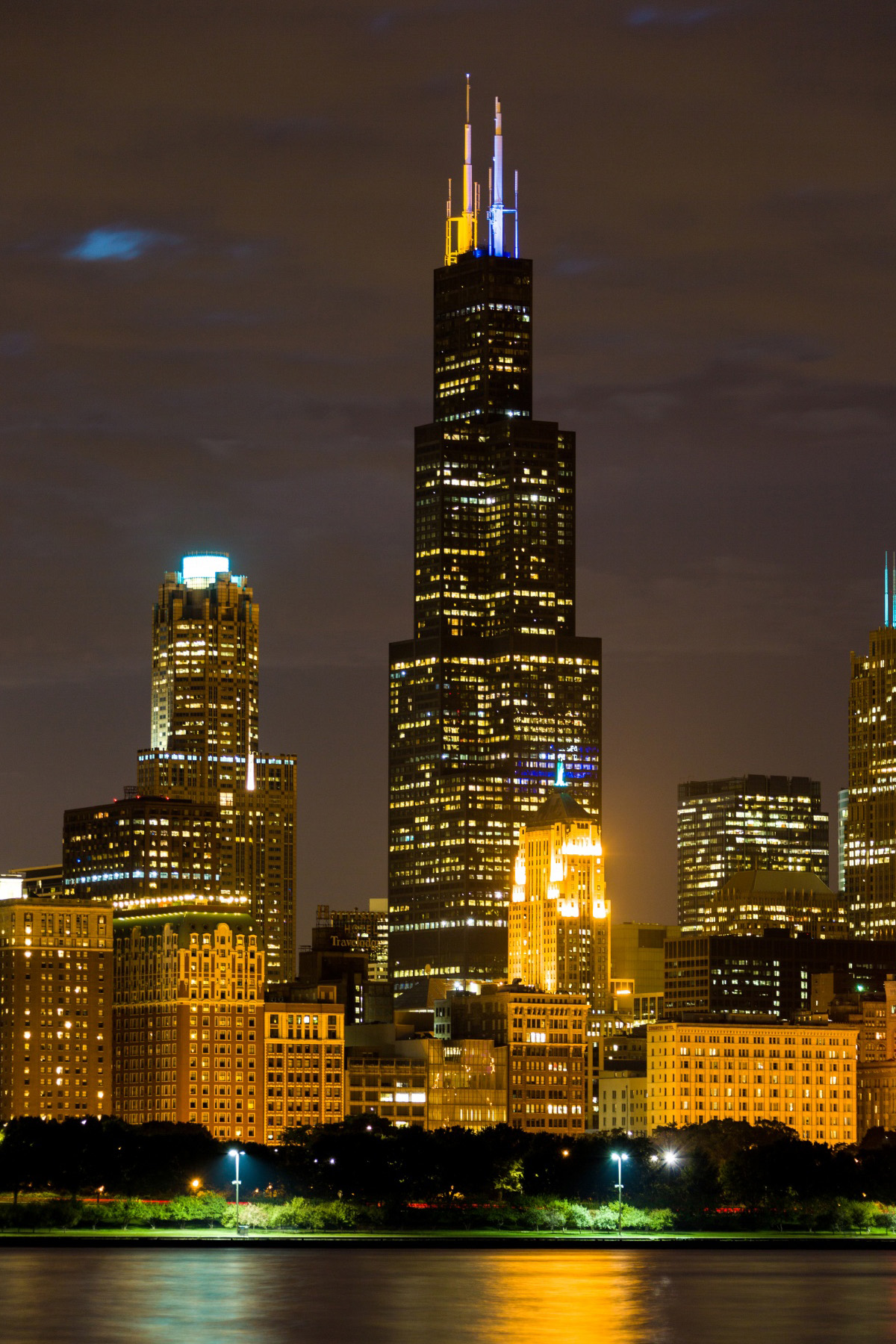
The crown jewel of the Willis Tower’s public offerings is the Skydeck Chicago, located on the 103rd floor. Situated 1,353 feet (412 meters) above the streets of Chicago, the Skydeck provides truly magnificent 360-degree views that stretch for up to 50 miles on a clear day. From this vantage point, visitors can feast their eyes on the vast urban tapestry of Chicago, encompassing its grid-patterned streets, the shimmering expanse of Lake Michigan, and the iconic landmarks that dot the city below. On exceptionally clear days, the views can extend to four different states: Illinois, Indiana, Michigan, and Wisconsin.
The ultimate thrill for most Skydeck visitors, however, comes with stepping out onto “The Ledge.” These are four glass-bottomed boxes that extend 4.3 feet (1.3 meters) out from the main building, offering an unobstructed view straight down to the city streets below. Standing on The Ledge is an exhilarating experience, simultaneously terrifying and awe-inspiring, providing unique photo opportunities that are unlike any other. It’s a moment that combines the thrill of height with the marvel of modern engineering, leaving a lasting impression. Due to its immense popularity, especially during peak tourism seasons, it is highly recommended to book Skydeck Chicago tickets in advance. This ensures a smoother experience and reduces waiting times, allowing more time to enjoy the views and reflect on the sheer scale of the 108-floor structure you’ve just ascended.
Beyond the View: Immersive Exhibits and Learning
The journey to the Skydeck on the 103rd floor is more than just an elevator ride; it’s an immersive experience designed to educate and entertain. Before even reaching the high-speed elevators, visitors walk through a series of interactive exhibits on the ground floor. These exhibits delve deep into the rich history of the Willis Tower and its predecessor, the Sears Tower, tracing its evolution from a visionary concept to a global landmark.
The displays showcase fascinating details about Chicago’s history, its architectural heritage, and the cultural significance of the tower itself. Visitors can learn about the innovative construction techniques, the challenges faced during its building, and the people behind its design, including Bruce Graham and Fazlur Rahman Khan. Interactive elements provide insights into the tower’s remarkable statistics, its impact on the city, and even some fun facts about what it takes to maintain such a colossal structure. These educational components beautifully complement the panoramic views, providing context and depth to the experience. They transform a simple visit into a comprehensive understanding of one of the world’s most impressive skyscrapers, aligning perfectly with the interests of those exploring landmarks and local culture as part of their tourism pursuits. It’s a testament to how modern attractions blend entertainment with valuable historical and engineering insights, enriching the overall travel experience.
Chicago’s Vertical Charm: Integrating the Willis Tower into Your Travel Itinerary
The Willis Tower, with its imposing 108 floors and iconic status, serves as a natural anchor for any comprehensive Chicago travel plan. Its central location and the incredible views it offers make it an ideal starting point or a magnificent culmination for exploring the city’s vibrant urban landscape. Integrating a visit to this landmark into a broader itinerary allows travelers to seamlessly transition from aerial perspectives to ground-level explorations of Chicago’s rich cultural tapestry.
Exploring the Loop and Beyond: Nearby Attractions
The Willis Tower is strategically situated in the heart of Chicago’s historic Loop district, a vibrant hub of business, culture, and entertainment. This prime location means that visitors to the Skydeck Chicago are just a short walk or quick public transit ride away from a plethora of other world-class attractions. This makes planning a day or even several days of sightseeing incredibly efficient and rewarding.
A must-visit nearby is Millennium Park, an award-winning green space famous for its public art installations, particularly Cloud Gate, affectionately known as “The Bean.” This iconic reflective sculpture offers fantastic photo opportunities and reflects the Chicago skyline, including the Willis Tower itself, in mesmerizing ways. Adjacent to Millennium Park is The Art Institute of Chicago, one of the oldest and largest art museums in the United States, housing an extraordinary collection spanning centuries and continents.
For those interested in Chicago’s unique architecture, a stroll along the Chicago Riverwalk provides stunning views of diverse buildings and offers boat tours that delve into the city’s architectural history. A slightly longer walk or short ride will take visitors to the famed Magnificent Mile on Michigan Avenue, a premier destination for shopping, dining, and luxury hotels. This district offers everything from high-end boutiques to flagship stores, interspersed with charming cafes and restaurants. Exploring these areas after experiencing the grandeur of the Willis Tower provides a comprehensive view of Chicago’s dynamic urban environment, making the city a complete travel destination that caters to diverse interests.

Accommodation and Lifestyle: Staying in the Heart of Chicago
Planning your visit to Chicago extends beyond selecting attractions; it also involves choosing the right accommodation to suit your lifestyle and budget. Given the Willis Tower’s central location, there’s a vast array of hotels and lodging options available within easy reach, catering to every kind of traveler.
For those seeking a luxurious experience, high-end resorts and boutique hotels abound in the Loop itself, as well as in the nearby River North and Magnificent Mile districts. These establishments often boast opulent suites, world-class amenities like spas and fine dining restaurants, providing an exquisite base for exploring the city. Imagine enjoying a gourmet breakfast with views of the Chicago skyline or relaxing in a lavish room after a day of sightseeing.
Families or groups might prefer apartments or suites that offer more space and self-catering facilities, providing a comfortable and cost-effective solution for longer stays. Many reputable hotel chains also have strong presences in the Loop and surrounding areas, offering reliable services and various price points. For budget-conscious travelers, there are numerous excellent value hotels and hostels, particularly a bit further out from the immediate city center, but still well-connected by Chicago’s efficient public transport system.
Beyond just a place to sleep, your choice of accommodation can significantly enhance your overall lifestyle travel experience in Chicago. Many hotels offer unique experiences, from rooftop bars with spectacular city views to curated art collections. Access to diverse culinary experiences, from deep-dish pizza joints to Michelin-starred restaurants, is also a key part of the Chicago lifestyle. Whether your trip is a luxury travel escapade, a family vacation, or a business stay, finding the right hotel near the Willis Tower not only simplifies logistics but also enriches your immersion into the vibrant pulse of Chicago. Utilizing hotel booking and review sites on platforms like ours can help compare options and find the perfect fit for your specific travel needs and lifestyle.
In conclusion, the Willis Tower, with its impressive 108 floors, stands as a symbol of Chicago’s architectural ambition and its enduring spirit of innovation. From its groundbreaking design as the Sears Tower to its current status as the Willis Tower and home to the thrilling Skydeck Chicago, it offers a multifaceted experience for every visitor. Whether you’re marveling at its engineering from the ground, enjoying the breathtaking panoramas from The Ledge, or simply using it as a reference point for navigating the vibrant Loop district, this iconic skyscraper is an essential part of any Chicago travel adventure. It’s not just a building; it’s a landmark that embodies the heart and soul of one of America’s greatest cities, promising memories that reach as high as its uppermost floors.
LifeOutOfTheBox is a participant in the Amazon Services LLC Associates Program, an affiliate advertising program designed to provide a means for sites to earn advertising fees by advertising and linking to Amazon.com. Amazon, the Amazon logo, AmazonSupply, and the AmazonSupply logo are trademarks of Amazon.com, Inc. or its affiliates. As an Amazon Associate we earn affiliate commissions from qualifying purchases.