
Dreaming of saying “I do” with the gentle rhythm of the Pacific Ocean as your soundtrack, the warm Hawaiian sun on your skin, and lush tropical foliage as your backdrop? The Aloha State beckons with its unparalleled natural beauty, vibrant culture, and romantic ambiance, making it a premier destination for unforgettable weddings. Whether you envision an intimate ceremony on a secluded beach or a lavish affair at a luxurious resort, Hawaii offers a magical setting for your special day. Navigating the legalities and logistics might seem daunting, but with a little planning, your Hawaiian wedding can be as seamless as it is spectacular.
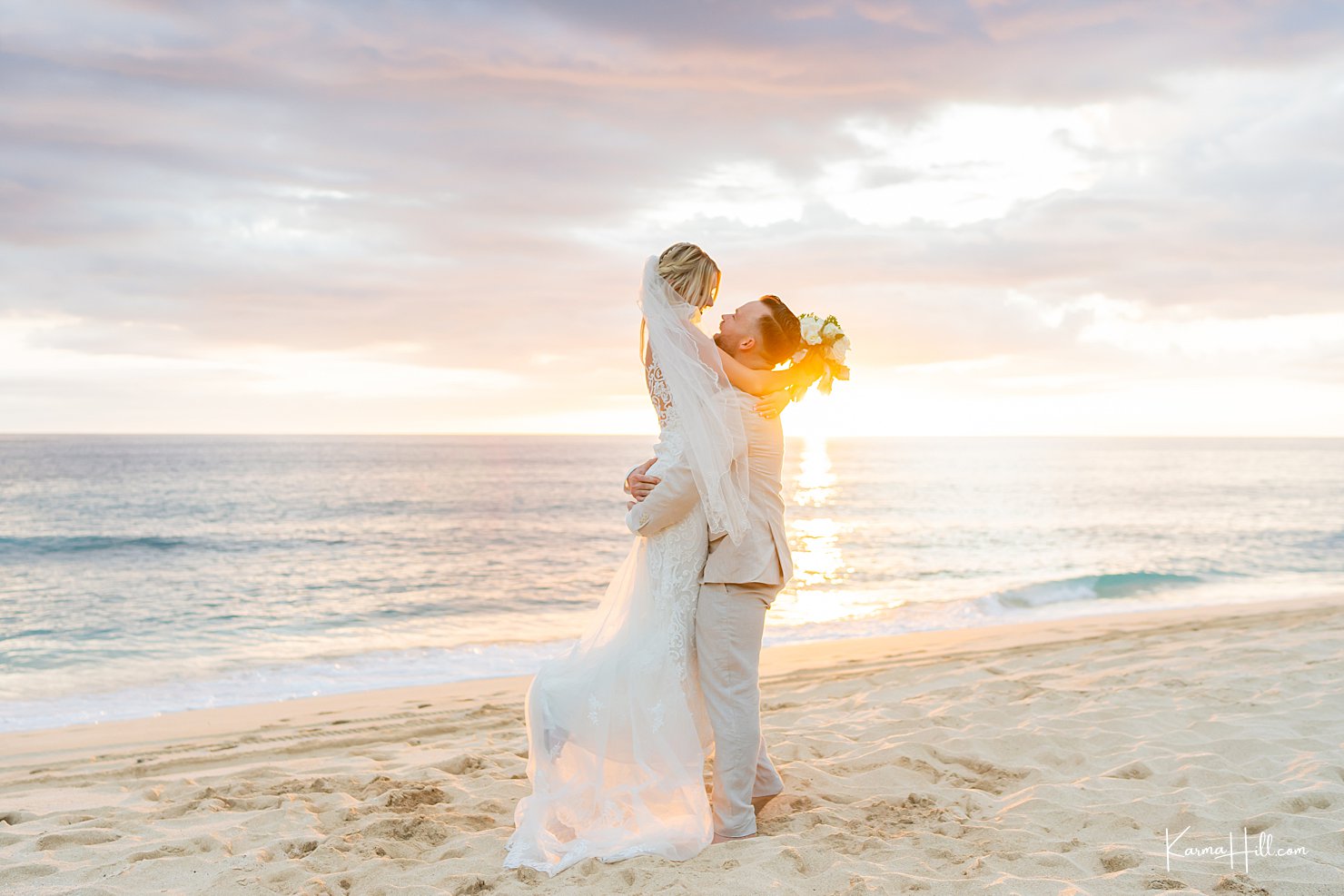
This comprehensive guide will walk you through everything you need to know to orchestrate your dream wedding in Hawaii, from the essential legal requirements to choosing the perfect venue and embracing the local charm.
I. The Legalities of a Hawaiian Wedding
Before you get swept away by visions of hula dancers and sunset cocktails, it’s crucial to address the legal foundations of your marriage. Hawaii makes it refreshingly straightforward for non-residents to tie the knot, but understanding the requirements is key to a smooth process.
A. Obtaining a Marriage License
The first and most important step is securing a marriage license. Fortunately, Hawaii has a user-friendly system that doesn’t involve a waiting period, meaning you can get married the same day you receive your license.
- Eligibility: Both individuals must be at least 18 years old to apply for a marriage license. Minors aged 16 or 17 require parental consent.
- Application Process: You can apply for a marriage license in person at any license issuer office across the islands. It’s recommended to make an appointment in advance, especially during peak wedding seasons. Both applicants must be present to apply.
- Required Documentation:
- Proof of Identity and Age: A valid government-issued photo ID such as a driver’s license, passport, or military ID is required for both parties. If you are between 16 and 17 years old, you will also need a certified copy of your birth certificate and written consent from your parents or legal guardians.
- Previous Marriages: If either applicant has been previously married, you will need to provide proof that the marriage has been legally terminated. This can be a certified copy of a divorce decree or an annulment. If the divorce was recent, you may need to show proof of finalization.
- Fees: There is a fee for the marriage license, which is subject to change. It’s advisable to check the official Hawaii Department of Health website for the most up-to-date information on fees and application procedures.
- Validity: Once issued, a marriage license is valid for 30 days. This means you must solemnize your marriage within this 30-day window.
B. Choosing an Officiant
To legally marry in Hawaii, your ceremony must be performed by a licensed officiant. This can be a judge, a minister, a priest, a rabbi, or any other authorized person.
- Religious Officiants: Many couples opt for a minister or officiant from their own faith who is licensed to perform marriages in Hawaii.
- Civil Officiants: You can also choose a civil officiant who specializes in secular ceremonies. Many wedding planners can recommend reputable officiants.
- Kahu (Hawaiian Officiant): For a truly authentic Hawaiian experience, consider hiring a Kahu, a Hawaiian minister or elder who can incorporate traditional blessings and chants into your ceremony. This adds a profound cultural element to your union.
C. The Marriage Certificate
After your ceremony, your officiant will complete and sign the marriage license and submit it to the Department of Health for registration. You will then receive an official marriage certificate.
- Obtaining Copies: You can request certified copies of your marriage certificate from the Department of Health. These are important for legal purposes, such as updating your name on official documents, insurance, and other important records.
II. Planning Your Dream Hawaiian Wedding Venue
Hawaii’s diverse landscapes offer an array of breathtaking settings for your wedding. From the iconic beaches of Oahu to the dramatic cliffs of Kauai and the volcanic wonders of the Big Island, there’s a perfect spot for every couple.
A. Popular Wedding Locations and Experiences
Each Hawaiian island boasts its own unique charm and distinct wedding opportunities.
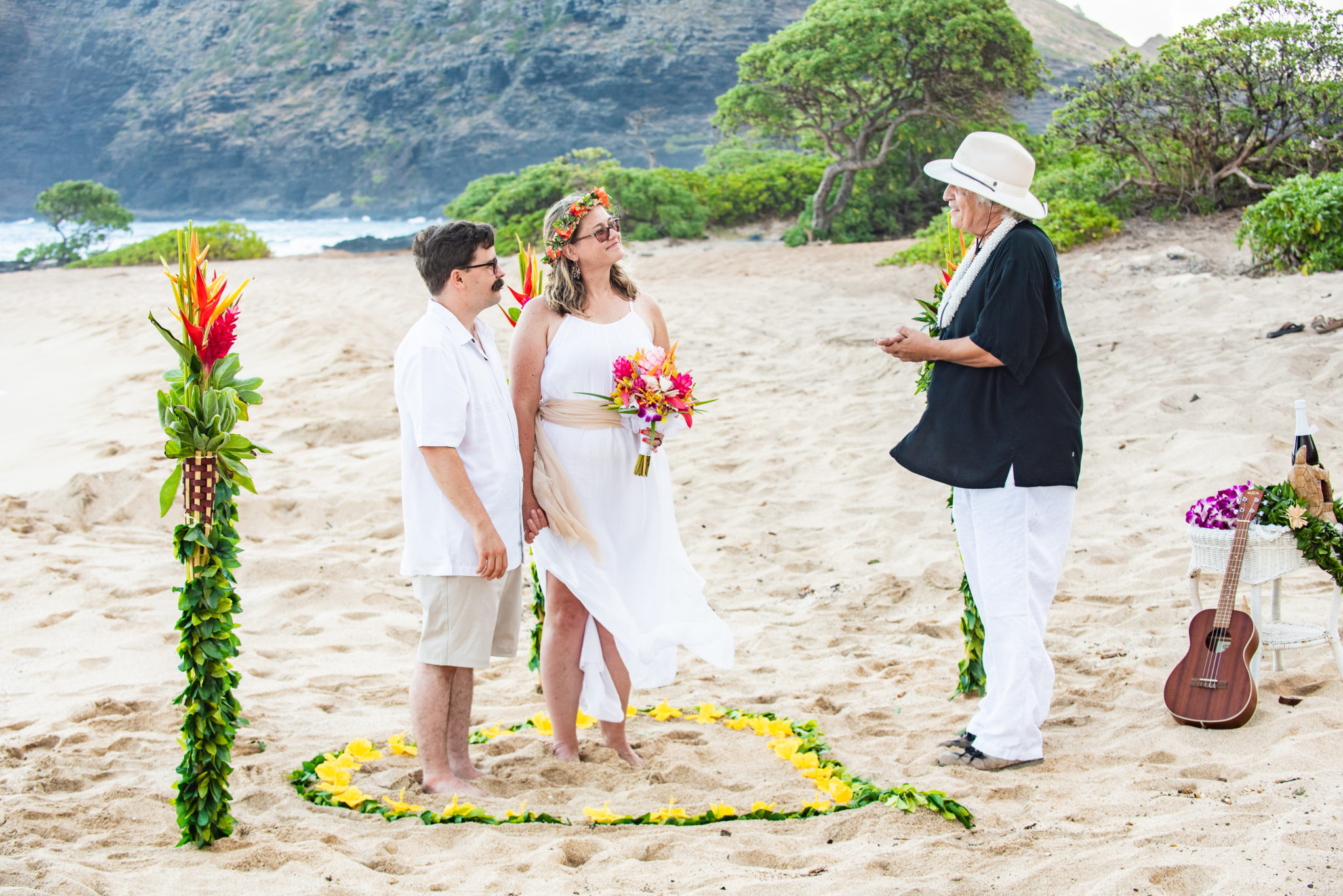
- Oahu: Known as “The Gathering Place,” Oahu offers a blend of city sophistication and natural beauty.
- Waikiki Beach: Iconic and vibrant, Waikiki Beach offers stunning ocean views and a lively atmosphere. It’s a popular choice for its accessibility and range of nearby accommodations and amenities.
- North Shore: For a more laid-back and rustic feel, the North Shore provides dramatic coastlines, lush valleys, and a sense of untouched paradise.
- Manoa Valley: Venture inland to Manoa Valley for romantic garden weddings amidst tropical rainforests and waterfalls.
- Maui: Often considered the most romantic of the Hawaiian Islands, Maui is a top choice for destination weddings.
- Ka’anapali Beach: Famous for its golden sands and crystal-clear waters, Ka’anapali Beach offers spectacular sunset views and upscale resort options.
- Wailea: This exclusive resort area on Maui’s southwest coast boasts luxurious resorts and immaculate beaches, perfect for elegant affairs.
- Hana: For an intimate elopement or a very private ceremony, the remote beauty of Hana offers a truly secluded and enchanting experience.
- Kauai: The “Garden Isle” lives up to its name with its lush rainforests, dramatic cliffs, and stunning natural wonders.
- Poipu Beach: Located on the sunny south shore, Poipu Beach is known for its calm waters and picturesque setting, making it ideal for beach ceremonies.
- Na Pali Coast: While not a typical ceremony venue, the breathtaking Na Pali Coast can serve as an awe-inspiring backdrop for helicopter elopements or private yacht excursions.
- Allerton Garden: Imagine exchanging vows amidst the enchanting flora of a botanical garden, a truly magical experience unique to Kauai.
- The Big Island (Hawaii Island): Offers a dramatic contrast of landscapes, from active volcanoes to black sand beaches.
- Kohala Coast: This leeward side of the island features beautiful beaches and luxurious resorts like the Mauna Lani, Auberge Resorts Collection, offering a sophisticated wedding experience.
- Volcanoes National Park: For the adventurous couple, a ceremony with the awe-inspiring backdrop of volcanic landscapes, with appropriate safety measures, can be an unforgettable experience.
- Black Sand Beaches: Such as Punalu’u Black Sand Beach, offer a unique and dramatic setting for intimate ceremonies.
B. Types of Wedding Venues
Beyond the specific islands, consider the type of venue that best suits your vision.
- Beach Weddings: The quintessential Hawaiian wedding experience. Imagine exchanging vows with the sand between your toes and the vast Pacific as your witness. Many beaches are public, but some may require permits for larger gatherings.
- Resort Weddings: Resorts offer all-inclusive packages, experienced wedding coordinators, and stunning venues that often include private beaches, manicured gardens, ballrooms, and oceanfront patios. Options range from intimate boutique hotels to grand resorts like the Four Seasons Resort Maui at Wailea or The Ritz-Carlton, Kapalua.
- Botanical Gardens and Estates: For a romantic and lush setting, consider a botanical garden or a private estate. These venues often provide a more secluded and intimate atmosphere, surrounded by exotic flowers and tropical greenery.
- Chapels: Many resorts and stand-alone venues offer charming chapels with ocean views or traditional Hawaiian architecture.
- Private Villas and Estates: For ultimate privacy and exclusivity, renting a luxurious villa or estate can provide a unique and personalized wedding experience.
C. Choosing a Wedding Planner
While you can plan a Hawaiian wedding independently, hiring a local wedding planner can be invaluable. They have established relationships with vendors, understand local customs and regulations, and can handle the intricate details, allowing you to relax and enjoy the process.
III. Embracing the Aloha Spirit: Culture, Cuisine, and Activities
A wedding in Hawaii is not just about the ceremony; it’s an opportunity to immerse yourselves and your guests in the unique culture and breathtaking beauty of the islands.
A. Incorporating Local Culture
Infuse your wedding with the spirit of aloha by weaving in traditional Hawaiian elements.
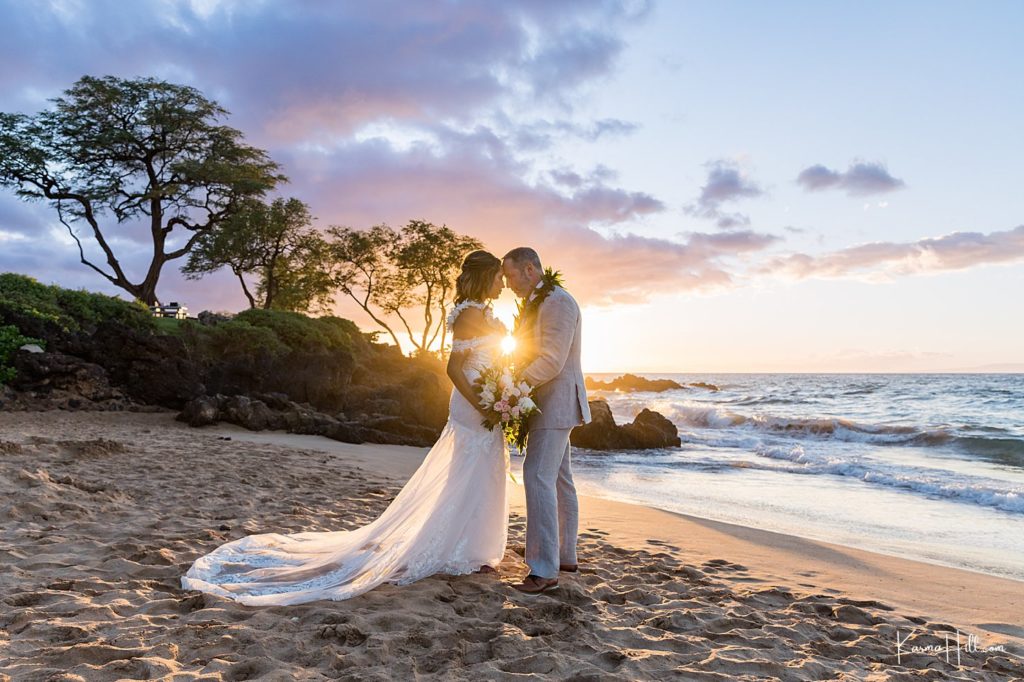
- Lei Exchange: A beautiful tradition where the couple exchanges flower leis, symbolizing love, respect, and unity.
- Hula Dancers and Musicians: Enhance your reception with the grace of hula dancers or the enchanting melodies of Hawaiian musicians.
- Traditional Blessings: Consider a blessing ceremony led by a Kahu, incorporating ancient chants and rituals for good fortune and prosperity.
- Luau Reception: Host a traditional luau for a vibrant and festive celebration, complete with a feast, entertainment, and a lively atmosphere.
B. Hawaiian Cuisine and Dining Experiences
Your wedding feast can be a delightful exploration of Hawaii’s diverse culinary landscape.
- Fresh Seafood: Indulge in the freshest catch of the day, from ahi tuna to mahi-mahi, prepared in various delicious ways.
- Kalua Pig: A staple at any luau, this slow-roasted pork is incredibly tender and flavorful.
- Poi: A traditional staple made from taro root, offering a unique taste of Hawaiian heritage.
- Tropical Fruits: Incorporate the abundance of fresh tropical fruits like pineapple, mango, and papaya into your wedding cake, desserts, or signature cocktails.
- Farm-to-Table: Many venues and caterers emphasize farm-to-table practices, sourcing local ingredients to create exquisite dishes.
C. Activities for You and Your Guests
Keep your guests entertained with the myriad of activities Hawaii has to offer, transforming your wedding into a memorable vacation.
- Island Hopping: Encourage guests to explore different islands, each with its own distinct character.
- Beach Activities: From swimming and sunbathing to surfing lessons on Waikiki Beach or snorkeling in the clear waters of Molokini Crater off the coast of Maui.
- Hiking and Nature: Explore the stunning landscapes with hikes through lush rainforests, past waterfalls, or along dramatic coastal trails. The Haleakala National Park on Maui offers incredible sunrise and sunset views.
- Water Sports: Kayaking, paddleboarding, and sailing are popular ways to experience the beauty of the Hawaiian coastline.
- Cultural Experiences: Visit historical sites like Pearl Harbor on Oahu, explore pineapple plantations, or take a scenic drive along the Road to Hana on Maui.
- Relaxation: Encourage guests to unwind at their hotels or resorts, enjoy spa treatments, or simply soak in the island ambiance.
By thoughtfully integrating these cultural elements, culinary delights, and engaging activities, your wedding in Hawaii will be more than just a ceremony; it will be an immersive and joyous celebration of love and island life. The Aloha State awaits to host the beginning of your forever.
LifeOutOfTheBox is a participant in the Amazon Services LLC Associates Program, an affiliate advertising program designed to provide a means for sites to earn advertising fees by advertising and linking to Amazon.com. Amazon, the Amazon logo, AmazonSupply, and the AmazonSupply logo are trademarks of Amazon.com, Inc. or its affiliates. As an Amazon Associate we earn affiliate commissions from qualifying purchases.