
Montana, often called the “Treasure State,” is renowned for its vast, unspoiled wilderness, majestic mountains, and a rich tapestry of wildlife. Among its most iconic residents is the grizzly bear (Ursus arctos horribilis), a symbol of wildness and a creature that captivates the imagination of tourists and conservationists alike. For visitors planning an immersive experience in Montana’s natural landscapes, understanding the grizzly bear population, its habitats, and how to safely and ethically interact with its environment is paramount. This guide delves into the current state of grizzly bears in Montana, offering insights crucial for any responsible tourist.
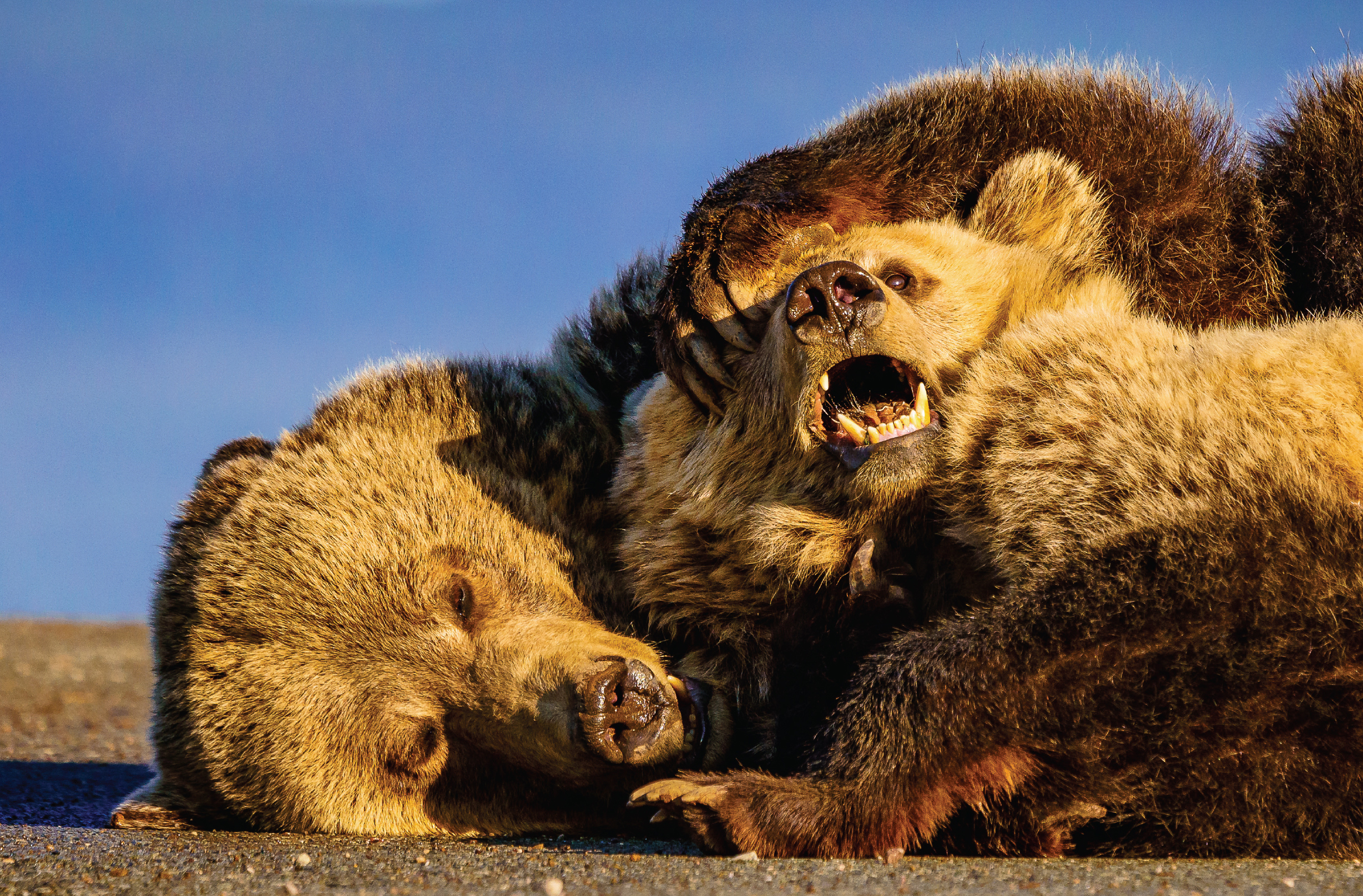
Montana’s Iconic Grizzly Bear Population: An Overview for Tourists
The story of the grizzly bear in the contiguous United States is one of both dramatic decline and remarkable recovery. Historically, grizzlies roamed much of western North America, but westward expansion, hunting, and habitat destruction pushed them to the brink. Today, Montana remains one of the few states where viable grizzly populations thrive, largely due to dedicated conservation efforts and the state’s expansive protected areas. For tourists, this represents a unique opportunity to witness these magnificent animals in their natural habitat, making a trip to Montana an unforgettable wildlife experience.
The Resurgence of a Montana Icon
Following their listing as a threatened species under the Endangered Species Act in 1975, grizzly bears have been the focus of intensive recovery programs. These efforts have focused on habitat protection, reducing human-bear conflicts, and scientific monitoring. The grizzly’s comeback is a testament to the power of conservation, allowing these apex predators to reclaim parts of their ancestral range. For those visiting Montana, this history underscores the importance of respectful tourism and understanding the delicate balance between human recreation and wildlife preservation. The presence of grizzlies enriches the natural experience, transforming a simple hike into an encounter with truly wild nature.
Current Population Estimates and Key Ecosystems
Determining an exact number of grizzly bears across such vast and rugged terrain is challenging. Scientists rely on various methods, including DNA sampling, radio-telemetry, and sighting data, to estimate populations within designated recovery zones. In Montana, the majority of grizzlies reside in two primary recovery ecosystems: the Northern Continental Divide Ecosystem (NCDE) and the Greater Yellowstone Ecosystem (GYE).
The Northern Continental Divide Ecosystem (NCDE), which includes Glacier National Park and surrounding wilderness areas like the Bob Marshall Wilderness Complex, currently boasts the largest grizzly bear population in the contiguous United States. Estimates suggest a population of over 1,100 bears within the NCDE. This robust population is slowly expanding its range, which is a positive sign for recovery but also brings new challenges as bears venture into areas with more human presence.
The Greater Yellowstone Ecosystem (GYE), famous for Yellowstone National Park, extends into southwestern Montana, as well as Wyoming and Idaho. The Montana portion of the GYE is home to a significant number of grizzlies, with the overall GYE population estimated to be around 700-1,000 individuals. These bears utilize a diverse array of habitats, from dense forests to open meadows, often moving between protected areas and private lands. For tourists, these population figures aren’t just numbers; they represent the incredible success of conservation and the tangible opportunity to encounter these magnificent animals in the wild, emphasizing the need for prepared and respectful tourism.
Understanding Grizzly Bear Habitats and Distribution for Responsible Tourism
For tourists venturing into Montana’s wilderness, understanding where grizzly bears live is crucial for both safety and the likelihood of a successful, albeit distant, sighting. These bears are habitat generalists but prefer areas with dense cover, abundant food sources, and minimal human disturbance.
Northern Continental Divide Ecosystem (NCDE): A Stronghold
The NCDE is a vast, interconnected landscape encompassing over 25,000 square miles. Its core lies within Glacier National Park and the Bob Marshall Wilderness Complex, including the Great Bear Wilderness and the Scapegoat Wilderness. This area provides an ideal environment for grizzlies with its high mountains, deep valleys, pristine forests, and abundant huckleberry patches, a critical food source. Tourists exploring Glacier National Park’s extensive trail system or venturing into the surrounding national forests should always be “bear aware.” The NCDE’s high bear density means encounters, though rare, are possible, highlighting the need for vigilance and preparedness.
Greater Yellowstone Ecosystem (GYE): Another Vital Territory
The Greater Yellowstone Ecosystem is a complex mosaic of national parks, national forests, and private lands. In Montana, the GYE primarily covers areas south of Bozeman and Livingston, extending towards Yellowstone National Park. These areas are characterized by geothermal features, diverse forests, and the headwaters of major rivers, offering a different but equally rich habitat for grizzlies. While tourists primarily associate grizzlies with Yellowstone National Park itself, bears frequently move beyond park boundaries into adjacent national forests like the Gallatin National Forest and the Custer National Forest in Montana. Therefore, visitors hiking or camping in these areas must exercise the same precautions as they would within the national parks.
Other Emerging Recovery Zones
Beyond the primary ecosystems, grizzly bears are slowly expanding their range into other potential recovery zones within Montana, such as the Cabinet-Yaak Ecosystem in the northwest and the Bitterroot Ecosystem along the Idaho border. While populations in these areas are much smaller and still considered recovering, their presence signifies hope for broader grizzly distribution. For tourists, this means that while sightings are less common in these areas, the possibility still exists, reinforcing the universal message of bear safety throughout Montana’s wild lands.
Essential Grizzly Bear Safety for Montana Visitors
The prospect of encountering a grizzly bear is a thrilling, yet sobering, aspect of visiting Montana’s wilderness. While attacks are extremely rare, preparedness and knowledge are your best defenses. Responsible tourism means prioritizing safety for both yourself and the wildlife.
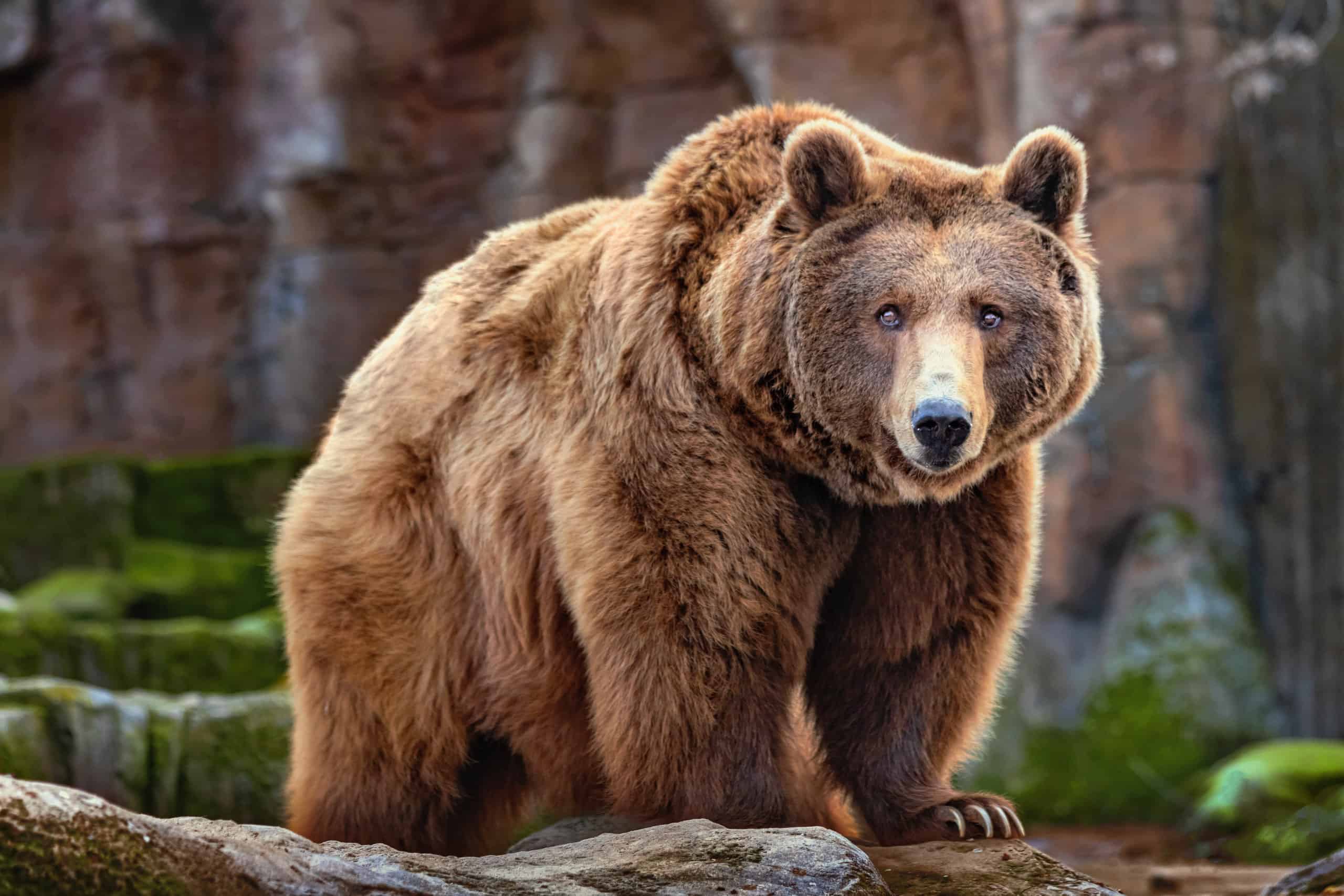
“Bear Aware” Practices: The Golden Rules
Adopting “Bear Aware” practices is non-negotiable for anyone venturing into grizzly country.
- Carry Bear Spray: This is your most effective deterrent. Know how to use it, and keep it readily accessible, not buried in your pack.
- Make Noise: Hike in groups, talk loudly, or clap periodically, especially when visibility is limited or near dense vegetation. This helps avoid surprising a bear.
- Store Food Properly: Bears are attracted to human food. Use bear-resistant containers, hang food from trees, or store it in bear-resistant lockers when camping. Never leave food unattended.
- Stay on Trails: Wandering off marked trails can lead to unexpected encounters and disturb wildlife.
- Respect Carcasses: If you encounter a dead animal, leave the area immediately. Bears often guard carcasses aggressively.
What to Do in a Bear Encounter
Despite precautions, encounters can happen. Your reaction is critical:
- Remain Calm: Panicking can escalate the situation.
- Identify Yourself: Speak in a low, calm voice, wave your arms. This helps the bear recognize you as a human and not a prey animal.
- Do Not Run: Running can trigger a chase response.
- Stand Your Ground or Slowly Back Away: If the bear charges, stand firm and prepare your bear spray. If it’s a bluff charge (most are), it will likely veer away.
- If Attacked:
- Defensive Attack (most common): If a bear attacks and you perceive it as defensive (e.g., protecting cubs or a food source), play dead. Lie on your stomach, hands clasped behind your neck, and spread your legs to prevent the bear from flipping you over. Remain still until you are sure the bear has left.
- Predatory Attack (very rare): If a bear is stalking you and exhibits predatory behavior, fight back aggressively. Target its face and eyes.
Protecting Bears and Yourself: Minimizing Human-Bear Conflicts
Every tourist has a role to play in minimizing human-bear conflicts. This not only protects human lives but also ensures the long-term survival of grizzlies. Bears that become habituated to human food sources often become “problem bears” and may need to be relocated or, in unfortunate cases, euthanized. By properly storing food, packing out all trash, and keeping a safe distance from all wildlife (at least 100 yards for bears), visitors contribute significantly to responsible tourism and bear conservation.
Experiencing Montana’s Wild Side: Ethical Grizzly Bear Viewing Tips
While safety is paramount, the opportunity to observe a grizzly bear in its natural habitat is a truly awe-inspiring experience. Ethical viewing practices ensure these encounters are positive for both humans and bears.
Best Seasons and Locations for Observation
- Spring (May-June): Bears emerge from their dens, often seeking food in lower elevations where vegetation is greening up. Females with cubs are commonly seen during this time.
- Summer (July-August): Bears move to higher elevations, feeding on berries and other vegetation. Roadsides in national parks can offer viewing opportunities at a safe distance.
- Fall (September-October): Bears are in hyperphagia, intensely feeding to prepare for hibernation. This is a good time to see them in huckleberry patches or along rivers where they might fish for spawning salmon (though less common in Montana than elsewhere).
Prime Viewing Locations: Your best bet for seeing a grizzly bear in Montana is within Glacier National Park or the Montana sections of the Greater Yellowstone Ecosystem (especially around West Yellowstone and the Gardiner area). Always carry binoculars or a spotting scope; a close-up photo is never worth compromising safety or disturbing the animal.
Guided Tours and Educational Opportunities
For an enhanced and safer experience, consider joining a guided wildlife tour. Experienced guides know where to look for bears, can interpret their behavior, and ensure all safety protocols are followed. Many national parks and private operators offer these tours. Additionally, visitor centers in Glacier National Park and Yellowstone National Park offer ranger programs and educational exhibits that provide invaluable insights into grizzly ecology and conservation. These are excellent resources for tourists to deepen their understanding before venturing out.
Supporting Conservation Efforts Through Tourism
Responsible tourism in grizzly country extends beyond personal safety; it includes actively supporting conservation. Choosing tour operators committed to ethical wildlife viewing, adhering to park regulations, donating to wildlife conservation organizations, and educating others about bear awareness are all ways tourists can contribute. Your visit to Montana can directly benefit the continued recovery and protection of these magnificent animals.
The Future of Grizzly Bears in Montana and Sustainable Tourism
The recovery of grizzly bears in Montana is a conservation success story, but their future remains a complex issue. As populations grow and expand into areas with more human development, new challenges emerge, highlighting the critical role of sustainable tourism.
Ongoing Conservation Challenges
Habitat fragmentation, particularly outside protected areas, poses a significant threat. Climate change impacts food sources like whitebark pine nuts and huckleberries, affecting bear foraging patterns. Human-wildlife conflict, often stemming from attractants on private lands or road mortality, remains a leading cause of grizzly bear deaths. Balancing the needs of a growing bear population with human economic and recreational interests requires ongoing dialogue, adaptive management strategies, and public education.

The Role of Tourists in Long-Term Sustainability
Tourists are not merely observers but active participants in the grizzly bear’s future. By adhering strictly to “Bear Aware” principles, supporting businesses that practice sustainable tourism, and advocating for conservation, visitors help foster an environment where humans and grizzlies can coexist. The very act of traveling to Montana to witness these majestic creatures generates economic support for the region, which, when managed responsibly, can be reinvested into conservation. Ensuring that grizzly bears continue to roam the wild landscapes of Montana is a collective responsibility, and every visitor plays a part in this enduring wildlife legacy.
LifeOutOfTheBox is a participant in the Amazon Services LLC Associates Program, an affiliate advertising program designed to provide a means for sites to earn advertising fees by advertising and linking to Amazon.com. Amazon, the Amazon logo, AmazonSupply, and the AmazonSupply logo are trademarks of Amazon.com, Inc. or its affiliates. As an Amazon Associate we earn affiliate commissions from qualifying purchases.