
Montana, the “Big Sky Country,” evokes images of vast, open landscapes, towering mountains, and a lifestyle seemingly untouched by the frenetic pace of modern urban living. It’s a destination that draws adventurers, nature enthusiasts, and those seeking a quieter, more profound connection with the outdoors. But as more people discover the allure of this Western gem, a crucial question arises for potential residents and long-term visitors: Is Montana expensive to live in?
The answer, like the Montana landscape itself, is nuanced and depends heavily on individual circumstances, lifestyle choices, and where exactly within the state you choose to call home. While Montana might not carry the same sticker shock as some of its coastal counterparts, it certainly presents its own set of financial considerations. This article delves into the various factors that contribute to the cost of living in Montana, exploring housing, daily expenses, and the unique economic landscape that shapes its affordability.
The Cost of Housing in Montana
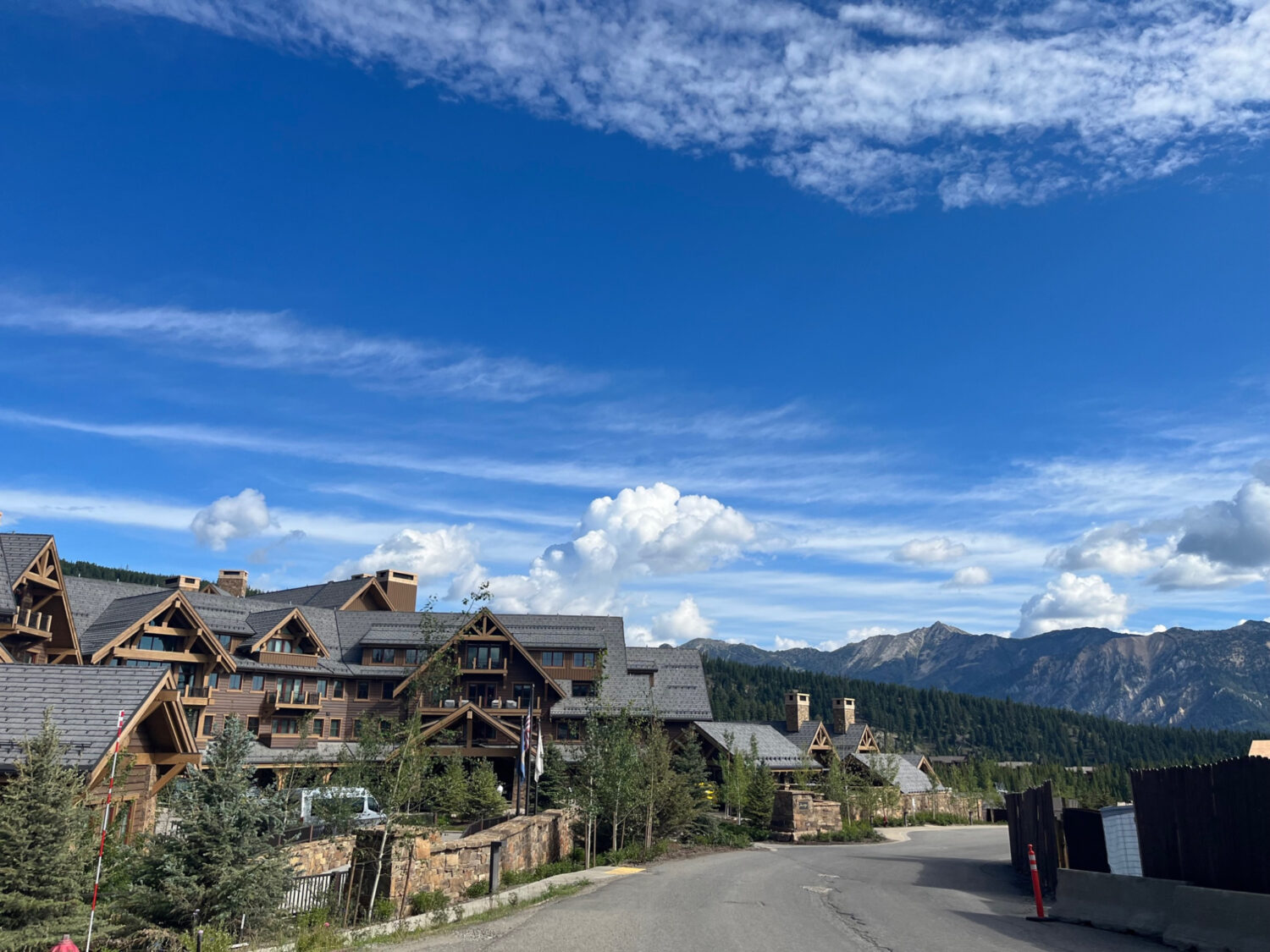
Housing is often the most significant determinant of the cost of living in any region, and Montana is no exception. The state has experienced a considerable increase in housing prices over the past decade, driven by a growing population, increased demand for vacation homes, and a limited supply of available properties. This surge is particularly noticeable in popular tourist destinations and gateway towns to iconic natural wonders like Glacier National Park and Yellowstone National Park.
Urban vs. Rural Dynamics
Montana’s housing market exhibits a stark contrast between its larger cities and more remote rural areas.
Cities: Bozeman, Missoula, and Billings
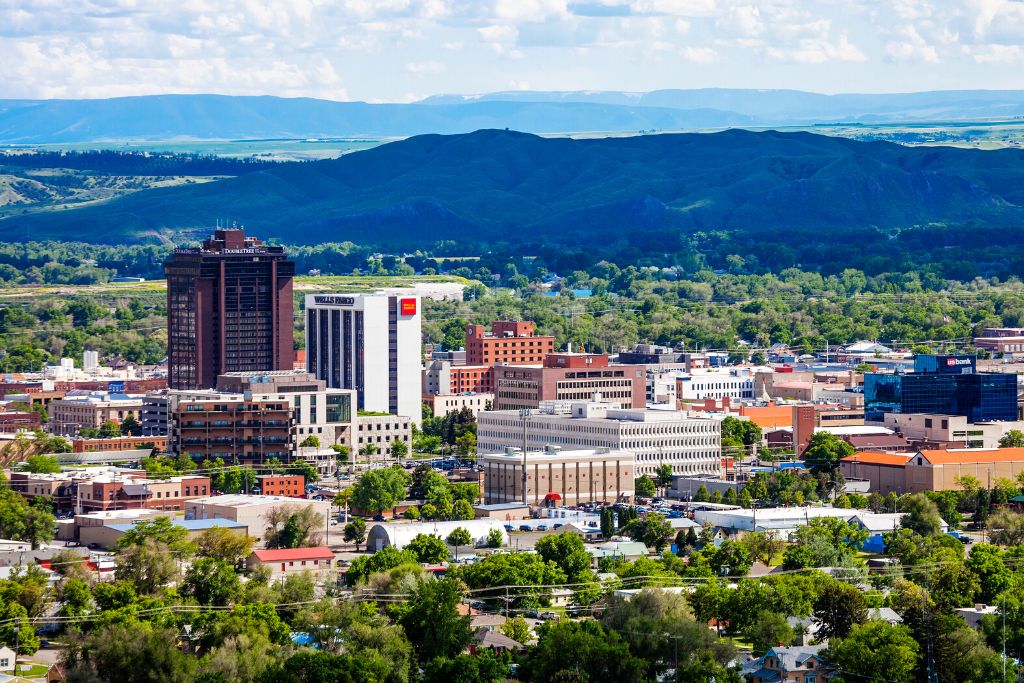
Cities like Bozeman, Missoula, and Billings are experiencing the most significant housing appreciation. Bozeman, in particular, has become a hotbed for both tech industry growth and a desirable lifestyle destination, leading to some of the highest median home prices in the state. For those considering a long-term stay or permanent relocation, understanding the market in these urban centers is crucial. Rental prices in these cities are also on the rise, reflecting the overall demand. You might find apartments and houses available, but often at a premium compared to other parts of the country, and certainly higher than in more rural Montana. This can impact budget travel plans that extend beyond a typical hotel stay, making extended apartment rentals a more significant financial undertaking.
Rural and Smaller Towns
In contrast, many of Montana’s smaller towns and rural areas offer more affordable housing options. However, these areas often come with their own set of challenges, including fewer job opportunities, limited access to amenities, and longer travel distances for essential services and shopping. While a lower mortgage or rent payment might seem appealing, it’s important to factor in the potential increased costs associated with transportation, propane for heating, and potentially higher utility bills in more isolated locations. For those seeking a truly immersive lifestyle experience, the trade-off between housing costs and other living expenses is a key consideration.
Factors Influencing Housing Prices
Several factors contribute to the elevated housing costs across much of Montana:
- Limited Inventory: The pace of new construction has struggled to keep up with demand, leading to a shortage of available homes.
- Desirability as a Lifestyle Destination: Montana’s natural beauty, outdoor recreational opportunities, and perceived quality of life attract people from all over, including a significant influx of remote workers and retirees.
- Second Home Market: The presence of a robust second-home and vacation-home market puts upward pressure on prices, often outbidding local buyers for primary residences.
- Construction Costs: The cost of materials and labor for new construction can be higher in some parts of Montana due to transportation and availability.
Daily Expenses: More Than Just Housing
Beyond housing, several other daily expenses contribute to the overall cost of living in Montana. While some costs might align with national averages, others can be surprisingly high.
Groceries and Consumer Goods
Grocery prices in Montana can be slightly higher than the national average, especially in more remote areas. This is due to transportation costs for goods to reach these locations. However, the availability of local produce, particularly during the summer and fall months at farmers’ markets, can offer more affordable and fresher options. For those interested in local food experiences, exploring these markets can be both a culinary adventure and a budget-friendly strategy.
Transportation
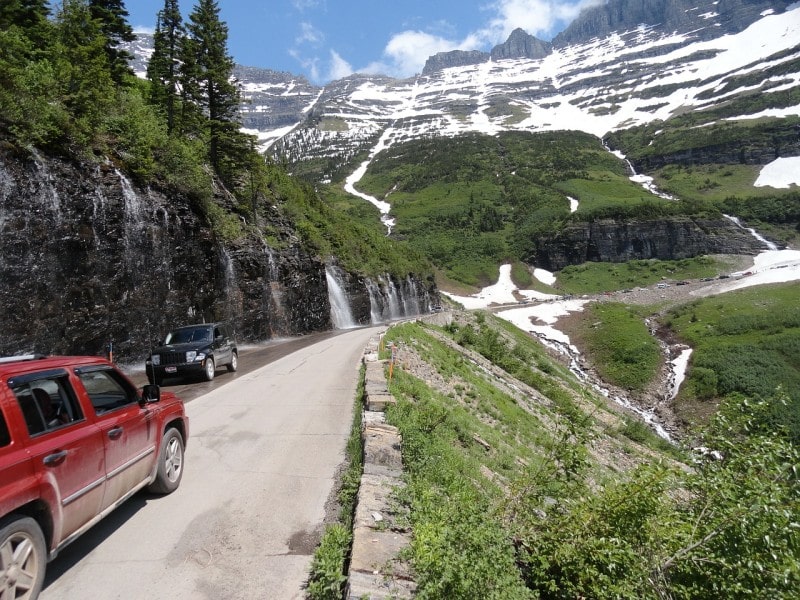
The vast distances between towns and cities in Montana mean that transportation is a significant consideration. Most residents rely on personal vehicles, and the cost of gasoline can fluctuate. While public transportation options are limited, particularly outside of the larger cities, the allure of driving through stunning landscapes often makes it a preferred mode of travel. For those planning extensive travel within the state, whether for tourism or extended stays, budgeting for fuel and vehicle maintenance is essential.
Utilities
Utility costs can vary depending on the location and the season. Heating costs, particularly during the long, cold winters, can be substantial. Many homes rely on propane or electricity for heating, and these costs can be significant. Water and sewer services are generally comparable to national averages, but in some rural areas, well and septic systems require individual maintenance. Internet service is becoming more prevalent but can still be more expensive and slower in remote regions compared to urban centers.
Healthcare
Healthcare costs in Montana are generally in line with national averages. However, access to specialized medical care can be more limited in rural areas, often requiring travel to larger cities for appointments or procedures. This can add to the overall cost of healthcare when factoring in travel time and potential overnight stays.
Lifestyle and Economic Factors
Montana’s economy and the lifestyle it affords play a crucial role in its affordability. Understanding these dynamics is key to grasping the full picture.
The Influence of Tourism
Tourism is a major economic driver for Montana, with attractions like Glacier National Park, Yellowstone National Park, and the Big Sky Resort drawing millions of visitors annually. While tourism brings revenue and job opportunities, it also contributes to the increased cost of living, particularly in areas heavily reliant on the industry. Seasonal fluctuations in demand can impact the availability and price of accommodations, from luxury resorts to more budget-friendly apartments for longer stays. This can make planning travel and finding affordable lodging a strategic endeavor.
Income Levels and Job Market
Income levels in Montana have historically been lower than the national average, although this is changing in certain sectors and regions. The job market is diverse, with significant contributions from agriculture, tourism, healthcare, and a growing tech sector in cities like Bozeman. For those considering a move, researching job opportunities and salary expectations within their field is a critical step in assessing affordability. Comparing potential earnings against the cost of living in specific Montana locales is essential for financial planning.
Luxury vs. Budget Travel and Living
Montana caters to a wide range of lifestyles, from the ultra-luxury traveler seeking exclusive resorts and experiences to the budget-conscious adventurer looking for affordable road trips and outdoor adventures.
-
Luxury Travel: For those with a higher budget, Montana offers world-class accommodations, fine dining, and exclusive outdoor experiences. Resorts like The Ranch at Rock Creek provide unparalleled luxury and service, but at a significant cost. Similarly, high-end hotels and private villas in popular areas come with premium price tags. This level of luxury travel is certainly achievable, but it requires substantial financial resources.
-
Budget Travel: On the other end of the spectrum, Montana can be surprisingly affordable for budget travelers who are willing to embrace its natural beauty and outdoor activities. Camping, staying in more basic motels or guesthouses, and focusing on free or low-cost attractions like hiking in national forests, exploring small towns, and enjoying scenic drives can make a Montana trip more budget-friendly. Utilizing comparison websites for accommodation and planning meals at local diners or grocery stores can also help manage expenses.
Long-Term Stays and Accommodation Comparison
For those contemplating a longer stay, perhaps for remote work or an extended vacation, the accommodation landscape shifts. Beyond hotels and resorts, options like renting apartments, cabins, or even houses become more relevant. Comparing rental prices across different towns and regions is crucial. Websites specializing in vacation rentals and long-term stay comparisons can be invaluable tools. It’s important to consider the lease terms, utility inclusions, and the overall value proposition when looking for more permanent lodging. The flexibility of lifestyle travel often hinges on finding suitable and affordable accommodation that meets individual needs.
In conclusion, the question of “Is Montana Expensive To Live In?” doesn’t have a simple yes or no answer. It is a state of contrasts, where stunning natural beauty meets a rising cost of living, especially in its most desirable locales. By carefully considering housing costs, daily expenses, and the unique economic and lifestyle factors at play, prospective residents and visitors can make informed decisions and discover the Montana experience that best fits their financial realities and personal aspirations. Whether you’re drawn to the vibrant energy of Bozeman or the serene solitude of a rural cabin, understanding the financial landscape is the first step to truly enjoying the magic of the Big Sky Country.
LifeOutOfTheBox is a participant in the Amazon Services LLC Associates Program, an affiliate advertising program designed to provide a means for sites to earn advertising fees by advertising and linking to Amazon.com. Amazon, the Amazon logo, AmazonSupply, and the AmazonSupply logo are trademarks of Amazon.com, Inc. or its affiliates. As an Amazon Associate we earn affiliate commissions from qualifying purchases.