
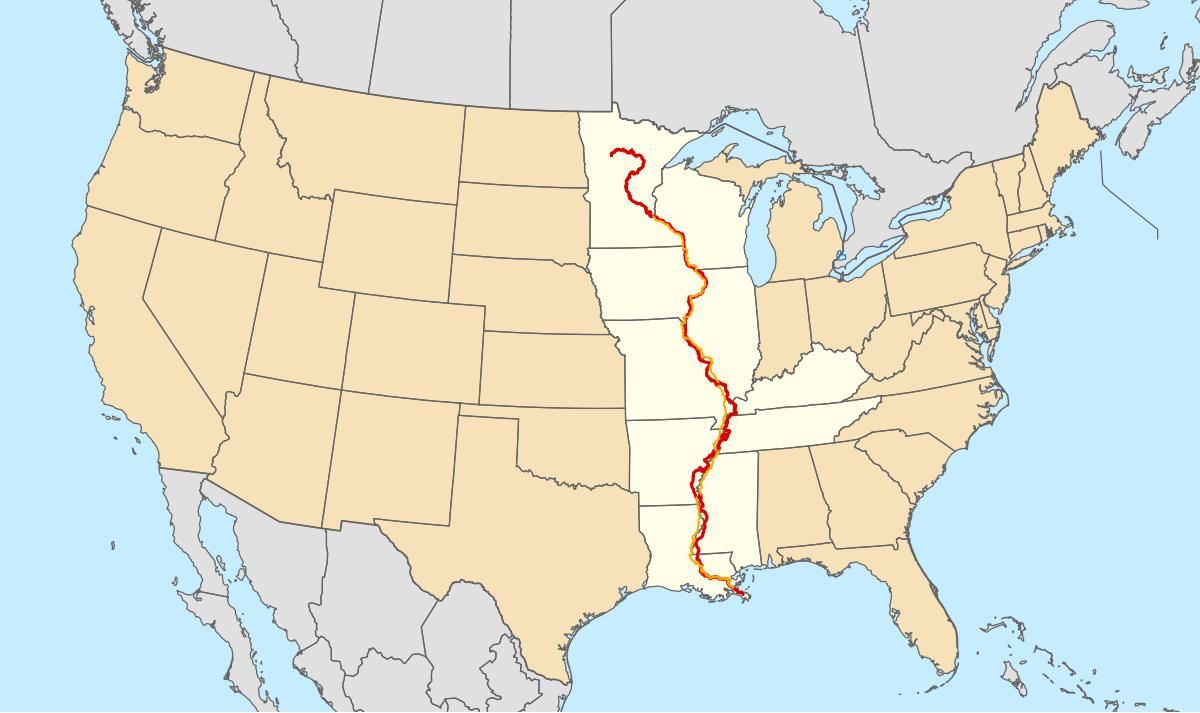
The Mississippi River is not merely a line on a map; it is a monumental geographical feature, a pulsating artery that has shaped the history, culture, and ecology of the United States. Often referred to as the “Father of Waters,” it is one of the world’s major river systems in terms of size, habitat diversity, and economic significance. To locate the Mississippi River on a map is to trace a fascinating journey that spans over 2,300 miles, carving its way from the northern reaches of Minnesota down to the Gulf of Mexico. Its immense presence and influence make it an undeniable landmark, a natural wonder that invites exploration, contemplation, and understanding. This article delves into its precise location, its sprawling influence, and the profound legacy it continues to weave across the American landscape.
The Geographic Colossus: Tracing the Mississippi’s Path
The Mississippi River’s journey is an epic narrative written in water, flowing predominantly north to south through the heartland of America. Its sheer scale means it traverses numerous states, defining their borders, enriching their soils, and influencing their development. Understanding its geographical placement is key to appreciating its role as a national treasure.
From Headwaters to Gulf: A Journey Across America
The Mississippi River originates in the pristine, serene waters of Lake Itasca in northern Minnesota. Here, in a tranquil state park, a small stream barely wide enough to step across marks the beginning of one of the world’s most powerful rivers. From this humble origin, the river begins its southward migration, gradually widening and deepening as it collects water from countless tributaries.
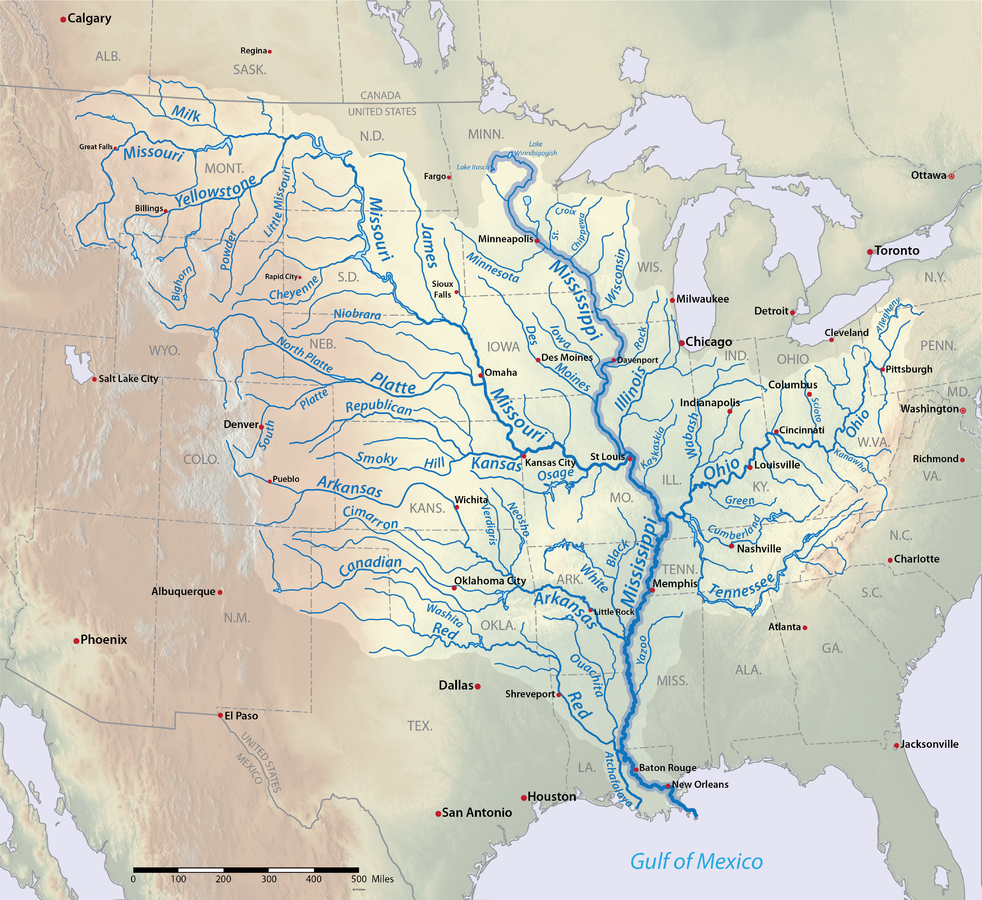
As it flows, the Mississippi River merges with other significant river systems, most notably the Missouri River near St. Louis, Missouri, and the Ohio River near Cairo, Illinois. These confluences dramatically increase the Mississippi River’s volume and power, transforming it into the mighty waterway known to history and legend. The river then continues its relentless southward push, developing into a broad, majestic channel before finally fanning out into a vast delta as it empties into the Gulf of Mexico in Louisiana. This incredible journey makes it the fourth-longest river in the world and the second-longest in North America, solely within the United States.
States Embraced by the River’s Flow
The Mississippi River directly borders or flows through ten states, each bearing its unique imprint:
- Minnesota: The birthplace of the river, home to Lake Itasca and the bustling twin cities of Minneapolis and St. Paul on its upper reaches.
- Wisconsin: Forms the western border of the state, offering stunning bluffs and river towns.
- Iowa: Defines the entire eastern boundary, agricultural landscapes meeting the river’s edge.
- Illinois: Creates the western border, a crucial conduit for trade and industry.
- Missouri: Forms the eastern border, with St. Louis standing as a major river city.
- Kentucky: Touches the westernmost tip of the state.
- Tennessee: Forms the western border, home to the vibrant city of Memphis.
- Arkansas: Defines the eastern border, contributing to fertile agricultural lands.
- Mississippi (state): Forms the western border, rich in history and Southern charm with towns like Natchez and Vicksburg.
- Louisiana: The final leg of the river’s journey, flowing through the state to the Gulf of Mexico, with New Orleans as its iconic delta city.
These states represent a diverse cross-section of American geography, culture, and economy, all profoundly influenced by the enduring presence of the Mississippi River.
A Lifeline of History and Culture
Beyond its geographical prominence, the Mississippi River has been a central character in the unfolding drama of American history and a vibrant source of cultural inspiration. Its waters have carried the canoes of indigenous peoples, the ships of European explorers, and the steamboats that fueled a nation’s expansion.
Indigenous Roots and Early Exploration
For thousands of years before European arrival, the Mississippi River basin was home to numerous sophisticated Native American civilizations. Tribes like the Choctaw, Chickasaw, Natchez, and various groups of the Mound Builders relied on the river for sustenance, transportation, and spiritual connection. Their ancient cities and trade networks flourished along its banks, testament to the river’s life-giving power.
The first documented European sighting of the Mississippi River is often attributed to the Spanish explorer Hernando de Soto in 1541. However, it was the French explorers Louis Jolliet and Jacques Marquette who, in 1673, extensively explored and mapped a significant portion of the northern Mississippi River, opening the way for French claims to the vast interior of North America. Later, René-Robert Cavelier, Sieur de La Salle, navigated the river to its mouth in 1682, claiming the entire basin for France and naming it Louisiana in honor of King Louis XIV.
The River’s Role in American Expansion
The Mississippi River became the western boundary of the nascent United States following the Treaty of Paris in 1783. Its strategic importance for trade and westward expansion was undeniable. The seminal Louisiana Purchase in 1803, orchestrated by President Thomas Jefferson, effectively doubled the size of the United States and granted full control of the Mississippi River and its vast drainage basin. This acquisition paved the way for westward migration and transformed the river into an indispensable highway for goods, people, and ideas, further cementing its role in national identity.
During the 19th century, the era of steamboats transformed river travel and commerce. These majestic vessels plied the waters of the Mississippi River, linking distant communities and facilitating the movement of agricultural products, raw materials, and manufactured goods. The river became a symbol of American ingenuity and enterprise, fostering the growth of cities like St. Louis, Memphis, and New Orleans.
Cultural Tapestry: Music, Literature, and Legends

The Mississippi River’s influence permeates American culture. It is the muse behind countless stories, songs, and legends. The literature of Mark Twain, particularly “The Adventures of Tom Sawyer” and “Adventures of Huckleberry Finn,” vividly captures the spirit of life along the river in the 19th century, depicting its allure, its dangers, and the freedom it offered.
Musically, the river gave birth to and nurtured genres like the blues and jazz. The rich African-American traditions that developed in the Mississippi Delta and spread upriver to cities like Memphis, St. Louis, and New Orleans created a unique sonic landscape that has profoundly influenced global music. From the spirituals of enslaved people to the vibrant sounds of New Orleans jazz, the Mississippi River has been a conduit for artistic expression and a witness to profound social change.
Ecological Significance and Natural Wonders
As a landmark, the Mississippi River is not only historically and culturally significant but also an ecological powerhouse, supporting an astonishing array of biodiversity and critical ecosystems. Its vastness dictates its unparalleled environmental role.
Diverse Ecosystems and Biodiversity
The Mississippi River basin, covering more than 1.2 million square miles, is the third-largest watershed in the world. This enormous drainage system encompasses diverse habitats ranging from northern forests and prairies to southern swamps and coastal marshes. These varied environments support an incredible diversity of plant and animal life.
The river itself is home to over 260 species of fish, including paddlefish, sturgeon, and the iconic Mississippi Delta catfish. Its wetlands and floodplains serve as crucial breeding grounds and migratory stopovers for millions of birds, including waterfowl, shorebirds, and raptors. Mammals like beavers, otters, and even black bears inhabit its riparian zones. The delta region, especially in Louisiana, is a complex mosaic of bayous, marshes, and barrier islands, forming one of the most productive ecosystems on Earth, teeming with alligators, crabs, and numerous fish species.
Conservation Efforts and Environmental Challenges
Despite its immense ecological value, the Mississippi River faces significant environmental challenges. Agricultural runoff, industrial pollution, habitat loss due to development, and the alteration of its natural flow for navigation and flood control have all impacted its health. The “dead zone” in the Gulf of Mexico, primarily caused by nutrient pollution from the river, is a stark reminder of these pressures.
However, extensive conservation efforts are underway. Numerous government agencies, non-profit organizations, and local communities are working to restore wetlands, improve water quality, protect endangered species, and promote sustainable practices within the watershed. Understanding the river’s ecological fragility is as important as appreciating its grandeur, ensuring its vitality for future generations.
Exploring the Mississippi: Attractions and Experiences
For those seeking to experience this monumental landmark firsthand, the Mississippi River offers a wealth of attractions and experiences, catering to history buffs, nature enthusiasts, and adventurers alike.
Iconic Cities Along the Banks
Many of America’s most historic and culturally significant cities owe their existence and character to the Mississippi River.
- Minneapolis and St. Paul, Minnesota: At the head of navigation for larger vessels, these cities offer urban parks, historic mills, and scenic riverfront trails.
- St. Louis, Missouri: Home to the iconic Gateway Arch, symbolizing the city’s role as the “Gateway to the West,” and offering riverboat cruises and a rich history.
- Memphis, Tennessee: Famous for its music history (blues, soul, rock ‘n’ roll), Beale Street, and panoramic river views.
- Vicksburg and Natchez, Mississippi: These Southern gems boast antebellum mansions, Civil War history, and a timeless charm reflecting the grandeur of the steamboat era.
- New Orleans, Louisiana: The vibrant Crescent City, renowned for its unique blend of French, Spanish, African, and American cultures, jazz music, distinctive cuisine, and the historic French Quarter right on the riverbend.
Each city provides a distinct window into the river’s multifaceted identity, offering museums, historical sites, and local delicacies that tell the story of the Mississippi River’s influence.
Recreational Activities and Scenic Byways
Beyond urban centers, the Mississippi River provides numerous opportunities for outdoor recreation. Fishing, kayaking, and boating are popular activities along its quieter stretches and backwaters. National parks and wildlife refuges dot the river corridor, offering birdwatching, hiking, and camping.
For those who prefer a scenic drive, the Great River Road is a designated National Scenic Byway that closely follows the Mississippi River for its entire length. This network of roads, marked by distinctive green and white pilot wheel signs, guides travelers through charming river towns, past historical markers, and to breathtaking viewpoints, offering an immersive journey through the heartland of America.
The Mississippi River’s Enduring Legacy
The Mississippi River is far more than a geographical feature; it is a living, breathing landmark that encapsulates the spirit of the United States. Its location on the map represents a continuous line of history, a vibrant ecological corridor, and a deep wellspring of cultural identity. From its humble beginnings in Minnesota to its grand delta in Louisiana, the “Father of Waters” remains an awe-inspiring presence, a testament to nature’s power and humanity’s enduring connection to the landscape. To truly understand where the Mississippi River is on the map is to grasp its profound importance as a natural and cultural landmark, an essential component of the American narrative.
LifeOutOfTheBox is a participant in the Amazon Services LLC Associates Program, an affiliate advertising program designed to provide a means for sites to earn advertising fees by advertising and linking to Amazon.com. Amazon, the Amazon logo, AmazonSupply, and the AmazonSupply logo are trademarks of Amazon.com, Inc. or its affiliates. As an Amazon Associate we earn affiliate commissions from qualifying purchases.