
Florida, the Sunshine State, is a magnet for residents, snowbirds, and tourists alike, drawn by its balmy climate, pristine beaches, and vibrant cultural scene. This ceaseless influx generates a perpetual demand for accommodation, leading to a sprawling and diverse housing landscape. Understanding the sheer volume and variety of homes in Florida is crucial for anyone considering a visit, a seasonal stay, or even a permanent relocation. The question “How many homes are in Florida?” isn’t merely a statistical inquiry; it’s a gateway to comprehending the state’s dynamic accommodation ecosystem.
The Scope of Florida’s Housing Landscape
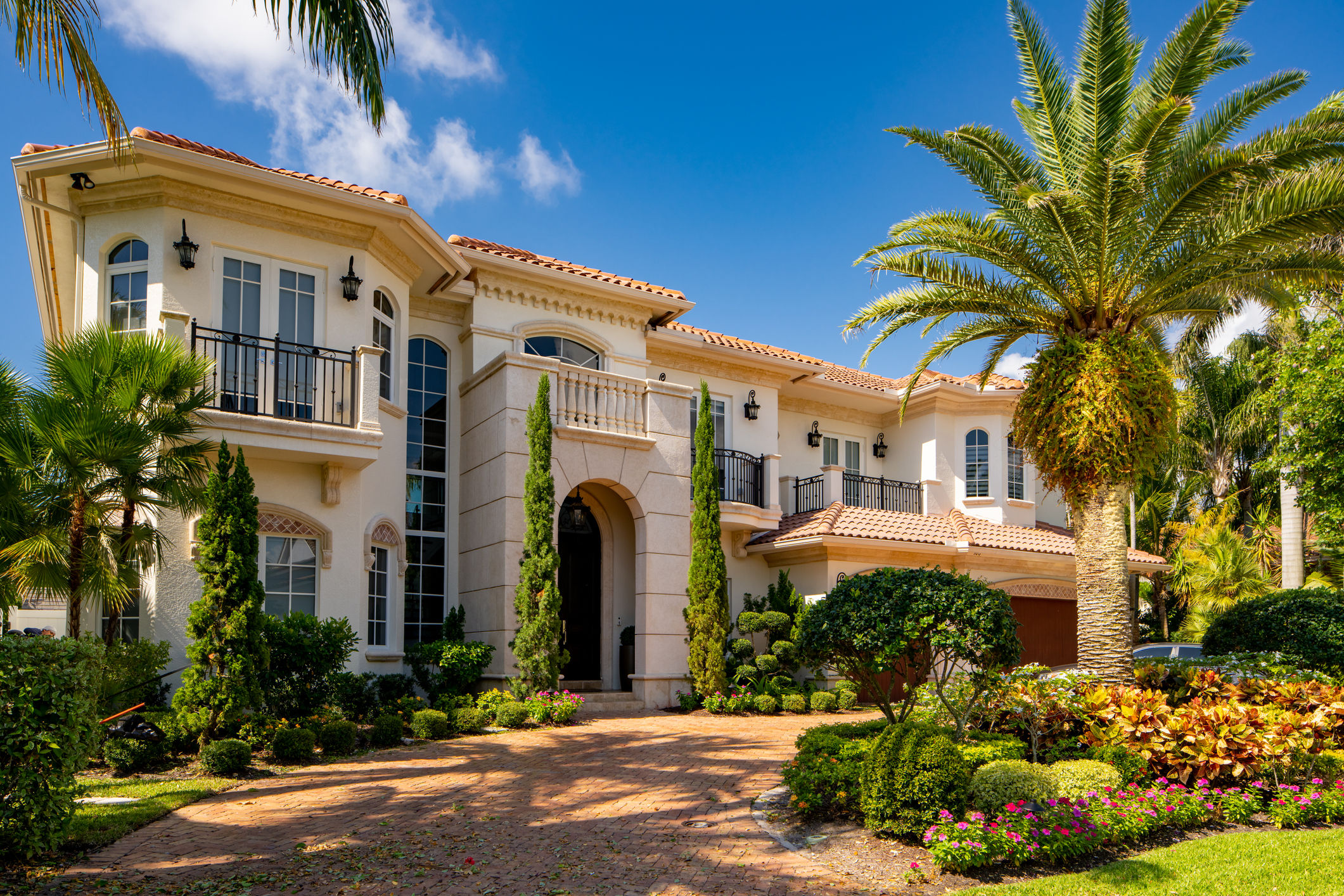
The total number of residential units in Florida is a staggering figure, constantly evolving with new construction and demographic shifts. This vast inventory comprises a wide array of dwelling types, each serving different purposes and catering to distinct needs. From opulent waterfront estates to cozy beachfront bungalows, urban high-rise apartments to sprawling suburban single-family homes, the definition of “home” in Florida is remarkably broad.
Defining “Home” in the Sunshine State
When we talk about “homes” in Florida, it’s imperative to distinguish between various categories. The U.S. Census Bureau provides comprehensive data, generally counting “housing units,” which encompass:
- Single-Family Homes: Traditional detached houses, which form the bedrock of suburban and many rural communities.
- Multi-Family Units: Structures containing two or more separate living units, such as duplexes, townhouses, and large apartment complexes.
- Condominiums: Individually owned units within a larger building, often sharing common areas and amenities, prevalent in coastal and urban centers.
- Manufactured Homes/Mobile Homes: Often found in dedicated communities, offering an affordable housing solution.
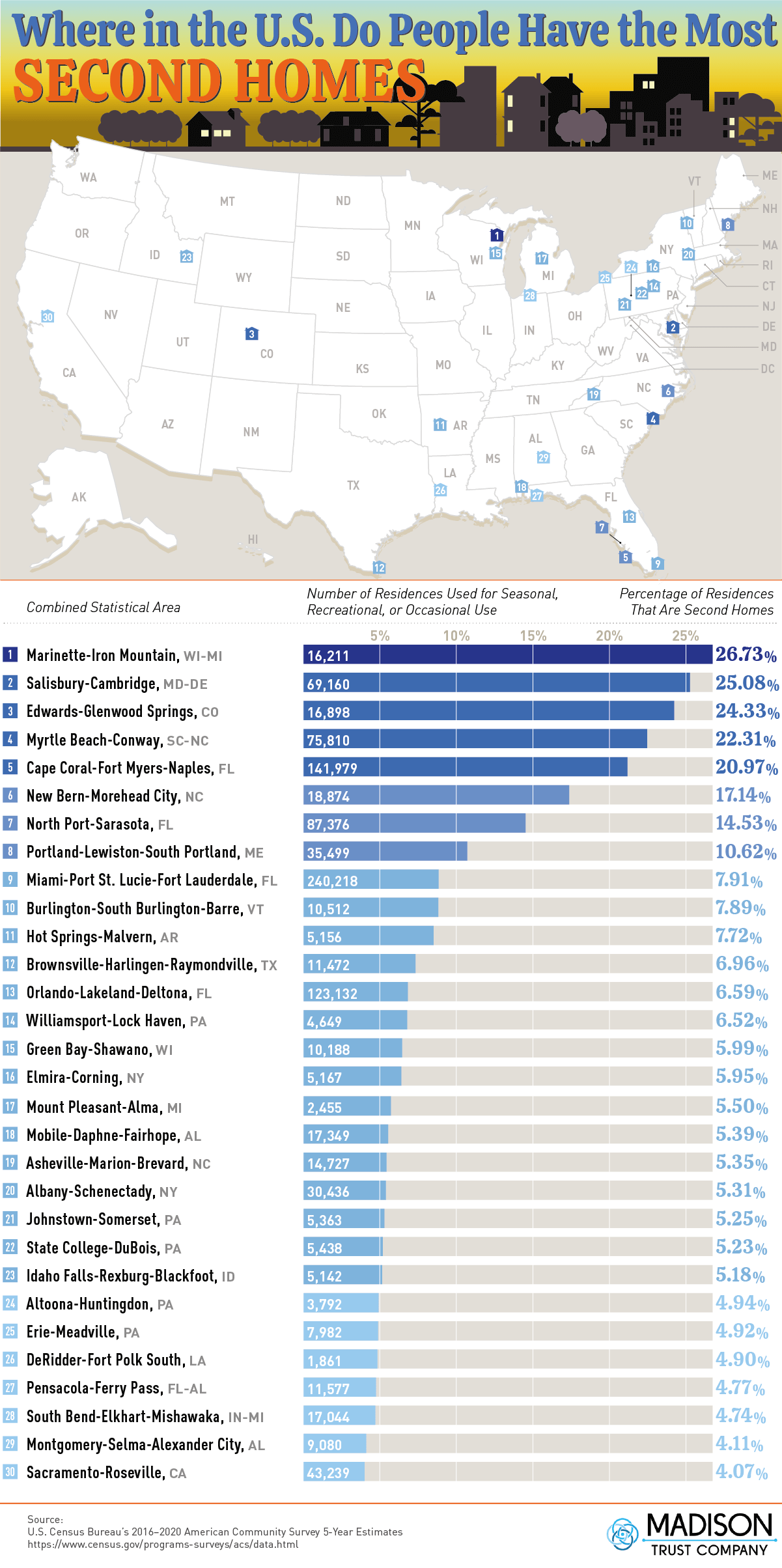
- Vacant Units: This crucial category includes homes held for seasonal, recreational, or occasional use (like vacation rentals), those for sale or rent, and other vacant units. This segment is particularly significant in Florida due to its strong tourism and second-home market.
The inclusion of seasonal and vacant units significantly inflates the total count compared to just primary residences, painting a more accurate picture of the available accommodation stock.
Statistical Snapshot and Growth Trends
While exact real-time figures fluctuate, Florida’s housing units typically number well over 9 million. For instance, recent census data has indicated the state has more than 9.7 million housing units, with a substantial portion dedicated to seasonal or recreational use, or simply vacant for various reasons. The state’s rapid population growth, consistently ranking among the fastest in the U.S., ensures that this number is continually expanding. New construction projects, from master-planned communities to luxury high-rises, are a common sight across the state, particularly in metropolitan areas like Miami, Orlando, and Tampa. This growth reflects both the influx of permanent residents and the robust demand for short-term and long-term accommodation options for its millions of annual visitors.
Diverse Accommodation Options Beyond Hotels
While hotels and resorts remain popular choices for travelers, the sheer volume of “homes” in Florida opens up a world of alternative accommodation experiences. These options often provide more space, privacy, and a taste of local living, making them ideal for families, groups, longer stays, or those seeking a more personalized trip.
Vacation Rentals: The Heart of Tourist Housing
The vacation rental market is a cornerstone of Florida’s accommodation sector. Thousands of single-family homes, condos, and villas are available for short-term rental, particularly in popular tourist destinations and coastal towns.
- Private Villas and Homes: Offering multiple bedrooms, private pools, fully equipped kitchens, and ample living spaces, these are perfect for families visiting attractions like Disney World in Orlando or groups enjoying the beaches of the Gulf Coast and Atlantic Coast.
- Condominiums and Apartments: Often found in purpose-built rental communities or directly owned by individuals, these units provide convenience, resort-style amenities, and a more compact option. They are highly sought after in urban centers like Miami Beach and along the scenic coastline of places like Sarasota.
- Townhouses: Bridging the gap between condos and single-family homes, townhouses offer multiple levels of living space, often with small private outdoor areas, making them popular in suburban vacation communities.
The prevalence of vacation rentals allows visitors to immerse themselves more deeply in the local environment, providing flexibility and value often not found in traditional hotel settings.
Long-Term Stays and Seasonal Living
Florida’s appeal extends beyond short vacations, attracting a significant population of “snowbirds” and those seeking extended stays. For these individuals, the vast stock of homes becomes invaluable.
- Seasonal Rentals: Many homes and condos are rented out for several months during the peak winter season, offering a temporary reprieve from colder climates. These furnished properties cater to those looking to establish a temporary residence without the commitment of ownership.
- Extended Stay Apartments: While some are purpose-built, many standard apartments can be rented for longer durations, offering a practical solution for business travelers, those undergoing medical treatments, or individuals exploring relocation. These options typically come with full kitchens and separate living areas.
This market segment thrives on the abundance of private homes and multi-family units that can be easily converted into temporary residences, fostering a vibrant seasonal economy in many parts of the state.
Residential Apartments and Condominiums
Beyond the vacation and seasonal markets, a substantial portion of Florida’s housing consists of residential apartments and condominiums occupied by permanent residents.
- Luxury High-Rises: Dominating skylines in cities like Miami, Fort Lauderdale, and Tampa, these buildings offer premium amenities, stunning views, and often direct access to urban conveniences.
- Garden Apartments: More ubiquitous in suburban areas, these complexes provide a range of affordability and amenities, catering to diverse demographics.
- Active Adult Communities: Florida is famous for its 55+ communities, offering a lifestyle tailored to retirees with extensive amenities like golf courses, clubhouses, and social activities. These often consist of single-family homes, villas, and condos.
The density of these residential options directly impacts the overall available housing stock, influencing both rental and purchase markets for long-term residents and potential short-term renters.
Regional Variations in Housing Stock
The distribution and characteristics of homes vary dramatically across Florida’s diverse regions, each offering unique accommodation profiles.
Metropolitan Hubs: Miami, Orlando, and Tampa
- Miami-Fort Lauderdale Area: This region is characterized by a high density of condominiums, luxury apartments, and waterfront properties. High-rise living is predominant, especially in coastal areas like Miami Beach and Sunny Isles Beach. Single-family homes are more prevalent further inland. The demand for both short-term rentals and long-term residential units is exceptionally high here.
- Orlando: As the world’s theme park capital, Orlando’s housing stock is heavily influenced by tourism. There’s a massive concentration of purpose-built vacation home communities near attractions like Universal Studios and Disney World. Beyond tourism, the metropolitan area also features extensive suburban single-family home developments and a growing number of urban apartment complexes.
- Tampa-St. Petersburg Area: This Gulf Coast hub offers a mix of historic homes, modern apartments, and burgeoning condominium markets. St. Petersburg is known for its vibrant downtown residential scene, while Tampa is rapidly expanding with new urban developments and sprawling suburban neighborhoods.
Coastal Escapes and Quaint Towns
- Florida Keys: Housing here is unique, often consisting of elevated homes designed to withstand storm surges, quaint cottages, and a limited number of condominiums. Space is at a premium, making properties highly sought after for both permanent residency and vacation rentals.
- Naples-Fort Myers Corridor: This Southwest Florida region is a haven for retirees and seasonal residents. It boasts a high concentration of golf course communities, luxury single-family homes, and amenity-rich condominiums, with a strong emphasis on seasonal rentals.
- Panhandle (e.g., Destin, Panama City Beach): Known for its “Emerald Coast” beaches, this area is flush with vacation condos, beach houses, and resorts primarily catering to tourists and second-home owners. Single-family homes also form a significant part of the housing inventory.
Rural and Developing Areas
Away from the immediate coastlines and major urban centers, Florida also has vast stretches of rural and developing land. Here, single-family homes on larger lots are more common, and agricultural properties or manufactured home communities represent a larger share of the housing stock. While not typically tourist destinations, these areas provide more affordable long-term accommodation options and play a crucial role in the state’s overall housing capacity. The Space Coast around Cape Canaveral, for example, balances this rural and suburban spread with pockets of dense housing due to its industry.
Navigating the Accommodation Market
Understanding the sheer number and diversity of homes in Florida is the first step in finding your ideal stay, whether it’s for a weekend getaway or a permanent move. The market is dynamic, influenced by myriad factors.
Factors Influencing Availability and Pricing
- Seasonality: Peak tourist seasons (winter, spring break, summer holidays) significantly drive up demand and prices for vacation rentals and often impact long-term rental availability. Off-season months typically offer better deals.
- Location: Properties near major attractions, prime beaches, or in highly desirable urban neighborhoods command higher prices and are booked further in advance.
- Amenities: Homes with private pools, waterfront access, multiple bedrooms, or luxury finishes naturally come at a premium.
- Market Trends: Florida’s housing market is subject to economic shifts, interest rates, and population growth, all of which impact both rental rates and property values.

Tips for Finding Your Ideal Florida Home
- Plan Ahead: Especially for peak seasons or specific destinations, booking vacation rentals or securing long-term accommodation well in advance is critical. Popular properties can be reserved months to a year out.
- Define Your Needs: Consider your group size, desired amenities, budget, and preferred location. Do you need proximity to Disney World, or a quiet beachfront retreat in Naples?
- Utilize Diverse Platforms: While major booking sites are useful for short-term rentals, consider local real estate agencies for long-term or seasonal leases, particularly in communities popular with snowbirds.
- Read Reviews and Ask Questions: Thoroughly research properties and communicate with hosts or agents to ensure the home meets your expectations. Pay attention to details about local transport, noise levels, and property management.
- Consider Off-Peak Travel: If flexibility allows, visiting during shoulder seasons (late spring, early fall) can offer a balance of pleasant weather, fewer crowds, and more favorable accommodation pricing.
In conclusion, Florida’s housing stock is immense and multifaceted, reflecting its status as a top global destination for living, working, and vacationing. From millions of permanent residences to a robust inventory of temporary lodging, the sheer number of “homes” ensures a vast array of choices, making the Sunshine State an accommodating place for every type of visitor and resident.
LifeOutOfTheBox is a participant in the Amazon Services LLC Associates Program, an affiliate advertising program designed to provide a means for sites to earn advertising fees by advertising and linking to Amazon.com. Amazon, the Amazon logo, AmazonSupply, and the AmazonSupply logo are trademarks of Amazon.com, Inc. or its affiliates. As an Amazon Associate we earn affiliate commissions from qualifying purchases.