
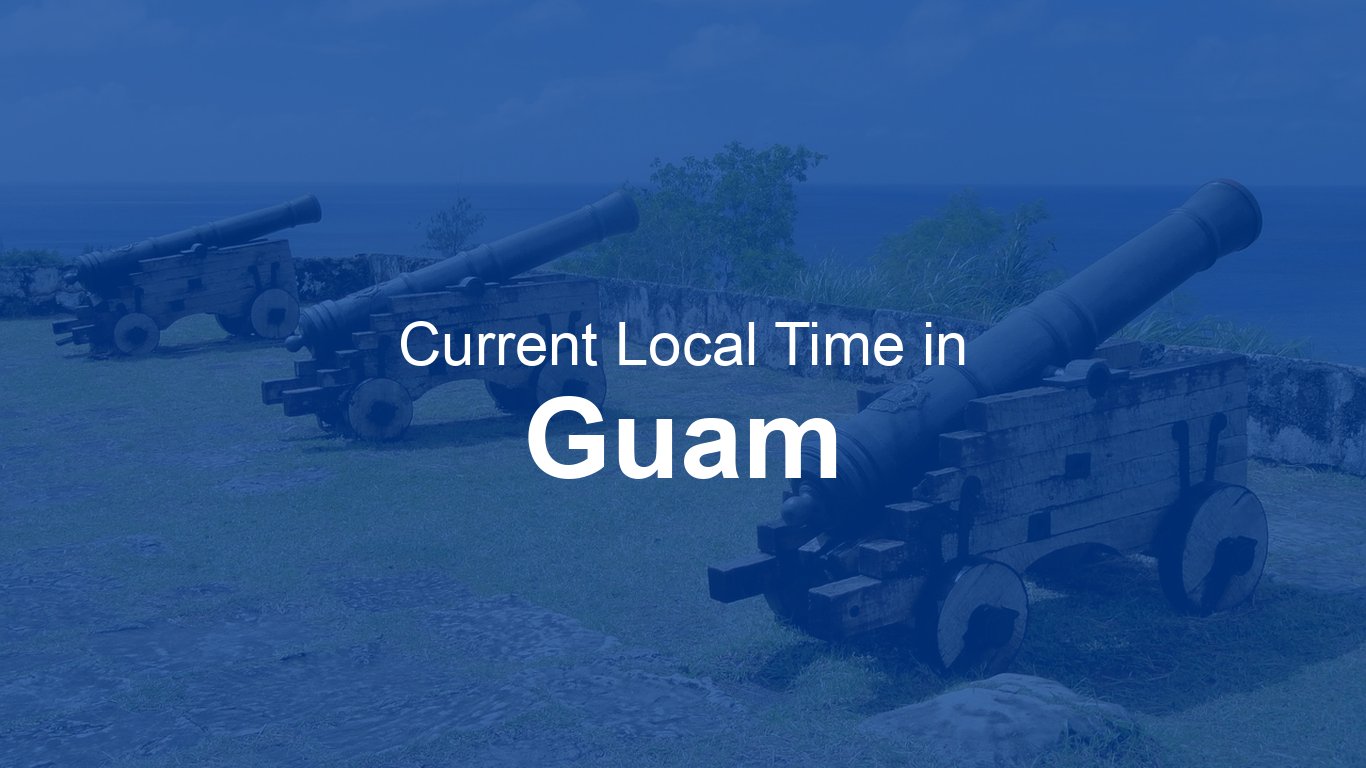
When travelers first set foot on the island of Guam, a common phrase they encounter is “island time.” While the clock technically ticks according to Chamorro Standard Time, the rhythm of life in this westernmost territory of the United States is dictated by something far deeper than a timepiece. Located in the heart of the Mariana Islands and surrounded by the vast Pacific Ocean, this tropical destination offers a unique blend of indigenous heritage, colonial history, and modern leisure. Understanding the “time” in this context means understanding when to slow down, when to feast, and how to immerse oneself in the vibrant local culture that has flourished in Micronesia for over 3,500 years.
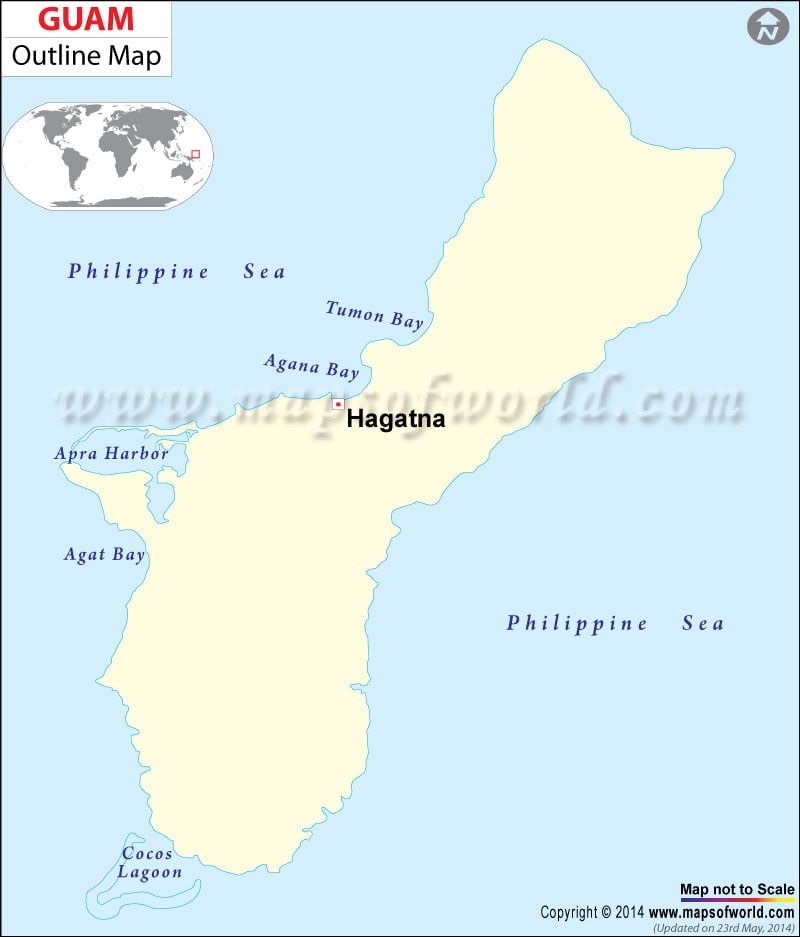
The Cultural Pulse: Understanding Chamorro Time and Inafa’ Maolek
To truly experience Guam, one must look beyond the duty-free shops of Tumon and engage with the concept of Inafa’ maolek. This core value of the Chamorro people literally translates to “to make good” and emphasizes harmony, togetherness, and a communal spirit. In tourism terms, this translates to a welcoming atmosphere where visitors are treated as extended family members rather than mere observers.
The Significance of the Fiesta
The concept of time in Guam is often measured by the village fiesta. Each of the island’s 19 villages hosts an annual celebration honoring its patron saint. These events are the pinnacle of local tourism for those seeking an authentic experience. During a fiesta, time stands still as families open their homes to neighbors and strangers alike. Tables groan under the weight of traditional dishes, and the air is filled with the sound of laughter and music. For a traveler, timing a visit to coincide with a village fiesta—such as those in Agat or Umatac—provides a window into the soul of the island that no guidebook can fully capture.
The Modern Pace of Tumon Bay
In contrast to the slow, intentional pace of the southern villages, Tumon Bay represents the energetic, modern side of Guam tourism. This is the island’s entertainment hub, where the lights of luxury boutiques and world-class dining stay bright late into the evening. Here, the “time” is always right for shopping, snorkeling, or enjoying a sunset cocktail. The juxtaposition between the tranquil, historic south and the bustling northern tourism district is what makes the island so compelling. It allows visitors to curate their own experience, shifting between the high-speed luxury of a metropolitan resort and the ancient, quiet rhythms of a coastal village.
A Journey Through History: Markers of Time Across the Island
Guam serves as a living museum where different eras of history coexist. From the prehistoric Latte Period to the layers of Spanish, Japanese, and American influence, the island’s landmarks tell a story of resilience and transformation.
Ancient Roots at Latte Stone Park
Long before European explorers arrived, the Chamorro people built impressive structures using megalithic limestone pillars known as latte stones. A visit to Latte Stone Park in the capital city of Hagåtña offers a glimpse into this ancient architectural feat. These stones, consisting of a base (haligi) and a hemispherical cap (tasa), once supported traditional wooden houses. They remain a powerful symbol of Guam’s identity and a must-see for anyone interested in the anthropological history of the Pacific.
The Spanish Era and Plaza de España
The influence of Spain, which began with the arrival of Ferdinand Magellan in 1521, is most evident in the architecture of Hagåtña. The Plaza de España served as the seat of government during the Spanish colonial period. Visitors can still explore the ruins of the Governor’s Palace and the Chocolate House, where the wives of Spanish governors once served hot cocoa to guests. Adjacent to the plaza is the Dulce Nombre de Maria Cathedral Basilica, a stunning structure that stands on the site of the first Catholic church in Guam. This area is a focal point for cultural tourism, offering a serene environment to reflect on the complexities of the island’s colonial past.
World War II Reflection
For many visitors from the United States and Japan, Guam is a place of pilgrimage related to the events of World War II. The War in the Pacific National Historical Park commemorates the bravery and sacrifices of those who participated in the island’s campaigns. Exploring the Asan Bay Overlook or the coastal gun emplacements provides a sobering perspective on the island’s strategic importance. This historical “layer” of Guam is essential for understanding the modern relationship between the island and the global community.
Culinary Traditions: The Flavor of the Marianas
No exploration of Guam is complete without a deep dive into its culinary landscape. The food here is a reflection of the island’s history, combining indigenous flavors with ingredients introduced by traders and settlers from the Philippines, Mexico, and Spain.
Signature Dishes and Local Ingredients
The centerpiece of any Chamorro meal is Red Rice, colored with achote seeds. This dish is usually accompanied by Chicken Kelaguen, a bright and spicy preparation where the chicken is “cooked” in a marinade of lemon juice, fresh coconut, onions, and hot peppers. For those who enjoy a bit of heat, finadene—a versatile soy sauce-based condiment—is a staple at every table. These flavors are not just sustenance; they are a source of pride and a way for the local community to share their heritage with tourists.
The Night Market Experience
Every Wednesday evening, the Chamorro Village in Hagåtña transforms into a bustling hub of activity. This night market is perhaps the best place for tourists to sample a wide variety of local foods in one location. The air is thick with the smoke from BBQ pits where skewers of marinated pork and chicken are grilled to perfection. Beyond the food, the market features local artisans selling hand-carved jewelry, woven baskets, and traditional crafts. The sound of live music often prompts spontaneous dancing, making it the perfect “time” for visitors to mingle with residents and experience the island’s festive atmosphere firsthand.
Natural Wonders and Island Exploration
Beyond the cultural sites and eateries, Guam boasts a natural landscape that invites adventure and contemplation. Whether you are looking down from the highest cliffs or exploring the depths of the ocean, the island’s geography is breathtaking.
Iconic Coastal Views
Two Lovers Point, or Puntan Dos Amantes, is undoubtedly the most famous landmark on the island. Perched on a massive limestone cliff overlooking Tumon Bay, it tells the tragic legend of two lovers who tied their hair together and leapt to their deaths rather than be separated. The site offers panoramic views of the coastline and is a popular spot for photography and weddings. Further north, Ritidian Point offers a more secluded experience. Located within the Guam National Wildlife Refuge, its pristine white sands and crystal-clear waters are a sanctuary for those looking to escape the more developed parts of the island.
The Hidden Gems of the South
The southern part of Guam is a paradise for hikers and nature lovers. The Inarajan Natural Pool provides a unique swimming experience, where volcanic rock formations protect a calm lagoon from the crashing waves of the Pacific Ocean. For those who enjoy a challenge, a hike to the top of Mount Lamlam is highly recommended. While it only stands 1,332 feet above sea level, its base sits at the bottom of the Mariana Trench, making it the tallest mountain in the world from base to peak.
Other notable natural attractions include Talofofo Falls and the Cetti Bay Overlook, which offers a stunning view of the island’s volcanic peaks. For an educational and eco-friendly tour, the Valley of the Latte provides river cruises that delve into the inland jungles, showcasing traditional fishing techniques and botanical knowledge.
Marine Life and Underwater Adventure
The waters surrounding Guam are teeming with life, making it a premier destination for divers and snorkelers. Fish Eye Marine Park in Piti features an underwater observatory that allows non-divers to see the vibrant coral reefs and tropical fish. For those who want to get wet, Tanguisson Beach and the various “blue holes” around the island offer world-class diving opportunities. The preservation of these marine environments is a key focus of local tourism, ensuring that future generations can continue to enjoy the biodiversity of the Mariana Islands.
Whether you are navigating the historic streets of Hagåtña, enjoying the luxury of Tumon, or hiking the rugged trails of the south, the “time” in Guam is always defined by the connection between the people, the land, and the sea. It is a destination that asks you to put down your watch and pick up a plate of red rice, to listen to the stories of the elders, and to appreciate the enduring spirit of the Chamorro people.
LifeOutOfTheBox is a participant in the Amazon Services LLC Associates Program, an affiliate advertising program designed to provide a means for sites to earn advertising fees by advertising and linking to Amazon.com. Amazon, the Amazon logo, AmazonSupply, and the AmazonSupply logo are trademarks of Amazon.com, Inc. or its affiliates. As an Amazon Associate we earn affiliate commissions from qualifying purchases.